BARIPADA, ODISHA – In the quiet corridors of the Mayurbhanj district, where the air is thick with the scent of mango groves and the rhythmic echoes of tribal drums, a 200-year-old sentinel of history is undergoing a quiet revolution. The Belgadia Palace, a buttercup-yellow Victorian-era edifice, has transitioned from a private royal retreat into a pioneering model for heritage conservation and community-led tourism.
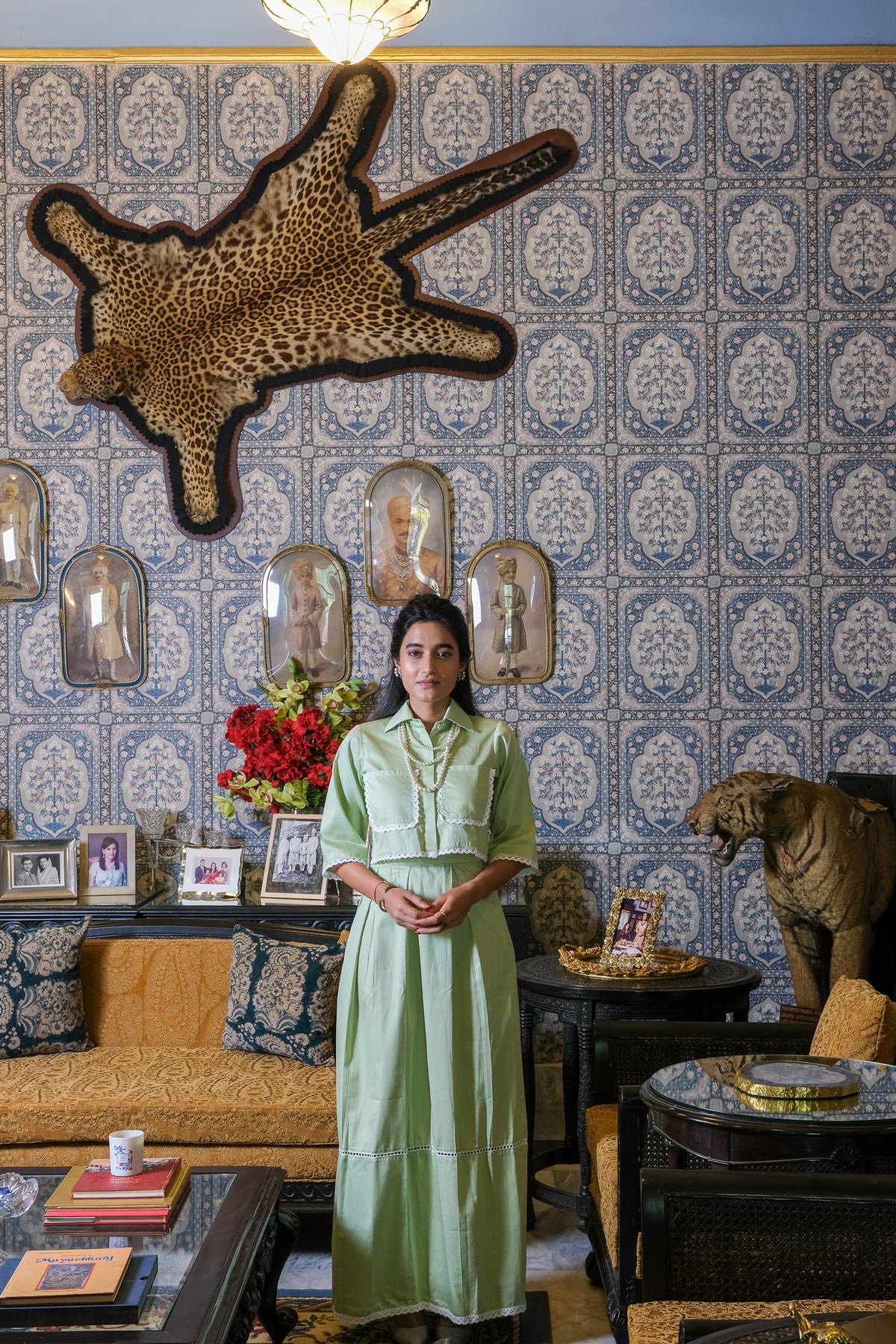
Spearheaded by the 48th generation of the Bhanj dynasty, sisters Akshita and Mrinalika Bhanj Deo, the palace is no longer just a relic of the past; it is a "living museum" designed to bridge the gap between Odisha’s regal history and its tribal future.
I. Main Facts: A Boutique Gateway to Odisha’s Hinterland
The Belgadia Palace, located in the town of Baripada, serves as a gateway to the lesser-explored landscapes of Northern Odisha. Since opening its doors to the public in 2019, the property has positioned itself as more than a luxury hotel. It is a social enterprise that integrates the local community into its operational fabric.
The Aesthetic and Philosophy
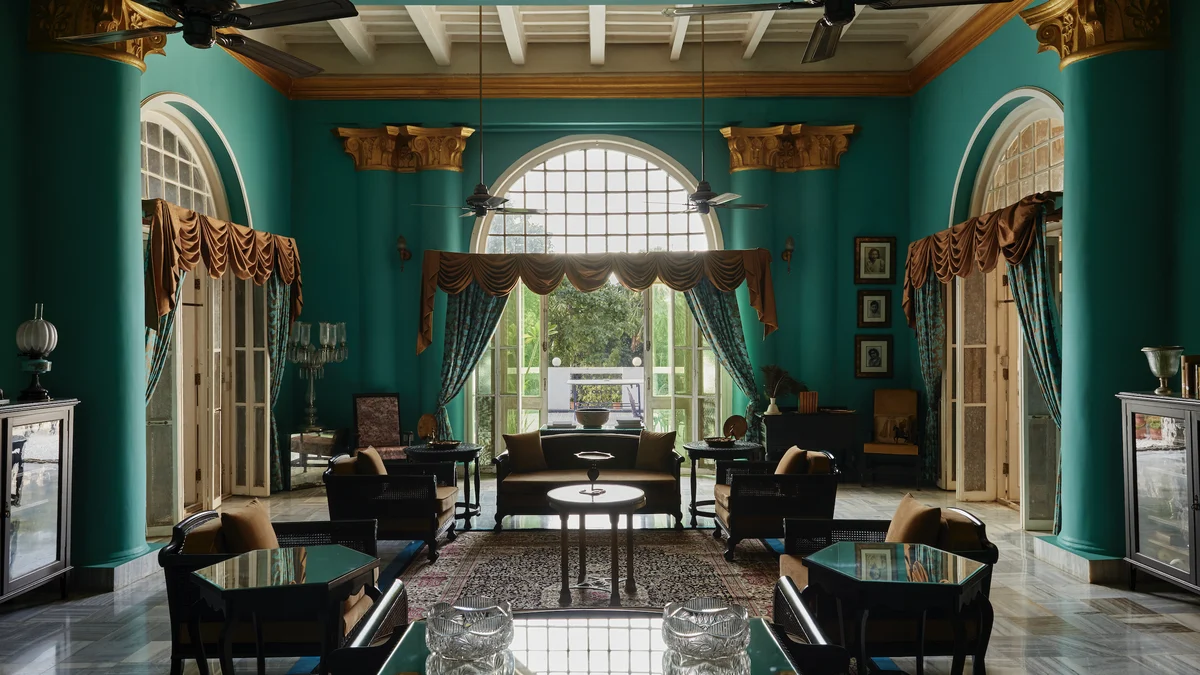
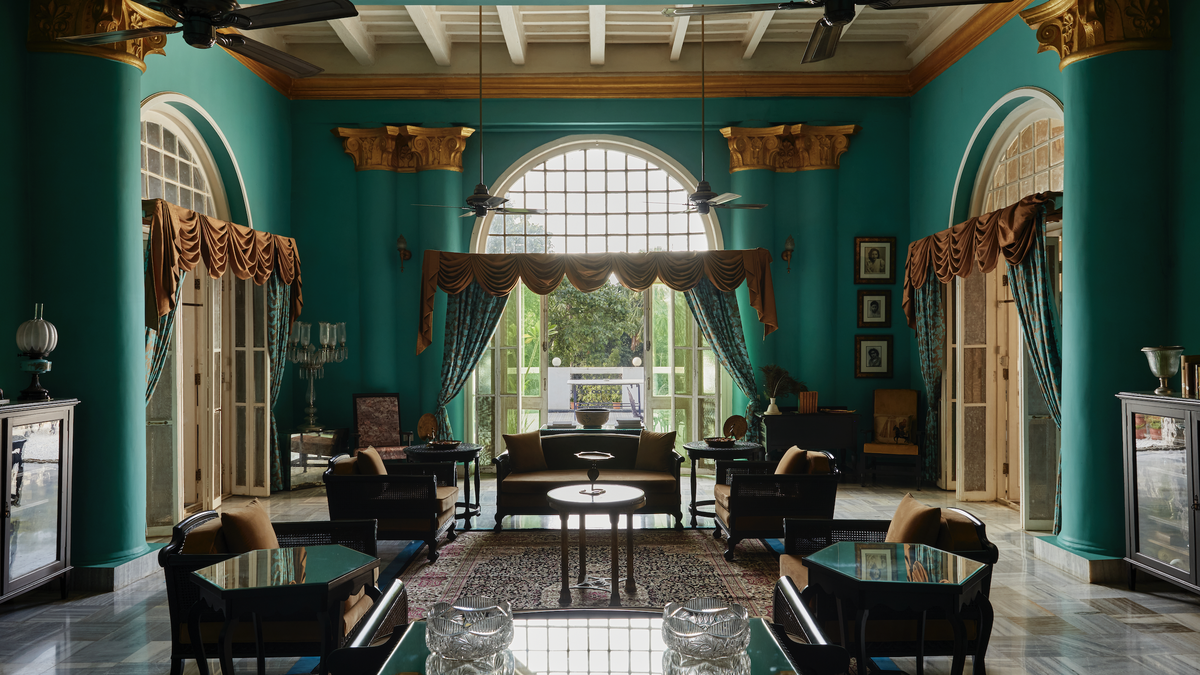
Approaching the palace feels like stepping into a cinematic tableau. The manicured driveways, framed by vibrant bougainvillea, lead to a structure that blends Victorian architecture with Art Deco interiors. However, the true luxury of Belgadia lies in its intimacy. Unlike traditional heritage hotels where the owners are distant figures, guests at Belgadia stay alongside the erstwhile royal family.
Key Features of the Property:
Accommodations: Six palace suites and several historical suites located in the garden wing (formerly the palace kitchens).
Design: A curated mix of 100-year-old libraries, wingback chairs, and an "Art Deco sanctuary" aesthetic.
The "Living Museum" Concept: Every corner of the palace is open to exploration, with staff members doubling as historians to guide visitors through the family’s archives.
Social Impact: A significant portion of the revenue supports the Mayurbhanj Foundation, which works with local tribal clusters.
II. Chronology: From Guest House to Primary Residence to Boutique Hotel
The history of The Belgadia Palace is inextricably linked to the progressive governance of the Bhanj dynasty, a lineage known for its contributions to education and infrastructure in pre-independence India.
The Early 1800s: The Foundations
The palace was originally constructed in the early 19th century. Its primary function was functional: to serve as a guest house for visiting dignitaries, British officials, and extended family members. At the time, the family resided in a much larger, sprawling palace nearby.
Post-Independence: A Royal Sacrifice
Following India’s independence and the merger of princely states, the royal family of Mayurbhanj made a landmark decision. They donated their primary ancestral palace to the state to establish the Maharaja Purna Chandra (MPC) Junior College, prioritizing education over personal grandeur. Consequently, the family moved into The Belgadia Palace, making it their primary residence in the late 1990s.
2019: The Vision of the Next Generation
While the palace remained a lived-in space, the cost of maintaining such a massive heritage structure required a sustainable economic model. Akshita and Mrinalika Bhanj Deo recognized that the palace’s original intent—to host and celebrate culture—could be revived through boutique tourism. After a meticulous renovation that focused on preserving the structural integrity while modernizing the utilities, the palace officially opened to global travelers in 2019.
III. Supporting Data: Culture, Conservation, and Community
The Belgadia Palace operates as a catalyst for regional development, focusing on three core pillars: the revival of the Chhau dance, the promotion of tribal handicrafts, and the preservation of the Simlipal biosphere.
1. The Revival of Mayurbhanj Chhau
Mayurbhanj Chhau is a UNESCO-recognized martial, tribal, and folk dance form. Unlike other versions of Chhau, the Mayurbhanj style is performed without masks, relying on intense facial expressions and athletic prowess.
Project Chhauni: The palace works closely with this local organization to provide a platform for artists.
Cultural Festivals: The palace hosts three-day festivals in collaboration with Aadi Naad, allowing guests to witness performances against the backdrop of the illuminated palace gardens.
2. Tribal Empowerment and "Hasa Atelier"
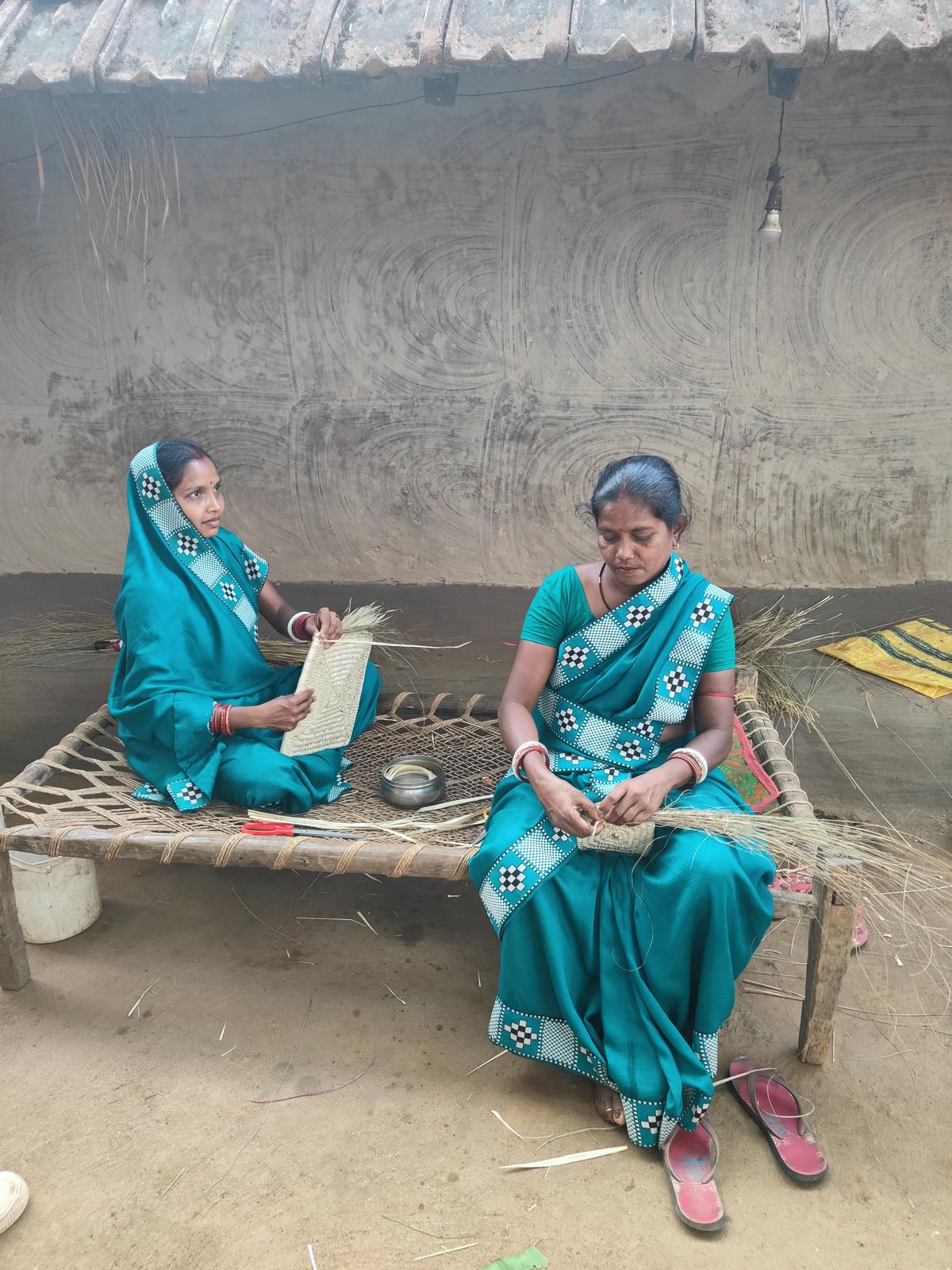
Mayurbhanj is home to diverse tribal communities, particularly those skilled in working with Sabai grass and Dokra (lost-wax metal casting).
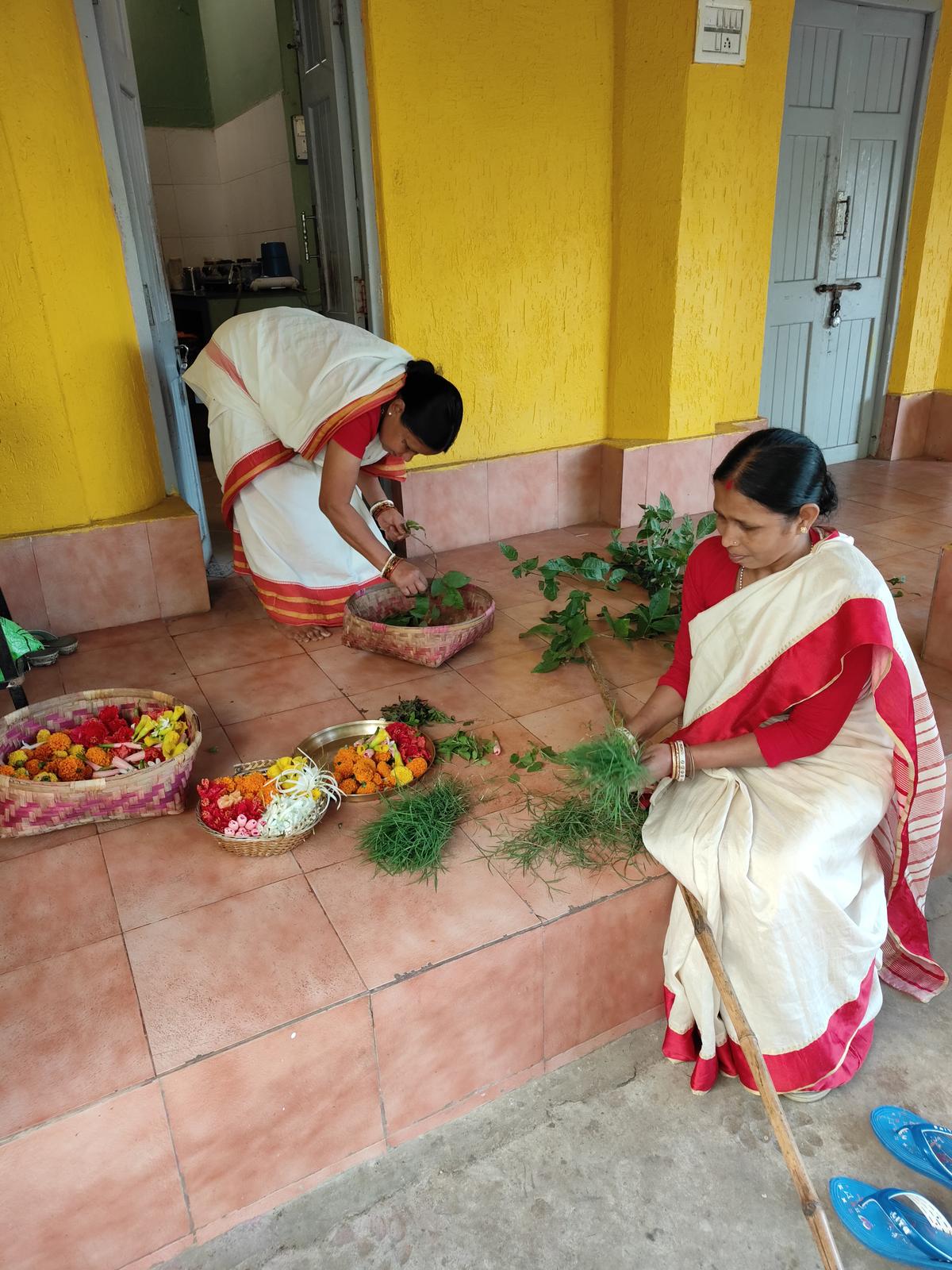
Sabai Grass Weaving: In villages like Salasahi, women weave the durable grass into ropes, baskets, and mats.
Hasa Atelier: During the COVID-19 pandemic, when traditional supply chains collapsed, Mrinalika Bhanj Deo established this boutique within the palace. It serves as a direct-to-consumer channel for artisans, ensuring they receive fair wages and global visibility.
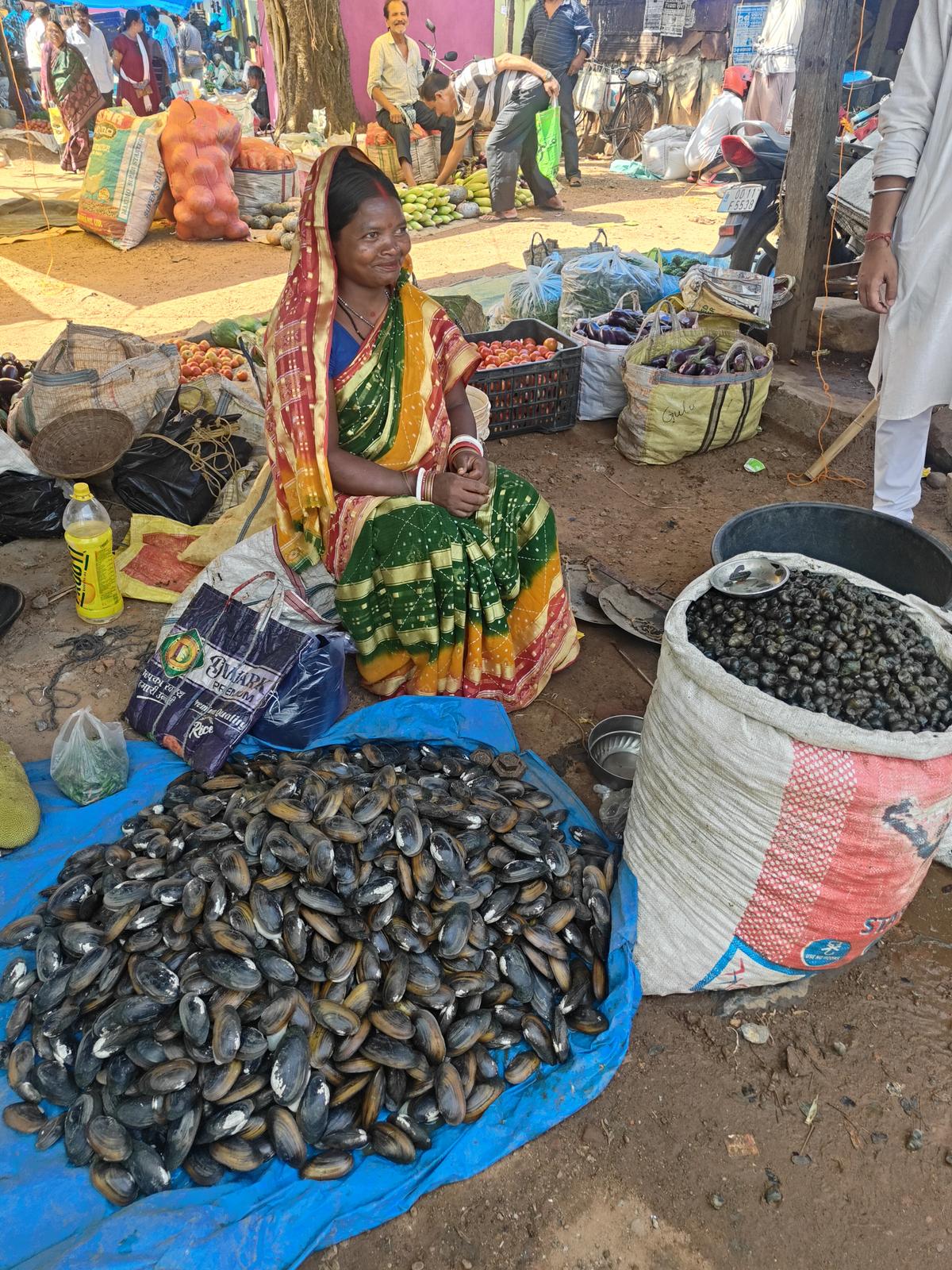
GI Tags: The palace promotes local delicacies like the famous GI-tagged Kai Chutney (made from red weaver ants), integrating these traditional elements into the guest experience at the Baripada haat (market).
3. Biodiversity and the Simlipal Tiger Reserve
The palace serves as a base for researchers and wildlife enthusiasts visiting the Simlipal National Park.
Melanistic Tigers: Simlipal is the only place in the world where "black tigers" (melanistic tigers) are found.
Avian Diversity: The palace grounds themselves are a micro-ecosystem, with guests recording over 15 distinct bird calls in a single morning.
IV. Official Responses: The Philosophy of the Hosts
The transition of the palace has been guided by a philosophy of "conscious luxury." Mrinalika Bhanj Deo emphasizes that the renovation was a labor of love and technical precision.
"The palace was never in a dilapidated condition; it has always been a lived-in space," says Mrinalika Bhanj Deo. "When we began the renovation in 2019, it wasn’t as easy as simply installing new wiring. Every technical decision had to be well thought out. We had to preserve the heritage and legacy while ensuring it could function for the modern traveler."
Regarding the decision to open their home to the public, she notes:
"The original function of the Belgadia palace has always been to host… be it in the way of arts, culture, or even having people come in to celebrate different events. Opening the doors once again felt like we were coming full circle."
The sisters also highlight the importance of the palace as an educational tool for the local youth:
"We treat the palace like a living museum. We want to encourage youngsters from the region to tour the property and partake in our celebration of Mayurbhanj and its legacy."
V. Implications: A New Blueprint for Heritage Tourism in India
The success of The Belgadia Palace has significant implications for the future of heritage conservation in India, particularly in regions that lack the tourism infrastructure of Rajasthan or Kerala.
1. Economic Diversification
By promoting "slow tourism," the palace ensures that the economic benefits are distributed among local rickshaw pullers, market sellers, and tribal weavers. This reduces the dependency on industrial exploitation in a mineral-rich district.
2. Culinary Diplomacy
The palace is spearheading a revival of Odia-Bengali fusion cuisine. By serving dishes like Bansha Pora Murgi (bamboo chicken) and Chingdi Checha (crushed shrimp) to international guests, they are elevating regional Indian food to a gourmet level. This culinary focus helps preserve indigenous recipes that are often lost in the age of fast food.
3. Preservation of "Intangible" Heritage
Most heritage conservation focuses on "bricks and mortar." The Belgadia model emphasizes "intangible heritage"—the stories, the dance steps, the weaving techniques, and the bird calls. By creating a commercial demand for Chhau and Sabai grass products, the palace ensures these traditions remain viable for the next generation.
4. The Challenge of Modernization
The project serves as a case study for the technical challenges of heritage renovation. The decision to keep the "Historical Suites" in the old kitchen wing—maintaining curved archways and elevated platforms—shows how ancient layouts can be adapted for modern luxury without erasing their history.
VI. Conclusion: The Living Museum
As the sun sets over the Baripada haat and the fairy lights twinkle in the palace gardens, The Belgadia Palace stands as a testament to the resilience of history. It is a place where a guest can enjoy a high tea under mango trees in the afternoon and eat red ant chutney in a bustling tribal market by evening.
In the hands of Akshita and Mrinalika Bhanj Deo, the palace has moved beyond its role as a silent witness to the 19th century. It has become a loud, vibrant participant in the 21st century, proving that for history to survive, it must be lived in, shared, and—most importantly—it must serve the community that surrounds it.