

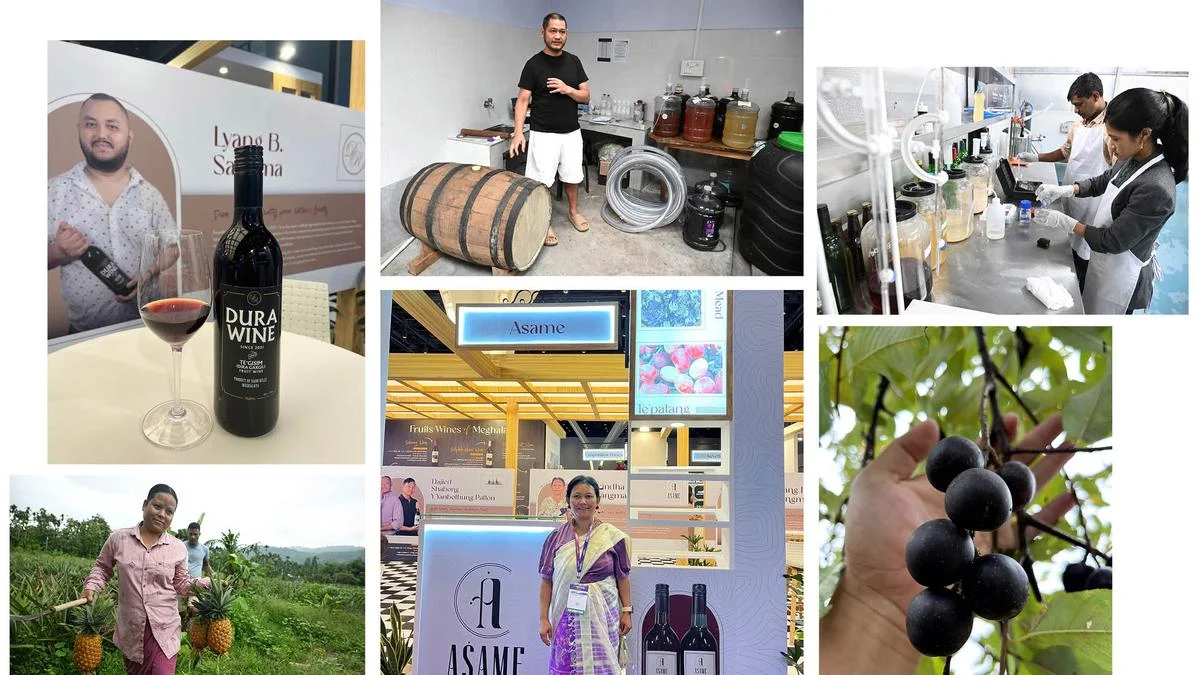
SHILLONG, MEGHALAYA – In the mist-shrouded Garo Hills of Meghalaya, a botanical secret known as te.gism—the "fruit with a dot in its name"—is leading a quiet revolution. Until less than a decade ago, this Himalayan cherry (Prunus jenkinsii) was a wild curiosity, documented by botanists but largely ignored by the commercial world. Today, it is the crown jewel of a burgeoning fruit winemaking industry that is transforming the socio-economic landscape of Northeast India.
From the sacred groves of Mawphlang to the bustling markets of Tura and Shillong, Meghalaya is redefining viticulture. By moving beyond the grape and embracing indigenous berries, plums, and even flowers, the state is carving out a niche that blends ancestral tradition with modern scientific rigor.
Main Facts: A New Terroir Emerges
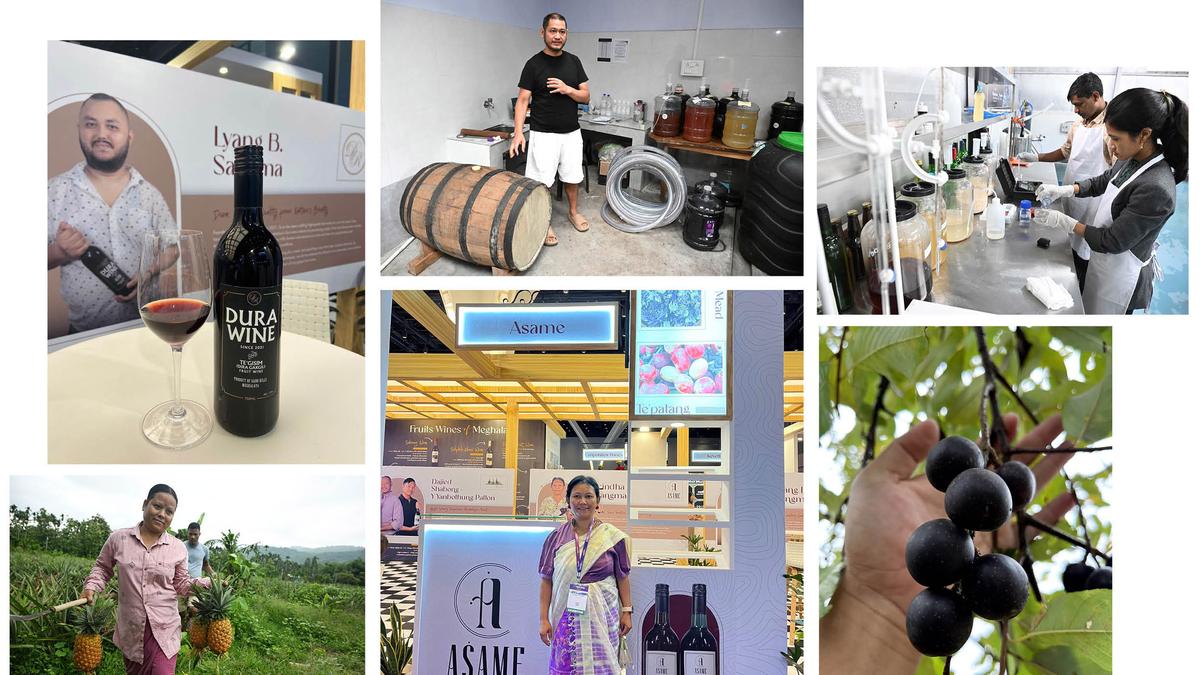
The transformation of Meghalaya’s wine scene is not merely a hobbyist’s endeavor; it is a structured industrial shift. Currently, the state boasts approximately 30 fruit winemakers, 17 of whom have transitioned to full-scale commercial production using modern, scientific equipment. This is a significant leap for a region where traditional rice beer, or bitchi, has been the primary fermented beverage for centuries.
These 17 licensed wineries have established a formal supply chain that employs roughly 400 families, including farmers, pickers, and winery staff. The scale of investment is equally telling: setting up a winery with a 5,000-liter capacity now requires an average capital of ₹50 lakh (excluding land and buildings).

The diversity of the "Meghalaya Terroir" is its greatest strength. Unlike traditional vineyards that rely on specific wine-grade grapes, Meghalaya utilizes a staggering array of wild and cultivated fruits:
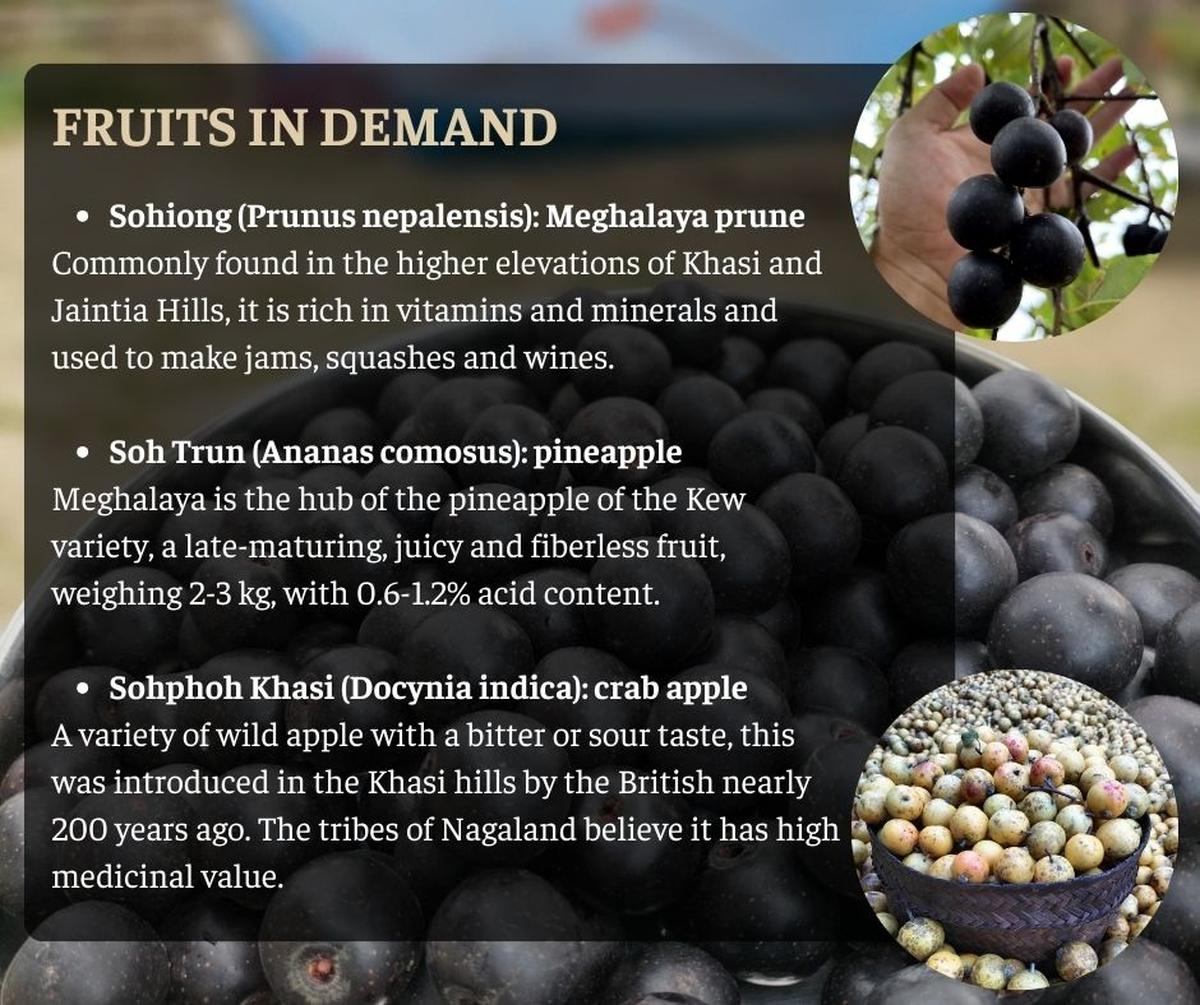
- Sohiong (Prunus nepalensis): A local prune rich in vitamins.
- Sohphie (Myrica esculenta): A box myrtle with a distinct tartness.
- Te.patang (Haematocarpus validus): Known as "blood fruit" for its deep crimson hue.
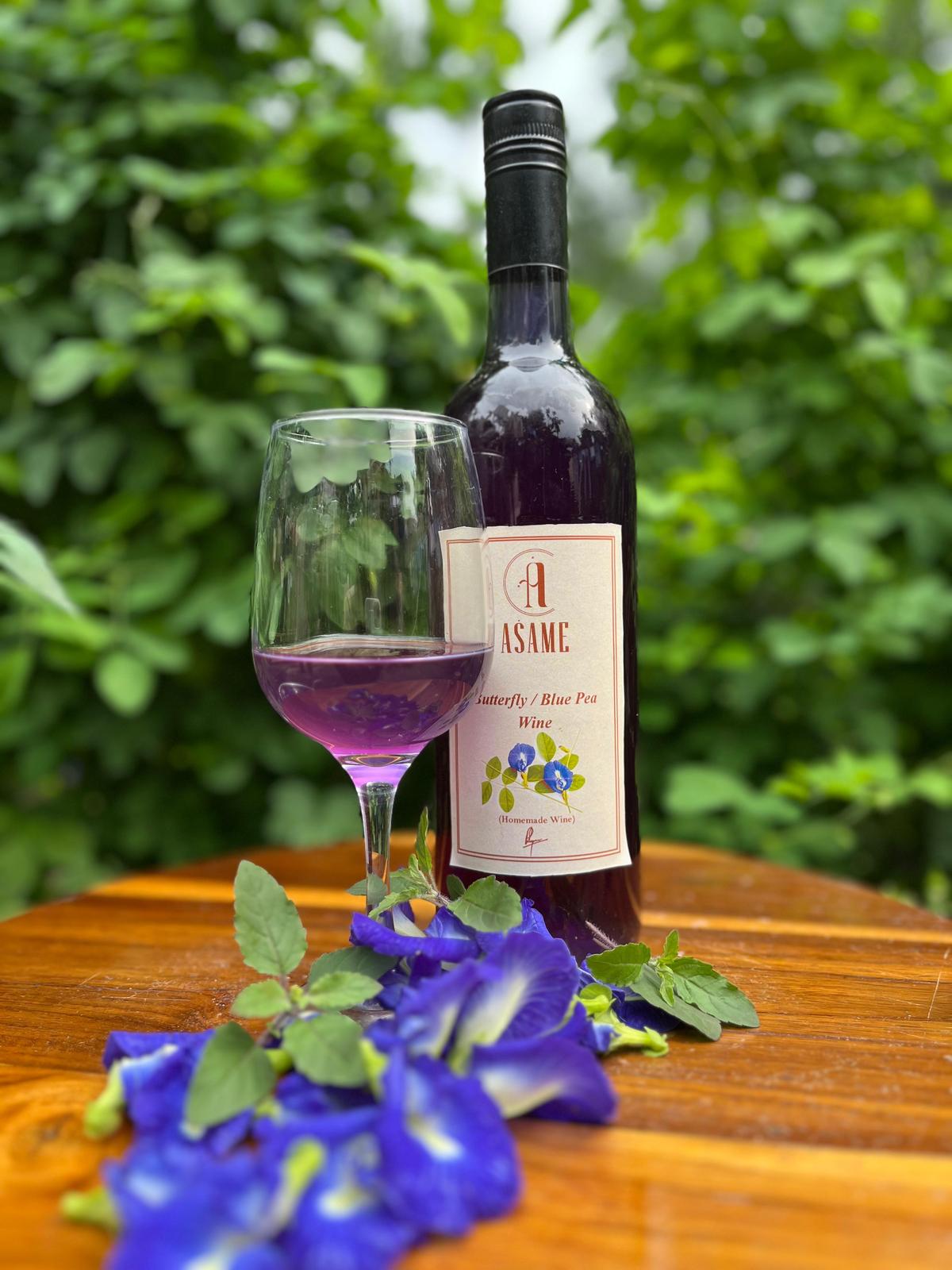
- Exotics: Blue wine made from butterfly pea flowers and meads fermented from forest honey.
Chronology: From Colonial Roots to Modern Policy
The history of winemaking in Meghalaya is a tale of three distinct eras: the colonial introduction, the period of grassroots advocacy, and the current era of state-led commercialization.

The Legend of Captain Hunt (1947–1980s)
The industry traces its formal roots to Captain Harold Douglas Hunt, a British army officer often cited as the "father of wine in Meghalaya." In 1947, Hunt settled in the village of Mawphlang and obtained the state’s first license to produce "Mawphlang Cherry Wine" and brandy. He created a coordinated ecosystem where local villagers collected sohiong and other wild fruits to sustain his winery. Following his death in the 1980s, the winery ceased operations, leaving a vacuum that would persist for decades.
The Festival Movement (2004–2019)
The modern "renaissance" began in 2004 when Michael Syiem of the Forever Young Club organized Shillong’s first wine festival. This annual event was crucial in changing public perception, positioning fruit wine as a "cool," sophisticated alternative for millennials rather than just a traditional homebrew. It sparked a curiosity that eventually pressured the government to view winemaking as a viable economic engine.

The Policy Pivot (2019–Present)
The turning point arrived in 2019 with the establishment of the Meghalaya Farmers Empowerment Commission (MFEC). In September 2020, the government amended the Meghalaya Excise Rules (based on the Assam Excise Rules 1945) to legalise homemade wines and provide a pathway for commercial licensing. This legislative shift allowed entrepreneurs like Lyang B. Sangma (Dura Wine) and Pecindha K. Sangma (Asame) to move from gifting bottles to friends to showcasing their products at international stages like Vinexpo India 2024 in Mumbai.
Supporting Data: The Economics of the Bottle
The growth of the industry is backed by aggressive fiscal incentives and impressive ROI for the agricultural sector.
Tax Incentives and Market Growth
The Meghalaya government has adopted a "Zero VAT" policy on fruit wines to encourage the nascent industry. In contrast, other Indian states impose VAT ranging from 4% to 53%. The only levies in Meghalaya are a nominal ad valorem fee of ₹100 per case (12 bottles) and a retailer’s lifting fee of ₹10 per case. This has kept the average retail price of a 750ml bottle at an accessible ₹600.
Agricultural Impact
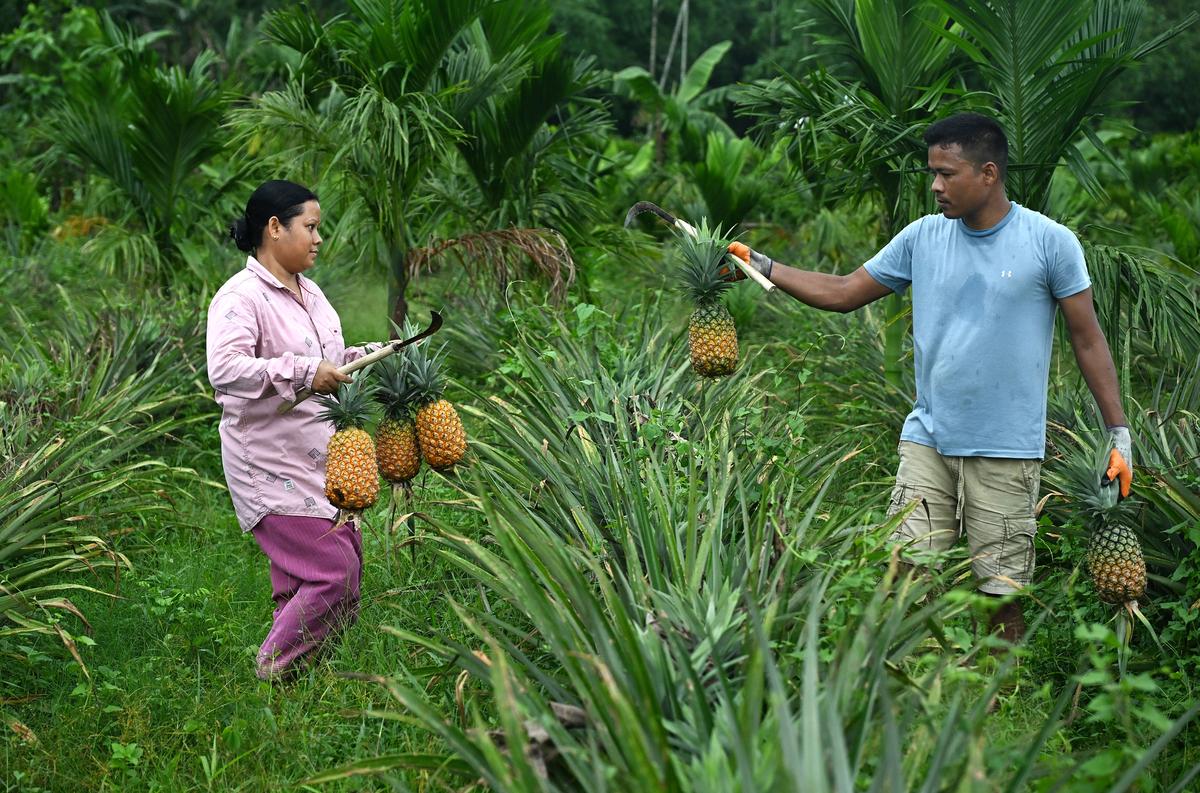
Perhaps the most significant data point is the reduction in farm waste. Historically, Meghalaya faced a 40% wastage rate for fruits due to the state’s difficult terrain and lack of processing facilities.
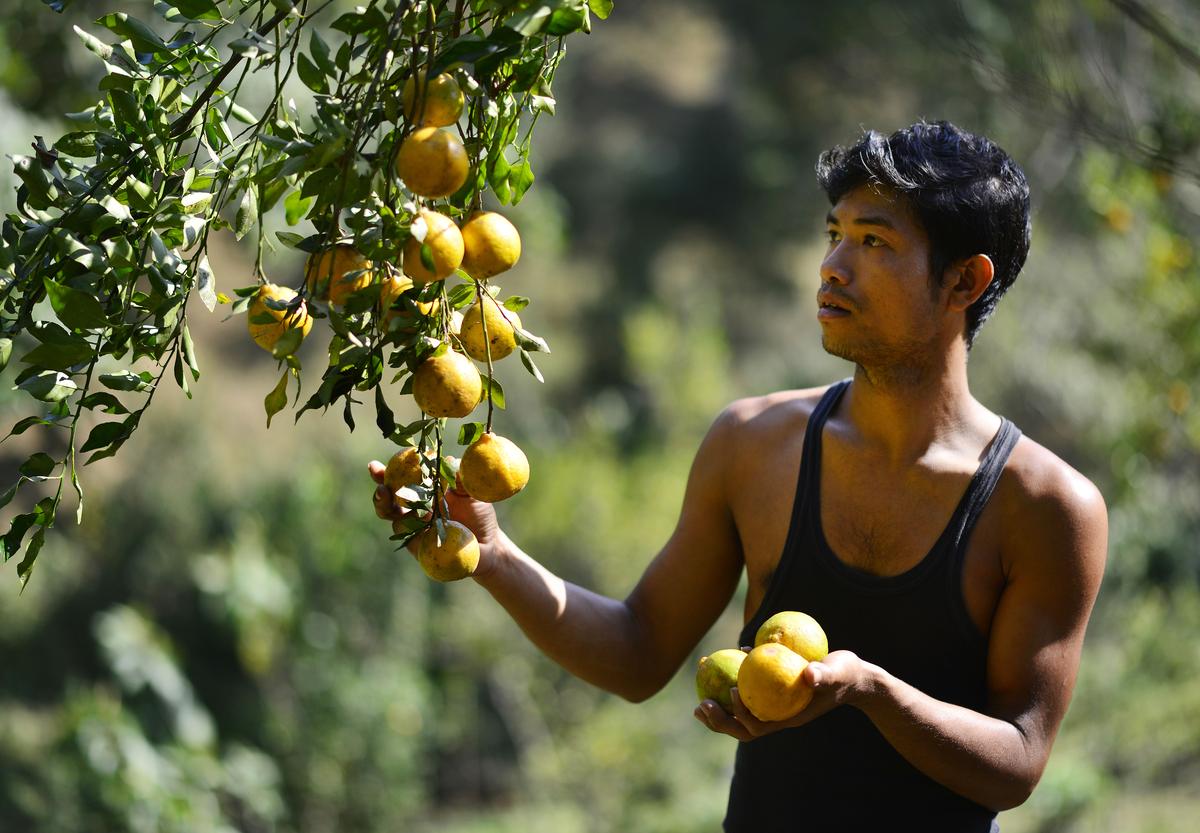
- Income Multiplication: A farmer who previously earned ₹3,000 per sohiong tree per season now earns approximately ₹15,000.
- High-Value Crops: Farmers growing kiwi, plum, peach, and orange have seen seasonal incomes jump from ₹30,000 to over ₹3 lakh as winemakers book entire harvests a year in advance.
- Volume Requirements: A single winemaker requires approximately one tonne of fruit to produce just 200 liters of wine, creating a massive, consistent demand for raw materials.
Official Responses: Science Over Superstition
The state’s strategy is not just about production, but about quality control. B.K. Sohliya, Chairman of the MFEC, emphasizes that winemaking is "mostly science."
To ensure global standards, the MFEC established the North East Fruit Wine Incubation Centre in 2023 at the Institute of Hotel Management (IHM) in Shillong. The facility has an installed capacity of 1,000 liters per cycle and has already trained 137 individuals in the technical nuances of fermentation, stabilization, and bottling.
"The reaction from connoisseurs at Vinexpo was that these products have possibilities far beyond Meghalaya," says Lyang B. Sangma, whose te.gism wine was a highlight of the Mumbai showcase.
Rajesh Swarnakar, a professional wine and spirit taster, notes that the quality has improved markedly. "Currently, Meghalaya’s fruit wines have some distance to catch up with Himachal Pradesh, where they have been in the business for years. But the balance of sugar and alcohol (roughly 10% ABV) in Meghalaya’s recent batches is becoming world-class."
Implications: Biodiversity, Tourism, and the Future
The rise of the fruit wine industry carries deep implications for Meghalaya’s future, spanning environmental conservation, tourism, and cultural identity.
Environmental Conservation
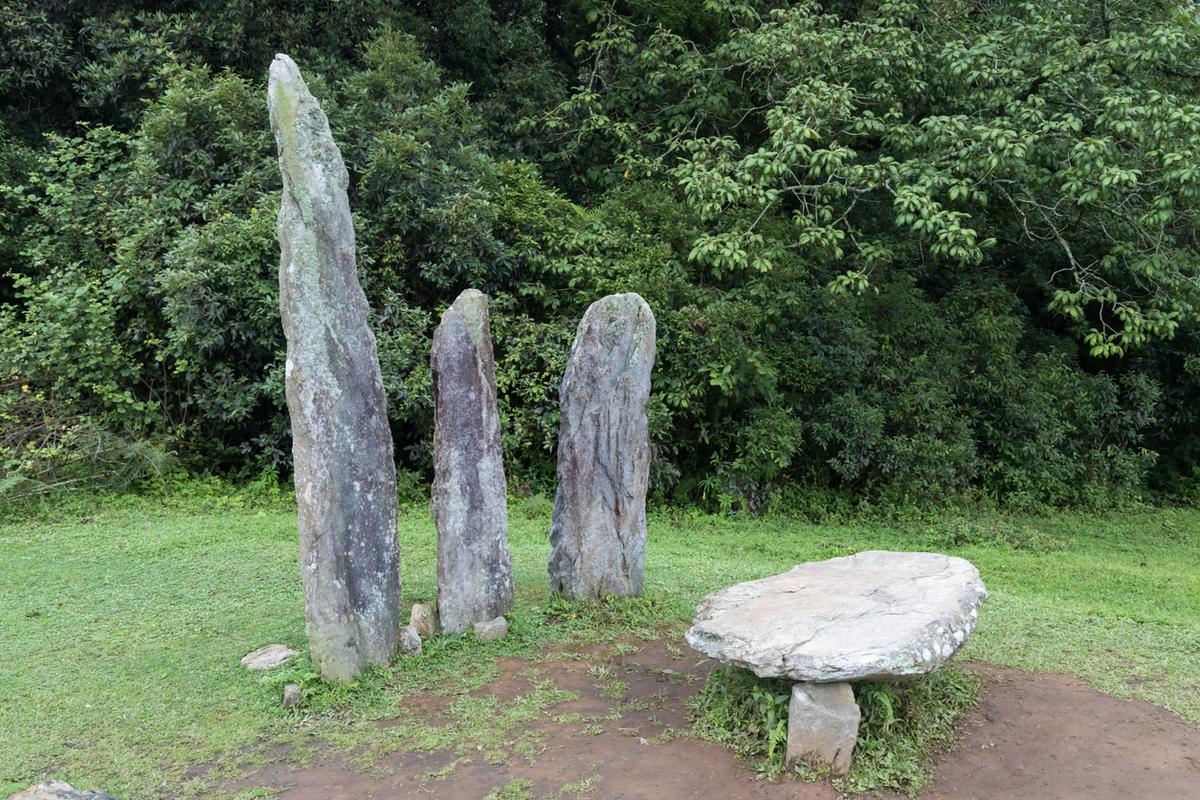
The demand for wild fruits has incentivized the protection of Meghalaya’s "Sacred Groves." In villages like Mawphlang, these ancient forests are protected by local tradition—not even a fallen leaf may be removed. However, the areas surrounding these groves are now being carefully managed to harvest sohiong and sohphie, turning the wilderness into a sustainable "forest-farm" that discourages deforestation.
The "Beyond the Grape" Tourism
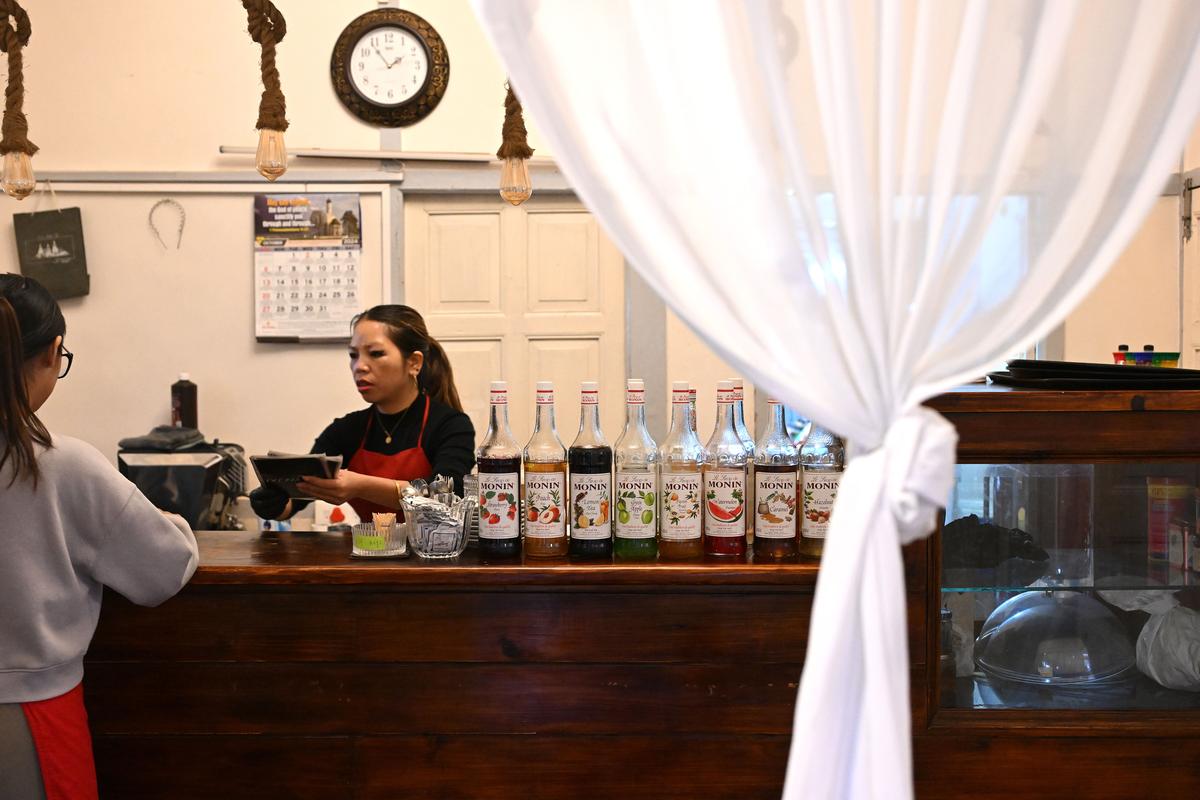
Meghalaya is positioning itself as a destination for "Wine Tourism." Much like the Napa Valley in California or the Nashik region in Maharashtra, Shillong and Tura are seeing the emergence of tasting rooms and winery tours. The state government’s "Beyond the Grape" shows are designed to attract high-end tourists who seek artisanal, organic experiences.
Cultural Identity and Entrepreneurship
The industry has empowered a new generation of entrepreneurs. Andrew Nongdhar, the grandson of Captain Hunt, is currently overhauling his grandfather’s old cottage to relaunch the legendary Mawphlang wine. "Failing to capitalise on this trend would have been an injustice to the man who started it all," Nongdhar says.
Similarly, women like Pecindha K. Sangma are leading the way in innovation. Her "blue wine," made by infusing honey wine with butterfly pea flowers, has become a viral sensation. By removing added sugars and focusing on the natural chemistry of the flora, these winemakers are proving that indigenous knowledge, when backed by government policy and scientific training, can create a globally competitive product.
Conclusion: A Toast to the Hills
Meghalaya’s fruit wine industry is a rare success story where tradition and modernity do not clash but collaborate. By bottling the essence of the Garo and Khasi Hills, the state is not only providing a lifeline to its farmers but is also offering the world a taste of a wilderness that was, until recently, hidden in the clouds. As the industry scales from 17 wineries to a projected 50 in the coming years, the "fruit with a dot in its name" may soon be a staple on the global wine map.
