

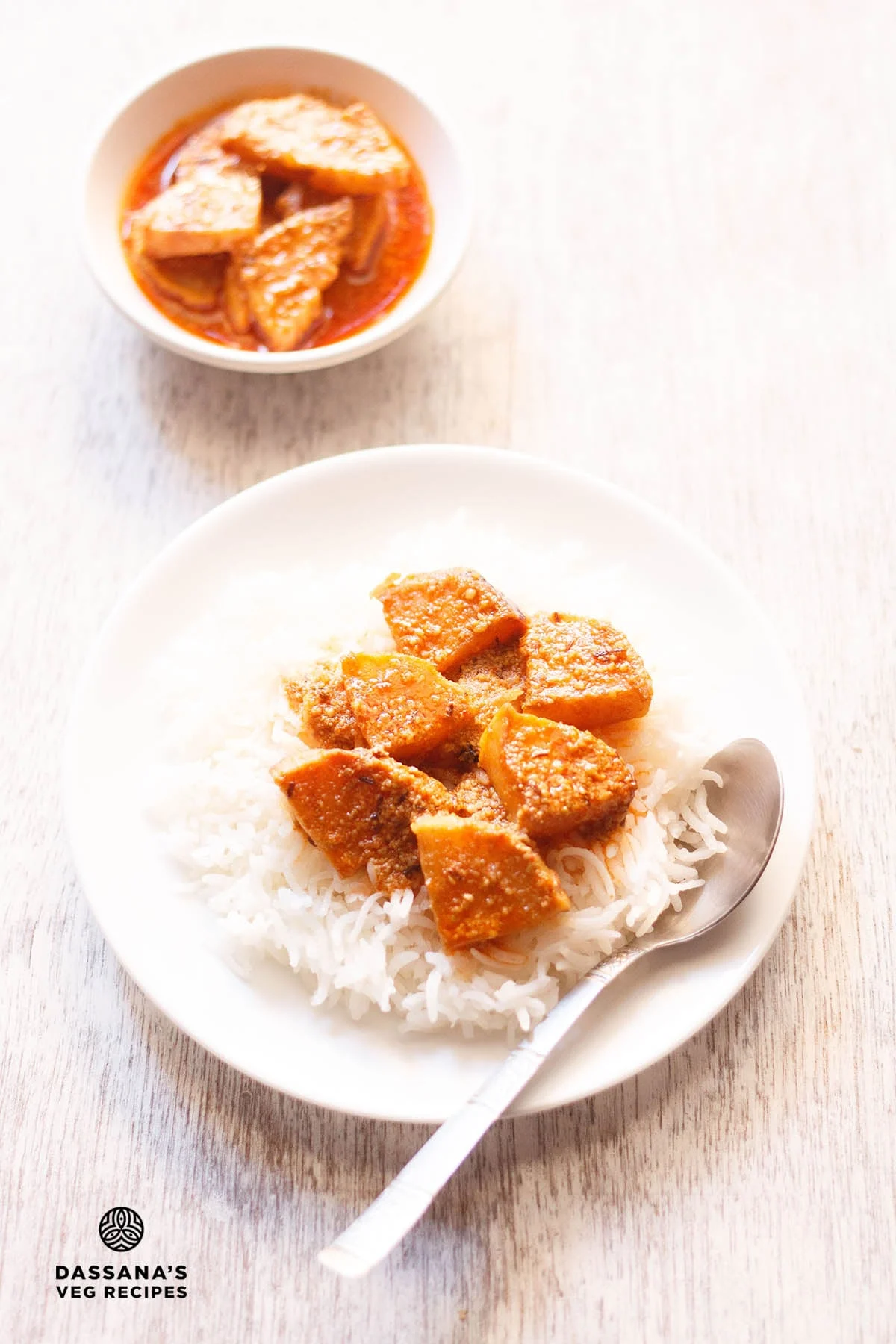
SRINAGAR – In the diverse tapestry of Indian gastronomy, few regions offer a flavor profile as distinct and historically resonant as the Kashmir Valley. While the world is often well-acquainted with the robust, meat-heavy "Wazwan" tradition, a parallel and equally sophisticated culinary lineage exists: the Kashmiri Pandit style of cooking. At the heart of this vegetarian tradition lies a humble yet transformative dish known as Dum Monji—a spiced kohlrabi curry that exemplifies the community’s ability to create complex flavors without the use of onions, garlic, or tomatoes.
As global culinary trends increasingly pivot toward root vegetables and ancient regional techniques, the Kashmiri preparation of Knol Khol (kohlrabi) is gaining renewed attention. This report explores the technical precision, nutritional density, and cultural significance of this storied dish.
I. Main Facts: Defining the Kashmiri Kohlrabi Tradition
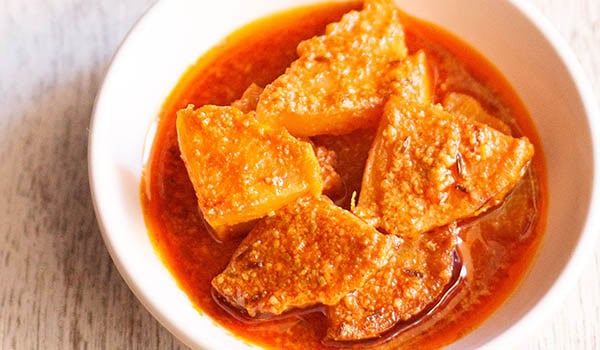
Dum Monji is more than a simple vegetable curry; it is a masterclass in the "Satvik" style of Kashmiri Brahmin cooking. Unlike many North Indian gravies that rely on a base of sautéed aromatics like onions and garlic, this recipe utilizes a sophisticated interplay of yogurt, mustard oil, and a specific triad of spices: fennel powder (saunf), dry ginger powder (sonth), and asafoetida (hing).
The Star Ingredient: Kohlrabi (Knol Khol)
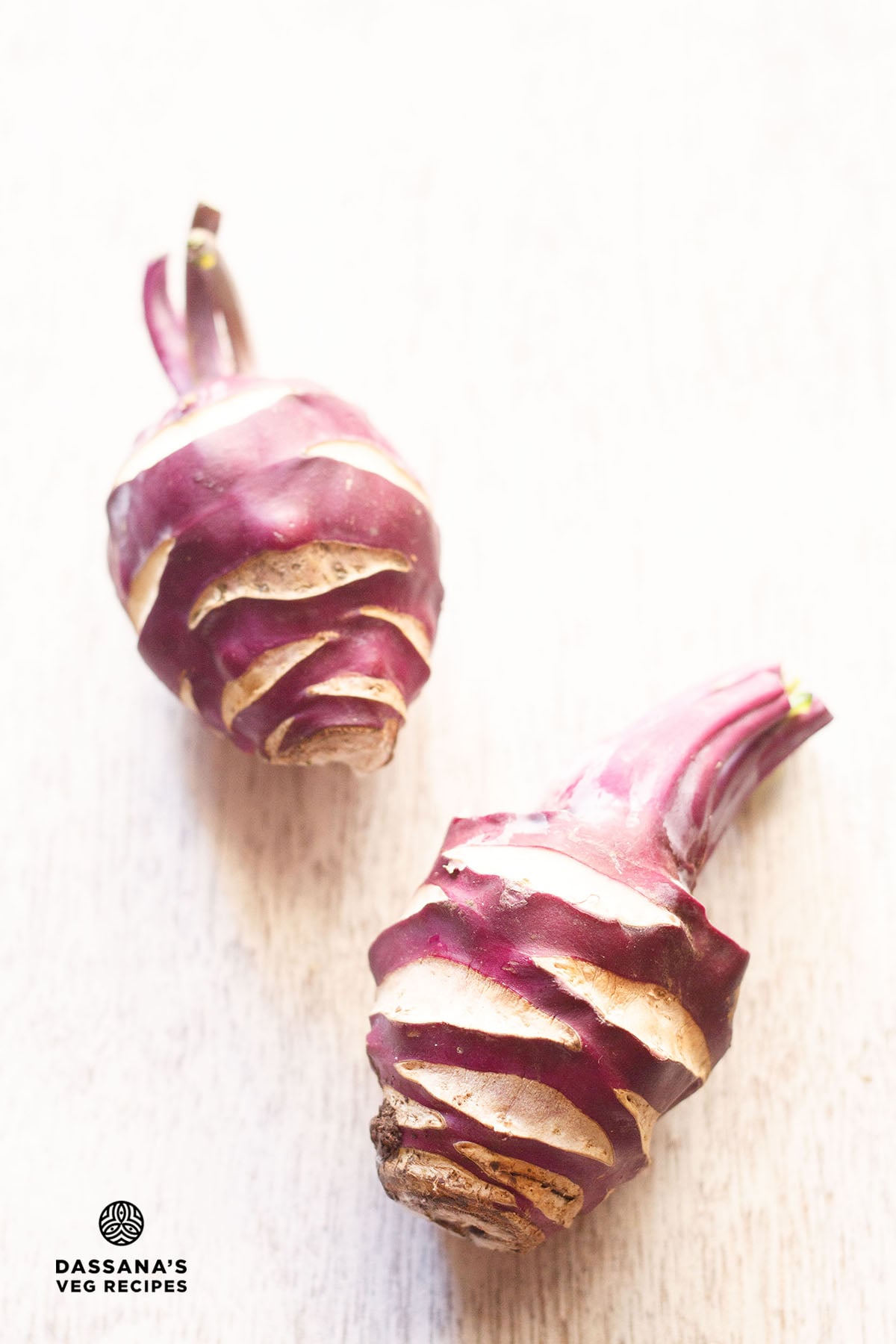
Kohlrabi, known locally in India as Ganth Gobi and in Kashmir as Monji, is a stout, bulbous vegetable from the Brassica oleracea family. Though it resembles a root vegetable, it is actually a swollen stem. Its flavor is a delicate hybrid—possessing the sweetness of a turnip and the peppery undertones of a cabbage heart. In the Kashmiri context, the vegetable is prized for its firm texture, which holds up remarkably well under the "Dum" (slow-cooking) process.
The Flavor Architecture
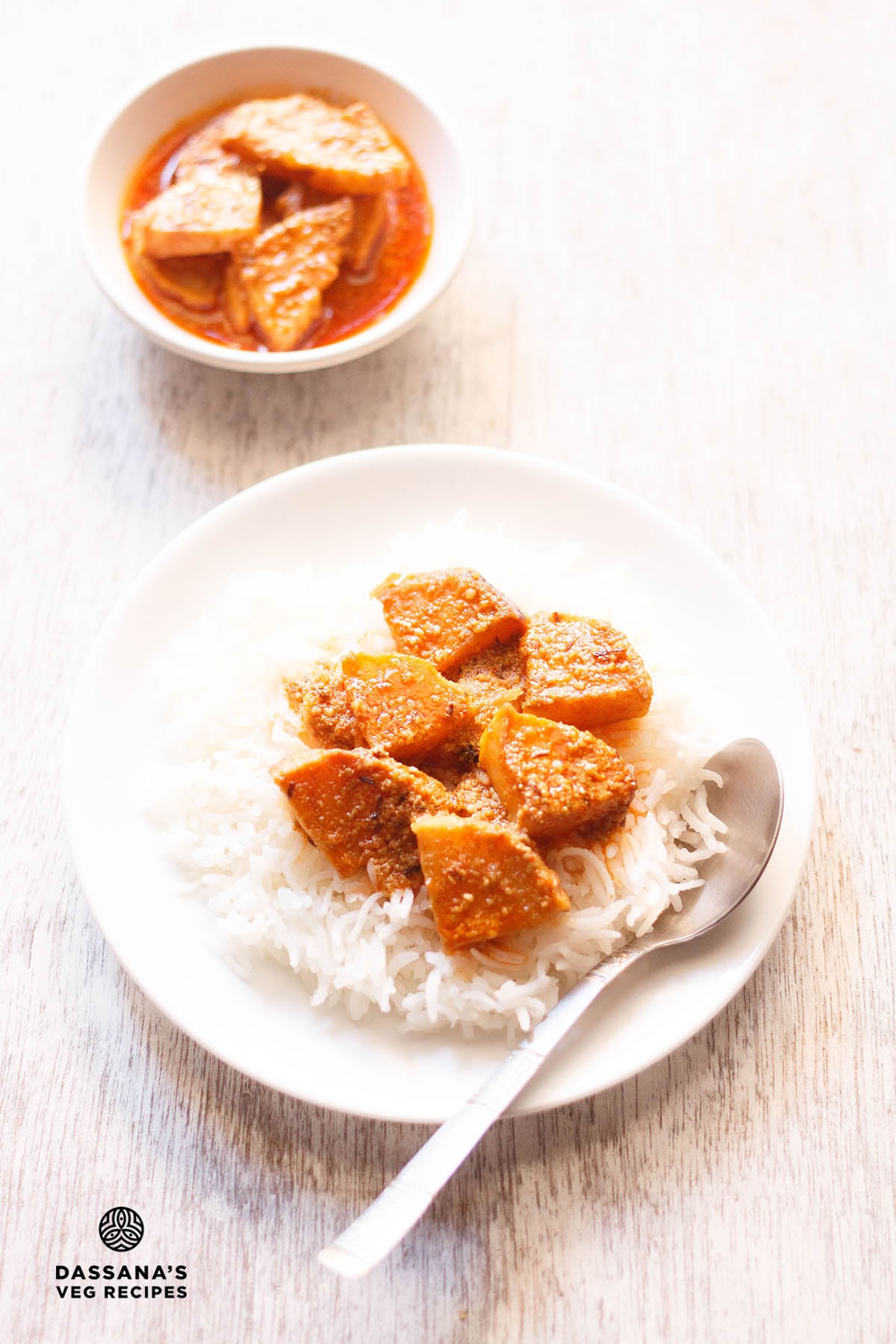
The dish is characterized by its vibrant red hue—derived from Kashmiri chili powder—and its "flowing" consistency. It is neither a dry stir-fry nor a thick, cream-laden masala. Instead, it is a light, yogurt-based gravy that is simultaneously tangy, spicy, and aromatic. The use of mustard oil is non-negotiable for authenticity, providing a sharp, pungent undertone that cuts through the creaminess of the curd.
II. Chronology: The Methodology of Preparation
The construction of Dum Monji follows a strict sequence of operations designed to preserve the integrity of the yogurt and the texture of the kohlrabi. The following timeline outlines the professional approach to executing this dish.
Phase 1: Priming and Pre-processing
The process begins with the selection of the kohlrabi. Chefs recommend medium-sized bulbs, as larger ones can become woody and fibrous. The outer skin, whether light green or purple, is peeled aggressively to reveal the tender white core. Uniformity in dicing is critical; the vegetable is typically cut into medium cubes or thick slices to ensure even heat distribution during the frying stage.
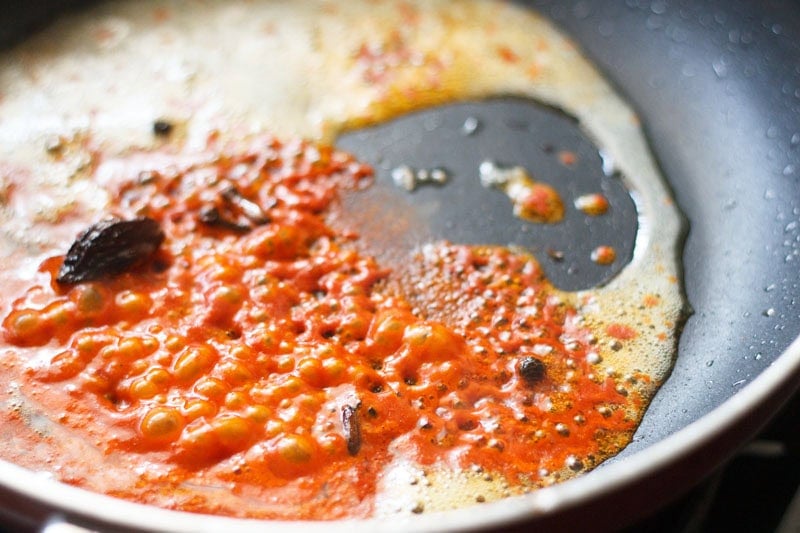
Simultaneously, the "chemical base" of the curry is prepared. Kashmiri chili powder and asafoetida are dissolved in a small amount of water to create a slurry. This prevents the delicate chili from scorching when it hits the hot oil—a common pitfall that can turn a vibrant red curry bitter and dark.
Phase 2: The Maillard Reaction (Pan-Frying)
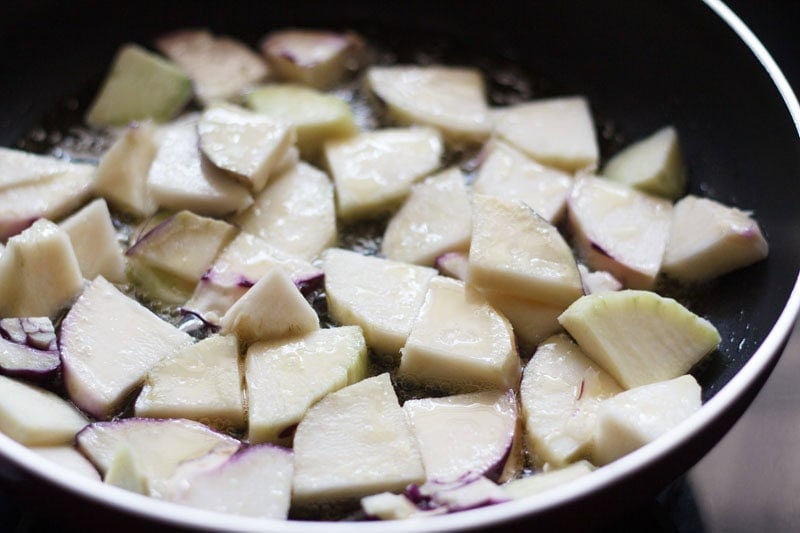
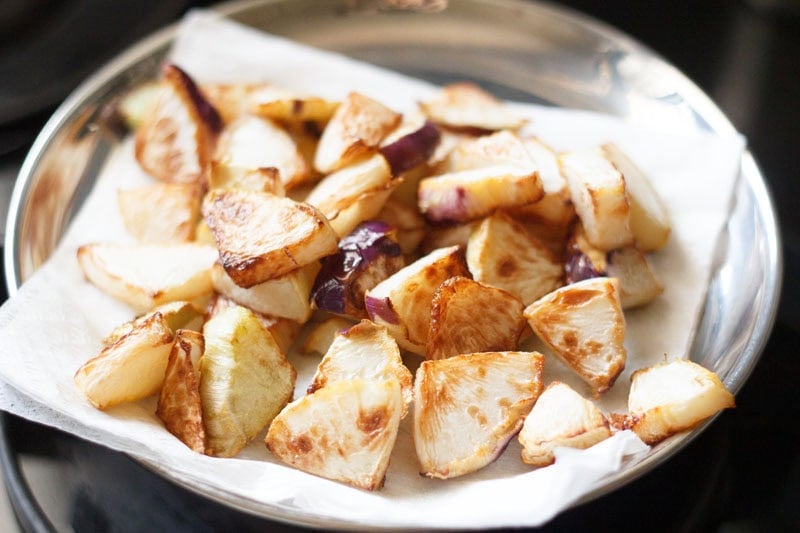
The first cooking step involves pan-frying the kohlrabi chunks in mustard oil. The oil must be heated until it reaches its smoke point to eliminate its raw bitterness, then cooled slightly before the vegetable is added. The kohlrabi is fried until the exterior develops a golden-brown crust. This serves two purposes: it seals the moisture inside the vegetable and initiates the Maillard reaction, adding a layer of savory complexity to the naturally sweet bulb.
Phase 3: Tempering and Emulsification
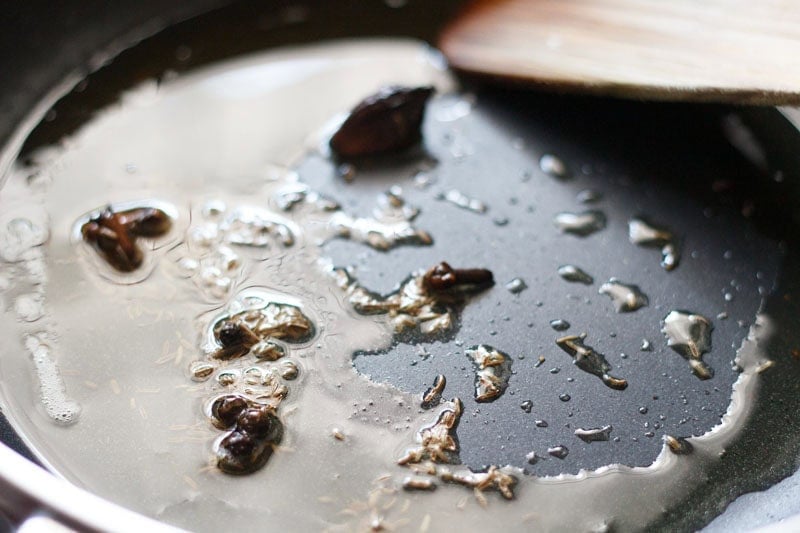
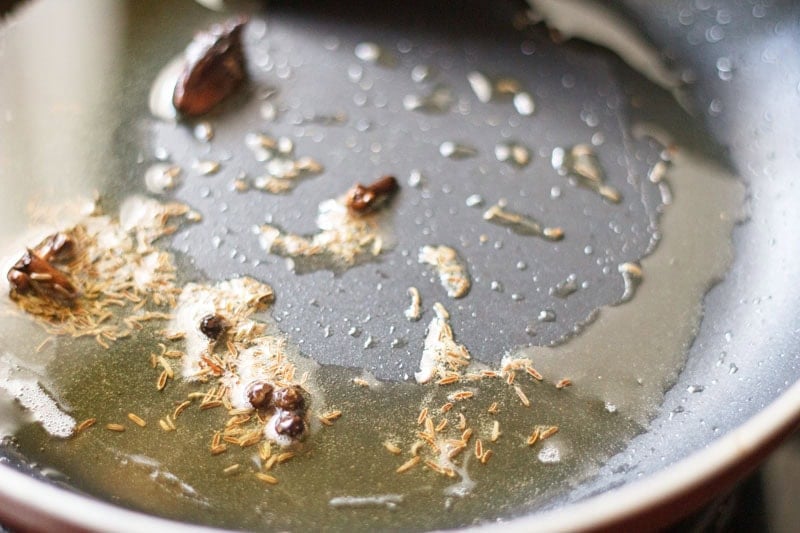
Once the kohlrabi is set aside, the remaining oil is tempered with whole spices: cloves, cinnamon, and black cardamom. These "warm" spices provide the foundational aroma. The chili-asafoetida slurry is then introduced, followed by a critical technical maneuver: the heat is deactivated.
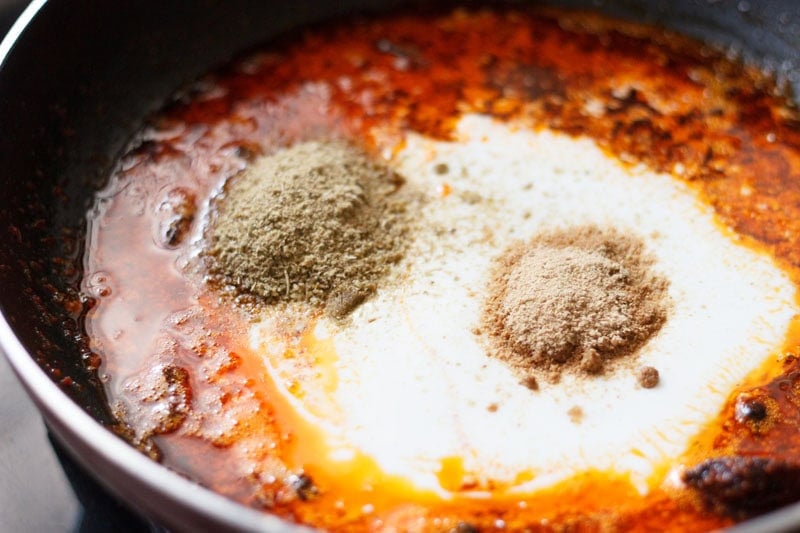
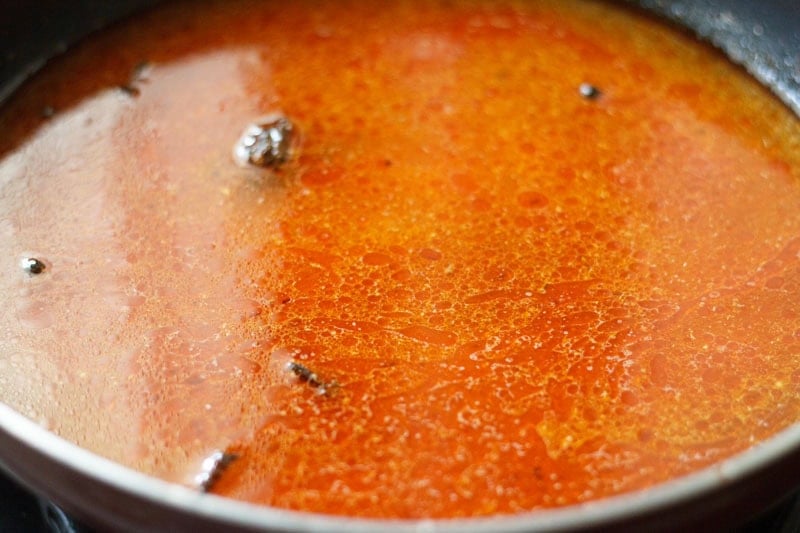
Adding whisked yogurt to a boiling pan is a recipe for curdling. By turning off the heat and adding the yogurt alongside fennel and ginger powders, the cook ensures a smooth, emulsified sauce. Once the mixture is thoroughly combined, the heat is reintroduced, and water is added to set the volume of the gravy.
Phase 4: The Final Simmer
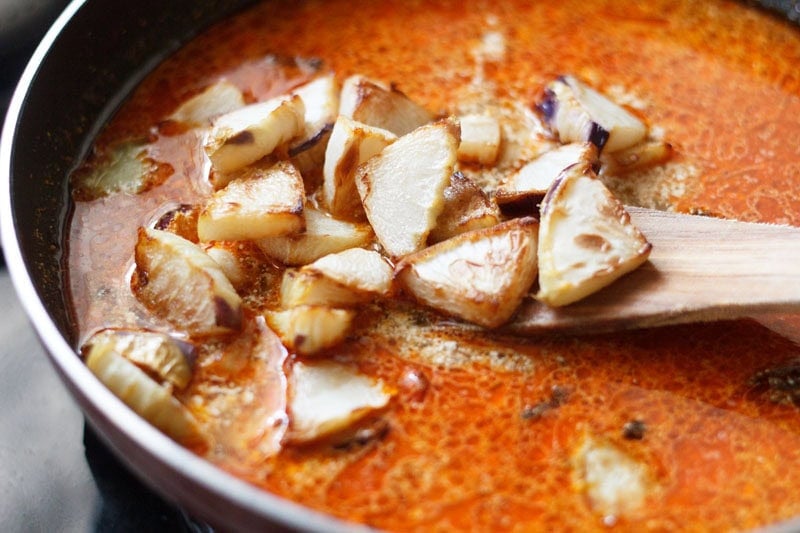
The fried kohlrabi is returned to the pan, and the vessel is covered. For 15 to 20 minutes, the dish undergoes a slow simmer. During this time, the porous structure of the kohlrabi absorbs the spiced yogurt, and the gravy reduces until a thin layer of oil (the tarka) begins to float on the surface—a visual cue that the flavors have matured.
III. Supporting Data: Nutritional and Gastronomic Analysis
The Kashmiri Knol Khol recipe is not only a cultural staple but also a nutritionally efficient meal. Analysis of the dish reveals a profile high in micronutrients and relatively low in caloric density compared to heavy cream-based Indian curries.
Nutritional Breakdown (Per Serving)
- Calories: 268 kcal
- Vitamin C: 94 mg (Approximately 104% of the Daily Value)
- Dietary Fiber: 8 g
- Potassium: 680 mg
- Protein: 5 g
- Total Fat: 23 g (Predominantly monounsaturated fats from mustard oil)
The Functional Benefit of Spices
The specific spice blend used in Dum Monji serves digestive purposes. In the cold climate of the Kashmir Valley, dry ginger powder (sonth) is valued for its thermogenic properties, while fennel powder acts as a digestive aid, balancing the acidity of the yogurt. The high Vitamin C content of the kohlrabi remains largely intact due to the relatively short frying time followed by controlled simmering.
IV. Official Responses: Culinary Perspectives on Authenticity
Culinary historians and traditional Kashmiri chefs emphasize that the "authenticity" of Dum Monji lies in what is not added to the pot.
The "No-Aromatic" Rule
"In the Kashmiri Pandit tradition, the absence of onion and garlic is not a lack, but a choice of clarity," says a representative of the region’s culinary preservation society. "By removing the heavy, sulfurous notes of garlic and the sweetness of sautéed onions, the true floral notes of the fennel and the earthy pungency of the kohlrabi are allowed to take center stage."
Addressing Technical Challenges
A common query among home cooks involves the splitting of the yogurt base. Professional responses suggest that the fat content of the yogurt plays a vital role; full-fat, well-whisked curd is less likely to separate. Furthermore, the addition of a small amount of fennel powder during the whisking stage can act as a stabilizer. Experts also clarify that while mustard oil is the traditional choice, it can be substituted with neutral oils, though they warn that the "soul" of the dish—its sharp, biting finish—will be diminished.
V. Implications: The Future of Regional Roots
The resurgence of the Knol Khol recipe carries several implications for the broader food industry and cultural preservation.
1. Diversification of the "Vegan-Adjacent" Market
As global consumers look for plant-based options that do not rely on processed meat substitutes, dishes like Dum Monji offer a blueprint for "whole-food" excellence. The recipe is naturally gluten-free and can be easily adapted for vegans by substituting yogurt with cashew paste or plant-based curds, though the flavor profile would shift toward the nutty side.
2. Preservation of Minority Culinary Identities
The Kashmiri Pandit community has faced significant displacement over the last several decades. For a community in diaspora, recipes like Dum Monji serve as a vital link to their ancestral geography. Documenting and standardizing these recipes ensures that the specific "Pandit-style" techniques are not subsumed by the more commercially dominant "Mughlai" or "Punjabi" versions of Indian food.
3. The "Root-to-Stem" Movement
Kohlrabi is a zero-waste vegetable. While this specific recipe focuses on the bulb, traditional Kashmiri households often use the greens (leaves) to make Haak, another legendary Kashmiri preparation. The rise of Dum Monji aligns with the modern "root-to-stem" philosophy, encouraging consumers to utilize the entire plant.
Conclusion
The Kashmiri Knol Khol curry is a testament to the sophistication of simplicity. Through the precise application of heat and a deep understanding of spice chemistry, a humble bulb is elevated to a gourmet centerpiece. As we look toward the future of sustainable, healthy, and culturally rich eating, the lessons found in a Kashmiri kitchen—patience, sequence, and the celebration of the vegetable’s natural form—remain more relevant than ever.
Whether served alongside a steaming bowl of basmati rice or a simple roti, Dum Monji remains a vibrant, spicy, and essential chapter in the story of Indian vegetarianism.
