

Pune, India – The landscape of Pune’s real estate market is undergoing a seismic shift. Long celebrated as the "Pensioner’s Paradise" and later as the "Oxford of the East," Pune has transitioned into a sprawling metropolitan powerhouse. While the last decade was defined by the vertical growth of high-rise apartments, the post-pandemic era has ushered in a renewed demand for "horizontal living." Today, the quest for space, privacy, and exclusivity is driving a surge in the villa and row-house segments across the city’s diverse peripheries.
From the ultra-luxurious lanes of Koregaon Park to the emerging investment corridors of Punawale and Ravet, the Pune villa market offers a spectrum of opportunities. With prices ranging from a modest Rs. 40 lakhs for entry-level row houses to upwards of Rs. 3 crore and beyond for premium gated estates, the market caters to a wide demographic, including C-suite executives, IT professionals, and long-term investors.
Main Facts: The Current State of Pune’s Villa Market
The demand for villas in Pune is no longer restricted to the elite. Market data suggests a 20-25% increase in inquiries for independent houses and gated community villas over the past 24 months. Several factors contribute to this trend:
- The Privacy Premium: Unlike apartments, villas offer "exclusive land ownership" and the absence of shared walls, which has become a significant priority for modern homebuyers.
- Hybrid Work Culture: With many IT firms in Hinjewadi and Magarpatta adopting flexible work models, employees are willing to move further from the city center in exchange for larger homes that can accommodate dedicated office spaces.
- Appreciation Potential: Land-based assets in Pune have historically shown higher appreciation rates compared to built-up apartment units, making villas a preferred choice for wealth preservation.
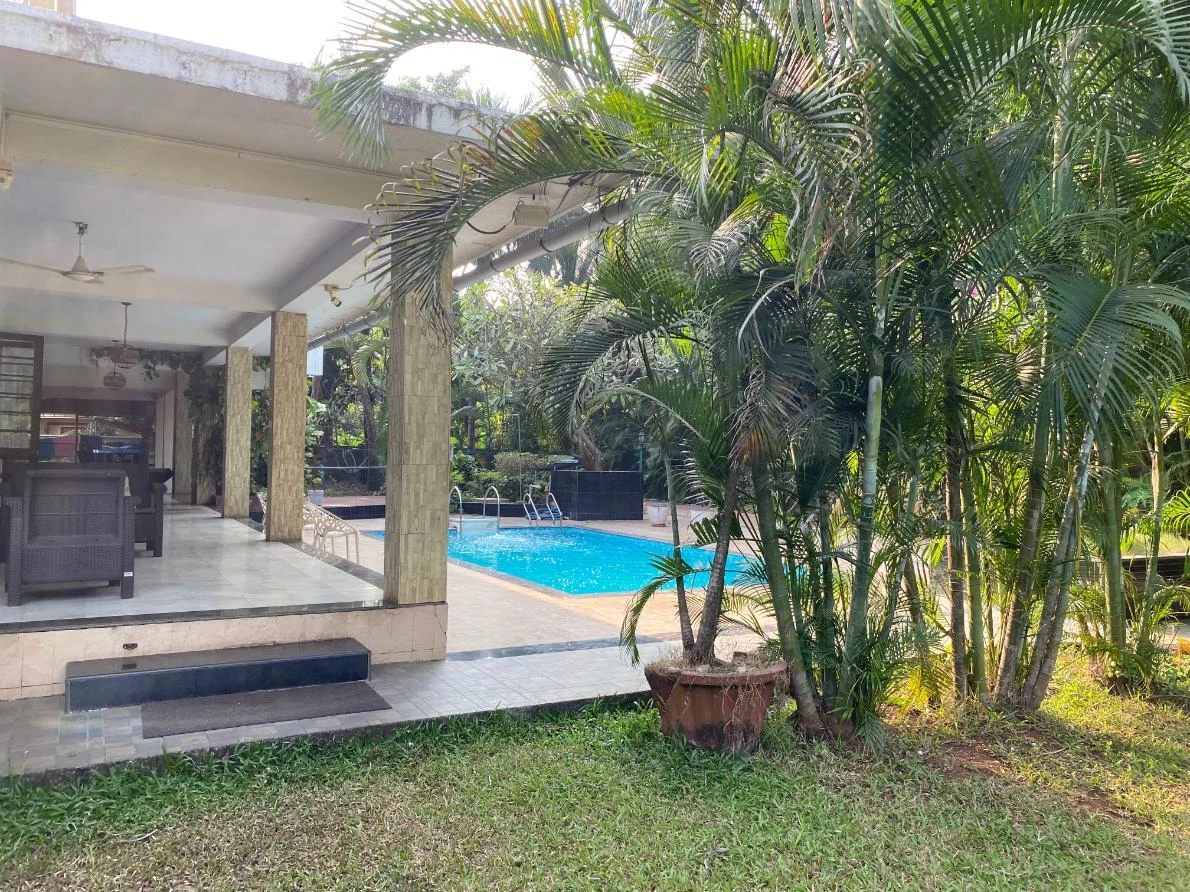
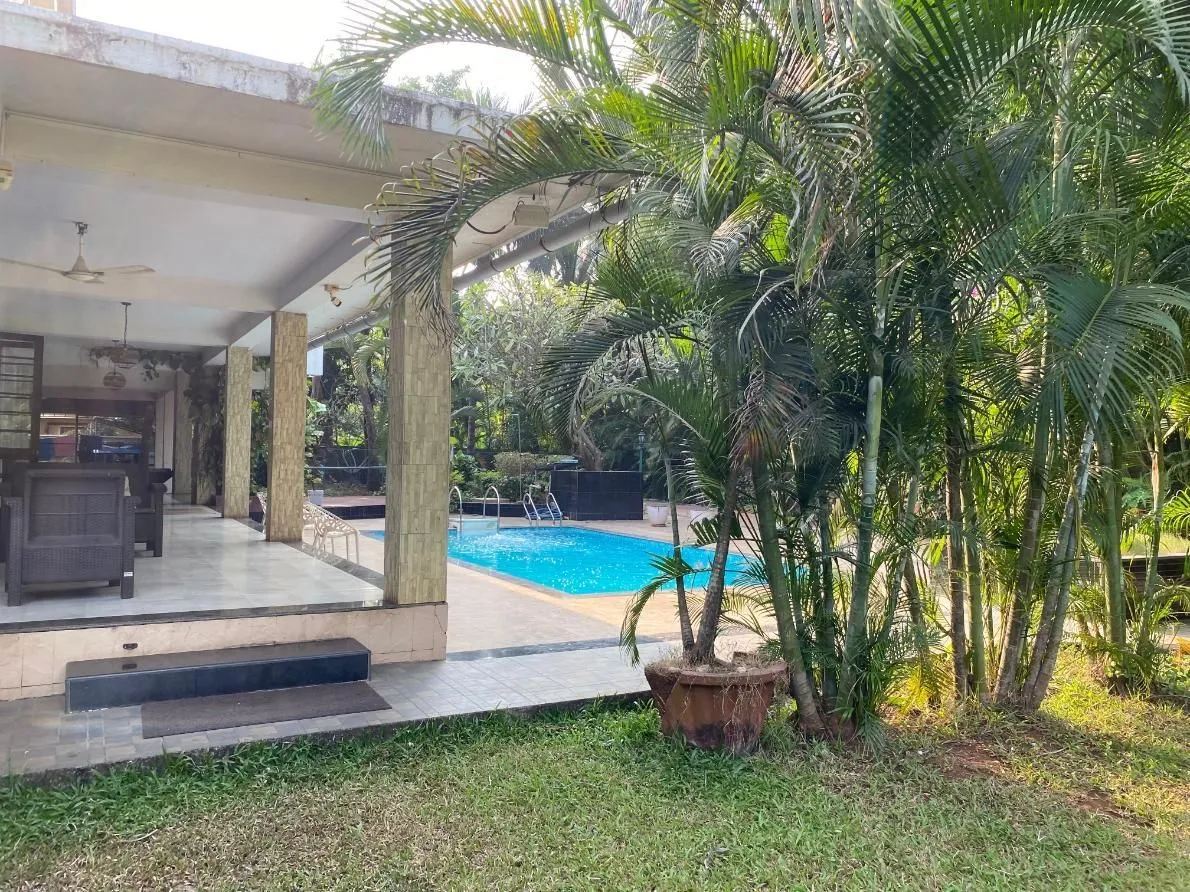
- Integrated Amenities: Modern villa projects are no longer isolated homes. They are part of premium gated communities offering clubhouses, private pools, 24/7 security, and sustainable features like solar heating and rainwater harvesting.
Chronology: From Pensioner’s Bungalows to Smart Villas
To understand the current boom, one must look at the evolution of Pune’s residential architecture:
- The 1980s-90s: The "Bungalow Era." Areas like Prabhat Road, Model Colony, and Koregaon Park were dotted with independent family homes. These were largely owner-built on ancestral plots.
- The 2000s: The "IT Explosion." The sudden influx of professionals led to a massive demand for quick housing, resulting in the apartment boom in areas like Baner, Wakad, and Kharadi.
- 2010-2019: The "Township Phase." Large-scale developers focused on mega-townships (e.g., Magarpatta City, Amanora) where villas were a niche, high-priced offering.
- 2020-Present: The "Space Renaissance." The COVID-19 pandemic acted as a catalyst. The "cramped" feeling of high-rises during lockdowns pushed the middle and upper-middle class to seek independent dwellings. This led to the rapid development of villa clusters in the "New West" (Wakad, Punawale) and the "New East" (Wagholi, Bakori).
Supporting Data: Geographic Deep-Dive and Pricing Trends
Choosing the right location is the most critical decision for a villa buyer. Here is an analysis of the top-performing micro-markets in Pune.
1. Koregaon Park: The Pinnacle of Prestige
Koregaon Park remains the most coveted address in Pune. Known for its lush greenery and high-end lifestyle, villas here are often considered trophy assets.
- Target Audience: HNIs, Expats, and Industrialists.
- Price Range: Generally starts at Rs. 5 crore and can exceed Rs. 20 crore for bespoke estates.
- Key Feature: Proximity to the city’s best fine-dining, boutiques, and the Osho International Meditation Resort.
2. Baner and Balewadi: The Executive Choice
Strategically located near the Mumbai-Pune Expressway and the Hinjewadi IT Park, Baner offers a sophisticated urban lifestyle.
- Market Status: Established and premium.
- Villa Profile: Mostly 4BHK and 5BHK luxury units within gated communities.
- Connectivity: Excellent access to the upcoming Metro Line 3.
3. Wakad and Punawale: The Growth Corridors
For those looking for a balance between price and proximity to the IT hub, the Wakad-Punawale belt is the "Smart Middle Ground."
- Wakad: Offers a more developed infrastructure with schools and hospitals.
- Punawale: A hotspot for investors. Prices here are more competitive, often ranging from Rs. 80 lakhs to Rs. 1.5 crore for 3BHK villas.
- Growth Driver: Its location on the bypass road makes it ideal for those commuting to Mumbai or Navi Mumbai.
4. Hinjewadi Phase 3: The Work-Life Integration
Once considered a purely commercial zone, Hinjewadi Phase 3 is now seeing residential development.
- Appeal: "Walk-to-work" culture for tech professionals.
- Infrastructure: Rapidly improving roads and the development of high-end retail outlets.
5. Ravet: The Value Play
Ravet is often referred to as the "Gateway to Pune." It serves as a value-for-money destination for those who find Baner or Wakad beyond their budget.
- Price Point: Entry-level villas/row houses starting around Rs. 60-70 lakhs.
- Potential: High rental demand due to the nearby Pimpri-Chinchwad industrial belt.
6. Lavasa: The Leisure Investment
Located about 60 km from Pune, Lavasa offers a hill-station lifestyle.
- Use Case: Primarily second homes or vacation rentals.
- Current Status: While it has faced regulatory and developmental hurdles, the scenic value remains a draw for those seeking a "hill station escape."
Official Responses and Industry Insights
Real estate analysts and industry bodies like CREDAI (Confederation of Real Estate Developers’ Associations of India) have noted the changing consumer sentiment.
"The modern Pune homebuyer is no longer just looking for a roof over their head; they are looking for a lifestyle upgrade," says a senior consultant at a leading real estate firm. "We are seeing a trend where families sell their 2BHK apartments in the congested city center to move into 3BHK or 4BHK villas in the outskirts. They are trading commute time for a significantly higher quality of life."
Developers are responding by acquiring larger land parcels in the PCMC (Pimpri-Chinchwad Municipal Corporation) limits, where FSI (Floor Space Index) regulations allow for more creative horizontal layouts. "The challenge is land cost," notes a developer based in Baner. "To keep villas under the 3-crore mark, we have to move toward the peripheral rings of the city, which is why areas like Ravet and Punawale are seeing such high activity."
Implications: The Future of Pune’s Urban Sprawl
The shift toward villa developments has several long-term implications for Pune’s urban planning and economy:
1. Infrastructure Strain: The movement toward peripheral areas like Punawale and Hinjewadi Phase 3 puts immense pressure on the local government to provide adequate water supply, sewage systems, and road connectivity. The success of these villa hubs depends heavily on the timely completion of the Pune Ring Road and the Metro expansion.
2. Environmental Impact: Horizontal growth consumes more land than vertical growth. There is a growing concern among environmentalists regarding the loss of green cover and the depletion of groundwater in the hills surrounding Pune. Future villa projects will likely face stricter "Green Building" certifications.
3. Economic Diversification: The demand for villas is attracting national-level developers to Pune, bringing in higher standards of construction and design. This competition is likely to stabilize prices in the mid-segment while pushing the boundaries of luxury in the premium segment.
4. The "Second Home" Primary Market: As connectivity improves, the line between "vacation homes" and "primary residences" is blurring. Areas like Mulshi or the outskirts of Wagholi, once considered too far, are now becoming viable for daily commuters, further expanding the city’s boundaries.
Conclusion: Making the Right Choice
Buying a villa in Pune is a multifaceted decision that requires balancing budget, lifestyle needs, and investment timelines. For the status-conscious, Koregaon Park remains the gold standard. For the pragmatic professional, Wakad and Baner offer the best ROI and lifestyle balance. Meanwhile, for the forward-thinking investor, the "value plays" in Punawale and Ravet represent the next frontier of growth.
As Pune continues to expand, the villa market stands as a testament to the city’s resilience and its residents’ desire for a life that is—quite literally—grounded. With prices spanning from Rs. 40 lakhs to the multi-crore bracket, the dream of owning a piece of land in one of India’s most livable cities is more attainable than ever, provided one chooses the location with an eye on the future.
Disclaimer: Real estate market conditions are subject to change. Potential buyers are advised to conduct independent due diligence, verify RERA registrations, and consult with financial advisors before making an investment.
