

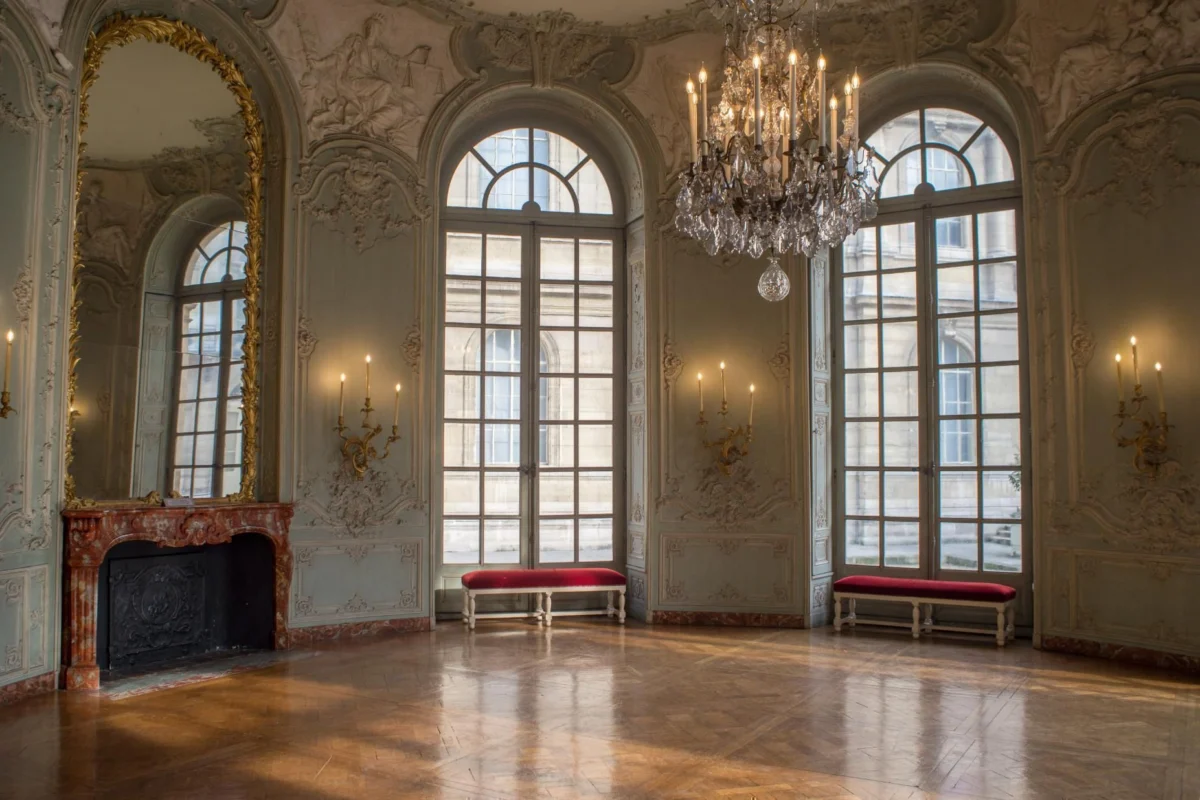
The architectural landscape of the modern home is a confluence of history, functionality, and aesthetic ambition. Among the various elements that define a property’s character, few features are as evocative or enduring as the French window. Historically significant and structurally unique, these windows have transitioned from the grand chateaus of 17th-century France to become a staple of global luxury and contemporary urban design.
This comprehensive guide explores the evolution of French windows, examines fifteen distinct design iterations, and provides expert insights into the maintenance and safety protocols required to preserve their sophisticated allure.
Main Facts: The Essence of the French Window
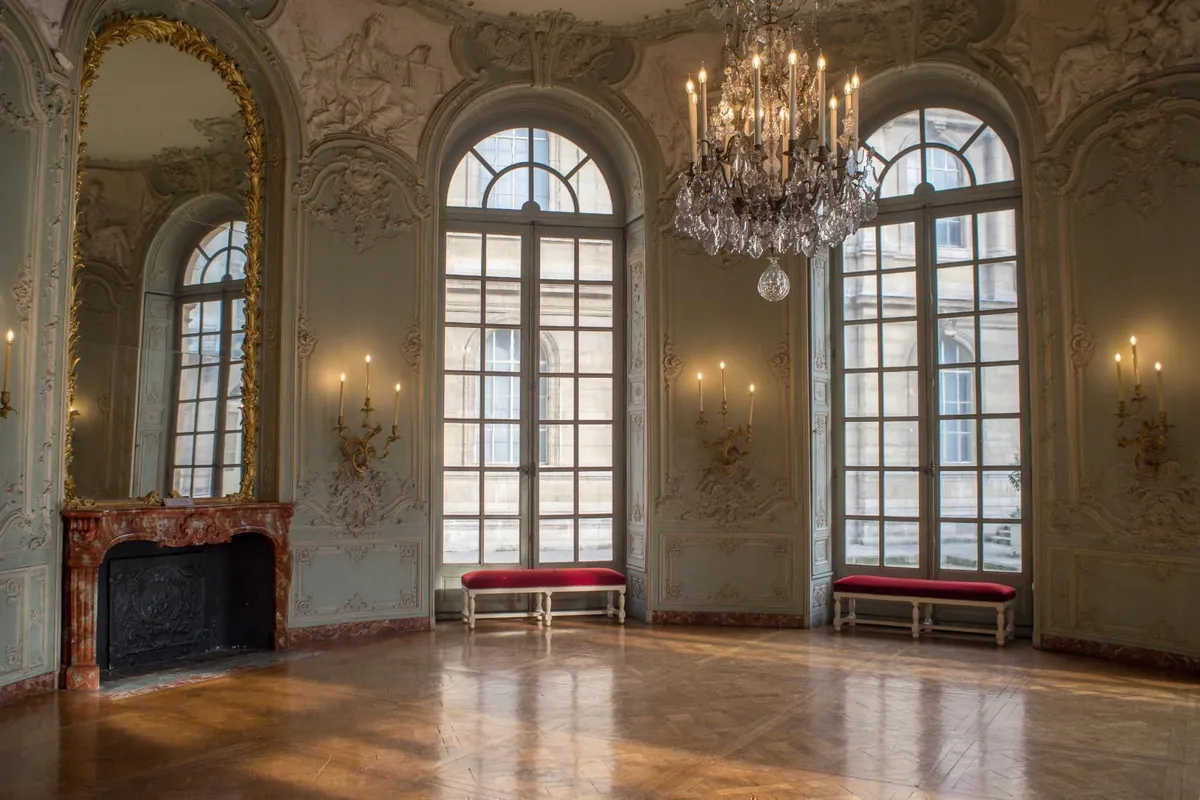
At its core, a French window is often described as a window that functions like a door. Originating in the 1600s, these windows were designed to maximize the entry of natural light during an era before electricity. Characterized by their floor-to-ceiling height and side-hinged panels, they typically open either inward or outward, lacking a central vertical post (mullion) when both panels are open. This creates an unobstructed view and a seamless transition between the interior of a home and the world outside.
The defining features of a French window include:
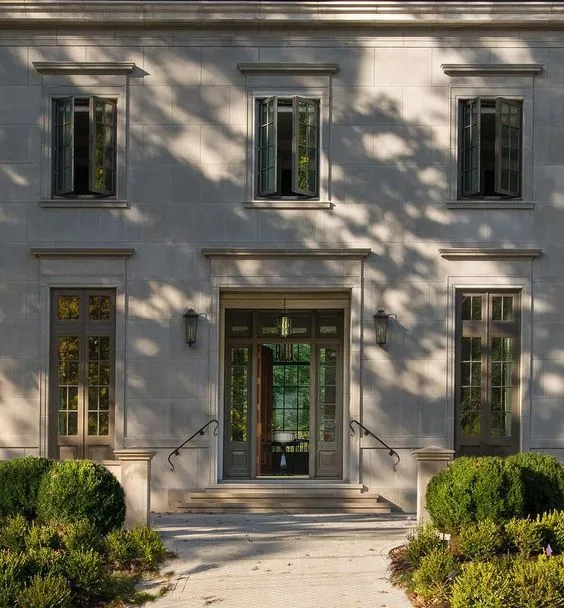
- Proportion: Large, vertical orientations that emphasize ceiling height.
- Glazing: Multiple glass panes, traditionally separated by "muntins" or "simulated divided lites."
- Symmetry: A balanced, dual-panel configuration that offers a sense of order and classical beauty.
- Functionality: Exceptional ventilation capabilities compared to standard sliding or double-hung windows.
Chronology: The Evolution of Light and Glass
The journey of the French window is inextricably linked to the history of glass manufacturing and the Renaissance movement.
- The 17th Century (The Origin): Following the French wars in Italy, French architects were inspired by the Italian Renaissance’s emphasis on light and proportion. They adapted the Italian door concept into a window format, allowing light to penetrate deep into the cavernous rooms of the era.
- The 18th and 19th Centuries (Refinement): As glass-making techniques improved, the size of individual panes grew. The French window became a symbol of status, appearing in the Palace of Versailles and across Parisian apartments during the Haussmann renovation.
- The 20th Century (Modernism): Modernist architects like Le Corbusier embraced the French window’s ability to "dissolve" walls, leading to the development of the "window wall" and larger, single-pane casements.
- The 21st Century (Sustainability): Today, the French window has been reimagined with high-performance materials such as UPVC, aluminum, and double or triple-glazed thermally efficient glass, meeting rigorous modern energy standards while retaining its classic silhouette.
Supporting Data: 15 Iconic French Window Designs
To choose the right French window, one must understand how different configurations impact both the interior ambiance and the exterior facade.
1. Classic French Casement Windows
The quintessential design, these are side-hinged and open outward from the center. They provide a 100% clear opening, making them ideal for emergency egress and maximum airflow.
- Maintenance: Lubricate the hinges annually with a silicone-based spray to prevent squeaking and ensure smooth operation.
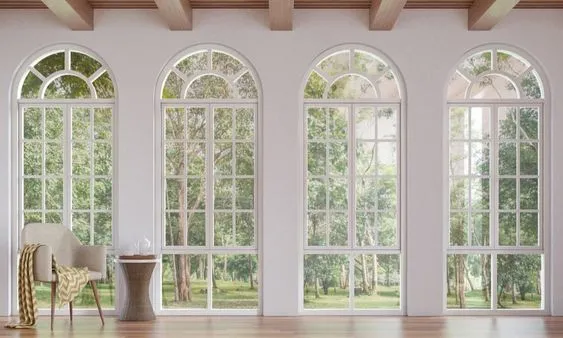
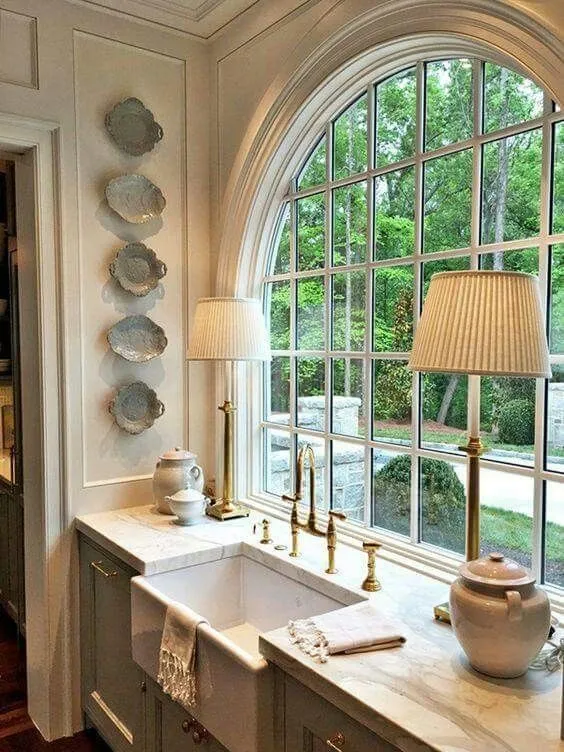
2. Arched French Windows
These windows feature a curved top rail, adding architectural softness to a room. They are frequently used in Mediterranean or Victorian-style homes.
- Maintenance: Inspect the curved seals regularly, as the geometry can sometimes lead to uneven weathering of the weatherstripping.
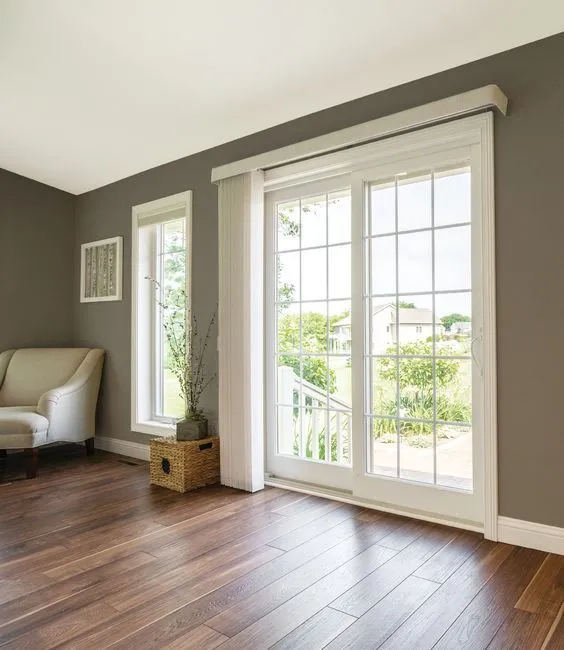
3. Sliding French Windows
A modern hybrid, these offer the look of a French window but operate on a track. This is a space-saving solution for balconies or narrow walkways.
- Maintenance: Keep the bottom tracks free of debris and vacuum them weekly to prevent the rollers from wearing out.
4. Divided-Light French Windows
Utilizing "muntins" to create a grid of smaller glass panes, this style offers a traditional, "cottage" feel.
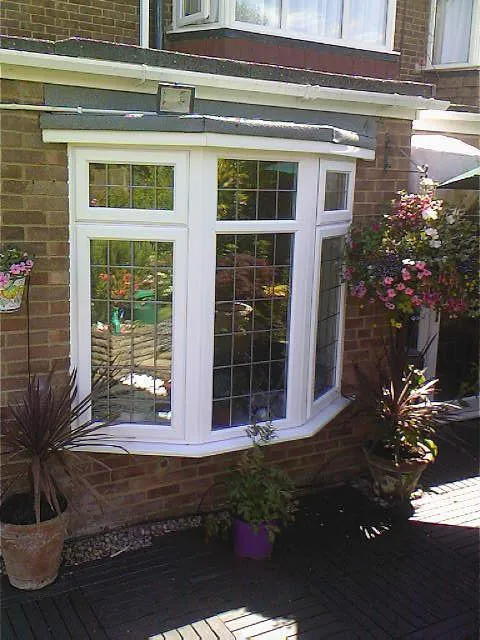
- Maintenance: Cleaning takes longer due to the multiple panes. Use a micro-fiber cloth and a vinegar-water solution to reach the corners of each individual lite.
5. French Bay Windows
This design projects outward from the main wall, creating a "bay" inside the room. It often features a central fixed French window flanked by two angled casements.
- Maintenance: Check the exterior roofing or "cap" of the bay window for leaks, as this area is highly exposed to rainfall.
6. Interior French Windows with Transom
Transoms are horizontal windows placed above the main French window. They allow light to enter even when the main windows are covered by drapes.
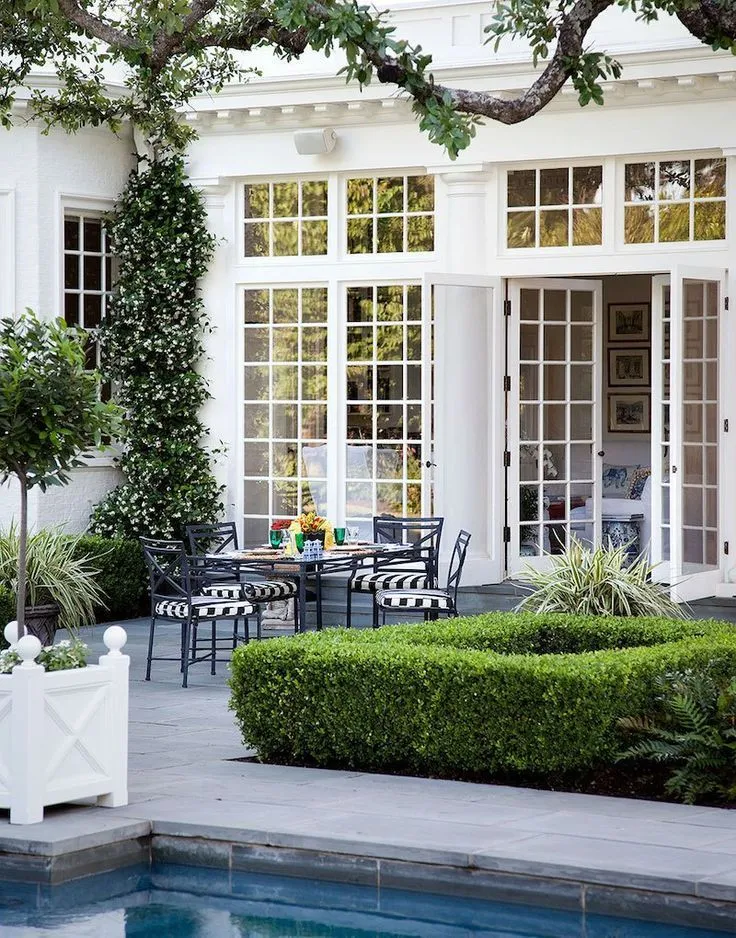
- Maintenance: Use an extendable duster for the transom, as its height makes it a magnet for cobwebs and dust.
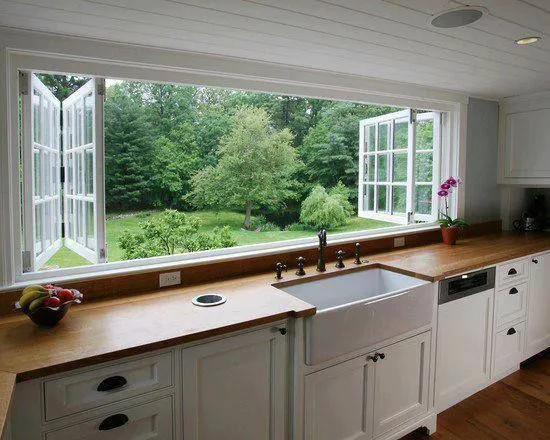
7. Folding French Window Panels
Also known as bi-fold windows, these consist of multiple panels that fold back like an accordion. They are perfect for kitchen "pass-throughs" to outdoor bars.
- Maintenance: The folding mechanism relies on complex pivots; ensure these are checked for alignment every two years.
8. French Louvered Windows
Incorporating adjustable slats, these windows allow for ventilation even during light rain.
- Maintenance: Each slat must be wiped down individually. Check the lever mechanism to ensure it hasn’t become stiff due to oxidation.
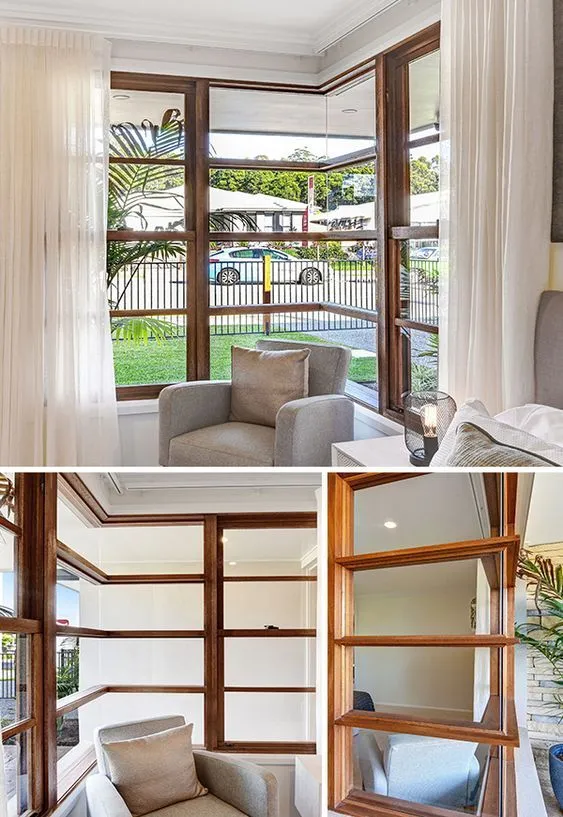
9. Corner French Windows
A feat of modern engineering, these windows meet at a corner, often without a corner post, providing a panoramic 270-degree view.
- Maintenance: Ensure the structural sealant at the corner joint remains intact to prevent air leaks.
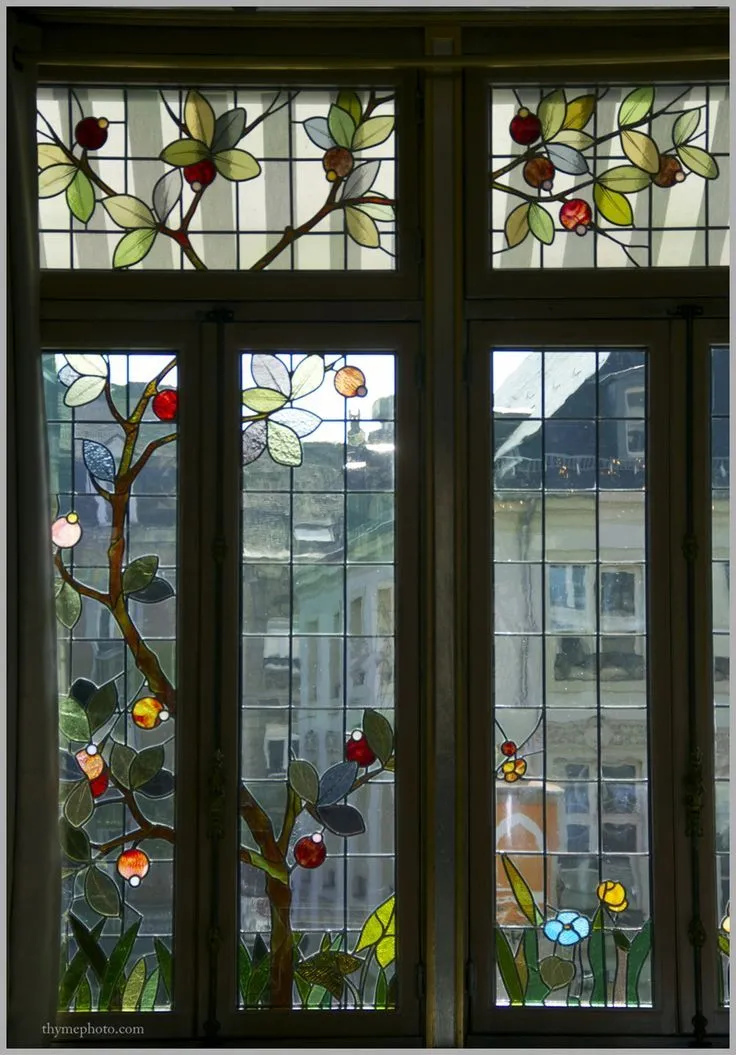
10. Stained Glass French Windows
These incorporate colored glass patterns, often used in foyers or bathrooms for privacy and artistic flair.
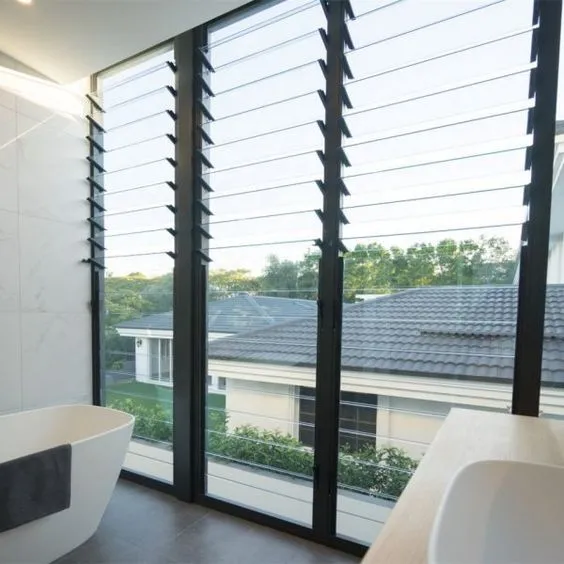
- Maintenance: Avoid harsh chemicals; use only distilled water and a soft cloth to avoid damaging the lead cames or the glass tint.
11. Fixed French Windows
These do not open. They are used purely for aesthetic symmetry and to provide views in areas where ventilation is not required.
- Maintenance: Focus on the exterior seal integrity, as these windows are often forgotten since they aren’t operated daily.
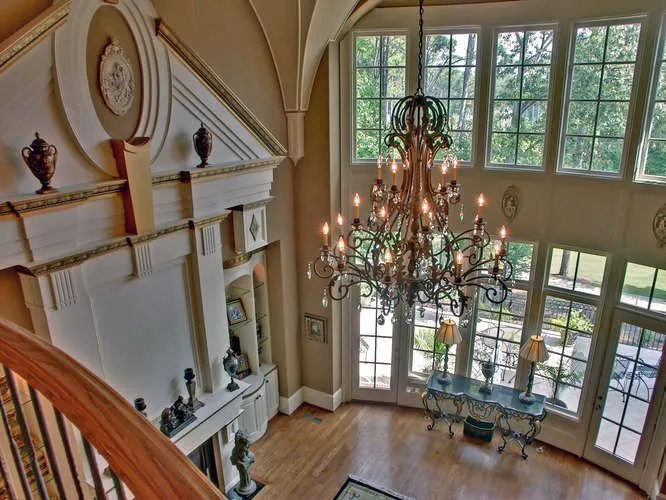
12. Double-Storied French Windows
Common in grand entryways, these windows span two floors, creating a dramatic wall of glass.
- Maintenance: These typically require professional window cleaning services due to the extreme height and safety risks involved.
13. French Colonial Windows
Inspired by 18th-century colonial architecture, these often feature thick wooden frames and a specific 12-over-12 pane pattern.
- Maintenance: Wooden frames require repainting or resealing every 3–5 years to prevent rot and termite infestation.
14. French Skylight Windows
Installed on sloped roofs, these bring the French aesthetic to attics or loft conversions.
- Maintenance: Clear away fallen leaves or snow immediately to prevent "ice damming" and water seepage.
15. Country Style (Rustic) French Windows
Characterized by distressed wood finishes and simple hardware, these are staples of the "Farmhouse" aesthetic.
- Maintenance: Use wood wax to maintain the rustic sheen and protect the timber from drying out in sunlight.
Official Responses: Material Science and Architectural Insights
Architects and industry experts emphasize that the performance of a French window is largely determined by its frame material. According to recent industry reports from the Fenestration and Glazing Industry Alliance (FGIA), the choice of material impacts the lifecycle cost and thermal efficiency of the installation.
- UPVC (Unplasticized Polyvinyl Chloride): Widely recommended by modern contractors for its low maintenance and high thermal insulation. It does not rot or corrode, making it ideal for coastal environments.
- Aluminum: Favored by contemporary architects for its strength-to-weight ratio. Aluminum allows for thinner frames (sightlines) and larger glass spans, though it requires a "thermal break" to prevent heat transfer.
- Timber: The "gold standard" for heritage properties. Experts suggest that while timber offers the best natural insulation and unmatched beauty, it requires the most consistent maintenance schedule.
Technical Specifications: Important Safety Features
Because French windows involve large expanses of glass, safety is a paramount concern for manufacturers and homeowners alike.
Strong Safety Glass
Standard annealed glass is rarely used in modern French windows. Instead, tempered (toughened) glass is used, which is four to five times stronger. In high-security or high-rise applications, laminated glass is preferred, as it remains held together by an interlayer even when shattered.
Secure Locking Systems
Unlike traditional windows that may have a single latch, French windows often utilize multi-point locking systems. These engage bolts at the top, middle, and bottom of the frame, providing significant resistance against forced entry.
Child and Insect Protection
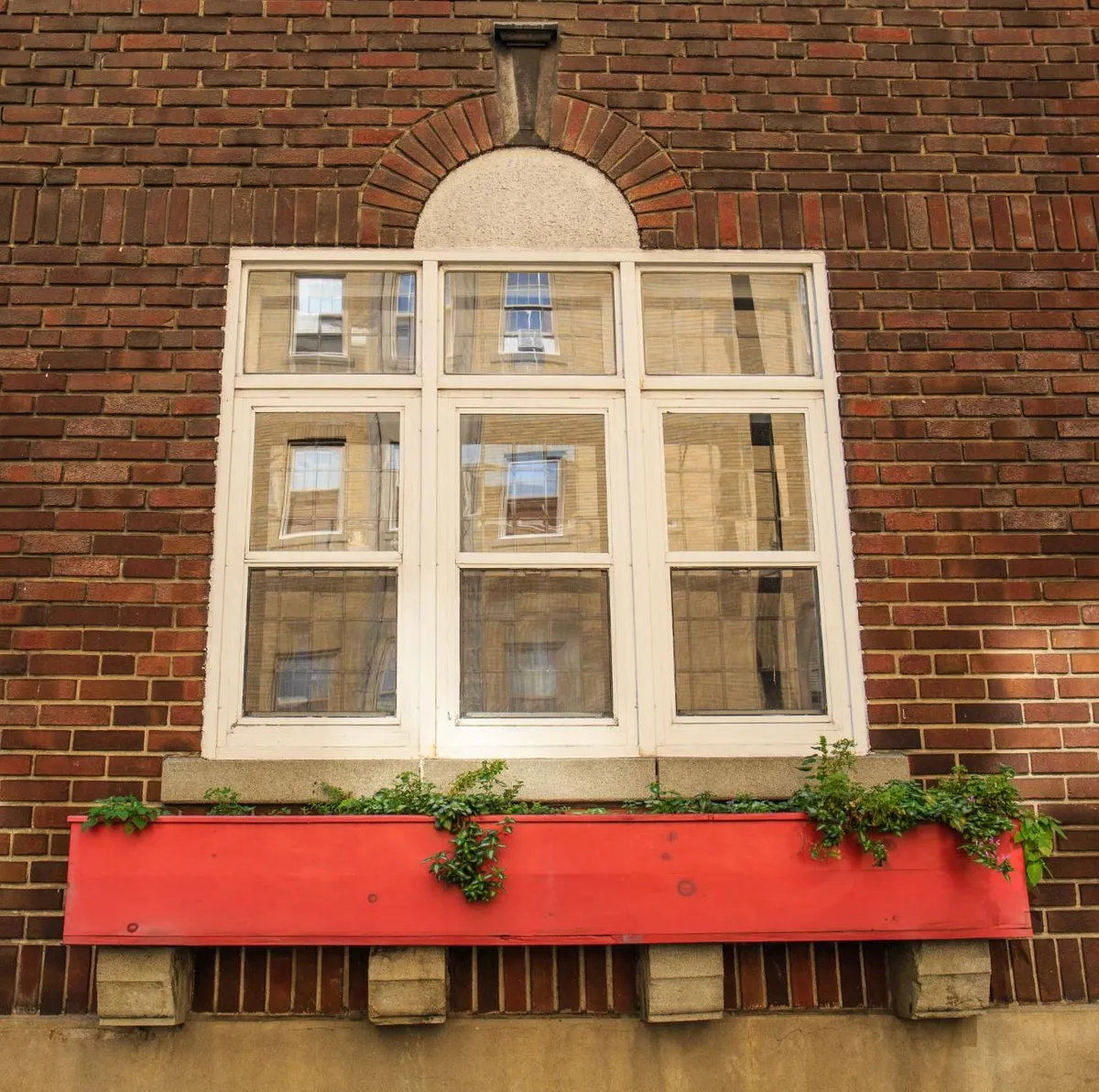
In regions with high insect activity, integrated retractable mesh screens are now a standard addition. Furthermore, opening restrictors are vital for upper-story windows, ensuring they only open a few inches to prevent accidental falls while still allowing airflow.
Implications: The Impact on Lifestyle and Property Value
The decision to install French windows extends beyond mere decoration; it has tangible implications for a property’s market value and the occupants’ well-being.
- Energy Efficiency: With the advent of Low-E (low-emissivity) glass coatings, French windows can now reflect heat back to its source, keeping homes cooler in summer and warmer in winter, leading to a reduction in HVAC costs.
- Psychological Well-being: Increased exposure to natural light has been scientifically linked to improved mood and circadian rhythm regulation. The "open-air" feel of French windows reduces the sense of confinement in smaller urban apartments.
- Real Estate Value: Properties featuring high-quality French windows often command a premium. Appraisers frequently cite "natural light" and "indoor-outdoor flow" as top selling points for luxury residential real estate.
Conclusion
From their 17th-century origins to their current status as a pinnacle of home design, French windows represent a perfect marriage of form and function. Whether one opts for the rustic charm of a country-style frame or the sleek lines of a double-storied aluminum installation, these windows do more than just fill a hole in the wall—they frame the world, invite the outdoors in, and elevate the daily living experience. By following a dedicated maintenance regimen and prioritizing modern safety features, homeowners can ensure that these elegant architectural features remain a source of pride for decades to come.
