

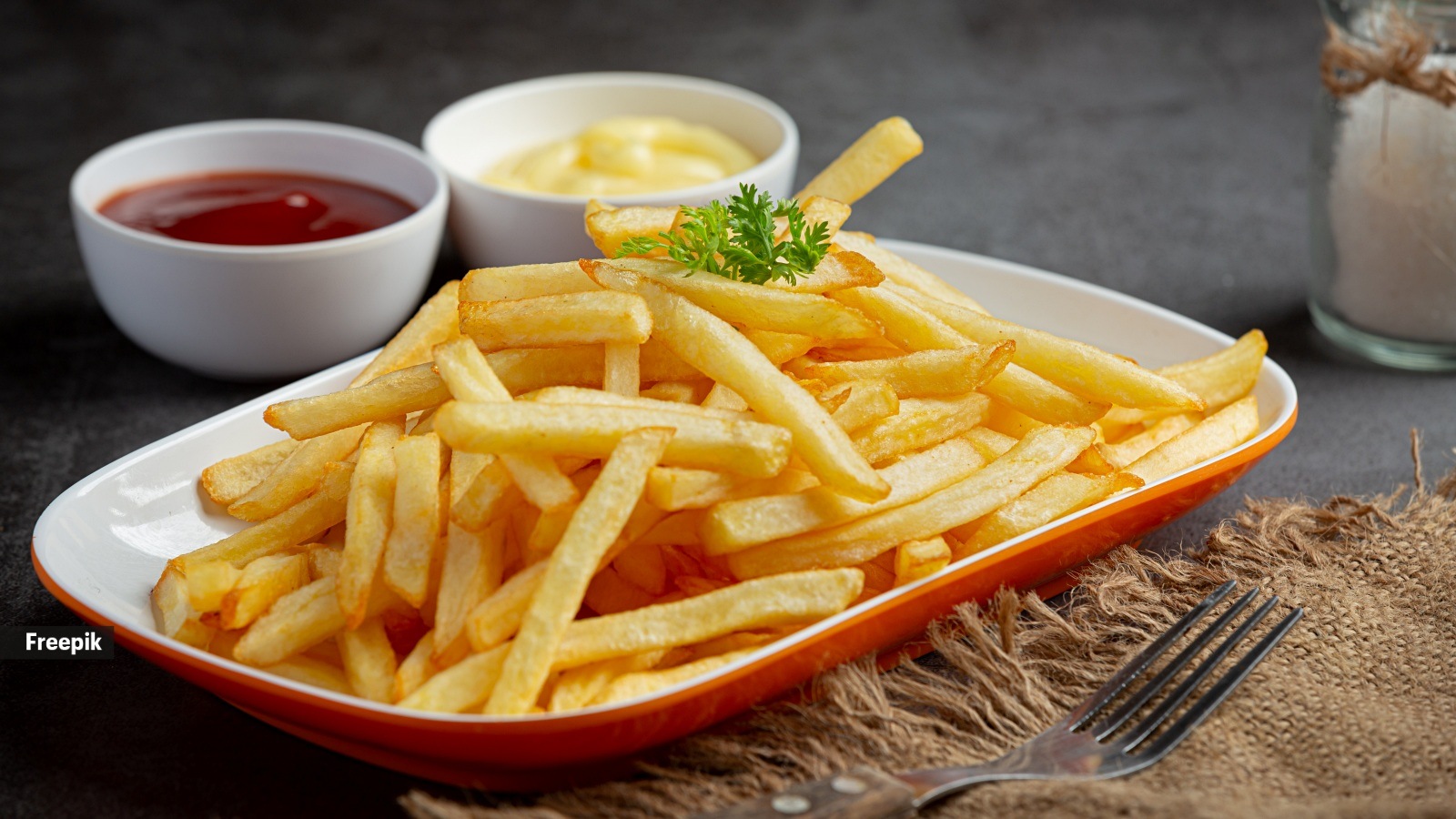
Few culinary delights command as much universal adoration as a plate of perfectly prepared French fries. Whether served as a humble side to a burger, a gourmet accompaniment in a high-end bistro, or a late-night comfort snack, the French fry is a global icon of texture and taste. The ideal fry is a study in contrasts: a shatteringly crisp, golden-brown exterior that gives way to a light, fluffy, and almost buttery interior.
However, for many home cooks, replicating this restaurant-quality result remains an elusive goal. Despite using the same basic ingredients—potatoes, oil, and salt—the domestic kitchen often produces fries that are limp, greasy, or unevenly cooked. To bridge this gap between amateur effort and professional mastery, we consulted three leading culinary experts: Celebrity Chef Gautam Kumar, Chef Rishita Bhalla of CYK Hospitalities, and Chef Ranjan Majumdar, Executive Chef of Mayfair Spring Valley Resort. Their insights reveal that the secret to the perfect fry lies not in the ingredients themselves, but in a rigorous adherence to technique, temperature control, and a deep understanding of food chemistry.
I. Main Facts: The Anatomy of a Perfect Fry
The fundamental challenge in frying a potato is managing its high water content. A potato is approximately 80% water. When subjected to high heat, this water turns into steam. If that steam is trapped within the potato or if the exterior does not dehydrate quickly enough to form a crust, the result is a "soggy" fry.
According to the experts, the "Soggy Fry Syndrome" is usually the result of three primary failures:
- Incorrect Potato Selection: Using waxy potatoes instead of starchy ones.
- Inadequate Moisture Management: Failing to remove surface starch and internal moisture.
- Single-Stage Frying: Attempting to cook the fry in one go rather than using the professional "double-fry" method.
Professional chefs view French fry preparation as a multi-stage engineering project. From the moment the potato is selected to the second it is salted, every variable—from the starch-to-water ratio to the specific degree of the oil—must be calibrated to ensure structural integrity and the desired "crunch factor."
II. Chronology: The Lifecycle of a Professional French Fry
To understand how a restaurant achieves its signature texture, one must follow the chronological journey of the potato from the pantry to the plate.
1. The Selection Phase
The process begins long before the stove is lit. Chefs emphasize that not all potatoes are created equal. The "Russet" or "Idaho" potato is the industry standard. These varieties are high in starch and low in moisture. Chef Gautam Kumar explains that high starch is essential because it is the starch that dehydrates to form the rigid, crispy lattice of the fry’s crust.
2. The Preparation and Soaking (45 Minutes)
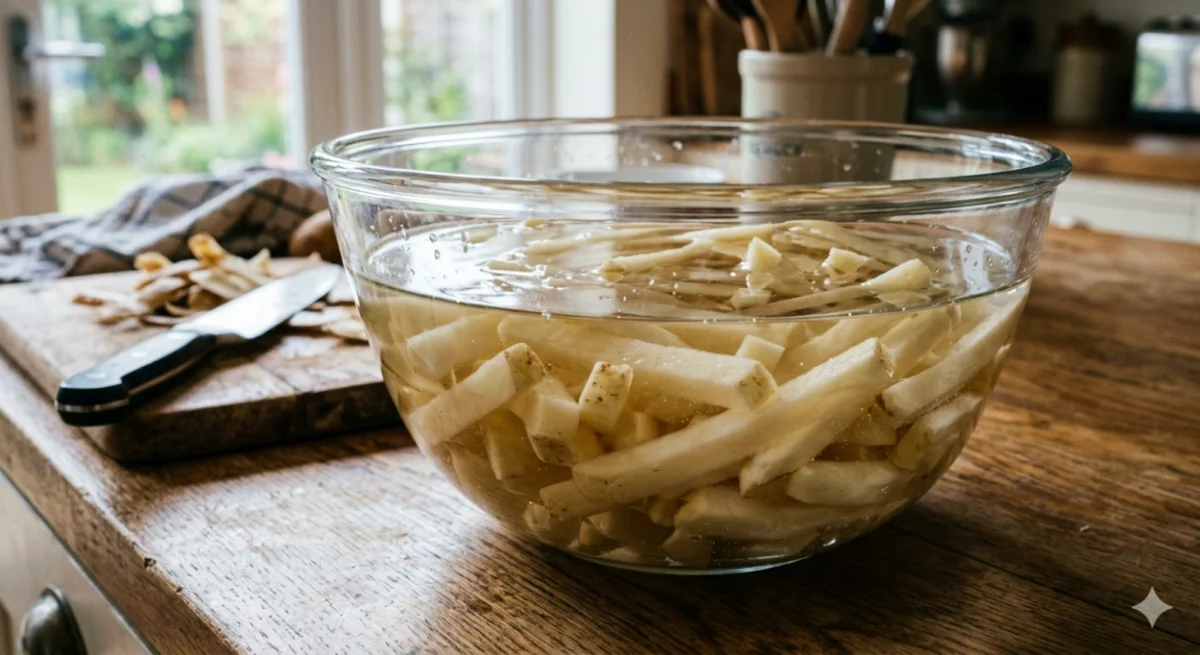
Once sliced into even batons (typically 1/4 to 3/8 of an inch), the potatoes must be soaked. This is not merely for cleaning; it is a chemical necessity. Soaking the cut fries in cold water for 40 to 45 minutes leeches out excess surface starch. If left on the potato, this surface starch would burn quickly in the oil, leading to fries that look cooked on the outside but remain raw and dense on the inside.
3. The Dehydration Phase
After soaking, the fries must be dried with absolute precision. Any residual water on the surface of the potato will cause the oil temperature to plummet and create steam that prevents the oil from sealing the exterior. Professional kitchens often use centrifugal driers or pat the fries dry with lint-free towels before allowing them to air-dry further.
4. The First Fry: The "Blanch" (140°C – 150°C)
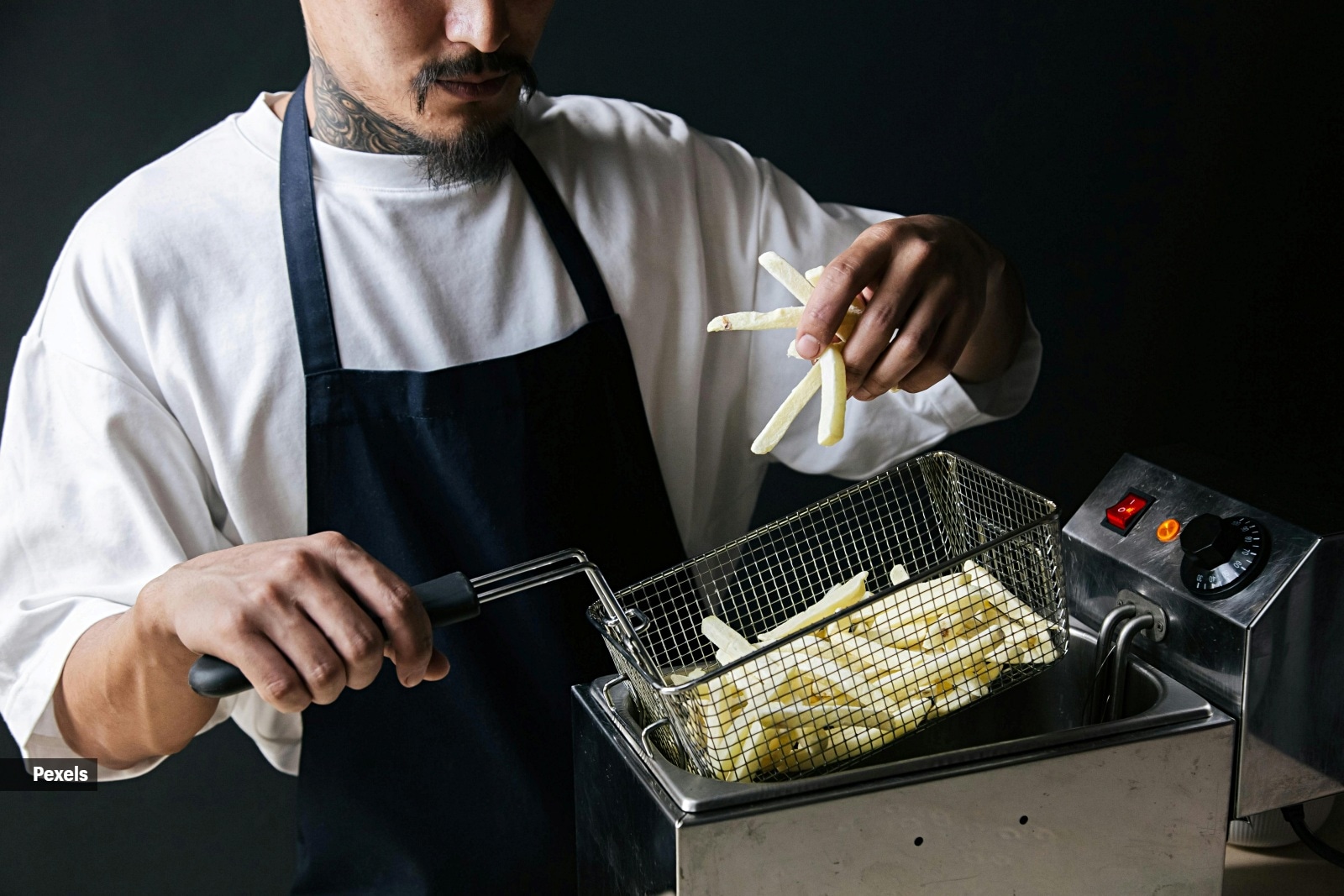
The first stage of cooking is known as blanching. The fries are submerged in oil at a relatively low temperature (around 140°C to 150°C). During this phase, the potato is cooked through to the center. The starch granules swell and gelatinize, creating the soft, mashed-potato-like interior. At this stage, the fry should be pale and limp, not brown.
5. The Cooling/Freezing Interval
In many high-end establishments, the fries are cooled or even frozen after the first fry. Freezing is a "secret weapon" that further dehydrates the potato. The ice crystals that form inside the potato rupture the starch cells, which, when fried a second time, creates an even lighter and fluffier texture.
6. The Second Fry: The "Crisp" (180°C – 190°C)
The final step occurs just before serving. The fries are dropped into much hotter oil (180°C to 190°C). This stage triggers the Maillard reaction and rapid dehydration of the surface, creating a brittle, golden-brown crust in a matter of minutes.
III. Supporting Data: The Science of Starch and Heat
To understand why these steps are non-negotiable, we must look at the underlying food science.
The Starch Factor
Chef Rishita Bhalla notes that "random choices" in potato selection lead to a failure in structural integrity. This is due to the Amylose vs. Amylopectin ratio. Starchy potatoes (like Russets) are high in amylose. When fried, amylose molecules link together to form a sturdy, crisp network. Waxy potatoes (like Red Bliss or New Potatoes) are high in amylopectin and moisture; they tend to stay "gluey" and fail to form a rigid shell.
The Maillard Reaction
The golden-brown color and "toasty" flavor of a perfect fry are the results of the Maillard reaction—a chemical reaction between amino acids and reducing sugars. This reaction occurs most effectively at temperatures above 140°C. By using the double-fry method, chefs ensure the interior is cooked first (blanching) so that the second fry can focus exclusively on the Maillard reaction without burning the potato.
Oil Temperature and Displacement
A common mistake in home kitchens is overcrowding. When too many cold potatoes are added to a pot of oil, the temperature drops significantly. Chef Ranjan Majumdar points out that if the oil stays below the boiling point of water for too long, the fries will "boil in their own juices." This leads to oil absorption, making the fries greasy rather than crispy. Professional fryers are designed with high "recovery times" to maintain heat, whereas home pans require cooking in small batches to ensure the oil never fills beyond 50% of its capacity.
IV. Official Responses: Expert Insights and Culinary Philosophies
The chefs we interviewed provided specific, actionable advice that differentiates a "good" fry from a "world-class" one.
Chef Gautam Kumar on Sustainability and Selection:
"The foundation of sustainable and high-quality cuisine is understanding your raw materials. Using potatoes with a higher starch content is not just a preference; it’s a requirement for the physics of frying. Waxy potatoes retain moisture, and moisture is the enemy of the crunch. If you start with the wrong potato, no amount of technique can save the dish."
Chef Rishita Bhalla on Technique vs. Ingredients:
"The difference between soggy home fries and shatteringly crisp restaurant fries comes down to technique. Home-style one-stage frying is a trap. It results in a dark, burnt exterior with a dense, raw interior that is simply not edible. The second stage of frying is what gives that rapid, intense browning and the brittle crispness consumers crave."
Chef Ranjan Majumdar on the Physics of Heat:
"Temperature control is everything. Once the fries come out of the 140°C blanching, they must be dropped back into oil at 180°C to 190°C. At home, people often overcrowd the pan. This causes the fries to lose their structural integrity. My advice? Small batches, high heat, and salt immediately. The salt needs the residual surface oil to adhere properly."
V. Implications: The Future of the French Fry and Home Cooking
The quest for the perfect French fry has implications beyond the kitchen. It reflects a broader consumer trend toward "gourmetizing" comfort foods. As home cooks become more sophisticated, the demand for professional-grade tools—such as digital thermometers, air fryers, and high-smoke-point oils (like peanut or rice bran oil)—has surged.
The Air Fryer Revolution
The rise of the air fryer has attempted to democratize the "perfect fry" by using convection heat to mimic the dehydration of deep frying. However, even in an air fryer, the chefs’ rules apply: you must still soak the potatoes to remove starch and dry them thoroughly to achieve a semblance of the traditional crunch.
Health and Nutrition
While the French fry is often criticized for its caloric density, the "chef’s method" of double-frying at the correct temperatures actually results in less oil absorption than the "soggy" home method. When the oil is hot enough, the steam escaping the potato creates a positive pressure barrier that prevents the oil from soaking into the center.
Summary of Best Practices for the Home Cook:
- The Potato: Always choose Russet or high-starch varieties.
- The Soak: 40 minutes in cold water is mandatory to remove surface starch.
- The Dry: Use a kitchen towel; the potato must be bone-dry before it hits the oil.
- The Double-Fry: Blanch at 150°C, rest, and then crisp at 190°C.
- The Batch: Never fill your frying vessel more than halfway.
- The Finish: Salt immediately while the fries are screaming hot, and never cover them with a lid, as the steam will immediately turn your hard-earned crunch into mush.
By understanding the chemistry of starch and the physics of heat, the "mystery" of the restaurant fry is solved. It is not magic; it is a disciplined application of culinary science.
DISCLAIMER: This article is based on information from the public domain and the experts interviewed. Always consult your health practitioner before starting any routine or making significant changes to your diet.
