

Main Facts: The Anatomy of a Nutritional Powerhouse
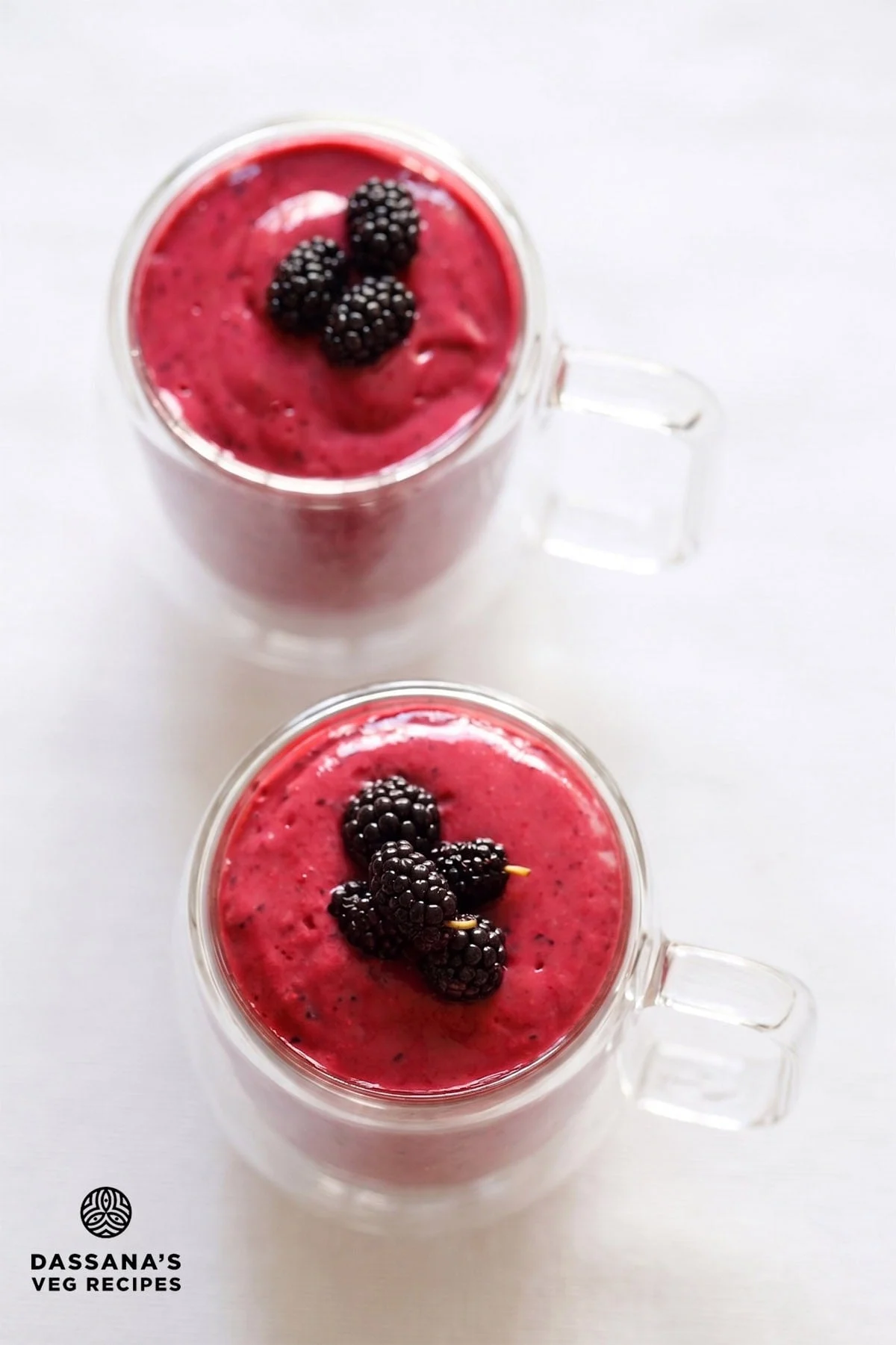
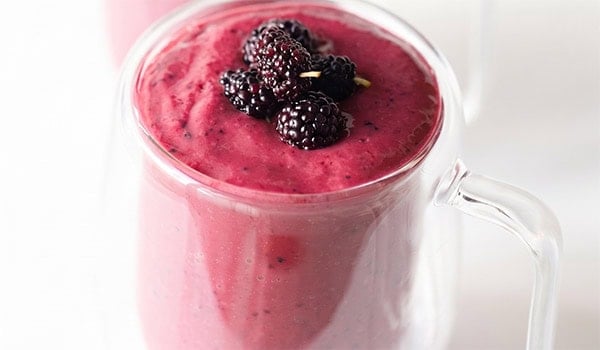
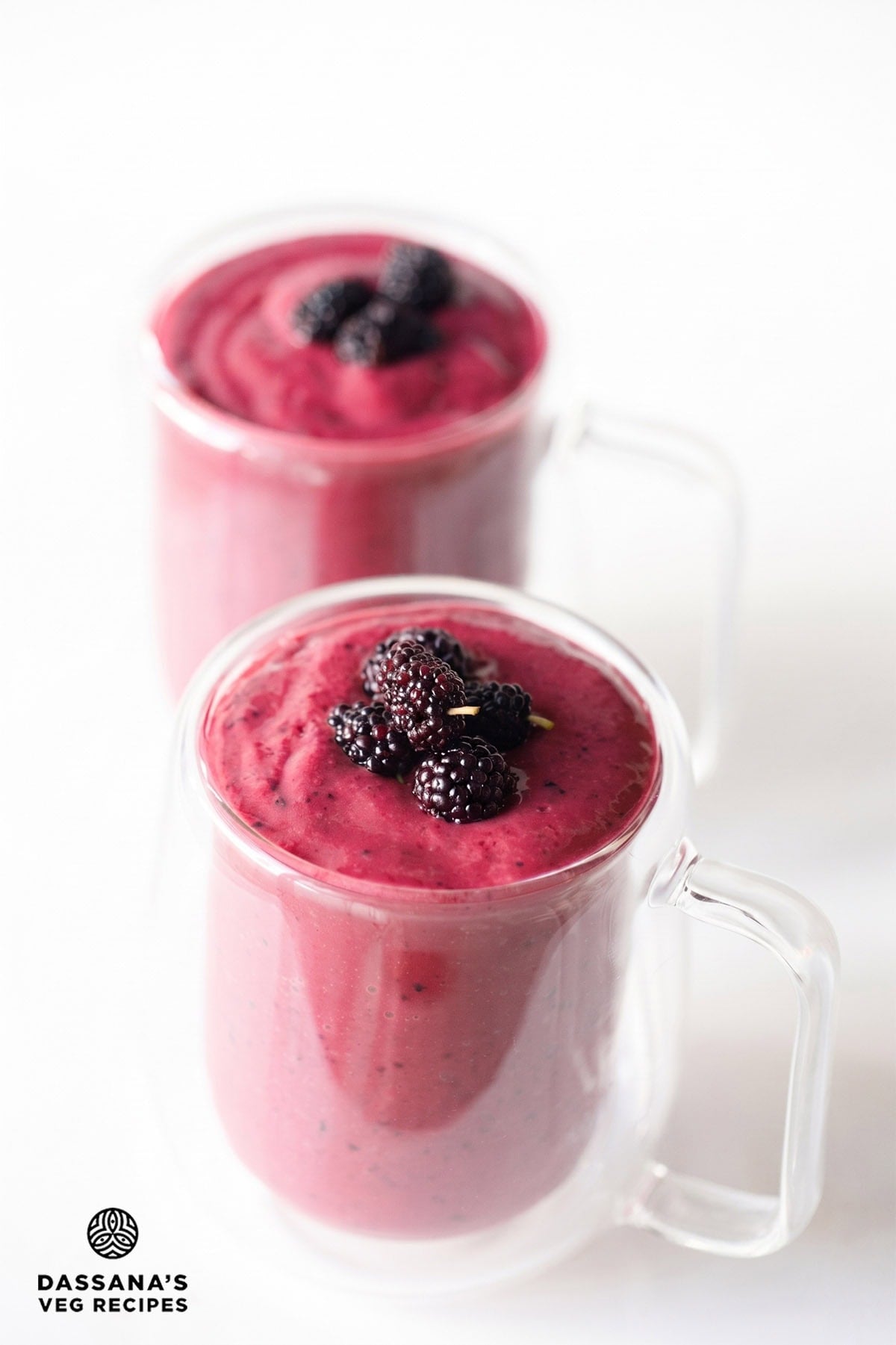
In the contemporary landscape of health and wellness, the "berry smoothie" has transcended its origins as a simple blended beverage to become a cornerstone of the modern breakfast paradigm. Characterized by its thick, creamy texture and vibrant antioxidant profile, the cafe-style mixed berry smoothie represents a sophisticated intersection of culinary art and nutritional science.
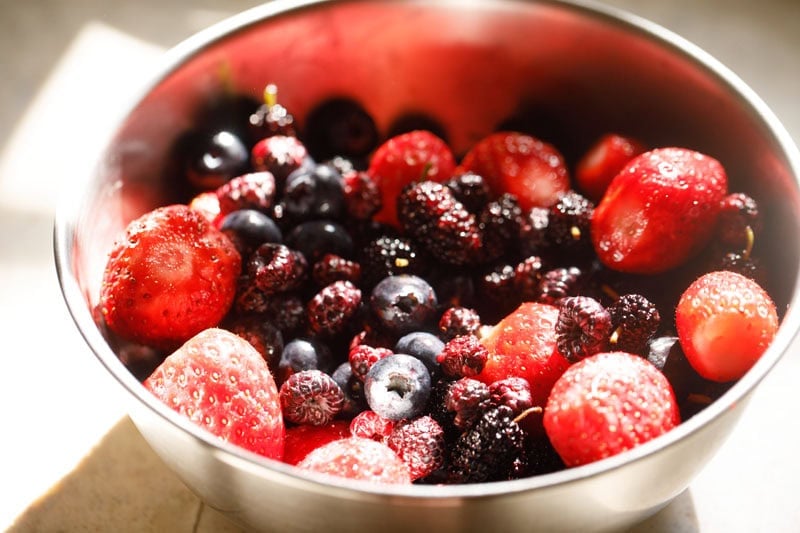
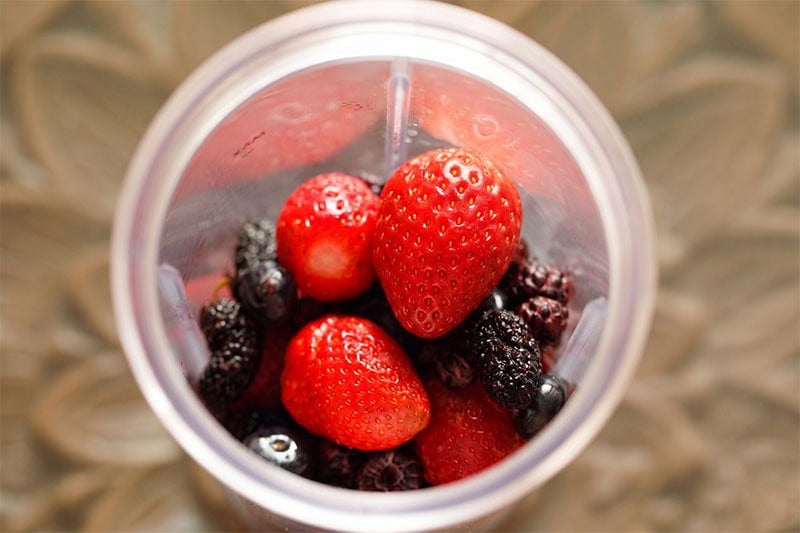
Recent data highlights a specific formulation that has gained traction among nutritionists and home chefs alike: a blend of strawberries, blueberries, mulberries, and black raspberries, bolstered by the structural integrity of Greek yogurt and the natural emulsification properties of the banana. This specific combination is not merely a matter of taste; it is a calculated effort to balance acidity, sweetness, and mouthfeel while delivering a concentrated dose of micronutrients.
The standard "Berry Blast" profile typically yields approximately 207 calories per serving, offering a robust 7 grams of dietary fiber and 8 grams of protein. These figures position the smoothie as a viable meal replacement or a high-performance recovery drink. As the global smoothie market continues to expand—projected to reach multi-billion dollar valuations by the end of the decade—the focus has shifted from high-sugar, juice-based blends to "whole-food" compositions that utilize frozen or fresh berries to maintain fiber integrity.
Chronology: From 1920s Innovations to the "Cafe-Style" Era
The trajectory of the berry smoothie is intrinsically linked to the technological evolution of the kitchen and the shifting cultural attitudes toward health.
The Early 20th Century: The Mechanical Genesis
The precursor to the modern smoothie began in the early 1920s with the invention of the electric blender by Stephen Poplawski. Initially intended for soda fountain drinks and malted milks, the technology eventually allowed for the pulverization of tough-skinned fruits. By the 1930s, the "Waring Blendor" popularized the concept of "liquefied" food, though these early iterations were often heavy on dairy and refined sugars.
1960s–1980s: The Health Food Revolution
The term "smoothie" gained mainstream recognition during the 1960s, coinciding with the rise of the macrobiotic and natural food movements. Health food stores began selling blended fruit drinks as an alternative to processed snacks. During this era, the focus was primarily on "freshness," though the lack of high-quality frozen fruit supply chains limited the texture to a more watery consistency compared to today’s "thick and creamy" standards.
1990s–2010s: The Commercial Explosion
The 1990s saw the birth of major smoothie franchises, which introduced the "smoothie bowl" and "boosted" drinks containing protein powders and wheatgrass. However, these commercial versions often faced criticism for their high caloric content and reliance on fruit concentrates.
2020–Present: The "At-Home Cafe" Movement
The current era is defined by the democratization of high-performance blending technology and a move toward "café-style" drinks made at home. Consumers now prioritize "clean labels," opting for Greek yogurt over artificial thickeners and utilizing diverse berry profiles—such as the inclusion of mulberries and raspberries—to achieve complex flavor profiles once only available in high-end urban juice bars.
Supporting Data: A Deep Dive into Ingredient Synergy
The success of the modern berry smoothie relies on a meticulous balance of ingredients, each serving a functional and nutritional purpose.
The Berry Matrix
- Strawberries (1 Cup): Acting as the bulk of the recipe, strawberries provide natural sweetness and high volumes of Vitamin C (74mg per serving). Their high water content allows for blending without excessive added liquids.
- Blueberries (½ Cup): These are essential for the "body" of the smoothie. Blueberries contain anthocyanins, which provide the deep pigment and have been linked to improved cognitive function.
- Mulberries (½ Cup): Often an overlooked superfood, mulberries add a mild sweetness that softens the tartness of more acidic berries.
- Raspberries (½ Cup): Whether red or black, raspberries introduce a tangy edge. However, their seed content contributes to the "grittiness" of a smoothie; culinary experts suggest limiting them to ¼ cup for those seeking a silkier texture.
The Structural Components
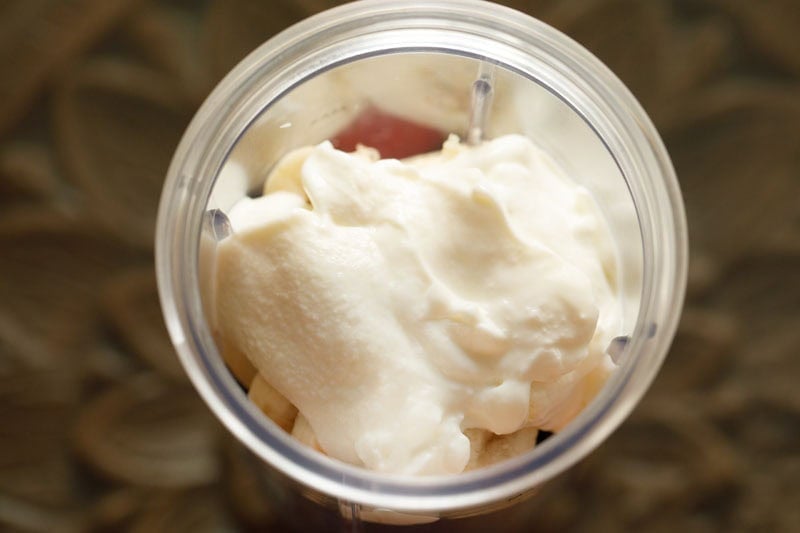
- Greek Yogurt: This is the primary thickening agent. Unlike regular yogurt, Greek yogurt is strained to remove whey, resulting in a higher protein-to-sugar ratio. It provides the "creamy" mouthfeel that distinguishes a smoothie from a juice.
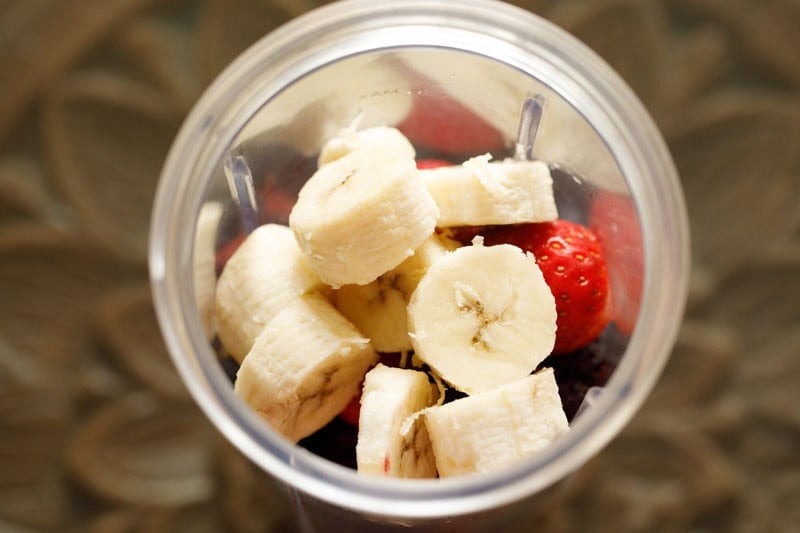
- Banana (½ Cup): The banana serves two roles: as a natural sweetener and as a texture stabilizer. The starch in bananas helps bind the water from the berries to the fats in the yogurt, preventing separation.
Macro and Micro-Nutrient Profile
The nutritional data for this formulation reveals a sophisticated profile:
- Carbohydrates (46g): Primarily complex sugars from whole fruit, paired with 7g of fiber to slow glucose absorption.
- Potassium (639mg): Essential for heart health and muscle recovery.
- Vitamin A & K: Significant traces that support bone health and immune function.
Official Responses: Expert Perspectives on the Smoothie Trend
The medical and culinary communities have offered nuanced perspectives on the rise of the berry smoothie as a dietary staple.
Dietitians’ Perspective:
Registered dietitians generally laud the mixed berry smoothie for its high antioxidant density. However, many issue a "liquefaction warning." Dr. Elena Richardson, a nutritionist specializing in glycemic health, notes, "While the fiber remains in a smoothie—unlike in juicing—the mechanical breakdown of fruit can lead to faster sugar absorption. We recommend the inclusion of Greek yogurt or nut butters to provide fats and proteins that further stabilize blood sugar levels."
The Culinary Industry:
Professional baristas and cafe owners have responded to the "at-home" trend by emphasizing the "frozen vs. fresh" debate. Industry standards suggest that frozen berries are often superior for texture, as they create a "slushy" consistency without the need for ice, which can dilute flavor. "The key to a $12 cafe smoothie is the temperature," says master blender Marcus Thorne. "Frozen fruit provides that frosty, decadent texture that makes a healthy drink feel like a treat."
Plant-Based Advocates:
With the rise of veganism, there has been a significant push for "plant-based" official alternatives. The industry has responded with high-quality almond, cashew, and coconut yogurts that mimic the fermentation and thickness of traditional dairy, ensuring that the berry smoothie remains an inclusive dietary option.
Implications: The Future of Breakfast and Environmental Impact
The proliferation of the berry smoothie carries significant implications for global food systems and consumer behavior.
The Economic Landscape of Berries
The demand for year-round berries has transformed global agriculture. Strawberries and blueberries are now "global traveler" crops. This has led to a massive expansion of the frozen fruit market, which allows consumers to enjoy nutrient-dense produce regardless of the season. This "frozen advantage" also reduces food waste, as "ugly" fruit that would not sell in the fresh produce aisle is often diverted to frozen smoothie mixes.
Sustainability Concerns
The environmental footprint of the smoothie trend is under increasing scrutiny. Berries are water-intensive crops, and the "berry blast" lifestyle often relies on plastic packaging for frozen fruits and yogurt containers. The future of the industry likely lies in more sustainable packaging and the sourcing of "local-frozen" produce to reduce the carbon footprint associated with international shipping.
The Wellness Shift
The transition from cereal and toast to berry smoothies represents a broader shift in Western breakfast habits. As consumers become more "data-driven" with their health—tracking macros and vitamins via apps—the customizable nature of the smoothie makes it an ideal vehicle for personalized nutrition. Whether it is adding chia seeds for Omega-3s or protein powder for muscle synthesis, the berry smoothie has become the ultimate "modular" meal.
In conclusion, the berry smoothie is far more than a cold blended drink. It is a testament to how modern technology and nutritional awareness have converged to create a convenient, nutrient-dense solution for the fast-paced 21st-century lifestyle. As we look forward, the emphasis will likely remain on refining these recipes to maximize bio-availability while addressing the ecological challenges of global fruit production.
