

By Culinary Research Desk
In the evolving landscape of contemporary gastronomy, the resurgence of artisanal home baking has transitioned from a hobbyist trend to a sophisticated culinary movement. Central to this movement is the reimagining of classic staples, most notably the Italian Focaccia. Traditionally characterized by refined white flours and generous applications of fats, the modern iteration of this ancient flatbread is undergoing a nutritional and structural transformation. The latest developments in home-baking methodology emphasize the use of whole wheat flours, organic stone-ground grains, and complex herb infusions, creating a product that bridges the gap between rustic tradition and modern health consciousness.
Main Facts: The Evolution of the Focaccia Standard
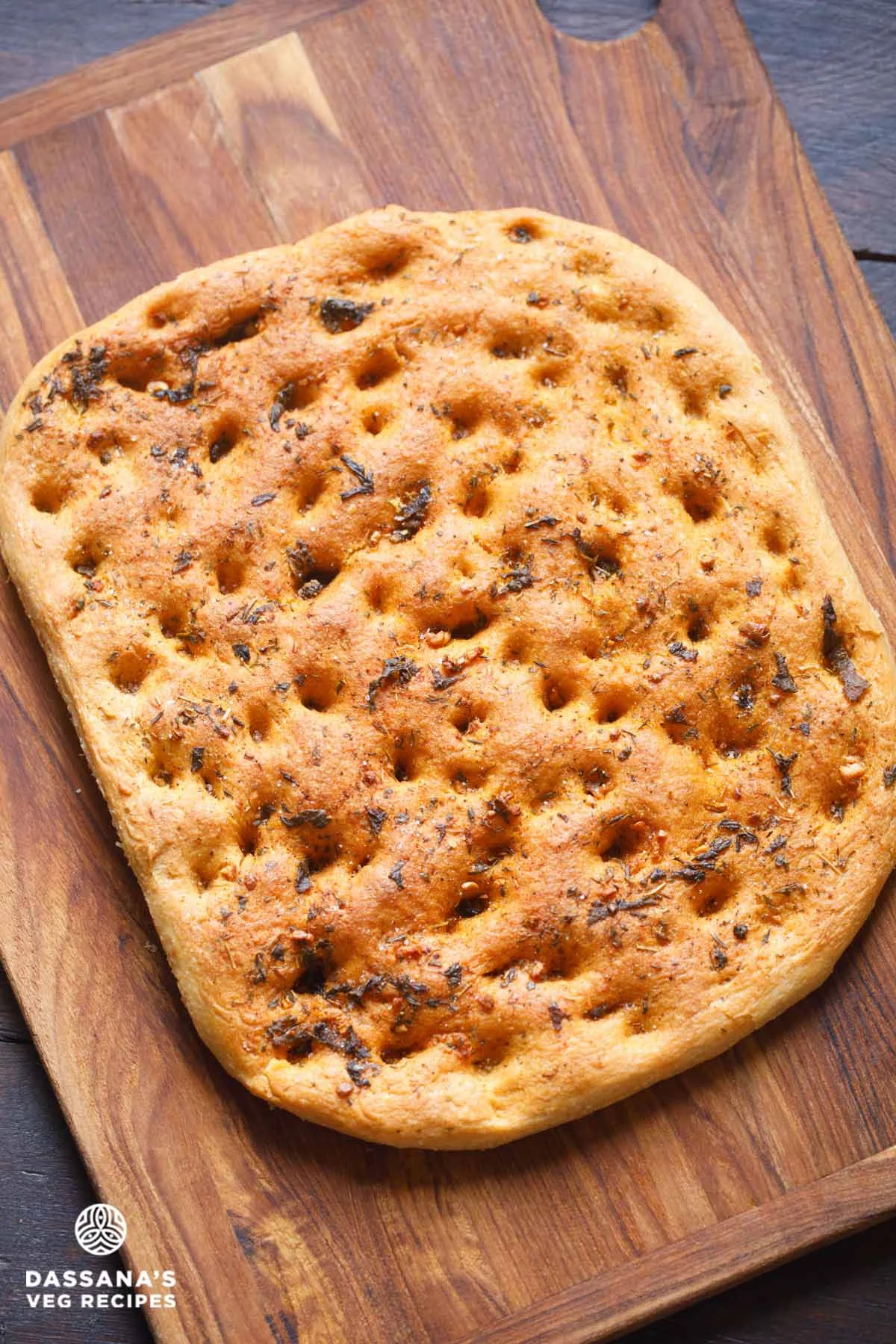
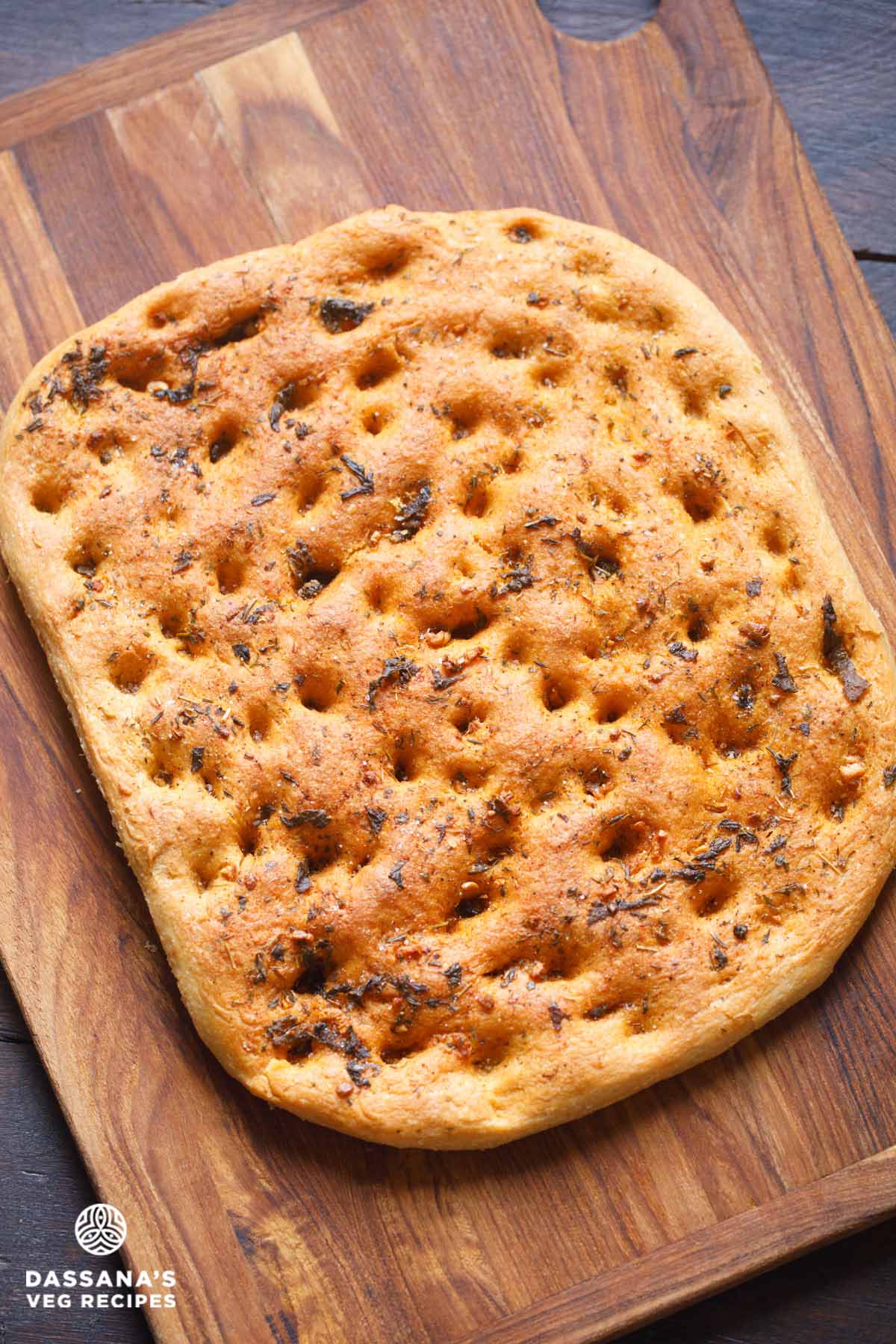
Focaccia, by definition, is a leavened Italian flatbread celebrated for its soft, airy interior, crisp peripheral edges, and signature dimpled surface. While its origins are deeply rooted in the Ligurian region of Italy, the global culinary community has recently focused on enhancing the bread’s nutritional profile without compromising its iconic texture.
The shift toward whole wheat integration represents a significant departure from standard commercial practices. By utilizing stone-ground flour derived from hard durum wheat, bakers are achieving a "light crumb" and "golden crust" that was previously thought exclusive to highly processed all-purpose flours. This artisanal approach prioritizes three core elements:
- Hydration Management: Adjusting water ratios to accommodate the higher absorption rates of whole-grain fibers.
- Aromatic Infusion: The move from simple oil toppings to complex, warm-infused herb oils featuring garlic, basil, parsley, and thyme.
- Structural Integrity: Maintaining the "soft and supple" elasticity of the dough through precise kneading, whether by hand or via stand mixer technology.
The resulting bread serves a dual purpose in the modern kitchen: as a high-fiber accompaniment to liquid-based meals (soups and stews) and as a robust structural base for gourmet sandwiches, bruschetta, and avocado-based artisanal toasts.
Chronology: The Lifecycle of a Whole-Grain Loaf
The production of high-quality whole wheat focaccia is a time-intensive process governed by chemical reactions and fermentation stages. The following chronology outlines the technical progression from raw ingredients to a finished artisanal product.
Phase I: The Leavening Foundation
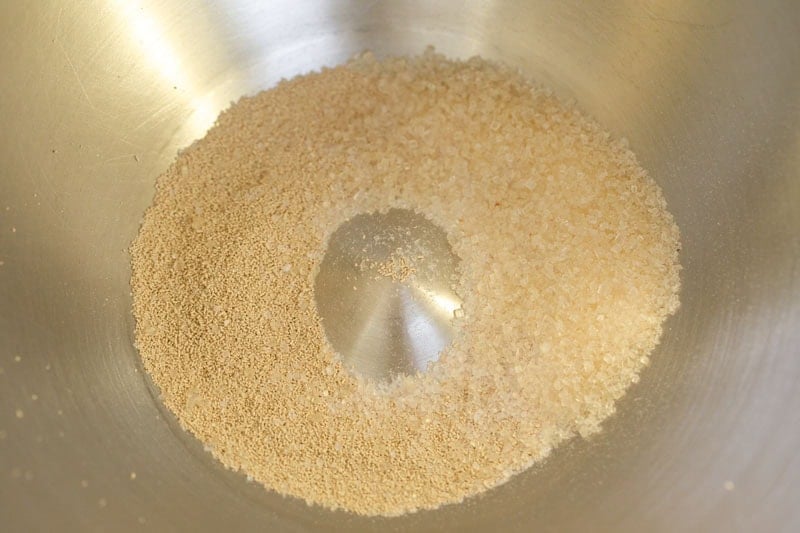
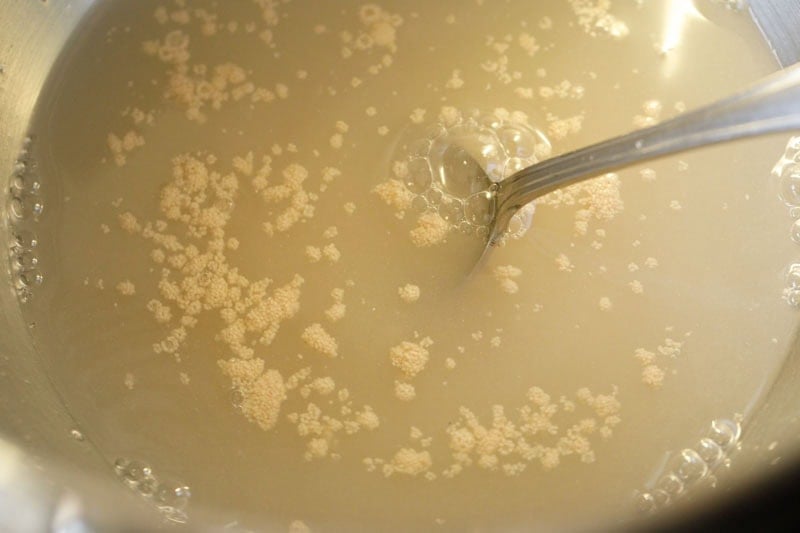
The process begins with the activation of yeast. Utilizing either instant dry yeast or active dry yeast, the baker creates a biological catalyst. When active dry yeast is employed, the "bloom" phase—allowing the mixture to sit in warm water for 10 to 15 minutes—is critical for ensuring the yeast is viable. This stage introduces the initial moisture required to hydrate the whole wheat proteins.
Phase II: Structural Development (Kneading)
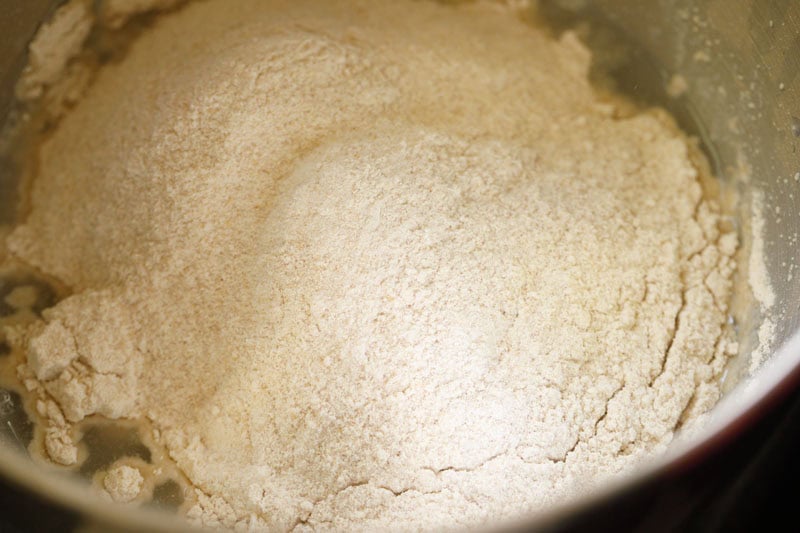
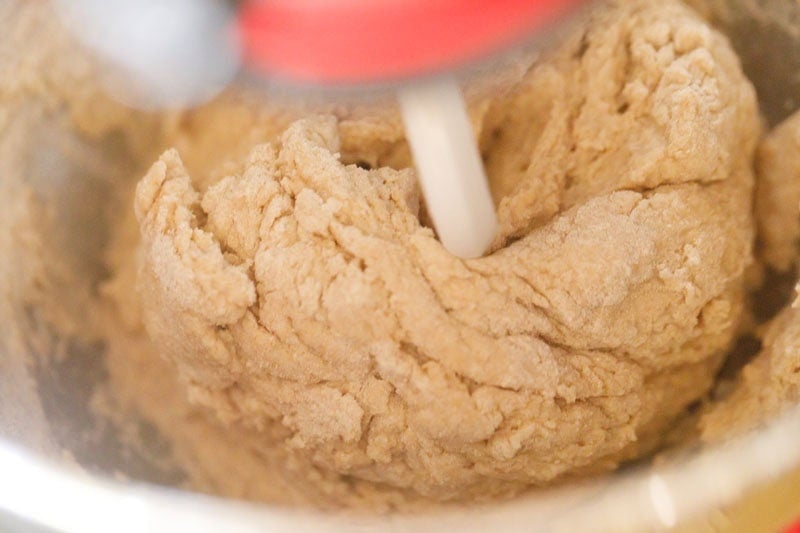
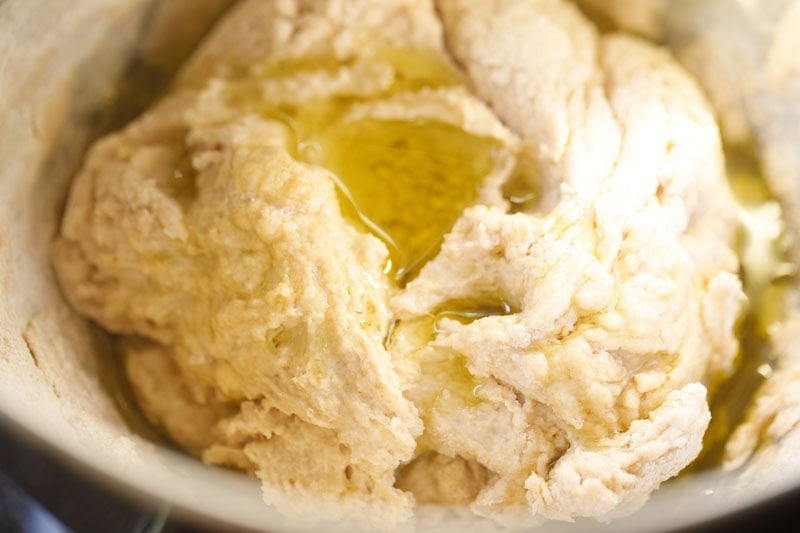
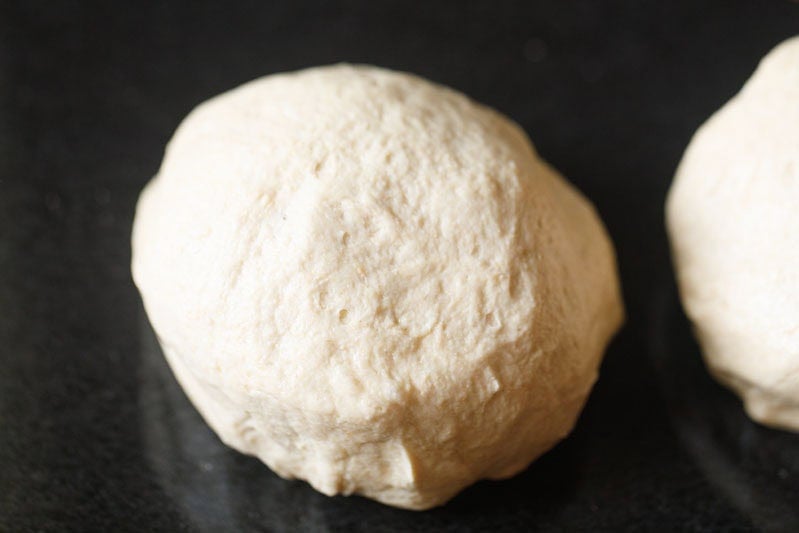
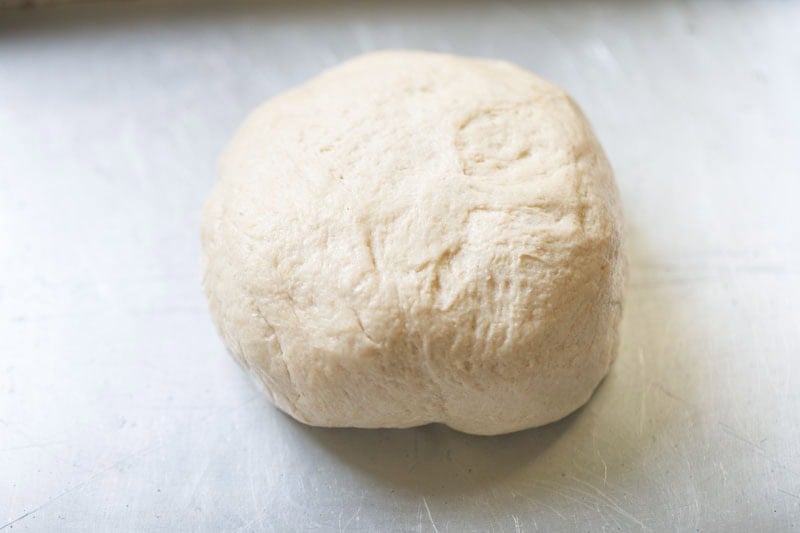
Upon the addition of stone-ground whole wheat flour and salt, the mechanical process of gluten development commences. Using a stand mixer fitted with a dough hook, the mixture is agitated until it reaches a specific rheological state: smooth, elastic, and slightly sticky. It is during this phase that olive oil is integrated, serving as a tenderizing agent that coats gluten strands to ensure the final crumb remains soft despite the presence of bran and germ in the flour.
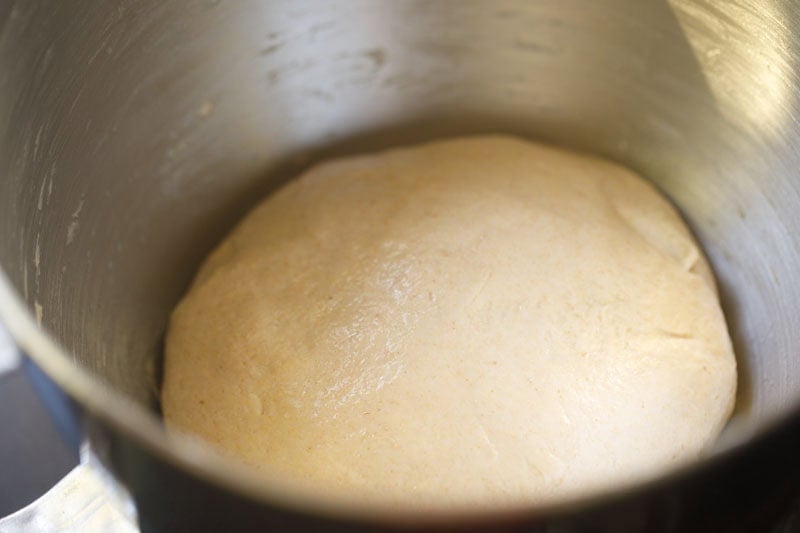
Phase III: The Primary Fermentation
The dough undergoes its first rise (bulk fermentation), typically lasting between 40 and 120 minutes depending on ambient temperature and yeast type. This stage is vital for flavor development, as the yeast consumes sugars and releases carbon dioxide, creating the "airy texture" synonymous with premium focaccia.

Phase IV: The Infusion Synergy
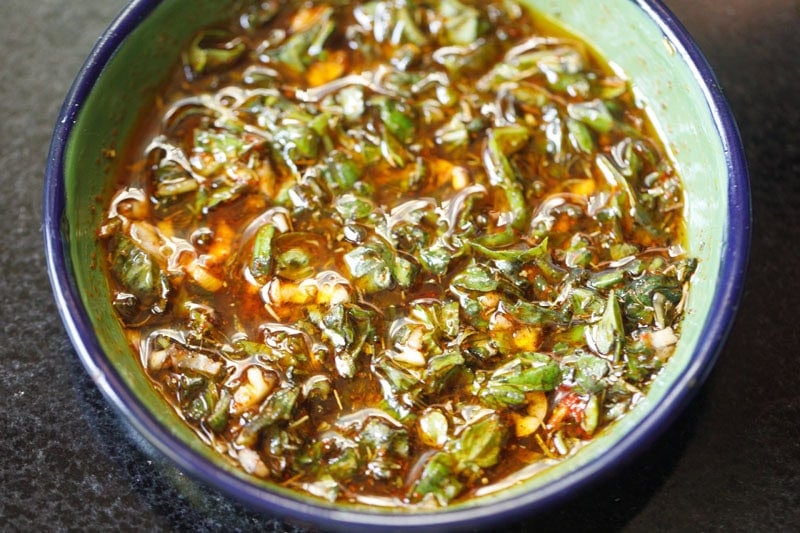
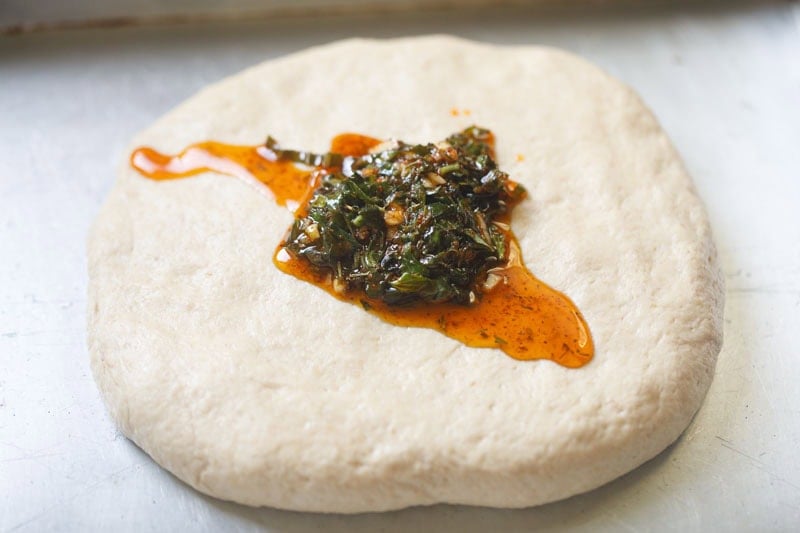
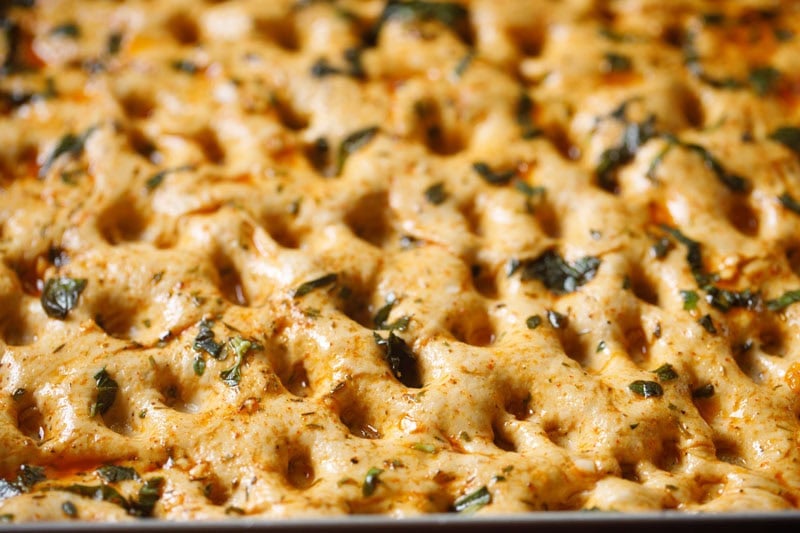
Parallel to the fermentation, the "Herb Garlic Oil" is prepared. Unlike cold-topping methods, the contemporary standard involves warming the olive oil to a precise temperature to facilitate the extraction of volatile oils from fresh basil, parsley, and thyme. Garlic and red chili flakes are steeped in this medium for at least 30 minutes, creating a complex lipid profile that will later penetrate the dough’s dimples.
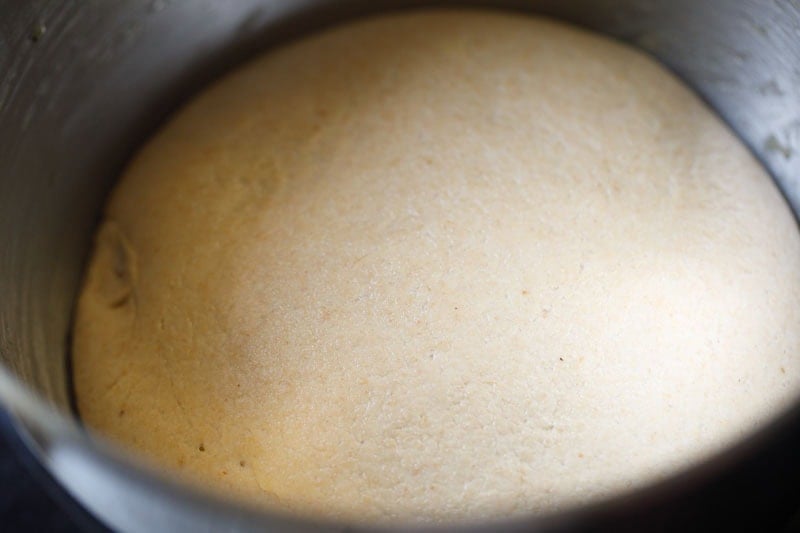
Phase V: Assembly and the "Dimpling" Technique
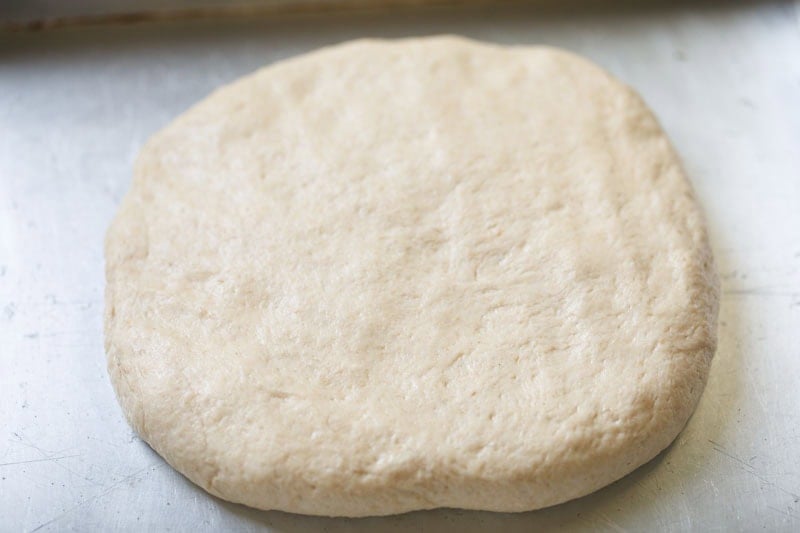
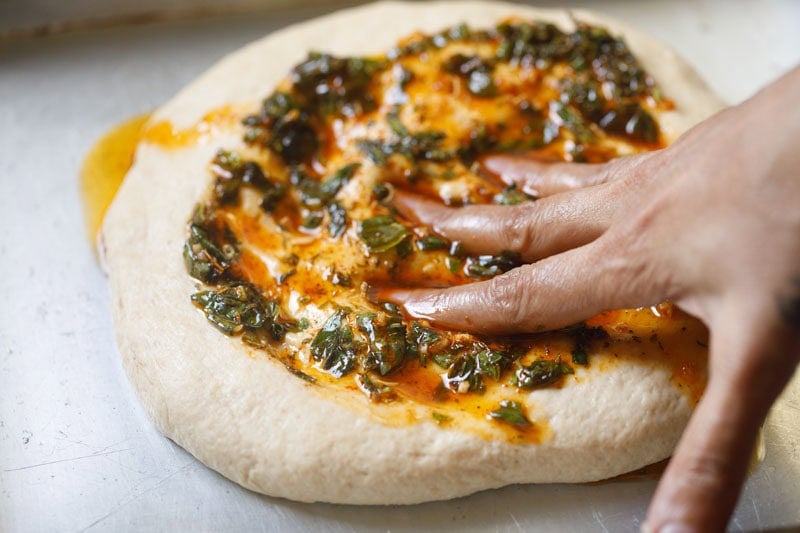
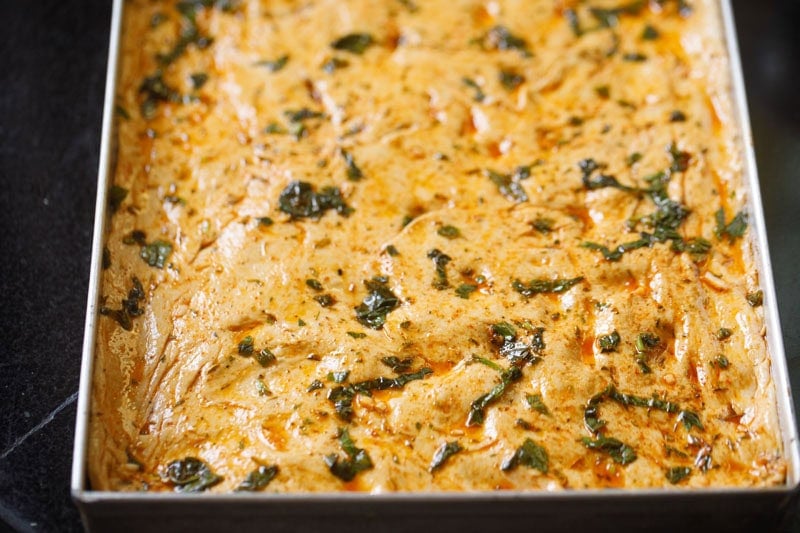
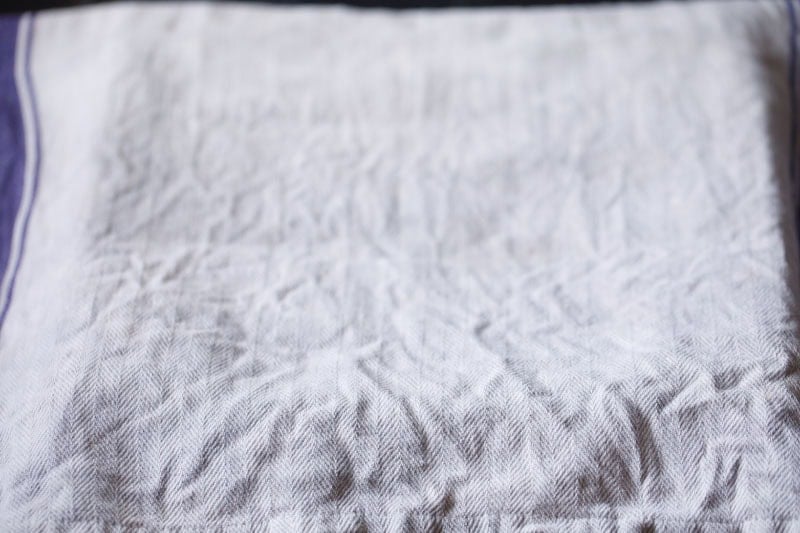
Once the dough has doubled in volume, it is degassed and transferred to a greased baking vessel. The most critical manual intervention occurs here: the dimpling. Using fingertips to create deep indentations across the surface, the baker creates "reservoirs" for the infused oil. This is followed by a secondary proofing stage (30 to 40 minutes), which restores the volume lost during shaping.
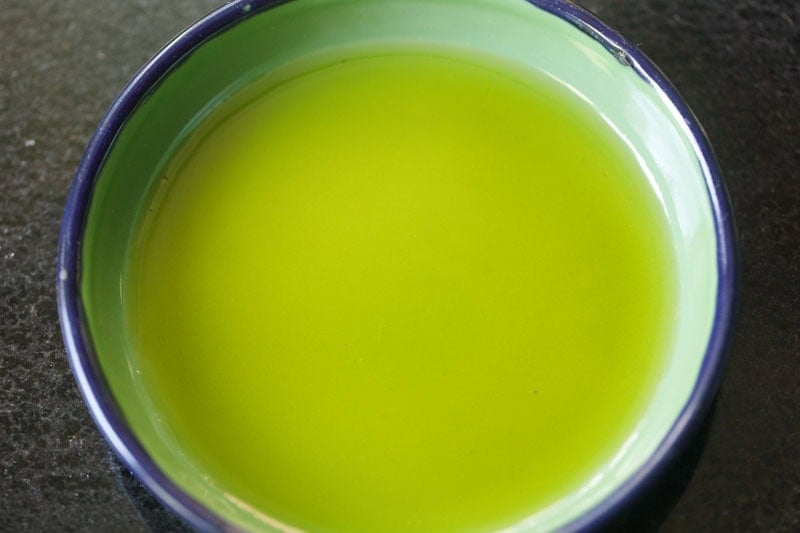
Phase VI: The Thermal Transformation
The final stage involves baking at a high temperature (200°C / 390°F) for 30 to 45 minutes. This intense heat triggers the Maillard reaction, resulting in a golden-brown crust, while the internal moisture evaporates to set the crumb structure. The "hollow sound" test—tapping the base of the loaf—serves as the definitive indicator of successful moisture removal and doneness.
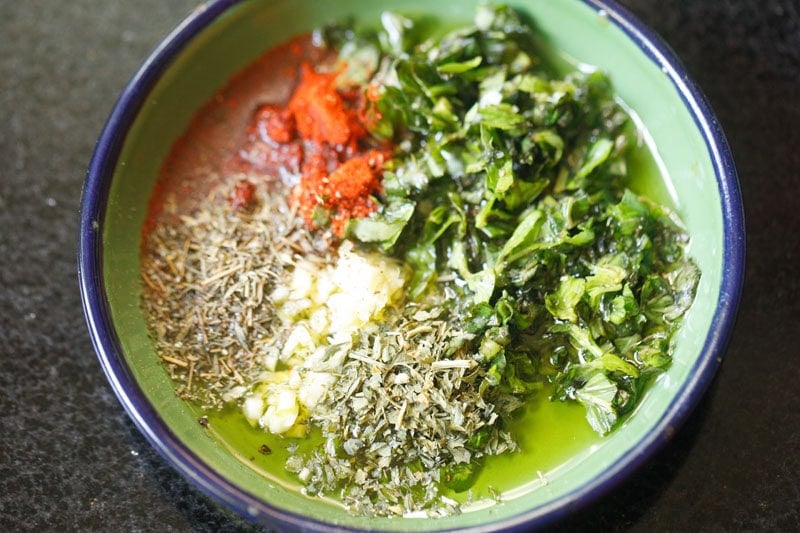
Supporting Data: Nutritional and Technical Specifications
To understand the impact of the whole-grain shift, one must analyze the chemical and nutritional data associated with this specific formulation.
Nutritional Profile (Per Batch/2 Loaves)
The integration of whole wheat significantly alters the macronutrient distribution compared to traditional white bread:
- Dietary Fiber: A staggering 29g per batch, facilitating digestive health and a lower glycemic index.
- Protein Content: 37g, primarily derived from the hard durum wheat.
- Micronutrients: The use of unrefined flour provides 10mg of Iron, 341mg of Magnesium, and 948mg of Phosphorus.
- Caloric Density: Approximately 1301 kcal for the full recipe, with a focus on healthy monounsaturated fats (36g) from the olive oil.
Hydration and Flour Variability
Technical data suggests that water requirements are not static. All-purpose flour typically requires less hydration, whereas whole wheat flour, containing the absorbent bran layer, demands a higher water-to-flour ratio to prevent a dense, "brick-like" texture. Professional bakers advocate for a dough that remains "lightly sticky," indicating a high level of hydration which translates to steam production in the oven—the key to a light crumb.
Official Responses: Expert Insights and Methodological Tips
Leading voices in the artisanal baking community emphasize that the success of whole-grain focaccia lies in the "patience of the process." Experts have provided several "baking mandates" to ensure consistent results:
- On Flour Selection: "The quality of the grain is paramount. Organic stone-ground flour retains the germ, which provides a nuttier flavor profile that complements the garlic and herbs better than refined flours," states the primary recipe developer.
- On Temperature Control: Bakers are cautioned against using hot oil for the infusion. The oil must be "warm, not hot," to avoid wilting the fresh herbs prematurely or cooking the garlic before it hits the oven.
- On Longevity: There is a consensus that focaccia is a "same-day" bread. While it can be refrigerated for 4-5 days or frozen for a month, the peak organoleptic experience (the combination of smell, taste, and texture) occurs within hours of exiting the oven.
- On Yeast Adaptation: The methodology accounts for environmental variables. In colder climates, the fermentation window must be extended, sometimes up to two hours, to ensure the yeast achieves full leavening potential.
Implications: The Future of Slow Food in a Fast World
The move toward homemade, whole-grain focaccia carries broader implications for the culinary industry and domestic consumption patterns.
1. The De-commoditization of Bread
By moving away from "supermarket bakery counters" and toward home-kneaded loaves, consumers are reclaiming control over ingredient transparency. The absence of preservatives and the inclusion of high-quality fats (EVOO) represent a rejection of industrial baking standards.
2. Versatility in Gastronomy
The whole wheat focaccia is no longer viewed merely as a side dish. Its structural integrity allows it to function as a primary component in the "Toast Culture" (bruschetta, avocado toast) and as a premium sandwich carrier. This versatility makes it a staple for various dietary frameworks, including vegetarian and fiber-focused diets.
3. The "Slow Food" Psychological Benefit
The requirement for multiple rising stages and manual dimpling encourages a "slow food" philosophy. This process-oriented approach to cooking has been linked to increased culinary satisfaction and a deeper connection to the Mediterranean diet’s cultural roots.
4. Sustainability and Sourcing
The emphasis on organic, stone-ground hard durum wheat supports smaller milling operations and sustainable farming practices. As more home bakers seek out specific grain types, the supply chain for diverse, non-refined flours is expected to expand.
In conclusion, the whole wheat garlic and herb focaccia is more than a recipe; it is a technical achievement in balancing nutrition with the sensory requirements of traditional Italian baking. Through careful hydration, herb infusion, and a commitment to the fermentation process, the modern baker can produce a loaf that surpasses commercial offerings in both flavor and health utility. Whether served alongside a rustic minestrone or utilized as the foundation for a gourmet pesto sandwich, this artisanal bread stands as a testament to the enduring appeal of well-crafted, whole-grain food.
