


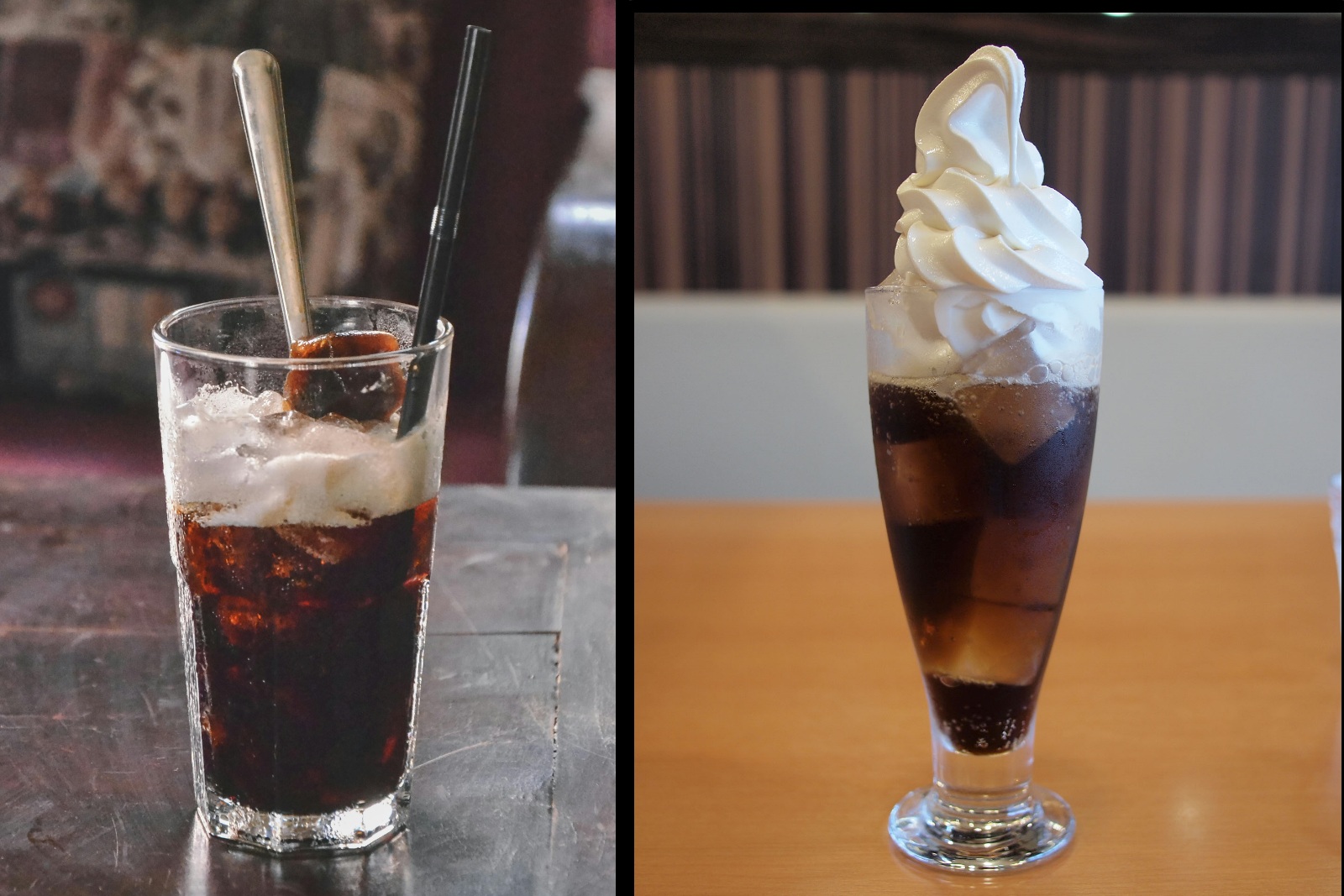
In the landscape of modern culinary trends, what was once old frequently becomes new again. The "ice cream float"—a whimsical combination of carbonated soft drinks and scoops of vanilla or flavored ice cream—is currently witnessing a massive resurgence across social media platforms like Instagram and TikTok. While to many, the drink represents a cooling, nostalgic throwback to childhood summers, health experts are raising alarms regarding its nutritional profile.
What may seem like a harmless, effervescent treat is, according to nutritionists, a concentrated delivery system for refined sugars and saturated fats. As the trend gains momentum among younger demographics, experts are urging consumers to move beyond the aesthetic appeal and understand the physiological consequences of "stacking sugar on sugar."
Main Facts: The Anatomy of a Sugar Bomb
The ice cream float, often referred to as a "coke float" or "root beer float," is fundamentally a high-calorie beverage that lacks essential micronutrients. The primary concern cited by Mumbai-based fat loss coach and dietician Swati Sodhi is the sheer density of the ingredients.
A standard serving of an ice cream float typically involves 250ml to 300ml of a carbonated cola and two standard scoops of full-fat ice cream. When broken down, the nutritional data is startling:
- Sugar Content: A regular glass of cola contains between 25 and 35 grams of sugar. Adding two scoops of ice cream contributes an additional 20 to 25 grams. This brings the total sugar content of a single serving to approximately 45–60 grams—nearly double the World Health Organization’s (WHO) recommended daily intake for added sugars.
- Caloric Density: A single float can easily range between 300 and 500 calories.
- Lack of Satiety: Despite the high calorie count, the drink offers almost zero dietary fiber and very little protein.
"In simpler words," Sodhi explains, "you are consuming calories equivalent to five rotis, but with the satiety—the feeling of fullness—of a single biscuit." This discrepancy between caloric intake and satiety is a primary driver of overeating and weight gain in modern diets.
Chronology: From 19th-Century Innovation to 21st-Century Viral Trend
The ice cream float has a storied history that predates modern nutritional science.
- 1874: The invention of the ice cream float is widely credited to Robert McCay Green in Philadelphia. Legend has it that he ran out of ice for his flavored sodas and used vanilla ice cream instead, creating a sensation at the Franklin Institute’s semi-centennial celebration.
- Mid-20th Century: The float became a staple of American "soda shops" and "diners," eventually spreading globally as a symbol of Western fast-food culture.
- 2020–2026: A wave of "retro-food" nostalgia, fueled by global lockdowns and the rise of visually-driven social media, brought the float back into the limelight. Influencers began posting "aesthetic" videos of the foaming reaction between the soda and cream, leading to a spike in consumption at home and in trendy cafes.
However, the 2026 context is different from the 1870s. Today, the population faces an unprecedented crisis of metabolic disorders, making the re-emergence of such high-sugar treats a point of contention for public health advocates.
Supporting Data: The Metabolic and Digestive Toll
To understand why the ice cream float is particularly taxing on the body, one must look at how the ingredients interact within the human digestive system.
1. The Glycemic Spike
The liquid nature of the sugar in the soda allows for rapid absorption into the bloodstream. This causes an immediate spike in blood glucose levels, prompting the pancreas to release a massive surge of insulin. Over time, frequent "spiking" of insulin can lead to insulin resistance, a precursor to Type 2 diabetes.
2. The Saturated Fat Factor
Unlike a plain soda, the ice cream float introduces dairy fats. While fat can sometimes slow the absorption of sugar, the specific combination of saturated fats from cream and high-fructose corn syrup from soda creates a "hyper-palatable" food. Research in neurobiology suggests that the combination of high fat and high sugar triggers the brain’s reward system in a manner similar to addictive substances, making it difficult for the consumer to stop at just one serving.
3. Gut Health and Digestion
Beyond the long-term metabolic risks, there are immediate gastrointestinal concerns.
- Carbonation and Bloating: The carbon dioxide gas in soft drinks expands in the stomach. When combined with the heavy proteins and fats in dairy, it can lead to significant bloating and discomfort.
- Lactose Sensitivity: For those with even mild lactose intolerance, the combination of cold temperature and high sugar can exacerbate symptoms of indigestion, acidity, and flatulence.
"It is just heavy and sugary," Sodhi notes. "If your gut is already sensitive, this combination can exaggerate bloating, heaviness, or acidity."
Official Responses: Expert Insights and Recommendations
While the data may seem dire, experts like Swati Sodhi are careful not to demonize the food itself, but rather the frequency and context of its consumption.
"Let me be very clear. It is not toxic. It is not poison," Sodhi clarifies. This distinction is vital in modern dietetics to prevent the development of "orthorexia" or an unhealthy obsession with eating only "pure" foods. The danger lies not in the occasional treat, but in the transformation of that treat into a routine habit.
Sodhi has assigned the ice cream float a 1.5 out of 5 rating for individuals focused on fat loss or metabolic health. This low rating is a reflection of the drink’s poor "nutrient-to-calorie" ratio.
The Expert Strategy for Indulgence:
For those who still wish to enjoy a float, Sodhi and other nutritionists suggest several harm-reduction strategies:
- Portion Control: Opt for a small "cutting" glass rather than a large mug.
- The "Share" Rule: Treat the float as a shared dessert rather than a personal beverage.
- The Sequential Eating Method: Never consume a float on an empty stomach. Having it after a meal rich in fiber and protein can help dampen the glucose spike.
- The Choice Factor: Choose either the ice cream or the cold drink, rather than both.
"Fat loss does not fail because of one glass of ice cream and cola," Sodhi emphasizes. "It fails because of daily habits. Enjoy indulgences intentionally, not impulsively."
Implications: Public Health and the Future of Treat Culture
The resurgence of the ice cream float is a microcosm of a larger issue in global public health: the "Ultra-Processed Food" (UPF) crisis. As food manufacturers and social media trends continue to promote items that are high in energy but low in nutrients, the burden on healthcare systems increases.
1. The Normalization of Hyper-Palatability
The danger of the ice cream float trend is the normalization of "sugar stacking." When consumers become accustomed to the extreme sweetness of a soda-and-ice-cream combo, regular whole foods like fruit may begin to seem unappealing, further skewing dietary choices toward processed options.
2. Impact on Pediatric Health
The nostalgic appeal often targets parents who want to share a childhood memory with their children. However, with childhood obesity and pediatric non-alcoholic fatty liver disease (NAFLD) on the rise, the "nostalgia trap" can have lasting health implications for the next generation.
3. The Role of "Mindful Eating"
The discourse surrounding the ice cream float highlights a shift in nutritional science toward "Mindful Indulgence." Rather than banning foods—which often leads to binge behavior—experts are advocating for a deeper understanding of food chemistry. By knowing that a float is equivalent to five rotis in energy but offers no satiety, a consumer can make an informed decision: "Is this treat worth the metabolic cost today?"
Conclusion: Balancing Joy and Health
The ice cream float remains a cultural icon—a frothy, creamy testament to simple pleasures. However, as our understanding of metabolic health evolves, so must our consumption habits. The transition of the float from an "everyday summer cooler" to an "occasional celebration treat" is a necessary evolution in an era of nutritional excess.
As Swati Sodhi concludes, the key to a healthy lifestyle isn’t the total elimination of joy, but the mastery of frequency and context. An ice cream float enjoyed on a rare holiday with family is a memory; an ice cream float consumed as a regular afternoon snack is a health liability. In the world of nutrition, the dose truly makes the poison.
Disclaimer: This article is based on information from public health domains and expert testimonials. Nutritional requirements vary significantly between individuals. Always consult a certified health practitioner or clinical nutritionist before making significant changes to your diet or starting a new health routine.
