

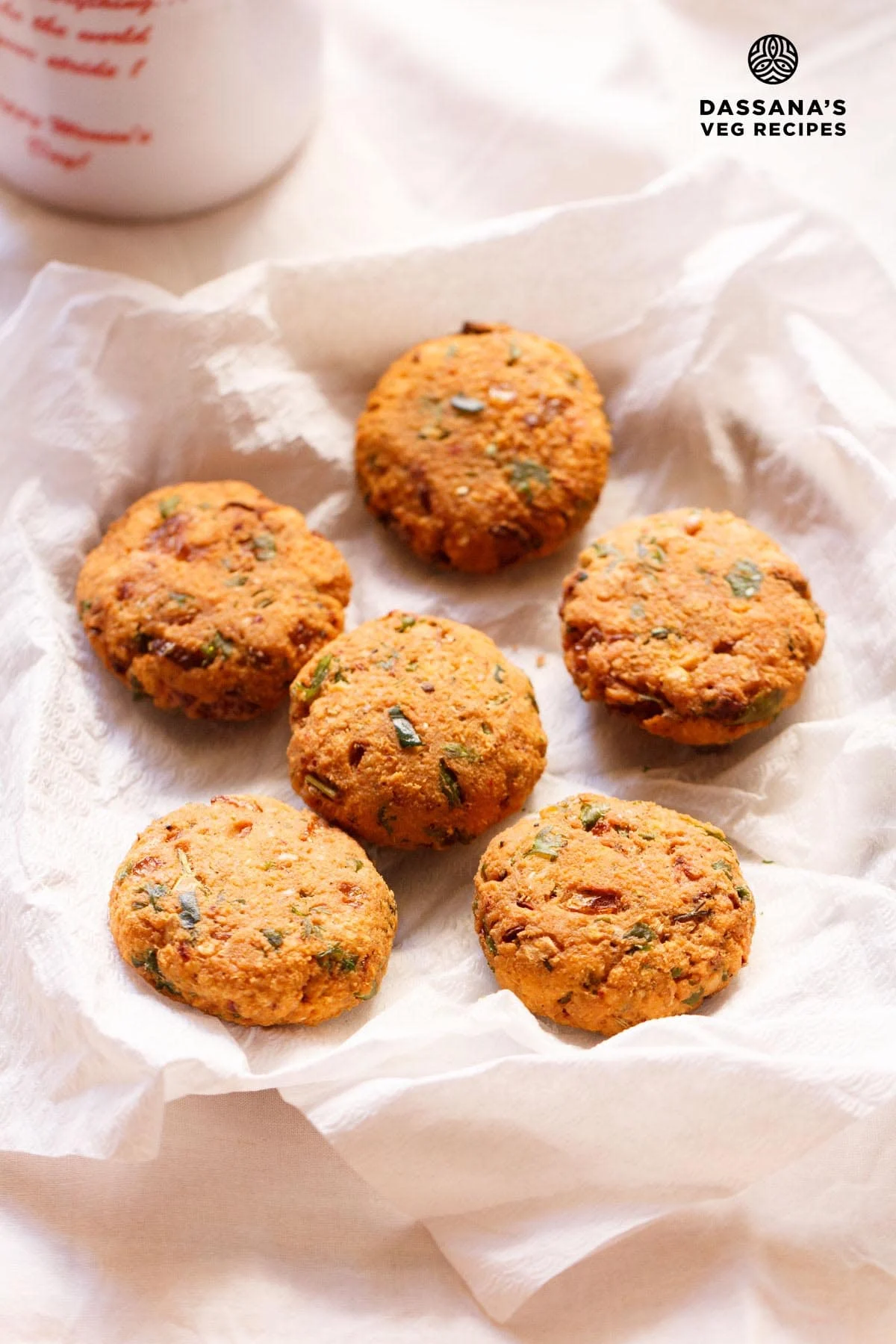
The air in the bustling street corners of Chennai, Bengaluru, and Madurai is often thick with a specific, intoxicating aroma: a heady blend of caramelized onions, toasted fennel seeds, and the earthy scent of frying legumes. This is the olfactory signature of the Masala Vada (or Masala Vadai), a crunchy, spicy, and deeply savory lentil fritter that stands as a pillar of South Indian "tiffin" culture.
While often dismissed by outsiders as a simple fried snack, the Masala Vada is a complex culinary construction. It represents a meticulous balance of textures—shattering crispness on the outside and a soft, spiced interior—that has made it a global ambassador for Indian street food. As culinary enthusiasts and professional chefs alike look toward traditional, plant-based protein sources, the Masala Vada is receiving renewed attention for its bold flavor profile and sophisticated technique.
Main Facts: Defining the Street-Style Standard
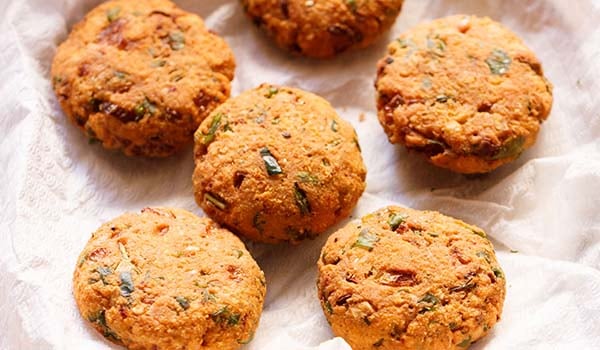
The Masala Vada is primarily composed of chana dal (split and husked Bengal gram). Unlike its cousin, the Medhu Vada, which is made from a smooth fermented black gram batter and resembles a savory donut, the Masala Vada is defined by its coarse, rustic texture.
The "street-style" iteration of this snack is distinguished from homestyle versions by its aggressive use of aromatics and whole spices. A standard street-style vada incorporates a potent mixture of fennel seeds, coriander seeds, black pepper, and dry red chilies. These are not ground into a fine powder but are instead kept in a "broken" state, ensuring that every bite offers a burst of essential oils and a varied mouthfeel.
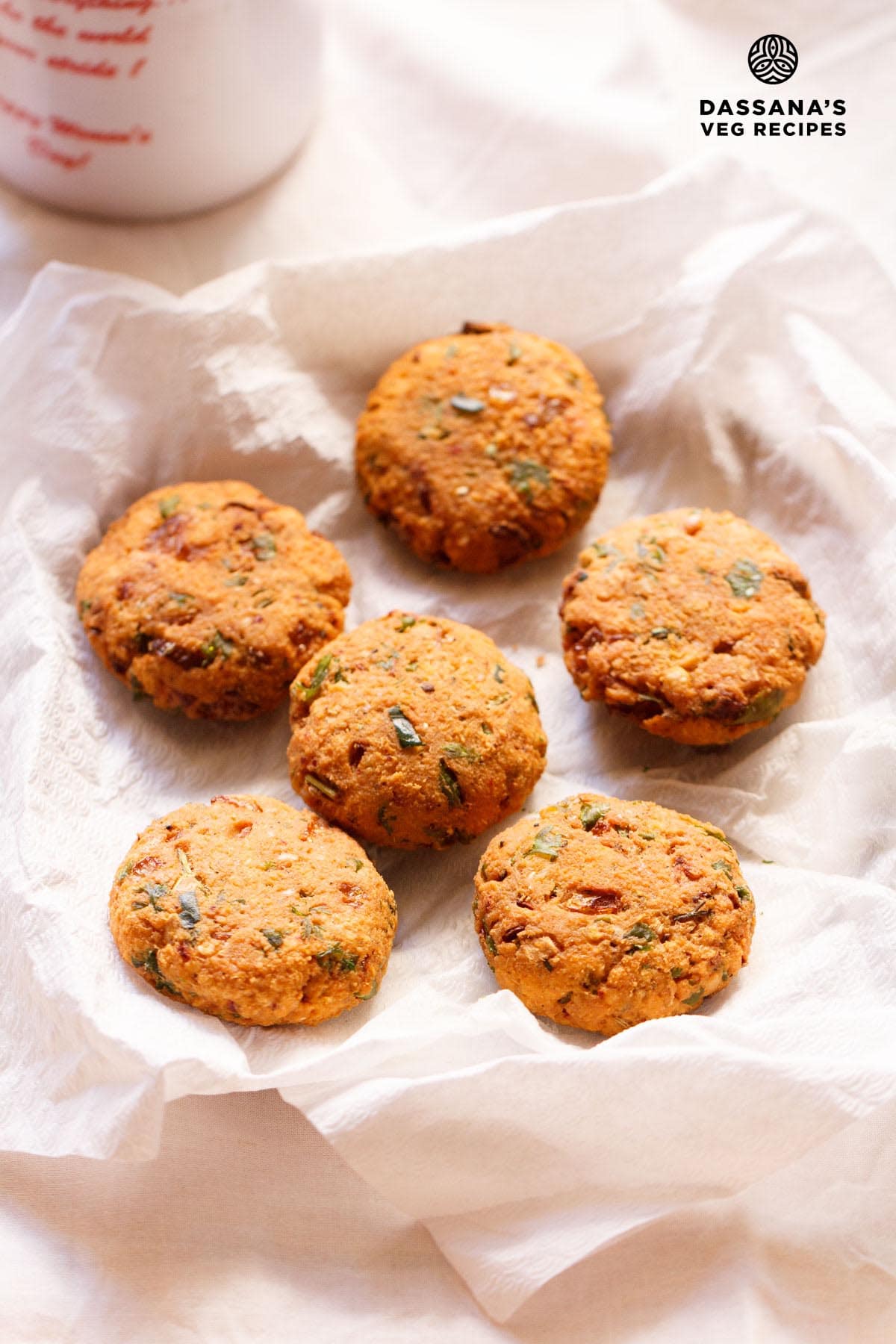
From a nutritional standpoint, the Masala Vada is a powerhouse of plant-based protein and dietary fiber. Each 71-calorie fritter provides approximately 2 grams of protein and 2 grams of fiber, making it a satiating option for the millions of commuters who consume it daily during the traditional "tea-time" hour (typically between 4:00 PM and 6:00 PM).
Chronology: The Lifecycle of a Perfect Fritter
The creation of a Masala Vada is a time-sensitive operation that requires foresight and precision. The process can be broken down into four distinct phases: hydration, spice preparation, textural integration, and the thermal transformation.
Phase I: The Hydration Period
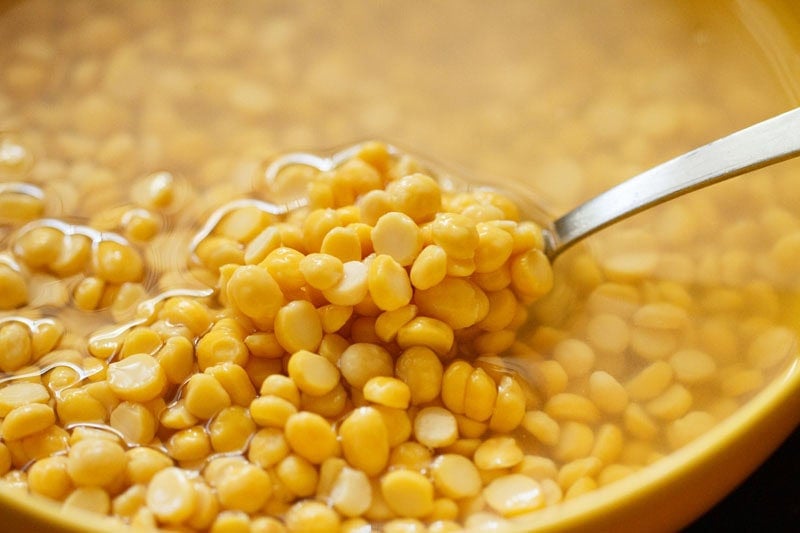
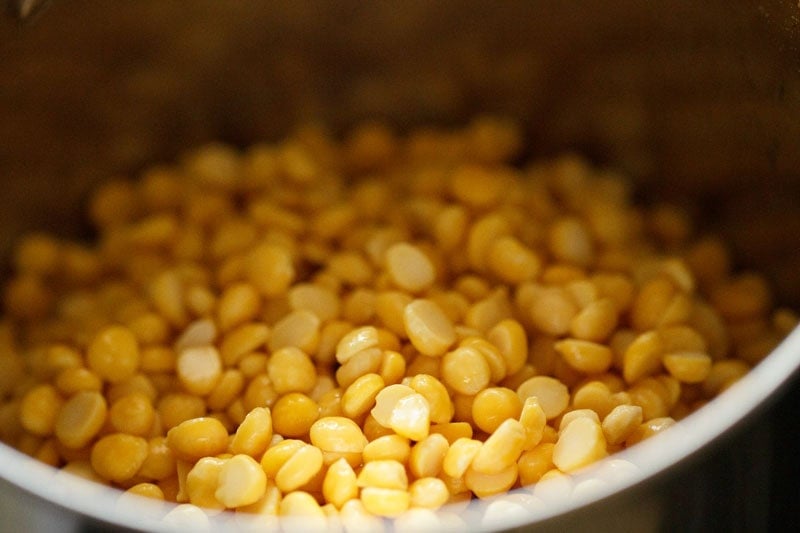
The process begins at least two hours before the actual cooking. The chana dal must be rinsed and soaked in water to soften the grain while maintaining its structural integrity. For those in a professional kitchen environment facing time constraints, a "quick-soak" method—using hot water for 60 minutes—is often employed. The goal is to reach a state where the dal is pliable enough to grind but not so saturated that it becomes mushy.
Phase II: The Aromatic Foundation
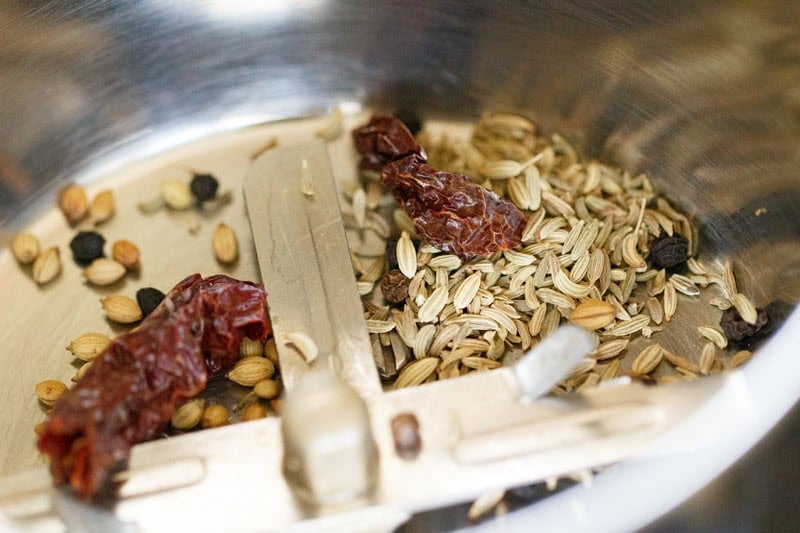
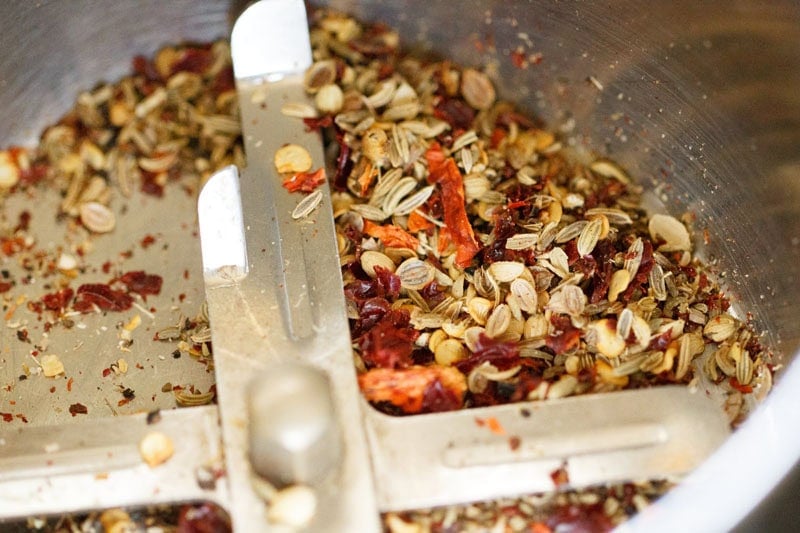
Simultaneously, the "Masala" (spice mix) is prepared. In a blender or traditional stone mortar, fennel seeds, coriander seeds, black pepper, and dry red chilies are pulsed. The objective here is a coarse grind. If the spices are pulverized, the dish loses its characteristic "crunch" and the subtle heat becomes an overwhelming bitterness.
Phase III: The Textural Integration
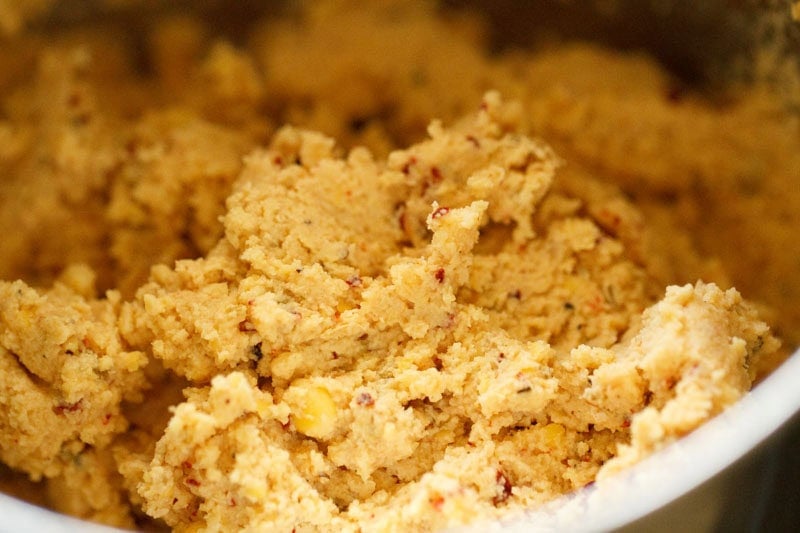
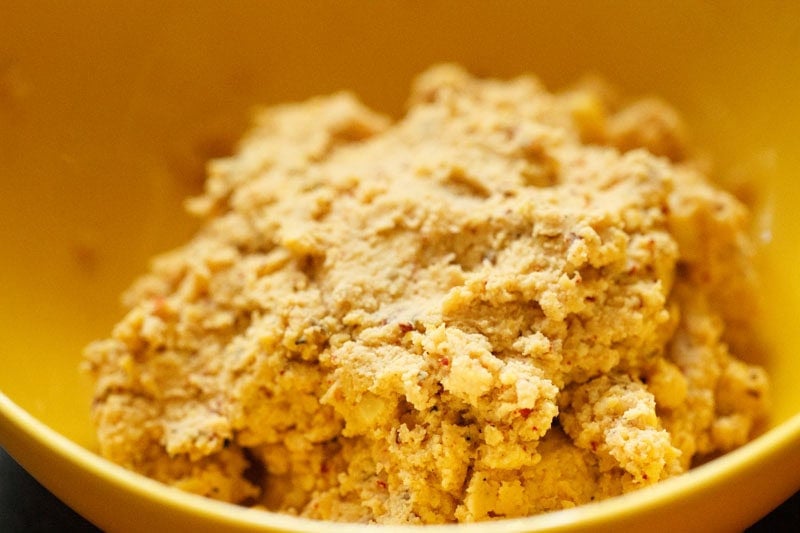
Once the dal is drained—a crucial step to prevent a watery batter—it is combined with the ground spices. The mixture is pulsed until it forms a coarse paste. Crucially, professional makers ensure that about 10-15% of the dal remains whole or only partially crushed. This "broken" dal provides the signature "nugget-like" texture that defines a high-quality vadai.
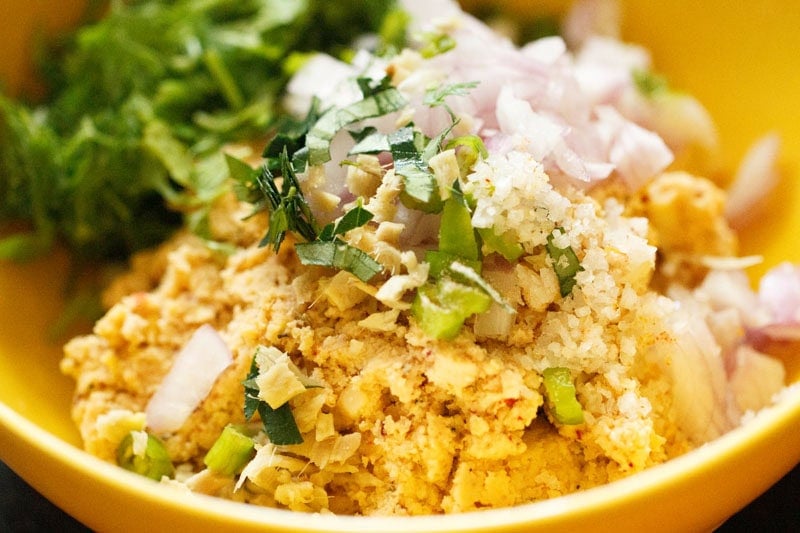
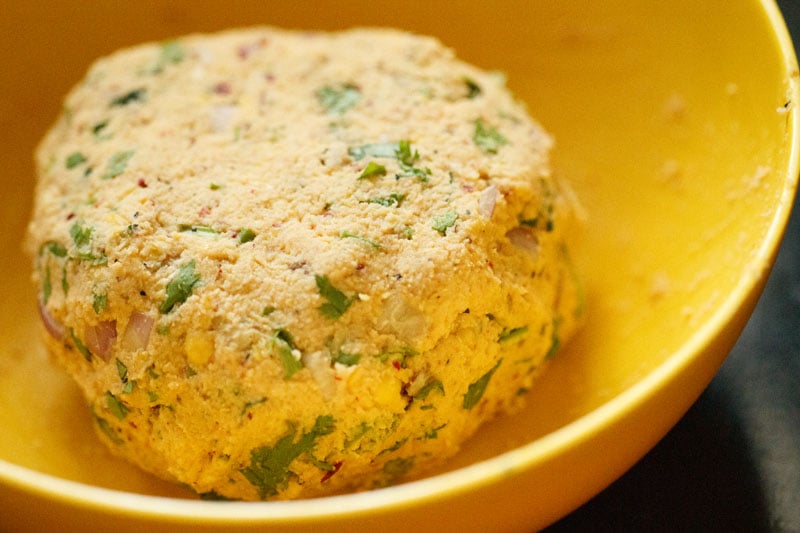
Following the grind, the "wet" aromatics are added: finely chopped onions, minced ginger, green chilies, curry leaves, and fresh coriander. A pinch of asafoetida (hing) is often added both for its umami flavor and its digestive properties, particularly important when consuming legumes.
Phase IV: The Thermal Transformation
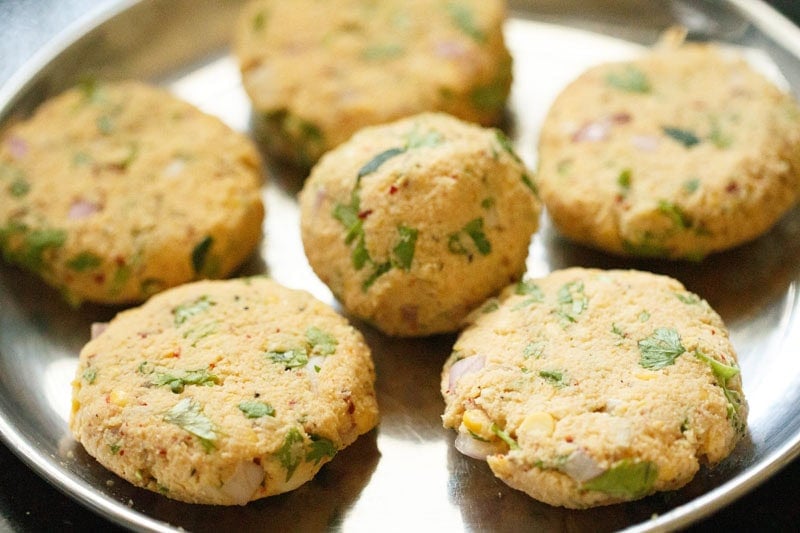
The final stage involves shaping the mixture into small, flat patties. These are then carefully introduced into oil heated to a medium-high temperature (approximately 350°F or 175°C). The frying process is a delicate dance; if the oil is too hot, the exterior burns before the interior cooks. If it is too cool, the vada absorbs excess oil and becomes greasy. A perfect fry takes roughly 4 to 6 minutes, resulting in a deep golden-brown hue.
Supporting Data: Nutritional and Culinary Metrics
To understand the Masala Vada’s place in the modern diet, one must look at its chemical and nutritional composition. Data provided by culinary analysts breaks down a single serving (one vada) as follows:
- Caloric Content: 71 kcal
- Macronutrients: 6g Carbohydrates, 2g Protein, 5g Fat.
- Micronutrients: Significant levels of Vitamin B9 (Folate) at 107µg, and 18mg of Vitamin C (largely from the fresh coriander and green chilies).
- Sodium: 118mg (adjustable based on dietary needs).
Beyond the numbers, the Masala Vada is often compared to the Middle Eastern Falafel. While both use soaked, ground pulses (chickpeas for falafel vs. chana dal for vada) and a similar deep-frying technique, the flavor profiles diverge sharply. The Falafel relies on cumin, parsley, and garlic, whereas the Masala Vada leans into the anise-like sweetness of fennel and the citrusy notes of curry leaves.
Official Responses: Insights from the Culinary Community
While there is no "official" governing body for street food, leading chefs in the South Indian gastronomic circuit have long debated the "Authentic Street Style" versus the "Homestyle" approach.
Chef and culinary historian K.R. Mani notes, "The street-style Masala Vada is designed to be a sensory assault. It is bolder because it has to compete with the ambient noise and smells of a busy market. The inclusion of rice flour—a common ‘secret’ in street stalls—ensures the vada remains crispy for hours, even in the humid climates of coastal India."
In contrast, health-conscious culinary experts have begun advocating for baked or air-fried versions of the snack. "While the traditional deep-fried method is the gold standard for flavor, the Masala Vada mixture is incredibly versatile," says nutritionist Dr. Ananya Iyer. "The high fiber content of the chana dal makes it a low-glycemic index snack, provided the frying oil is managed correctly or replaced with modern convection methods."
Furthermore, the "Dal Vada" variant—a less spicy, herb-light version—is often cited by home cooks as the "comfort food" alternative, highlighting the snack’s ability to scale its intensity based on the setting.
Implications: The Globalization of the Vada
The Masala Vada is no longer confined to the street corners of India. Its rise mirrors the global "Street Food Revolution," where authentic, regional snacks are replacing homogenized fast food.
1. The Vegan and Gluten-Free Market
The Masala Vada is naturally vegan and gluten-free (provided no wheat-based thickeners are used). As the demand for plant-based, allergen-friendly snacks grows in Europe and North America, the Masala Vada is appearing on the menus of high-end fusion restaurants in London, New York, and Sydney. It serves as an ideal "protein patty" for modern sliders or a sophisticated appetizer when paired with avocado-lime chutneys.
2. Preservation of Traditional Techniques
The resurgence of interest in this snack encourages the preservation of "slow" cooking techniques. The requirement to soak lentils for hours and the refusal to use water during the grinding process are lessons in patience and moisture management that are being taught in culinary schools as part of "Heritage Cooking" modules.
3. Economic Impact of Street Food Tourism
In India, "Food Walks" have become a significant part of the tourism economy. The Masala Vada is often the star of these tours. By elevating the status of the "Vadai-wallah" (vada seller), the culinary industry is providing economic stability to micro-entrepreneurs who have mastered this specific craft over generations.
4. Culinary Innovation and Variations
The basic recipe is now being used as a canvas for innovation. Contemporary chefs are adding grated coconut for a creamy texture, or mixing in tuvar dal (pigeon peas) and moong dal to create a multi-lentil profile. These variations suggest that the Masala Vada is a living recipe, evolving to meet the palates of a new generation while staying rooted in its spicy, crunchy origins.
In conclusion, the Masala Vada is more than a mere accompaniment to a cup of tea. It is a masterclass in texture, a repository of regional spices, and a testament to the ingenuity of South Indian street cuisine. Whether served hot with a cooling coconut chutney or enjoyed as a quick bite on a rainy afternoon, it remains an enduring symbol of India’s rich and vibrant food landscape.
