

MADURAI — In the heart of a city historically defined by the smoky aroma of kari dosas, the flaky texture of Bun Parottas, and the pungent spices of Chettinad cuisine, a new olfactory narrative is unfolding. Phil’s Bistro, located in the bustling neighborhood of KK Nagar, has launched a comprehensive Thai Food Festival, signaling a significant shift in the gastronomic landscape of Madurai. By introducing staples such as Tom Yum and Pad Thai, the bistro is attempting to bridge the gap between South Indian spice preferences and the intricate, herb-forward profiles of Southeast Asian cooking.
Main Facts: The Intersection of Tradition and Global Innovation
Madurai, often referred to as the "Athens of the East" and the "City of Junctions," has a food culture that is deeply territorial and fiercely traditional. However, the ongoing festival at Phil’s Bistro, situated at 444, 9th Main Rd, Managiri, represents a bold departure from the norm. The festival aims to present an authentic Thai experience, curated by founder Philip Abraham, who recognizes that while the local population is adventurous, they remain largely unacquainted with the nuances of Thai culinary arts.
The festival menu is a curated selection that spans the four pillars of Thai taste: salty, sweet, sour, and spicy. From the creamy depths of coconut-based soups to the textural complexity of fried ice cream, the offering is designed to be both accessible to the uninitiated and satisfying for the well-traveled connoisseur. With a meal for two priced at approximately ₹1500, the bistro is positioning itself as a premium yet accessible destination for "glocal" dining—global flavors served with local hospitality.
Chronology: From Concept to Culinary Execution
The journey of the Thai Food Festival began several months ago when the management at Phil’s Bistro identified a "flavor fatigue" within the city’s upper-middle-class dining segment. While Madurai boasts an incredible street food scene, the "sit-down" international dining options have historically been limited to Indo-Chinese or generic Continental menus.
- Market Research and Sourcing (January – February 2026): The team at Phil’s Bistro spent the early months of the year identifying supply chains. The primary challenge was the availability of authentic ingredients. Unlike Chennai or Bangalore, Madurai does not have a robust network of suppliers for fresh galangal, kaffir lime leaves, or specific Thai fish sauces.
- Menu Curation and Staff Training (March 2024): Philip Abraham and his culinary team worked on balancing authenticity with local palatability. This involved training the kitchen staff in the delicate art of stir-frying and the precise timing required for deep-frying delicate appetizers like "shrimp in a blanket."
- The Festival Launch (April 2026): The festival officially opened its doors in mid-April, timed to coincide with the summer season when the refreshing notes of lemongrass and coconut milk are particularly appealing to diners seeking a reprieve from the heat.
- Public Reception (Ongoing): Since its launch, the festival has seen a steady increase in footfall, particularly during weekend dinner services, as locals move beyond their comfort zones of parotta and salna.
Supporting Data: Deconstructing the Menu
The success of the festival lies in its technical execution. The menu is structured to guide the diner through a sensory journey:
The Soup Foundation
The bistro offers two distinct paths in its soup category. The Tom Yum (available with chicken or prawn) serves as the "spicy" entry point, utilizing a clear broth infused with lemongrass and chili. In contrast, the Tom Kha offers a "creamy" alternative, leveraging high-quality coconut milk to mellow the acidity of lime and the heat of the peppers. This duality allows diners to choose their level of engagement with Thai spices.
Appetizers and Texture Play
A standout in the starter section is the Shrimp in a Blanket. This dish requires a high degree of technical skill; the shrimp must be wrapped in a thin pastry and fried at a precise temperature to ensure the exterior reaches a golden crunch while the interior remains succulent and "juicy." This focus on texture—a hallmark of Thai cuisine—is a central theme of the festival.
The Main Course: A Balance of Aromatics
The Massaman Curry serves as the centerpiece of the main course. Known as the "King of Curries," the Massaman is less about raw heat and more about the depth of flavor derived from roasted spices, peanuts, and potatoes. Phil’s Bistro pairs this with a Shitake Mushroom and Tofu Stir Fry, providing a balanced vegetarian option that emphasizes the "umami" flavor profile often missing in traditional South Indian vegetarian fare.
The Nasi Goreng and Regional Overlap
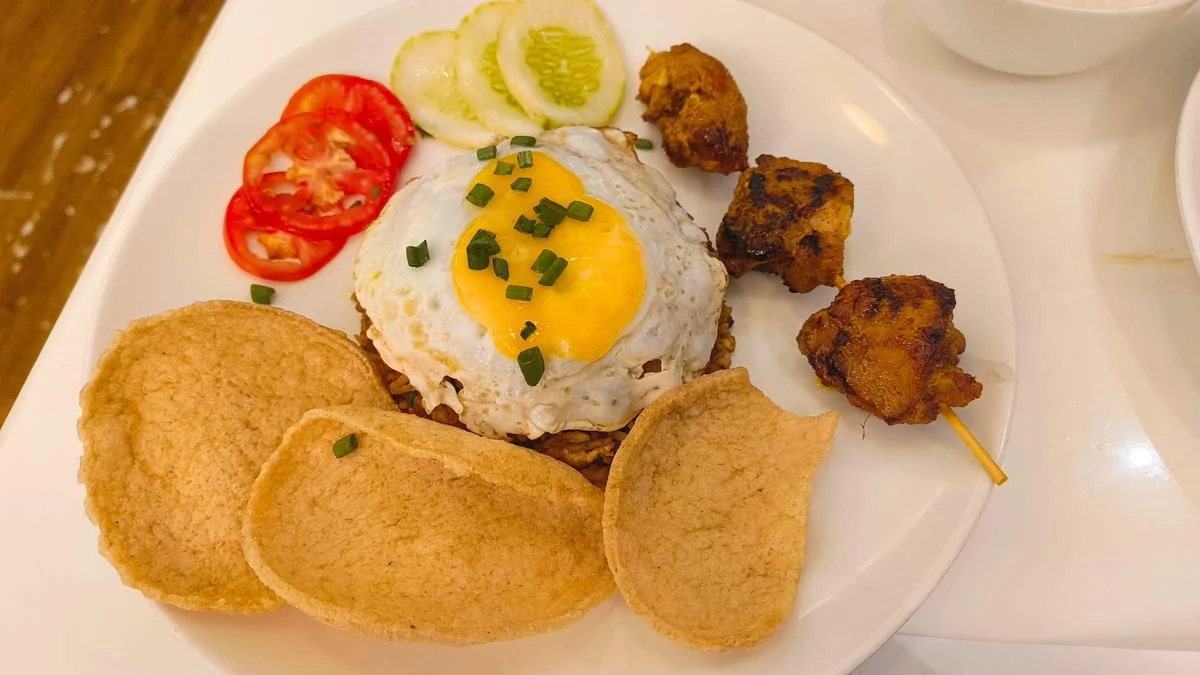
While Nasi Goreng is traditionally associated with Indonesia and Malaysia, its inclusion in the Thai festival highlights the interconnectedness of Southeast Asian maritime trade and culinary history. Served with keropok (Thai crackers) and topped with a signature half-boiled egg, the dish provides a familiar "fried rice" anchor for diners who might find the curries too exotic.
Dessert: The Final Contrast
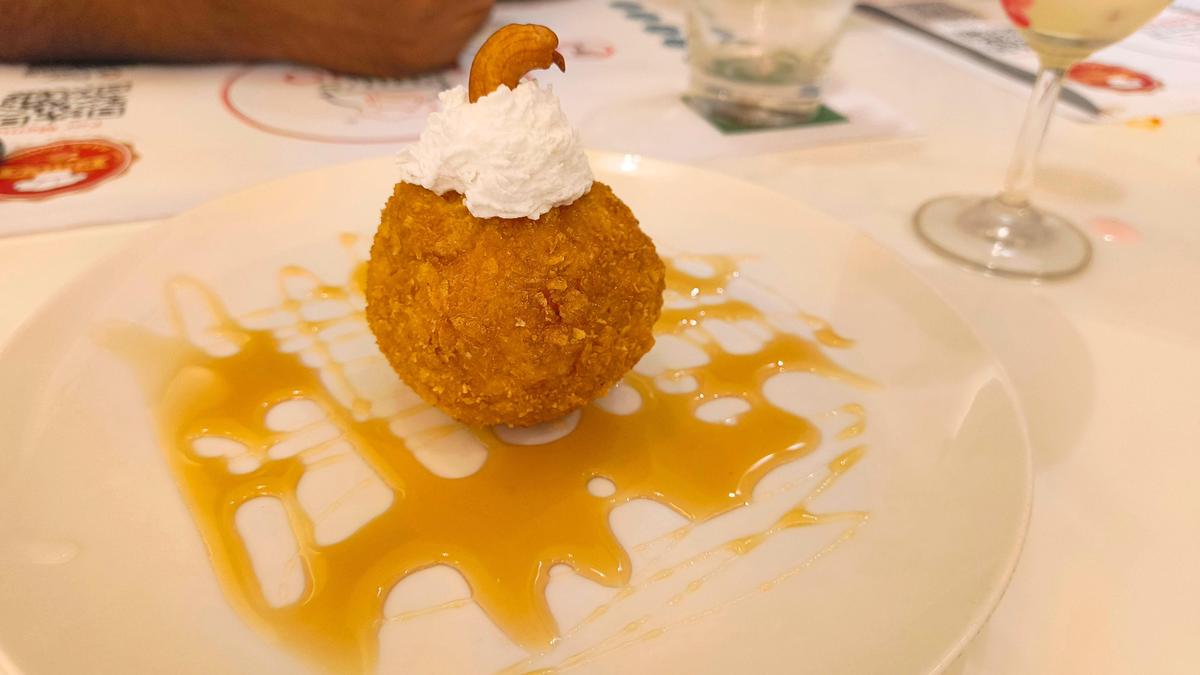
The dessert menu features the Tub Tim Krob, colloquially known as "Red Ruby." This dish consists of water chestnuts soaked in red syrup, coated in tapioca flour, and served in chilled coconut milk. It is a masterclass in subtlety, designed for those who prefer a light finish. For those seeking indulgence, the Fried Ice Cream offers a dramatic contrast between a hot, crispy shell and a frozen core.
Official Responses: The Founder’s Perspective
Philip Abraham, the visionary behind Phil’s Bistro, is candid about the logistical and cultural hurdles of bringing this festival to life.
"We introduced this idea because Madurai is still relatively new to the complexities of Thai cuisine," Abraham stated during a press briefing. "Our goal wasn’t just to provide a meal, but an education in flavor. To do that authentically, we couldn’t compromise on ingredients. Most of the essential sauces, pastes, and aromatics needed to achieve that specific Thai profile are imported."
Abraham’s commitment to importing ingredients is a strategic move. By bypassing local substitutes that might lack the necessary punch or aroma, the bistro ensures that the Tom Yum served in Madurai tastes remarkably similar to what one might find in a Bangkok eatery. "It is a risk, both financially and logistically, but the response from the community suggests that Madurai is ready for this evolution," he added.

Implications: The "Glocalization" of Tier-2 Cities
The emergence of a high-quality Thai food festival in Madurai has broader implications for the Indian hospitality industry and the socio-economic fabric of Tier-2 cities.
1. The Rise of the Sophisticated Consumer
The success of Phil’s Bistro indicates the rise of a new demographic in Madurai—well-traveled professionals and young families who are exposed to global trends via social media and travel. This group is no longer satisfied with "Indianized" versions of global food; they demand authenticity, even if it comes at a higher price point.
2. Culinary Diversification as Economic Stimulus
As more restaurants like Phil’s Bistro invest in imported ingredients and specialized training, it creates a niche market for premium food importers and specialized culinary talent in the region. This diversification helps insulate the local economy by creating a more robust and varied service sector.
3. The "Spicy" Connection
The choice of Thai cuisine is strategic. There is a natural affinity between the South Indian palate and Thai flavors. Both cultures utilize rice as a staple, both have a deep love for coconut milk, and both are unafraid of heat. By tapping into these commonalities, Phil’s Bistro is proving that "international" does not have to mean "alien."
4. Setting a Benchmark for Future Festivals
The meticulous attention to detail at Phil’s Bistro sets a high bar for other establishments in the city. If this festival proves to be a long-term success, it is likely to trigger a "gastronomic arms race" in Madurai, where other restaurateurs will look toward Japanese, Vietnamese, or Mediterranean cuisines to capture the interest of an increasingly discerning public.
Conclusion
Phil’s Bistro’s Thai Food Festival is more than just a temporary menu change; it is a cultural litmus test for one of India’s oldest cities. By successfully marrying imported authenticity with local hospitality, Philip Abraham and his team are proving that Madurai’s palate is as deep and storied as its history. As the city continues to grow, its dining tables are becoming a reflection of a world that is increasingly connected, one bowl of Tom Yum at a time.
Logistical Information:
- Location: Phil’s Bistro, 444, 9th Main Rd, Managiri, Madurai.
- Average Cost: ₹1500 for two people.
- Must-Try: Massaman Curry, Red Ruby, and Shrimp in a Blanket.
- Festival Status: Ongoing.
