

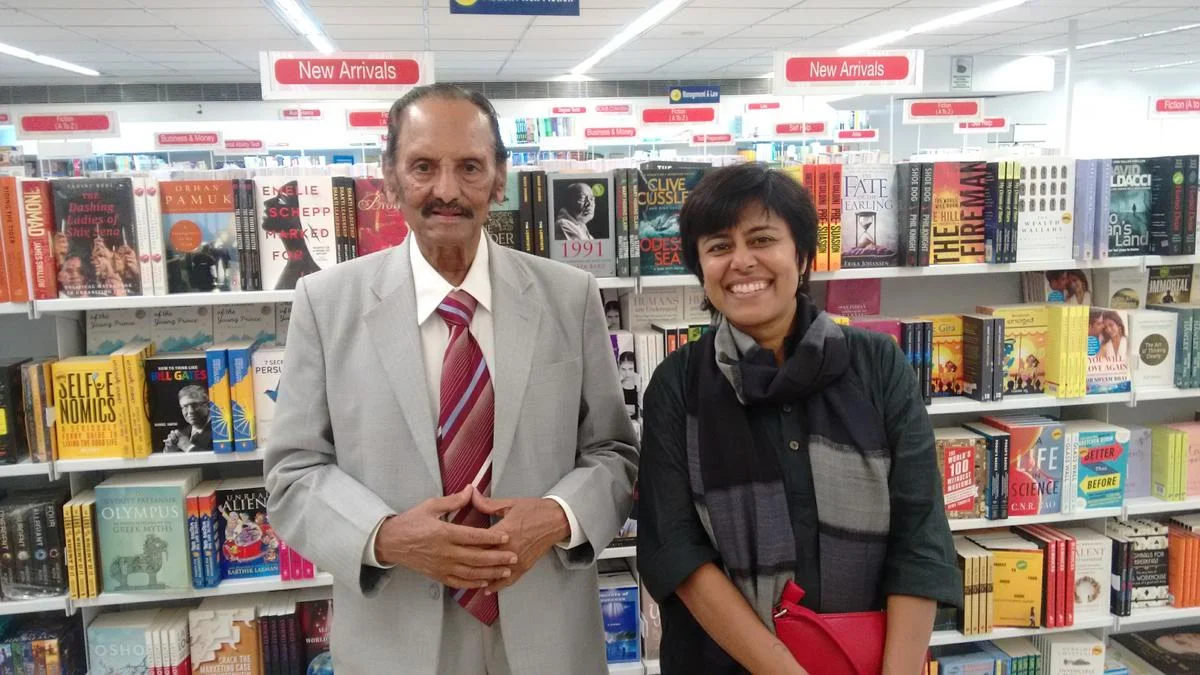
The literary landscape of Karnataka is often defined by its profound depth and the rhythmic cadence of its poets. Among the giants of the 20th and early 21st centuries, few names resonate as deeply with the common citizen as K.S. Nisar Ahmed. Known affectionately as the "Nityotsava Kavi," Ahmed’s work bridged the gap between academic intellectualism and the pulse of the street. Now, a decade after its initial spark, a new English translation titled Every Day a Celebration brings his diverse body of work to a global audience.
Translated by the prolific Bengaluru-based author and heritage enthusiast Roopa Pai, and published by Seagull Books, the anthology is more than just a collection of 102 poems; it is a testament to a cross-generational collaboration that survived personal loss, a global pandemic, and the inherent challenges of linguistic transposition.
Main Facts: A New Gateway to Kannada Poetics
The release of Every Day a Celebration marks a significant milestone in the preservation and dissemination of Kannada literature in the English-speaking world. The anthology features 102 poems handpicked by K.S. Nisar Ahmed himself before his passing in 2020. These selections span his six-decade-long career, offering a comprehensive look at a poet who refused to be pigeonholed.
Roopa Pai, the translator, is perhaps best known for her best-selling children’s books and her work as the co-founder of Bangalore Walks. Her approach to this project was rooted not in academic rigor alone, but in a deep-seated desire to honor the "spirit" of the poet. The collection includes iconic works such as ‘Sheep, Sir, We are Sheep,’ ‘Krishna, the Butter Thief,’ and ‘Amma, Tradition and I,’ alongside more satirical and contemporary observations of urban life.
The book is published by Seagull Books, a house renowned for its commitment to high-quality translations and international literature. The official launch, scheduled for late June at Bengaluru’s iconic Bookworm bookstore, represents the culmination of a project that began almost by accident on social media ten years ago.
Chronology: From Facebook Posts to a Published Legacy
The journey of Every Day a Celebration is a narrative of serendipity and perseverance. Its timeline reflects the shifting landscape of literary engagement in the digital age.
2016: The Digital Spark
In November 2016, to celebrate Karnataka Rajyotsava (the state’s formation day), Roopa Pai embarked on a personal project. For the first week of the month, she translated and posted poems by various Kannada poets on Facebook. These posts included brief biographical notes to introduce the poets to a wider, often younger or non-Kannada speaking, audience. The response was overwhelming. Among the translations was a poem titled "Hakku" by Nisar Ahmed. Unlike the grand, patriotic themes of his most famous work, "Hakku" was satirical and sardonic—a side of the poet that Pai found particularly captivating.
2017: The Chance Encounter
In January 2017, the path from digital hobby to professional project solidified. During the 50th-anniversary celebrations of Sapna Book House in Bengaluru, Pai encountered Nisar Ahmed. Recognizable by his signature slim frame and impeccable suit-and-tie attire—a sartorial choice that set him apart in the literary circles of the time—Ahmed was a towering figure in the room. Pai approached him, shared her Facebook translations, and expressed an interest in a larger project. With a simple "Go ahead," the poet gave his blessing.
2017–2020: The Collaborative Phase
The ensuing years saw a steady collaboration. Pai visited Ahmed at his home in Padmanabhanagar, where he provided her with his complete works and a curated list of poems he wished to see in English. Pai worked on the translations in "spurts," balancing the project with her other literary commitments. By April 2020, the manuscript was complete.
May 2020: Tragedy and Stagnation
On May 3, 2020, K.S. Nisar Ahmed passed away. The news devastated Pai. The timing—just weeks after she had sent him the completed translations—cast a pall over the project. In the wake of his death and the onset of the COVID-19 pandemic, the "urgency" of the book vanished for the translator. For three years, the manuscript lay untouched as Pai grappled with the feeling that the primary audience for the work—the poet himself—was no longer there to see it.
2023–2024: Resurrection and Publication
In late 2023, Pai returned to the project. She reconnected with Seagull Books, who honored a contract signed half a decade earlier. By August 2024, the final manuscript was delivered, leading to the book’s current availability in major bookstores and online platforms.
Supporting Data: The Range of a "Critical Insider"
K.S. Nisar Ahmed’s work is characterized by its immense variety, a fact that Pai emphasizes in her introduction to the collection. The 102 poems are not limited to the pastoral or the patriotic; they delve into the complexities of the modern world.

Themes and Linguistic Innovation:
- Politics and Conflict: Ahmed did not shy away from communal tensions or political hypocrisy.
- Identity: As a Muslim writing in Kannada, his work often explored the nuances of being a "critical insider"—someone deeply rooted in the culture yet capable of calling out its "fakery."
- Urbanity: His poems about Bengaluru and his travels to America reflect a modern sensibility. He often blended languages and created new words, mirroring the linguistic melting pot of urban Bengaluru.
- Humor: Works like "Hakku" showcased a "tongue-in-cheek" style that challenged the perception of him as only a writer of grand anthems.
The title of his most famous poem, "Nityotsava" (Everyday Celebration), serves as the inspiration for the book’s title, signifying that while the poem is a tribute to the land, the collection is a tribute to the everyday experiences of humanity.
Official Responses and Personal Reflections
The reception of the translation within the Kannada literary community has been a point of significant validation for Roopa Pai. Despite her success as an author, Pai admits to a sense of "imposter syndrome" when stepping into the world of Kannada-to-English translation.
"I’ve always felt like a bit of an imposter," Pai remarked. "Yes, I am a Kannadiga, but I tend to read English literature more than Kannada. For me, this effort is my little offering of gratitude to the language."
Feedback from Nisar Ahmed’s family and stalwarts of the Kannada publishing industry has been overwhelmingly positive. They have noted that Pai’s translations prioritize the "flavor" and "sense" of the poems over literal, word-for-word accuracy. This approach ensures that the English reader can appreciate the wit and emotional weight of Ahmed’s voice without being hindered by linguistic barriers.
An anecdote shared by Pai highlights the poet’s unique status in Karnataka. She recalled a visit to his home where an auto-driver, recognizing the poet standing outside his gate, jumped out of his vehicle to touch Ahmed’s feet. "It struck me that there was a class of poets and an age when they were celebrated as demigods," Pai said. "Nisar was a beloved poet of the masses."
Implications: Bridging the Language Divide
The publication of Every Day a Celebration has broader implications for Indian literature and the "Bhasha" (regional language) translation movement.
1. Globalizing Regional Voices
While K.S. Nisar Ahmed is a household name in Karnataka, his work has historically had limited reach outside the state. English translations published by internationally recognized houses like Seagull Books provide a platform for regional masters to be studied and appreciated by a global audience, placing Kannada poetry alongside world literature.
2. Preservation of Heritage
In a rapidly globalizing Bengaluru, where the linguistic landscape is shifting, such translations serve as a bridge for younger generations of Kannadigas who may be more comfortable reading in English but wish to remain connected to their cultural roots.
3. The Evolution of the Translator’s Role
Pai’s journey highlights a shift in how translations are brought to life. It began with social media engagement, was fueled by a personal relationship between the author and translator, and was sustained through a period of collective grief. This "human-centric" approach to translation suggests that the best way to preserve a poet’s legacy is not just through academic study, but through a passionate, almost personal, commitment to their voice.
4. A Model for Future Works
The success of this anthology may encourage more contemporary English-language writers to look toward their regional languages for inspiration. By acting as "cultural ambassadors," writers like Pai can help ensure that the "demigods" of regional literature are not forgotten in the transition to a more English-centric literary market.
As Bengaluru prepares for the launch of Every Day a Celebration at Bookworm, the event is more than a book release. It is a celebration of a poet who found the extraordinary in the ordinary, and a translator who refused to let his voice be silenced by time or loss. In the words of the poet himself, through his work, every day remains a celebration.
