


Galle, Sri Lanka – August 14, 2026 – Indian cricket stands on the cusp of a monumental achievement as the team prepares to play its 600th Test match, commencing on August 15 against Sri Lanka at the iconic Galle International Stadium. This landmark fixture, scheduled to begin at 10 AM local time, is not just a celebration of India’s enduring legacy in the longest format of the game, but also a crucial encounter where the team eyes its 187th Test victory. A win would see India draw level with the West Indies in terms of total Test victories, adding another layer of historical significance to the series opener.
However, this momentous occasion is overshadowed by a confluence of formidable challenges. The team faces a formidable opponent on a pitch renowned for assisting spinners, an area where Indian batters have shown vulnerability in recent times. Compounding these on-field hurdles is a significant injury crisis, forcing the inclusion of several uncapped or less experienced players. Above all, the relentless threat of heavy rain, forecasted for all five days of the match, looms large, raising the possibility that this historic contest might ultimately be decided by the elements rather than skill.
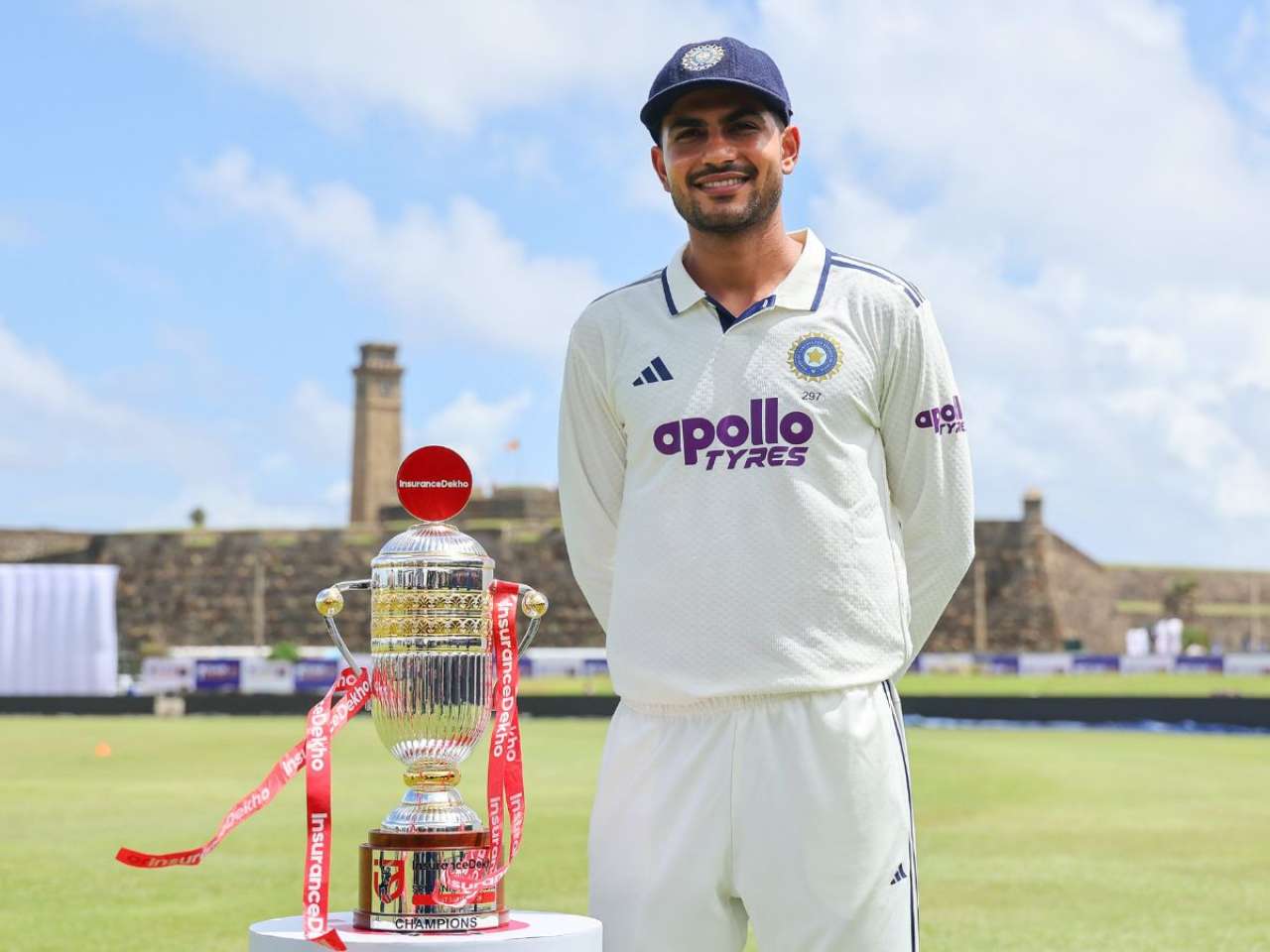
The Journey to 600: A Rich Tapestry of Test Cricket
From Humble Beginnings to Global Powerhouse
India’s Test cricket journey began on June 25, 1932, at Lord’s against England, marking the country’s entry into the elite club of Test-playing nations. From those humble beginnings, often characterized by struggles for consistency and recognition, Indian cricket has traversed a remarkable path, evolving into a dominant force on the global stage. Early decades saw sporadic victories and the emergence of individual brilliance, but it was in the latter half of the 20th century, particularly with the advent of formidable spin quartets and later, aggressive pace batteries, that India began to assert its presence.
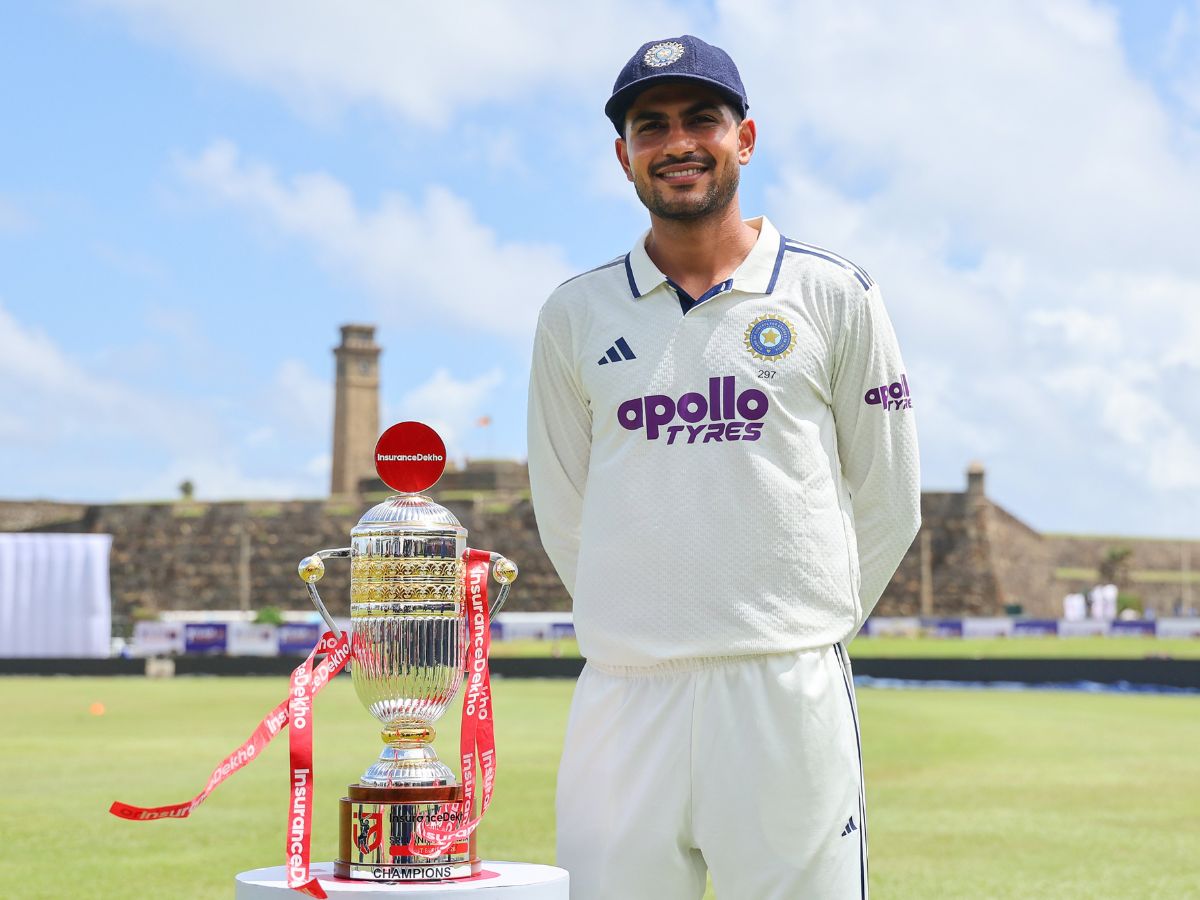
The journey to 600 Tests has been punctuated by legendary captains, iconic victories, and transformative eras. From the inspirational leadership of Mansoor Ali Khan Pataudi and Sunil Gavaskar, to the aggressive captaincy of Sourav Ganguly, the strategic brilliance of MS Dhoni, and the unwavering intensity of Virat Kohli, each generation has contributed to shaping India’s Test identity. Landmark series wins at home and abroad, the rise of batting maestros like Sachin Tendulkar, Rahul Dravid, and VVS Laxman, and the development of world-class fast bowlers and spinners have all woven together the rich tapestry of Indian Test cricket, making it a beloved institution for millions of fans. Reaching the 600-Test mark places India alongside cricketing giants like England, Australia, and West Indies, a testament to its longevity, resilience, and commitment to the purest form of the game.
)
India vs. Sri Lanka: A Rivalry Forged in Asia
The rivalry between India and Sri Lanka in Test cricket, though relatively younger than some other traditional contests, has produced numerous memorable encounters. Sri Lanka gained Test status in 1982, and their first Test against India was played in Chennai in 1982. Over the years, the two nations have engaged in spirited contests, primarily in the subcontinental conditions that often favor spin bowling.
Historically, India has enjoyed a significant upper hand in this rivalry. Of the 46 Test matches played between the two nations, India has emerged victorious in 22, showcasing a dominant win percentage of approximately 48%. Sri Lanka, in contrast, has managed 7 wins, while 17 matches have ended in draws. When the battle shifts to Sri Lankan soil, India’s record, while still favorable, becomes slightly less overwhelming. In 24 matches played in Sri Lanka, India has secured 9 wins, suffered 7 losses, and drawn 8. This upcoming series, therefore, presents another opportunity for India to further cement its dominance while Sri Lanka will be keen to leverage home advantage and a challenging pitch to upset their formidable neighbors.

The Statistical Landscape: India’s Pursuit of Greatness
Overall Test Record and the 187th Victory Target
As India steps onto the field for its 600th Test, the statistical backdrop is compelling. The team is chasing its 187th victory in Test cricket, a target that, if achieved, would place them alongside the West Indies, who also boast 187 wins. This achievement would be a significant milestone, underscoring India’s consistent performance and growing stature in the Test arena.
Currently, India’s overall Test record stands as follows:
)
- Matches Played: 599
- Wins: 186
- Losses: 172
- Draws: 240
- Ties: 1
- Win Percentage: Approximately 31.05%
While this win percentage might seem modest compared to some top-tier nations, it reflects the long and often arduous journey of Indian Test cricket, which included periods of development and adaptation. The pursuit of the 187th win is not merely about numbers; it symbolizes the team’s ambition to climb higher in the echelons of Test cricket history and to solidify its position among the sport’s most successful nations.
Head-to-Head Against Sri Lanka: A Dominant Run
The head-to-head statistics against Sri Lanka paint a picture of Indian dominance, particularly in recent decades. The 48% win rate against Sri Lanka is one of India’s best against any major Test-playing nation. This dominance is often attributed to India’s superior depth in both batting and bowling, especially in conditions that mimic their home pitches.
)
The breakdown of their encounters reveals:
- Total Matches: 46
- India Wins: 22
- Sri Lanka Wins: 7
- Draws: 17
On Sri Lankan soil, the contest has been more evenly matched, although India still holds the edge:
)
- Matches in Sri Lanka: 24
- India Wins: 9
- Sri Lanka Wins: 7
- Draws: 8
These numbers suggest that while India is the clear favorite, playing away from home always presents its unique set of challenges, especially at a venue like Galle, which has historically been a fortress for Sri Lanka.
The Galle Challenge: Pitch Dynamics and Strategic Hurdles
The Enigma of the Galle International Stadium
The Galle International Stadium is one of cricket’s most picturesque venues, nestled beside the historic Galle Fort and the Indian Ocean. However, its beauty belies a notorious reputation as a veritable spinning cauldron. The pitch at Galle is famously conducive to spin bowling, often offering prodigious turn from day one, which intensifies as the match progresses. This characteristic makes it a dream for spinners and a nightmare for visiting batsmen unfamiliar with its unique behavior.
)
Indian teams typically prepare for tours on pitches designed to mimic the conditions they expect to face. However, the original article notes that the Indian team prepped on a pitch with grass, which is a stark contrast to Galle’s dry, turning track. This discrepancy in preparation could be a significant strategic misstep or a deliberate attempt to prepare for a different type of challenge later in the series. Regardless, the team will need to adapt quickly to the sharp turn and variable bounce that Galle is almost guaranteed to offer. The ability of Indian batsmen to negate quality spin, and their own spinners to exploit the conditions, will be paramount.
India’s Batting Conundrum Against Spin
The specific challenge of the Galle pitch is magnified by a worrying trend in Indian Test cricket: a discernible struggle against quality spin bowling since 2021. While India boasts some of the world’s best batsmen, a collective vulnerability has emerged, particularly against left-arm orthodox and leg-spinners who can exploit turning tracks. This struggle is counter-intuitive for a team from the subcontinent, traditionally adept at playing spin. However, modern techniques and increased exposure to pace-heavy conditions in other parts of the world might have subtly shifted their game.
)
In Galle, this vulnerability could be ruthlessly exposed. Sri Lanka’s spin attack, often led by experienced campaigners and promising youngsters, will be licking their lips at the prospect of bowling on a pitch tailor-made for their craft. For India, neutralizing this threat will require exceptional application, solid defensive techniques, and the courage to counter-attack when opportunities arise. The performance of India’s middle order, in particular, will be under intense scrutiny as they attempt to navigate the turning ball.
Navigating the Injury Crisis: New Faces and Added Responsibilities
The Indian squad for the Galle Test is grappling with a significant injury crisis, forcing team management to dig deep into its talent reserves. The absence of several key regulars not only depletes the team’s experience but also places immense pressure on the new entrants and established players to step up.
)
Key Absences and Their Impact
- Jasprit Bumrah: The absence of India’s premier fast bowler, Jasprit Bumrah, is arguably the most significant blow. His unique action, searing pace, and ability to generate reverse swing make him a potent threat in any conditions. While Galle is a spin-friendly track, Bumrah’s ability to pick up crucial wickets with the new ball or with reverse swing in the middle overs would have been invaluable. His absence shifts the burden of leading the pace attack onto younger shoulders.
- Washington Sundar: A promising all-rounder, Sundar’s injury deprives India of a valuable off-spinner who can also contribute with the bat down the order. His ability to control the flow of runs and pick up wickets in tandem with other spinners would have been crucial on a turning track.
- Sai Sudharsan & Harshit Rana: These young talents were likely vying for spots in the squad, and their injuries mean missed opportunities for them and a reduction in options for the selectors.
These injuries have created a vacuum that the team must fill with talent and resilience. It’s a test of India’s bench strength and the ability of its domestic system to produce ready-to-perform cricketers.
The Rise of the New Guard: Opportunities Amidst Adversity
With key players sidelined, the door has opened for several promising talents, providing them with a golden opportunity to make their mark on the international stage. Players like Saransh Jain, Gurnoor Brar, and Auqib Nabi have earned their call-ups, representing the next generation of Indian cricketers. While their inclusion speaks volumes about their domestic performances, it also highlights the challenge of integrating them into a high-stakes Test match.
)
Furthermore, the squad’s inexperience on Sri Lankan soil is a considerable factor. A staggering 12 players in the current squad, including captain Shubman Gill, have never played a Test match in Sri Lanka before. Only four players possess prior Test experience in these conditions. This lack of familiarity with the local pitches, crowd dynamics, and the overall touring environment could be a hurdle. The leadership group, including Gill and the coaching staff, will have to work overtime to ensure these players are mentally and strategically prepared for the unique challenges of a Test series in Sri Lanka.
Five Key Players Under the Spotlight
As India navigates its 600th Test, several individual performances will be critical, not only for the match outcome but also for the players’ careers and the team’s long-term strategy.
)
1. Sarfaraz Khan: The Redemption Arc at No. 3
Sarfaraz Khan’s return to the Test squad after a two-year hiatus is a story of perseverance and prolific domestic scoring. Widely regarded as one of the most consistent performers in Indian first-class cricket, his inclusion is a testament to his relentless pursuit of runs. The spotlight will be firmly on him, especially if he is tasked with filling the crucial No. 3 batting position. Since the departure of Cheteshwar Pujara, India has struggled to find a consistent and reliable option at this vital slot, often rotating players without settling on a long-term solution.
Sarfaraz’s aggressive yet composed style, coupled with his ability to bat for long periods, makes him an intriguing prospect for No. 3. His challenge will be to translate his domestic dominance to the international stage, particularly against high-quality spin on a challenging Galle pitch. His performance could dictate the solidity of India’s middle order.
)
2. Mohammed Siraj: Leading the Pace Battery
With Jasprit Bumrah out, Mohammed Siraj automatically steps up as the spearhead of India’s pace attack. Siraj has rapidly evolved into a reliable and potent fast bowler across formats, known for his relentless energy, ability to swing the ball, and knack for picking up crucial wickets. While Galle is not typically a pace bowler’s paradise, Siraj’s role will be vital. He will need to provide early breakthroughs with the new ball, maintain pressure during the middle overs, and potentially contribute with reverse swing if the conditions allow. His ability to bowl long spells and keep the Sri Lankan batsmen honest will be key, even as the spinners dominate the show.
3. Manav Suthar: The Left-Arm Spin Option
Manav Suthar caught the eye of selectors with an impressive outing against Afghanistan in June, showcasing his potential as a left-arm orthodox spinner. With Washington Sundar sidelined, Suthar is a strong contender to be the third spin option in the playing XI, alongside more established names. Left-arm orthodox spinners have historically found success in Galle, exploiting the footmarks created by right-handed batsmen and generating sharp turn. Suthar’s ability to control the flow of runs, extract turn, and vary his pace will be critical in supporting the primary spinners and ensuring India maintains pressure throughout the innings. This match could be a defining moment for his nascent Test career.
)
4. Devdutt Padikkal: Knocking on the Door with Form
Devdutt Padikkal arrives in Sri Lanka in scintillating form, having hammered an unbeaten 142 in the warm-up match. The elegant left-hander has long been touted as a future star, known for his graceful stroke play and ability to score big hundreds. His warm-up century, particularly under pressure, has put him firmly in contention for a spot in the playing XI, possibly at No. 3, challenging Sarfaraz Khan, or even in another batting slot depending on the team combination. Padikkal’s ability to play both pace and spin with equal comfort could be an invaluable asset on a tricky Galle wicket. His confidence will be sky-high, and the team management will be tempted to capitalize on his rich vein of form.
5. Kuldeep Yadav: The Wrist-Spinner’s Domain
Kuldeep Yadav, the enigmatic left-arm wrist-spinner, could be India’s trump card in Galle. Wrist-spinners, with their ability to turn the ball both ways and often unpredictably, thrive on pitches that offer assistance. Kuldeep, when in rhythm, can be unplayable, baffling batsmen with his variations and flight. Galle’s turning track is precisely the kind of surface where Kuldeep can unleash his full repertoire and become a genuine game-changer. His ability to pick up wickets in clusters and break partnerships will be crucial, particularly if the match stretches into the latter days where the pitch is expected to crumble further. All eyes will be on Kuldeep to provide the crucial breakthroughs that India needs.
)
The Unpredictable Element: Weather’s Dominant Role
Galle’s Monsoon Threat
Beyond the tactical battles and individual brilliance, an external force threatens to dominate the narrative of this historic Test: the weather. AccuWeather reports a strong chance of rain for all five days of the match, with a staggering 82% probability on Day 1 alone. Galle, being a coastal city, is susceptible to monsoonal patterns, and heavy rainfall can significantly disrupt play.
The implications of such a forecast are profound. Frequent rain interruptions can lead to a stop-start affair, breaking the rhythm of both batsmen and bowlers. It can affect the pitch by adding moisture, potentially making it tackier initially before drying out and assisting spin even more. Extended periods off the field can also impact player concentration and fitness. Captains might be forced to make strategic decisions based on the weather, such as declaring early to capitalize on a potentially dry period or opting for aggressive batting to secure a lead before rain sets in.
)
The Specter of a Washed-Out Draw
The most disheartening consequence of persistent rain would be a washed-out draw. For a team celebrating its 600th Test and chasing a significant victory milestone, a rain-marred draw would be an anticlimax. It would deny India the opportunity to achieve their 187th win and match the West Indies’ record, potentially dampening the spirits surrounding this historic occasion. Furthermore, a draw would mean a shared series lead from the outset, putting added pressure on subsequent matches. Fans, players, and officials alike will be anxiously monitoring the skies above Galle, hoping that the cricket takes precedence over the meteorological events.
Implications and the Road Ahead
Shaping India’s Test Cricket Future
This 600th Test is more than just a number; it’s a reflection point for Indian Test cricket. A strong performance, particularly a victory, would not only mark the milestone fittingly but also provide crucial momentum for the team, especially with an eye on the ongoing World Test Championship cycle. Every win contributes valuable points towards qualifying for the final, and India will be keen to start this series on a positive note.
)
The performance of the young, inexperienced players under pressure will also be keenly watched. Their ability to step up in the absence of regulars will inform future selection policies and highlight the depth of talent within Indian cricket. It’s an opportunity for these newcomers to stake their claim for long-term roles in the Test setup.
The Broader Narrative of Test Cricket
In an era increasingly dominated by shorter formats like T20, milestones like a nation’s 600th Test serve as powerful reminders of the enduring appeal and historical significance of Test cricket. It underscores the sport’s rich heritage, its tradition of resilience, and the ultimate test of skill, character, and endurance it demands. Such events captivate traditionalists and help introduce the magic of Test cricket to new generations of fans. For India, this match is a celebration of its journey, its heroes, and its unwavering commitment to the purest form of the game.
)
Conclusion: Awaiting the First Ball Amidst High Stakes
As the clock ticks down to August 15, the atmosphere in Galle is charged with anticipation. India’s 600th Test is set to be a spectacle of history, ambition, and intense cricketing challenge. From the hallowed grounds of Galle, where the pitch promises a stern examination of skill and temperament, to the looming threat of the monsoon rains, every element contributes to a narrative rich with intrigue.
The team, led by Shubman Gill, will need to overcome the dual challenges of a spin-friendly wicket and a depleted squad, while simultaneously battling the unpredictable forces of nature. The eyes of the cricketing world will be on this historic encounter, eager to witness if India can script a memorable victory to celebrate its landmark achievement, or if the elements and a determined Sri Lankan side will combine to spoil the party. Whatever the outcome, this match is destined to be etched into the annals of Indian cricket history.
