

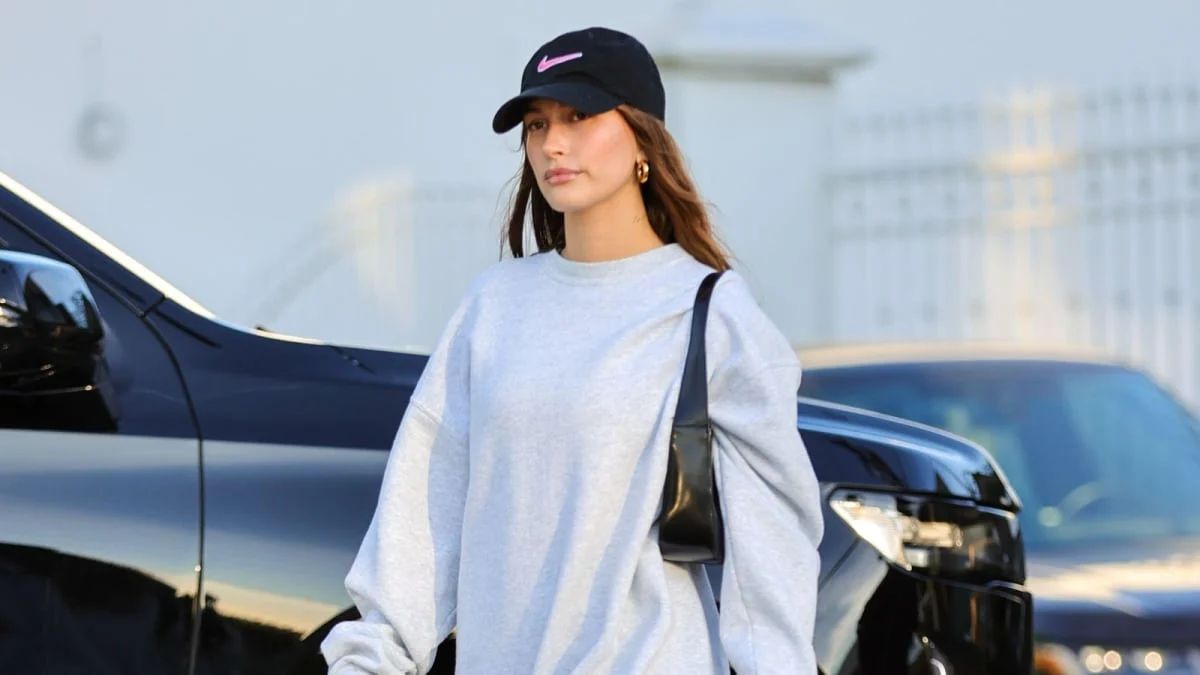
New Delhi, India – In a significant evolution of our relationship with apparel, fashion is no longer confined to the realm of fleeting trends and superficial aesthetics. Today, clothing is increasingly recognized as a profound psychological tool, intricately woven into our sense of confidence, comfort, and overall well-being. This paradigm shift sees fashion transcending its decorative purpose to become a powerful "wellness language," influencing our moods, behaviors, and how we present ourselves to the world.
The fundamental understanding of this phenomenon lies in the concept of "enclothed cognition," a psychological principle that posits our clothing choices can significantly impact our cognitive processes, emotional states, and even our performance. While the term might sound academic, its manifestations are deeply ingrained in everyday experiences. The sharp silhouette of a tailored blazer before a critical meeting, the energizing embrace of a workout set that motivates a morning run, or the immediate sense of poise brought on by a crisp shirt – these are all testaments to the subtle yet potent influence clothing wields over our energy and self-perception.
The Rise of the Wellness Wardrobe: Comfort as the New Aspiration
The most visible testament to this sartorial revolution is the pervasive integration of activewear into our daily lives. What was once confined to the gym or athletic pursuits has now seamlessly transitioned into a cornerstone of everyday identity. Prithvi Bhagat, founder of STRCH Activewear, observes this profound shift, stating, "I’ve always found it interesting how simply changing what you wear can change how you carry yourself. It’s the same reason a uniform changes your mindset the moment you put it on. Activewear works in a very similar way today. For many people, it’s no longer reserved just for workouts; it has become part of how they move through their day."
This evolution is a direct reflection of modern living. In an era characterized by hybrid work models, a heightened emphasis on personal wellness routines, and the constant demands of travel and dynamic lifestyles, clothing is expected to perform a multitude of roles. Functionality, once a secondary consideration, has quietly ascended to aspirational status. Bhagat further elaborates on the specific context of India, highlighting how the climate and the fast-paced rhythm of life make comfort an indispensable element. Breathable fabrics, stretch technology, moisture-wicking properties, and lightweight constructions, while appearing as mere technical specifications, are instrumental in fostering ease and, consequently, boosting confidence. "When clothing moves naturally with you," Bhagat explains, "it removes distraction and lets you focus less on what you’re wearing and more on how you want to show up."
Beyond Athleisure: The Emotional Resonance of Tailoring and Smart-Casual
The psychological impact of dressing extends far beyond the realm of activewear. Across professional environments, social gatherings, and even the digital sphere, individuals are becoming increasingly attuned to the emotional language embedded within their clothing choices. This growing trend of "intentional dressing" underscores a deeper human desire for control and self-definition in our often overstimulated modern lives.
Nitin Mohan, Director at Blackberrys, underscores this sentiment: "Clothing has always played a deeper role than just appearance. What we choose to wear influences how we think, carry ourselves, and engage with the world around us." This perspective sheds light on the subtle yet significant recalibration occurring within the formalwear sector. No longer solely associated with rigid corporate structures, tailoring is now embraced as a potent tool for cultivating personal authority and psychological preparedness. Similarly, the evolution of smart-casual dressing reflects a nuanced understanding of competence and authenticity, offering a polished presence that remains comfortably approachable. Mohan elaborates, "At Blackberrys, we see formal and smart-casual dressing as more than a style choice. It is often the first step towards feeling prepared, confident, and self-assured."
Wellness-Led Fashion: Effortlessness as the New Luxury
This pervasive philosophy is now actively shaping wellness-led fashion categories, where the primary objective is not merely to flatter the wearer but to actively reduce friction in their daily lives. In contemporary society, the true luxury of dressing lies in achieving effortless style and seamless transitions.
Umashan Naidoo, Head Customer & Beauty at Trent Ltd, articulates the profound connection between activewear and the cultivation of consistency, emotional well-being, and routine building. "Committing to a daily workout is ultimately a commitment to a stronger, more evolved version of yourself," she states. "To maintain that consistency, your gear should remove friction, not create it." Naidoo highlights the intentional design principles behind collections like Nuoflexx, which are meticulously crafted to simplify decision-making through coordinated pieces and adaptive functionality. The overarching goal is not elaborate styling but the promotion of mental ease, providing clothing that supports momentum rather than hindering it. "This collection has been thoughtfully curated for effortless coordination, so you can look and feel put together without the mental fatigue of overthinking your activewear," she adds.
Implications for the Modern Consumer and the Future of Fashion
The collective insights from these industry leaders reveal a broader cultural metamorphosis: fashion is becoming inextricably linked with wellness, productivity, and emotional experience. The modern consumer is no longer driven solely by external validation but by an intrinsic need for internal alignment – the desire to feel calmer, sharper, stronger, softer, more capable, or simply, more like their authentic selves.
Perhaps this is why the most impactful fashion today is not necessarily the most ostentatious. Instead, it is the attire that possesses the subtle power to transform posture, elevate mindset, and enhance movement, often before a single word is spoken. This nuanced understanding of clothing’s psychological impact signifies a paradigm shift, where the act of dressing is elevated from a mundane necessity to a conscious act of self-care and self-expression.
The future of fashion, therefore, lies not just in innovative designs and sustainable practices, but in its capacity to deeply resonate with the psychological needs of individuals. As we navigate the complexities of modern life, the clothes we choose will continue to serve as powerful allies, empowering us to face the world with greater confidence, comfort, and a profound sense of self. This evolution underscores that fashion, at its core, is not merely about what we wear, but about how what we wear makes us feel, and consequently, how we choose to be.
