

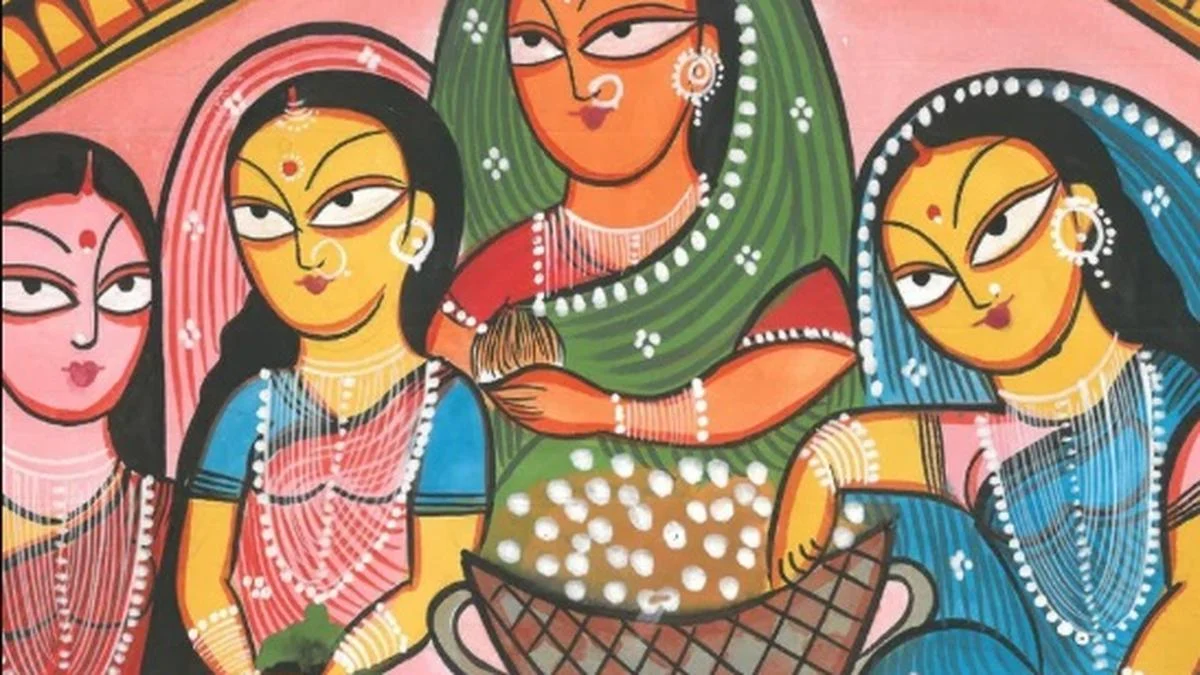
The air in North Kolkata’s narrow lanes is often thick with a specific, heady aroma—a mixture of boiling milk, caramelizing sugar, and the faint, earthy scent of coal fires. This is the olfactory signature of the mishti habolo, the sweet-making workshop. For centuries, the Bengali identity has been inextricably linked to its confectionery. From the iconic syrupy Rosogolla to the dry, fudge-like Sondesh, these treats are more than mere desserts; they are cultural artifacts that have survived famines, partitions, and the relentless march of globalization.
In her seminal new work, Sweet Excess: Crafting Mishti in Bengal, Ishita Dey, an Assistant Professor at South Asian University, Delhi, peels back the layers of this sugar-coated industry. The book is an exhaustive ethnographic study that transcends the culinary, examining the mishti industry through the complex lenses of caste hierarchy, religious ritual, scientific precision, and the evolving framework of food laws.
Main Facts: The Scholarly Pursuit of Sweetness
Ishita Dey’s research is not merely an academic exercise; it is a journey rooted in personal history and professional rigor. Having grown up in the industrial township of Bandel in the Hooghly district, Dey’s relationship with sweets began as a sensory experience—the "melt-in-the-mouth" sensation of a piping hot Rosogolla from a local vendor in Tribeni. However, as a sociologist focusing on labor and the senses, she recognized that the story of the sweet was also the story of the person who made it.
Sweet Excess is the result of extensive fieldwork conducted across the porous borders of West Bengal and Bangladesh. The book documents the life of the karigars (artisans), the business strategies of heritage sweet shops, and the bureaucratic hurdles of modern food safety regulations.
Ahead of her upcoming talk at Bengaluru’s Champaca Bookstore on May 30, Dey emphasizes that the geography of Bengal is unique. "This is a region that has witnessed devastating famines and intense food movements, yet it has never lost its passion for mishti," she notes. Her work highlights how the industry serves as a mirror to the region’s resilience and its complex social stratifications.
Chronology: The Evolution of the Bengali Sweet
To understand the current state of the industry, one must look at the historical trajectory of Bengali confectionery, which underwent a radical transformation in the 18th and 19th centuries.
The Pre-Chhana Era
Before the arrival of European influence, Bengali sweets were primarily made from sugar, jaggery (gur), and grain flours. These were known as shushko mishti (dry sweets). The use of curdled milk, or chhana, was actually considered a taboo in orthodox Hindu offerings, as curdling was seen as "breaking" the purity of milk.
The Portuguese Influence and the Chhana Revolution
The 17th-century Portuguese settlers in Bandel—the very town where Dey spent her childhood—introduced the technique of curdling milk with acidic agents. This "technological transfer" revolutionized Bengali confectionery. The local artisans, specifically the Moira caste, adopted this method to create a versatile base that could be molded, flavored, and soaked.
The 19th Century "Sweet Renaissance"
The mid-1800s saw the rise of legendary confectioners who transformed mishti into a high art form.
- 1826: Bhim Chandra Nag established his shop in Bowbazar, later gaining fame for his Ledikeni (named after Lady Canning).
- 1868: Nobin Chandra Das invented the modern Rosogolla in Bagbazar, perfecting the science of boiling chhana balls in syrup without them disintegrating.
- 1900s-Present: The establishment of iconic brands like KC Das, Putiram, and Deshbandhu solidified the commercial identity of Bengali sweets.
Supporting Data: The Intersectional Lens of Mishti
Dey’s research provides critical data on how the industry is structured around invisible social lines.
Caste and Labor Dynamics
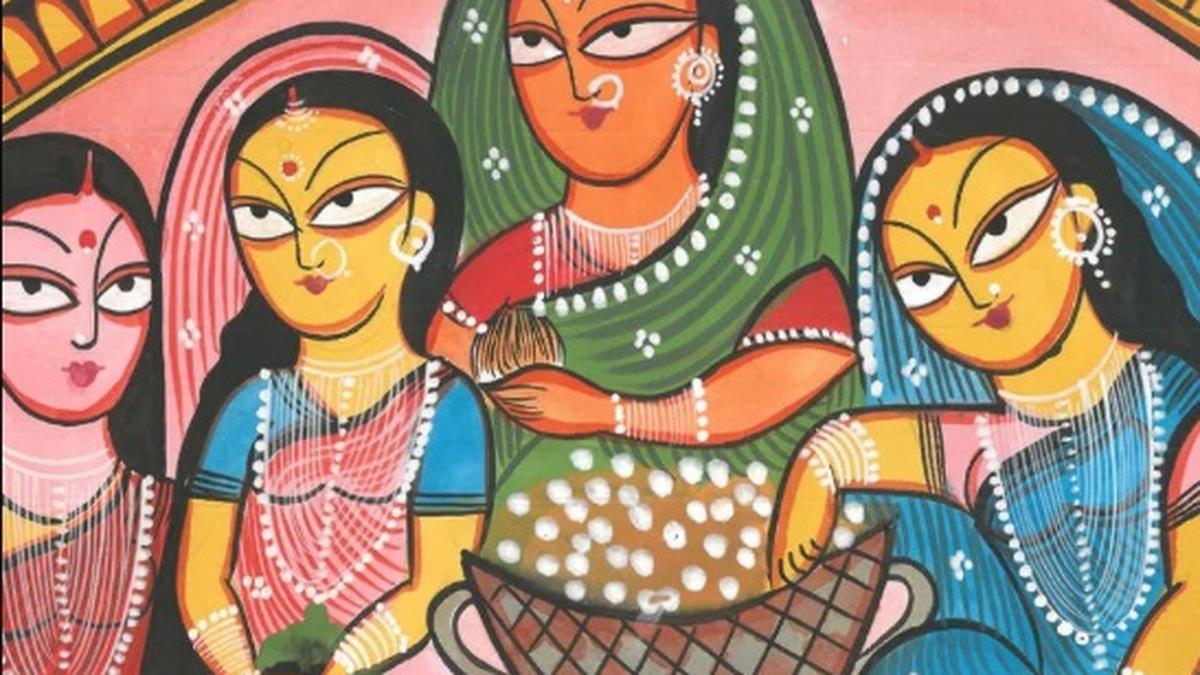
The production of mishti has historically been the preserve of the Moira and Kuri castes. Dey’s research highlights that while the owners of famous shops often belong to these traditional castes, the actual labor—the karigars—often comes from marginalized communities and migratory backgrounds. The "labor of the senses" is a key concept in her book; artisans must "feel" the temperature of the syrup and the consistency of the dough with a precision that no machine has yet replicated perfectly.
The Science of Consistency
The book delves into the chemistry of milk. The quality of mishti depends entirely on the fat content and the "age" of the chhana. In West Bengal, the supply chain for milk is a logistical marvel, involving thousands of small-scale dairy farmers who must deliver their produce to the city workshops before the heat of the day spoils the batch.
The Geographical Divide
Dey’s inclusion of Bangladesh in her research provides a comparative data set. While West Bengal focuses heavily on chhana-based sweets, the Bangladeshi tradition (especially in regions like Comilla and Natore) maintains a robust culture of kheer (condensed milk) and malai based sweets. The Kachagolla of Natore and the Rasomalai of Comilla represent a different trajectory of the same artisanal lineage.
Official Responses and Industry Perspectives
The mishti industry is currently at a crossroads, facing pressure from both regulatory bodies and the forces of modernization.
The GI Tag Dispute
One of the most significant legal "official responses" in recent years was the battle for the Geographical Indication (GI) tag for the Rosogolla. In 2017, West Bengal was granted the GI tag for ‘Banglar Rosogolla’ after a long-standing dispute with Odisha. This legal battle underscored the fact that mishti is not just food; it is intellectual property and a symbol of state pride.
Food Safety and Standardization
The Food Safety and Standards Authority of India (FSSAI) has recently tightened regulations regarding the shelf life and labeling of sweets. While aimed at public health, many traditional shop owners argue that these "official" mandates are difficult to apply to artisanal, preservative-free products. "The law often struggles to categorize an artisanal product that changes its chemical composition every few hours," an industry veteran noted in response to the new labeling laws.
The Karigar Crisis
Industry leaders have expressed concern over the "vanishing artisan." As the younger generation of the Moira caste seeks white-collar employment, the industry is facing a shortage of skilled labor. The response from major houses like KC Das has been to move toward semi-automation, though purists argue that the "soul" of the mishti is lost in the process.
Implications: The Future of the "Sweet Excess"
The title of Ishita Dey’s book, Sweet Excess, suggests a duality. While it refers to the abundance and indulgence of the Bengali palate, it also hints at the "excesses" of the system—the grueling labor conditions, the rigid caste structures, and the environmental impact of large-scale dairy production.
Globalization and the Diaspora
The implications of Dey’s research suggest that the mishti industry is no longer localized. With vacuum-packing technology and global shipping, the Banglar Rosogolla is now available in London, New York, and Dubai. This globalization, however, leads to a "standardization of taste," where the nuances of regional varieties (like the Joynagarer Moa) might be sacrificed for a longer shelf life.
Cultural Preservation
Dey’s work serves as a call to recognize the mishti industry as "intangible cultural heritage." Just as the French protect their cheese-making traditions, there is a growing movement in Bengal to document and preserve the specific techniques of the karigars.
Conclusion
Sweet Excess: Crafting Mishti in Bengal is a reminder that when we bite into a piece of Sondesh, we are consuming a piece of history. It is a history flavored by the Portuguese, shaped by the Renaissance of the 19th century, and complicated by the socio-political realities of the 21st. As Ishita Dey prepares to share her findings with the audience in Bengaluru, the takeaway is clear: the sweetness of Bengal is not just in the sugar, but in the complex, bitter-sweet human stories that bring it to the table.
Event Details:
- What: Talk by Ishita Dey on Sweet Excess: Crafting Mishti in Bengal
- Where: Champaca Bookstore, Bengaluru
- When: May 30, 2026
- Focus: Food, labor, and the sensory history of Bengal.
