

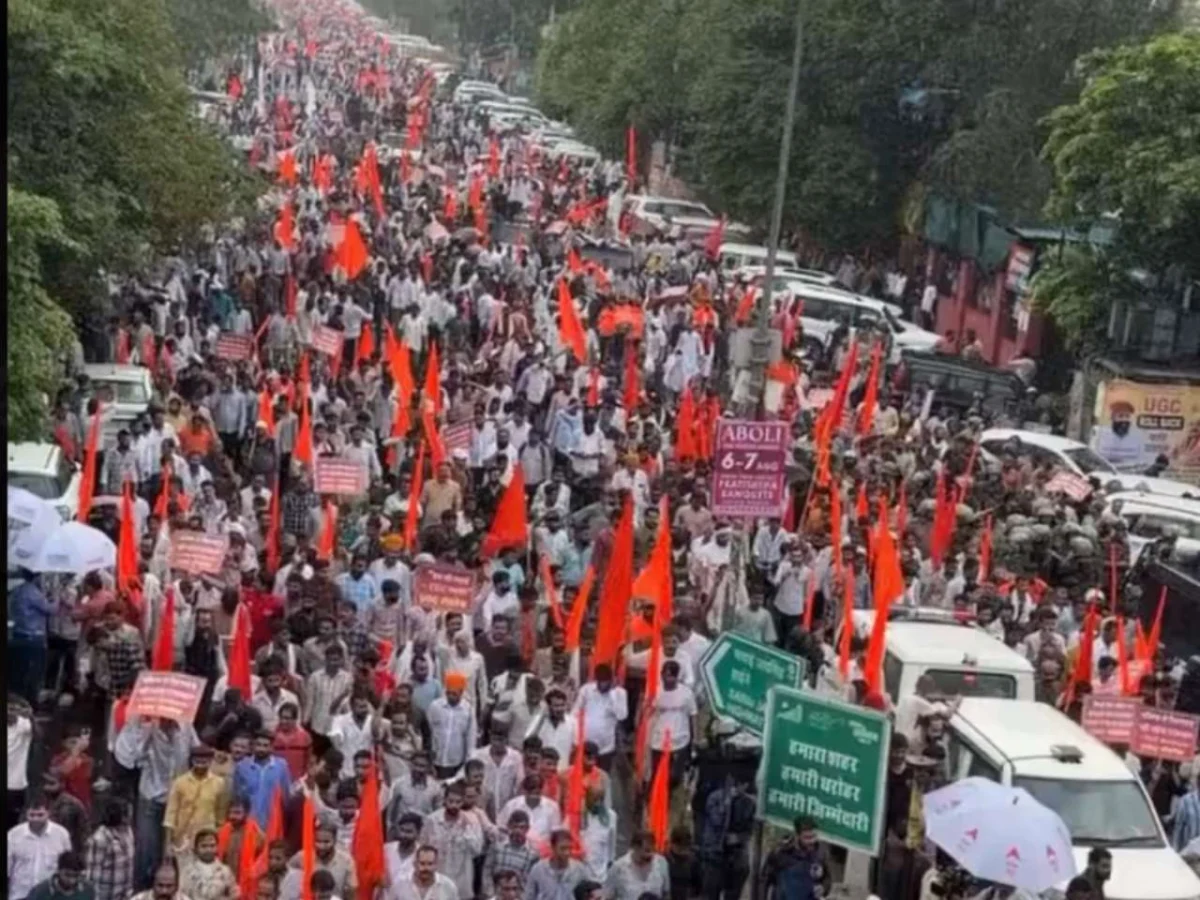
New Delhi, India – August 6, 2026 – Weeks after a nationwide outcry over alleged irregularities in the NEET-UG examination, India finds itself at the precipice of another significant societal debate, this time centering on the deeply entrenched system of caste-based reservations in education and employment. A burgeoning anti-reservation movement, fueled by viral online campaigns, impassioned student activism, and increasingly visible street protests across multiple states, is forcefully bringing the contentious issue back into the national spotlight. While these disparate groups lack a unified leadership or overarching organizational structure, their collective voice is amplifying demands for a fundamental review, and in some cases, a complete overhaul of India’s decades-old affirmative action policies.
The Resurgence of Anti-Reservation Sentiment
The current wave of anti-reservation sentiment is a complex phenomenon, drawing energy from various platforms and individuals. One prominent figure who has rapidly gained national recognition is Harsh Dubey. Dubey’s impassioned arguments against caste-based quotas during a television debate concerning the NEET-UG paper leak resonated with a significant segment of the populace. He articulated a narrative that linked reservation policies to heightened student pressure and the exacerbation of mental distress, a perspective that has since gained considerable traction online.
)
Following his viral appearance, Dubey has cultivated a substantial social media following, secured numerous media interviews, and is currently awaiting official permission from the Delhi Police to organize a protest at the iconic Jantar Mantar. However, Dubey represents only one facet of a much broader and increasingly vocal movement that is simultaneously taking shape across the digital landscape and in public spaces across India.
)
The "Reservation Hatao Andolan": A Digital Catalyst
At the heart of the online surge is the "Reservation Hatao Andolan" (RHA), an initiative primarily driven through Instagram. Founded by a student named Vedant, the RHA’s social media page has witnessed an exponential growth in followers, attracting millions who engage with content advocating for reforms in India’s reservation policy. This digital platform has become a crucial hub for disseminating information, organizing discussions, and mobilizing support for the anti-reservation cause.

The RHA has also garnered endorsements from a range of public figures, including academic Anand Ranganathan, journalist Ajeet Bharti, and writer-director Anuradha Tiwari. This diverse support base lends an intellectual and cultural weight to the movement, broadening its appeal beyond student circles. Significantly, the RHA’s strategy appears to prioritize building a robust online discourse and fostering public debate before escalating to large-scale street demonstrations, a departure from the traditional trajectory of many protest movements.
)
Demands for Reform: A Nuanced Approach
While the overarching sentiment is one of opposition to the current reservation framework, the RHA and associated groups have articulated a series of specific demands that suggest a nuanced approach rather than an outright call for immediate abolition. Their proposals include:
)
- Economic Basis for Reservation: A central tenet of the RHA’s argument is the shift from caste-based to economic-based reservation. The slogan "poverty has no caste" encapsulates this demand, advocating for policies that address socio-economic disparities irrespective of religious or caste identity.
- Family Cap on Benefits: The movement proposes limiting reservation benefits to one member per family, aiming to prevent the concentration of advantages within specific lineages and promote wider distribution.
- Minimum Qualifying Marks: A key demand is the introduction of minimum qualifying marks for all categories, including reserved ones. Proponents argue this would ensure that individuals entering higher education or securing employment meet a certain threshold of merit, thereby upholding academic and professional standards.
- Unfilled Reserved Seats to General Category: The RHA advocates for transferring any unfilled reserved seats to the general category, suggesting that such vacancies should not remain unfilled if meritorious candidates from the general pool are available.
- Regular Review of Reservation Lists: The movement calls for periodic reviews of existing reservation lists to ensure their continued relevance and effectiveness, and to identify any potential beneficiaries who may have outgrown the need for such support.
- Phased Out Reservation: In the long term, the RHA suggests a gradual phasing out of reservation if educational and social inequalities demonstrably reduce over time, proposing a data-driven approach to policy evolution.
Furthermore, the movement has expressed strong opposition to the University Grants Commission’s (UGC) 2026 Equity Regulations. Critics argue that these regulations expand reservation provisions without adequately addressing concerns regarding meritocracy and fairness in the selection processes.
)
From Digital Discourse to Street Protests
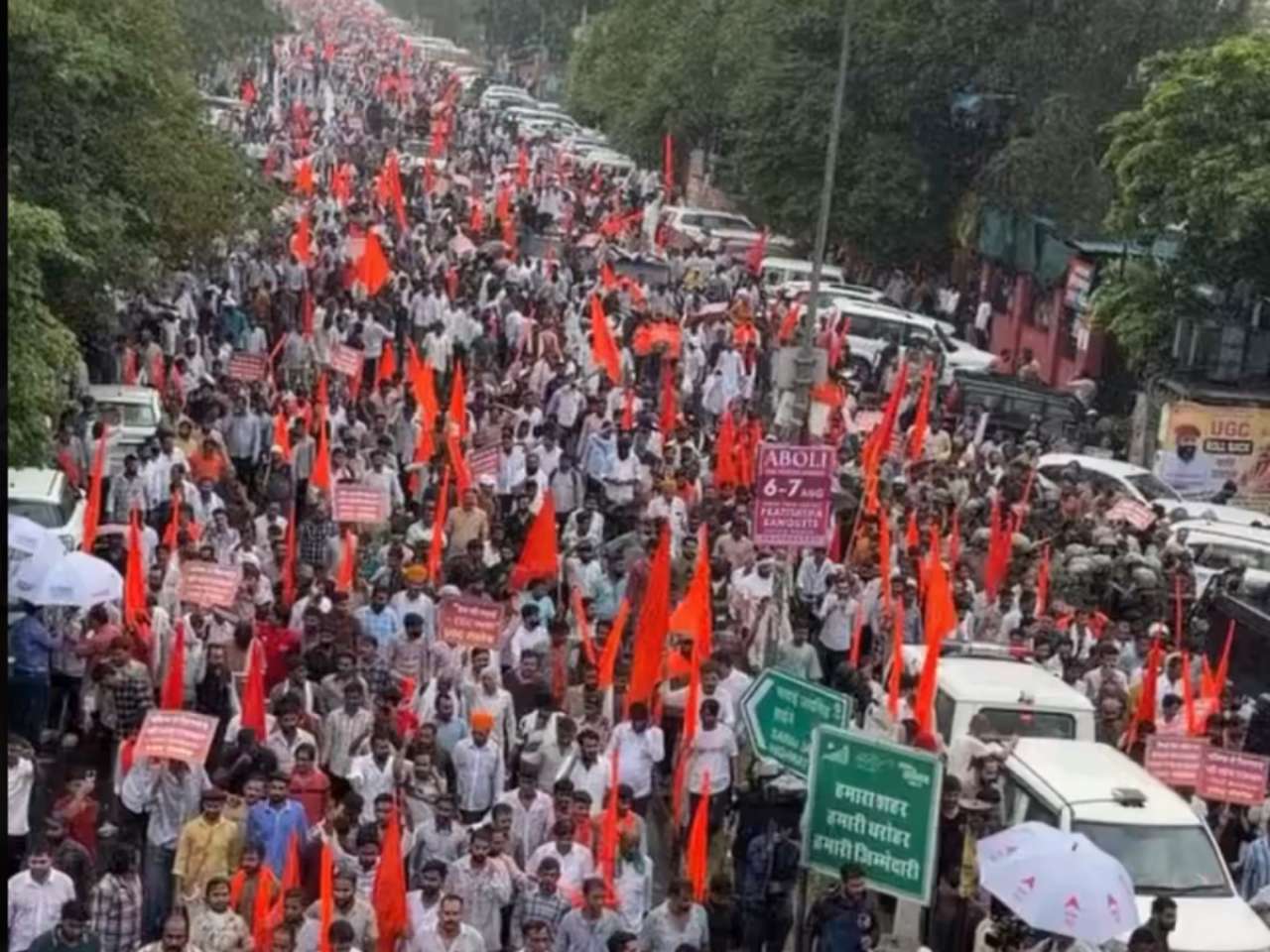
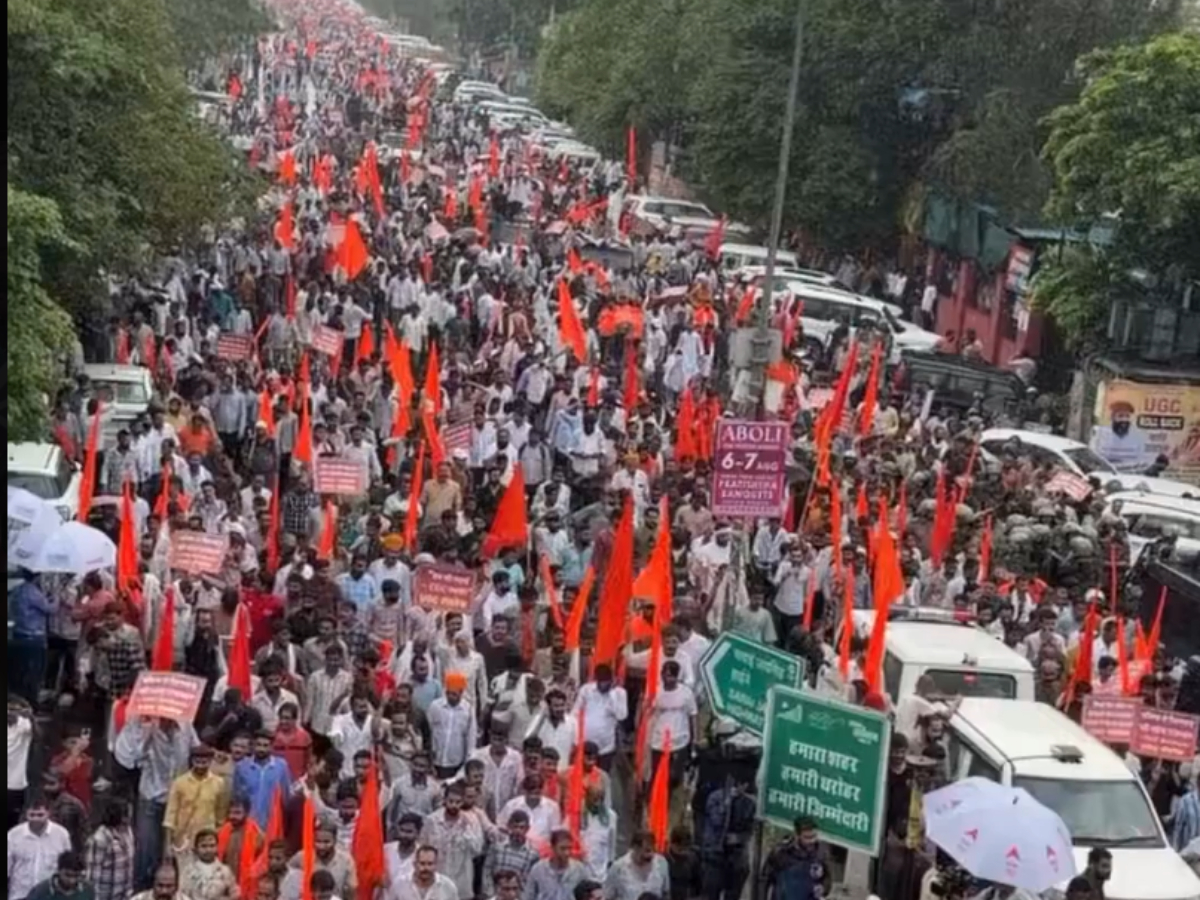
The anti-reservation movement is no longer confined to the virtual realm; it has increasingly spilled onto the streets, manifesting in organized rallies and demonstrations across various states.
)
- Nagpur Rally: The RHA recently held its inaugural public rally in Nagpur, marking this event as the nascent stage of a nationwide campaign. This physical mobilization signifies a strategic shift towards broader public engagement and a more visible assertion of their demands.
- Lucknow Demonstrations: In Lucknow, members of the Savarna Morcha and Swarn Samaj organized protests, echoing the RHA’s call for the rollback of UGC’s caste equity regulations and a complete discontinuation of caste-based reservation.
- Jaipur March: In a significant display of activism, thousands of members of the Shri Rajput Karni Sena embarked on an approximately 800-kilometer march to Jaipur following a 24-day protest. Their primary demand was the withdrawal of the UGC regulations. The demonstration later witnessed clashes with police as protesters attempted to breach barricades, highlighting the intensity of the sentiment. The Karni Sena’s demands extended beyond the UGC rules to encompass a comprehensive review of all reservation-related laws and modifications to the existing Economically Weaker Sections (EWS) reservation framework.
Political Silence Amidst Growing Debate
Despite the escalating public discourse and street activism surrounding reservation, political parties have largely maintained a cautious silence, refraining from taking definitive stances on the issue. This reticence is largely attributed to the politically sensitive nature of reservation, especially in the lead-up to several Assembly elections scheduled over the next year.
)
Reservation has historically been a significant electoral determinant in India, particularly in states like Uttar Pradesh, where caste affiliations continue to play a pivotal role in political alignments and voting patterns. Consequently, leaders across the political spectrum appear to be adopting a wait-and-watch approach, wary of alienating key voter bases by engaging directly with the contentious demands of the anti-reservation movement.
)
Historical Context: Previous Reform Efforts
The discourse around reservation reform is not entirely novel in India. The nation has witnessed previous attempts to address potential imbalances and inefficiencies within the reservation system:
)
- Justice G. Rohini Commission: Established in 2017, this commission was tasked with examining the sub-categorization of Other Backward Classes (OBC) within the central quota. Its recommendations aimed to ensure a more equitable distribution of benefits among various backward communities, acknowledging that the current system might disproportionately favor certain dominant groups within the OBC category.
- BP Sharma Expert Committee: This committee proposed measures to simplify the criteria for determining the "creamy layer" within the OBC reservation. The creamy layer concept aims to exclude affluent members of backward communities from availing reservation benefits, thereby targeting the policy towards those most in need.
However, it is crucial to note that neither of these significant past reform efforts recommended the complete replacement of caste with income as the primary basis for reservation, nor did they advocate for the outright dismantling of the existing system. The current anti-reservation movement’s demands appear to represent a more radical departure from these previous reformist approaches.
)
Supporters Defend the Constitutional Framework
The rising tide of anti-reservation sentiment has inevitably drawn sharp criticism from those who champion the existing system as a cornerstone of social justice and equity. Union Minister of State for Social Justice, Ramdas Athawale, has been a vocal critic of these campaigns, asserting that reservation is a constitutionally guaranteed right that cannot be arbitrarily revoked. He has issued a stern warning, stating that any attempts to dismantle reservation would be met with significant resistance from communities that have historically fought for these affirmative action policies. This highlights the deep-seated divide and the strong emotional and political investment in the current reservation framework.
)
The Path Forward: Fragmentation and Uncertainty
While the visibility of anti-reservation voices has undoubtedly increased, the movement currently remains characterized by a degree of fragmentation. Harsh Dubey is actively engaged in mobilizing supporters through planned public protests, the RHA is steadfastly building its online presence and discourse, and the Shri Rajput Karni Sena is pursuing its independent agitation with distinct objectives.
)
The ultimate trajectory of this burgeoning movement hinges on its ability to overcome these internal divisions. Key determinants of its future success will include:
)
- Formation of Common Leadership: The emergence of unified and recognizable leadership figures who can articulate a cohesive vision for the movement.
- Agreement on a Shared Agenda: The development of a common set of demands and strategies that resonate across the diverse factions within the anti-reservation camp.
- Sustained Public Support: The capacity to maintain and expand public engagement and mobilize a broad coalition of support beyond initial momentum.
For the time being, the debate surrounding reservation has undeniably re-entered the national consciousness with renewed intensity. As both proponents and critics gear up for what promises to be one of India’s most politically charged and socially significant discussions, the coming months will likely witness a further intensification of activism, debate, and political maneuvering around this fundamental aspect of Indian society. The outcome of this burgeoning movement could have profound and lasting implications for the nation’s social fabric and its commitment to affirmative action.
