

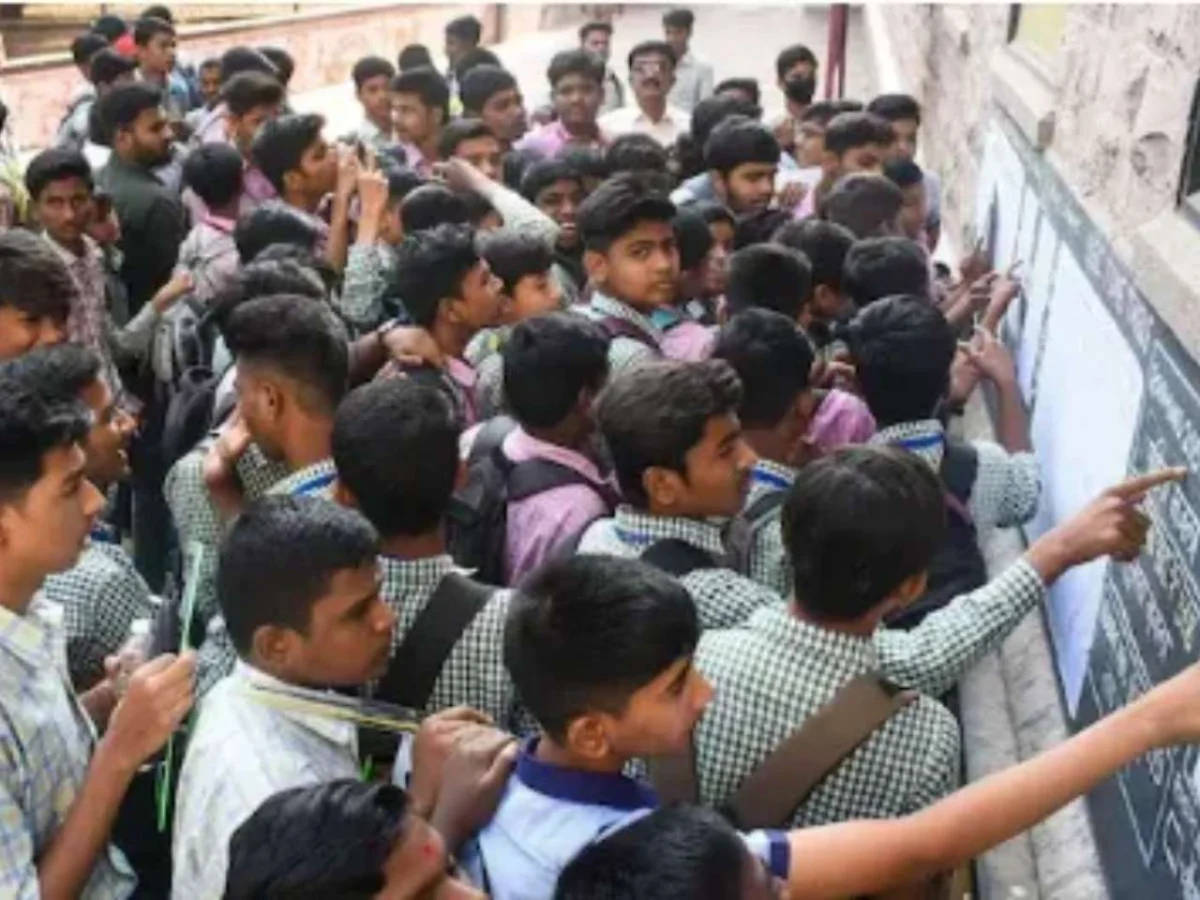
New Delhi, May 29, 2026 – In a move aimed at addressing widespread student distress and allegations of systemic flaws, the Central Board of Secondary Education (CBSE) has officially launched a comprehensive 24/7 post-result support system. This initiative comes on the heels of significant uproar surrounding the board’s One Subject Matter (OSM) system, which has been a focal point of student protests and accusations of unfair evaluation practices. The newly established helpline and digital support channels are designed to offer crucial emotional assistance, stress management guidance, and prompt resolution for queries pertaining to the recent examination results and evaluation processes.
The decision to implement round-the-clock support reflects the palpable anxiety and frustration experienced by a significant number of students and their parents following the release of examination results. While the board has historically offered some level of post-result support, the current crisis, exacerbated by the controversies surrounding the OSM system, has necessitated a more robust and accessible framework. This proactive measure seeks to mitigate the emotional toll on students and ensure a transparent and supportive environment during this critical period of academic transition.
The Unfolding Crisis: Uproar Over the OSM System and Student Protests
The introduction of the 24/7 post-result support system is intrinsically linked to the significant backlash faced by CBSE regarding its One Subject Matter (OSM) system. While details of the OSM system’s internal workings and its specific impact on the recent results remain subjects of ongoing scrutiny, widespread reports and student testimonies suggest a series of alleged discrepancies and errors in the evaluation process. These have, in turn, ignited a wave of student protests across various educational institutions affiliated with the board.
Students have voiced concerns ranging from alleged misinterpretation of answer scripts to discrepancies in the application of marking schemes under the OSM framework. The perceived lack of clarity and the perceived unfairness in the evaluation have fueled a deep sense of injustice among a considerable segment of the student population. Social media platforms have been inundated with accounts of students facing unexpected grade drops and perceived injustices, leading to a heightened sense of urgency for the board to address these grievances. The protests, though largely peaceful, have underscored the profound impact of these alleged systemic issues on the academic futures and mental well-being of thousands of students. The uproar has also drawn the attention of educational stakeholders, including parents, teachers, and policymakers, amplifying the pressure on CBSE to provide a swift and effective resolution.
)
A Chronology of Response: From Uproar to Support System Launch
The timeline leading to the launch of the 24/7 post-result support system highlights a reactive, yet ultimately responsive, approach by the CBSE. The initial uproar over the OSM system, which began to gain traction shortly after the release of the examination results, saw a surge in student grievances being aired through various channels. This crescendo of dissatisfaction culminated in organized protests and widespread online campaigns demanding transparency and redressal.
Recognizing the growing discontent and the potential for further escalation, the CBSE initiated a series of internal reviews and stakeholder consultations. This period was marked by intense discussions within the board’s administrative structure and engagements with educational experts to understand the root causes of the dissatisfaction. The pressure mounted with each passing day as more students came forward with their concerns, making it imperative for the board to take decisive action.

The decision to establish a dedicated 24/7 support system was a direct outcome of these deliberations. The move signifies a commitment to providing immediate assistance and a structured avenue for students to voice their concerns and seek resolutions. The swiftness with which the support system was deployed, following the peak of the student protests, suggests a strategic effort to de-escalate the situation and rebuild trust.
The official announcement of the 24/7 post-result support, coupled with the provision of toll-free numbers and dedicated email addresses, marked a significant turning point. This was further corroborated by a tweet from the official CBSE HQ handle, showcasing the new support system and providing direct links to relevant resources, signaling the board’s intent to be more accessible and responsive to student needs.
)
Unveiling the Support Channels: Toll-Free Numbers and Digital Avenues
The newly implemented 24/7 post-result support system is designed to be accessible through multiple channels, ensuring that students can reach out for assistance at any time and through their preferred medium. The cornerstone of this initiative is a dedicated toll-free helpline, operational around the clock.
Key Support Channels:
)
- Toll-Free Helpline: Students experiencing stress, anxiety, or those with queries related to their examination evaluation can directly call 1800-11-8004. This number is designed to be a primary point of contact for immediate emotional and procedural guidance. The 24/7 availability ensures that students can seek help irrespective of the time of day, a crucial aspect for addressing issues that may arise during critical periods of anxiety.
- Email Support: For students who prefer written communication or require a more detailed exchange, the CBSE has provided two dedicated email addresses:
- [email protected]: This general inquiry email is likely to handle a broader range of questions related to post-result processes.
- [email protected]: This specific email address is expected to cater to queries directly related to examination results and their associated evaluation.
The availability of both phone and email support underscores a commitment to accommodating diverse student needs and preferences. The 24/7 nature of the helpline, in particular, addresses the critical need for immediate emotional support, acknowledging that academic stress can manifest at any hour. This multi-pronged approach aims to create a robust safety net for students navigating the complexities of post-result procedures.
Data-Driven Response: Re-evaluation and Verification Statistics
In conjunction with the enhanced support system, the CBSE has also provided crucial data regarding the ongoing re-evaluation and verification processes for Class 12 examinations. This information offers a tangible insight into the scale of student engagement with these post-result procedures and the extent of scrutiny being applied to answer scripts.
)
Key Statistics for CBSE Class 12 Re-evaluation and Verification:
- Applications for Answer Script Access: As of recent reports, over 4,04,319 students have formally applied to access their answer scripts. This figure alone indicates a substantial number of students who are seeking to review their performance in detail.
- Total Answer Books Requested: The sheer volume of requests is further highlighted by the total number of answer books sought for review, which stands at an impressive 11,31,961. This suggests that many students are opting to review multiple subjects.
- Digitally Provided Answer Books: A significant portion of these requests have already been fulfilled, with 8,98,214 answer books having been digitally provided to the applicants. This demonstrates the board’s capacity to process and deliver digital copies of answer scripts efficiently.
The data also outlines the phased approach to the re-evaluation and verification process. The portal for verification and re-evaluation applications was slated to commence on May 29, 2026. The board has indicated that this portal will remain open for a minimum of two days following the dissemination of the last scanned and evaluated answer book to applicants, providing a crucial window for students to initiate their requests.
)
Associated Fees:
- Verification Fee: Students are required to pay a processing fee of Rs 500/- per answer book for the verification process.
- Re-evaluation Fee: For those opting for a more in-depth re-evaluation, the fee is set at Rs 100/- per question. This tiered fee structure allows students to choose the level of scrutiny they deem necessary for their individual cases.
These statistics not only quantify the student response but also provide a backdrop against which the effectiveness of the new support system can be assessed. The high number of applications for re-evaluation underscores the underlying concerns about the accuracy and fairness of the initial grading.
)
Official Responses and Ministerial Oversight
The gravity of the situation has not gone unnoticed by higher authorities. Union Education Minister Dharmendra Pradhan has taken a proactive stance, conducting a high-level review meeting at the CBSE headquarters in Dwarka, New Delhi, on Thursday, May 28, 2026. The meeting was attended by key stakeholders, including the DoSEL Secretary, the CBSE Chairperson, Directors from IIT Madras and IIT Kanpur, and senior officials from the Ministry of Education (MoE), Kendriya Vidyalaya Sangathan (KVS), Public Sector Banks (PSBs), and CBSE itself.
The agenda of this crucial meeting focused on a comprehensive review of the CBSE Class XII evaluation process and the subsequent post-result procedures. Discussions reportedly encompassed several critical areas aimed at improving the student experience and the board’s operational efficiency.
)
Key Discussion Points from the Review Meeting:
- Student-Friendly Re-evaluation Portal: Enhancing the user experience and accessibility of the re-evaluation portal was a significant point of discussion, aiming to streamline the application process for students.
- Strengthening Digital Platforms: The meeting emphasized the need to bolster CBSE’s digital infrastructure to ensure greater reliability, security, and efficiency in all online processes, from result dissemination to application submissions.
- Improved Exam and Result Facilitation: A core objective was to identify measures to make the entire examination and result process more student-centric and less prone to errors or confusion.
- Enhanced Evaluation and Monitoring Systems: The discussions likely delved into strengthening the internal mechanisms for question paper setting, marking schemes, and the overall evaluation process to prevent future systemic issues.
The involvement of the Union Education Minister signifies the national importance attached to resolving the current challenges faced by CBSE students. The participation of premier technical institutions like IITs suggests a focus on leveraging technological solutions to address systemic vulnerabilities and improve the integrity of the examination and evaluation frameworks. The insights gained from this high-level meeting are expected to inform further policy decisions and operational adjustments within CBSE.
)
Implications and the Path Forward
The launch of the 24/7 post-result support system by CBSE, while a welcome development, is merely one facet of a larger reformative agenda necessitated by the recent controversies. The implications of the uproar over the OSM system and the subsequent implementation of enhanced support are far-reaching, impacting students, educators, and the very perception of the board’s credibility.
For Students: The immediate implication is the provision of a crucial safety net. Students facing anxiety and uncertainty now have dedicated channels for support, potentially mitigating the psychological toll of academic stress. The availability of clear contact points and the transparent dissemination of re-evaluation statistics offer a degree of reassurance and agency in a situation that previously felt opaque. However, the ultimate success of this support system will hinge on its responsiveness, the empathy of its personnel, and the tangible outcomes it facilitates in resolving grievances.
)
For CBSE: This initiative represents a critical juncture for the board. It signals an acknowledgment of the issues at hand and a commitment to addressing them. However, it also places a significant onus on CBSE to ensure that the support system is not just a procedural formality but a genuinely effective mechanism for student welfare. The ongoing scrutiny of the OSM system and the board’s response will undoubtedly shape its reputation for years to come. The emphasis on strengthening digital platforms and evaluation systems, as highlighted in the ministerial review, suggests a long-term vision for systemic improvement.
For the Educational Landscape: The events underscore the pressing need for robust, transparent, and student-centric examination and evaluation systems across all educational boards. The controversies have amplified calls for greater accountability, standardization, and the incorporation of advanced technological solutions to minimize human error and ensure fairness. The focus on emotional and stress management support also highlights the growing recognition of the mental health needs of students navigating the high-stakes academic environment.
)
In conclusion, the CBSE’s 24/7 post-result support system is a timely and necessary response to a period of significant student distress and systemic allegations. While it offers immediate relief and a pathway for redressal, the long-term efficacy of this initiative will be determined by its sustained implementation, the board’s commitment to addressing the root causes of the controversies, and its ability to foster a more transparent and trustworthy examination ecosystem for all stakeholders. The coming weeks and months will be crucial in assessing whether this move marks a genuine turning point towards a more supportive and reliable academic framework for students.
