

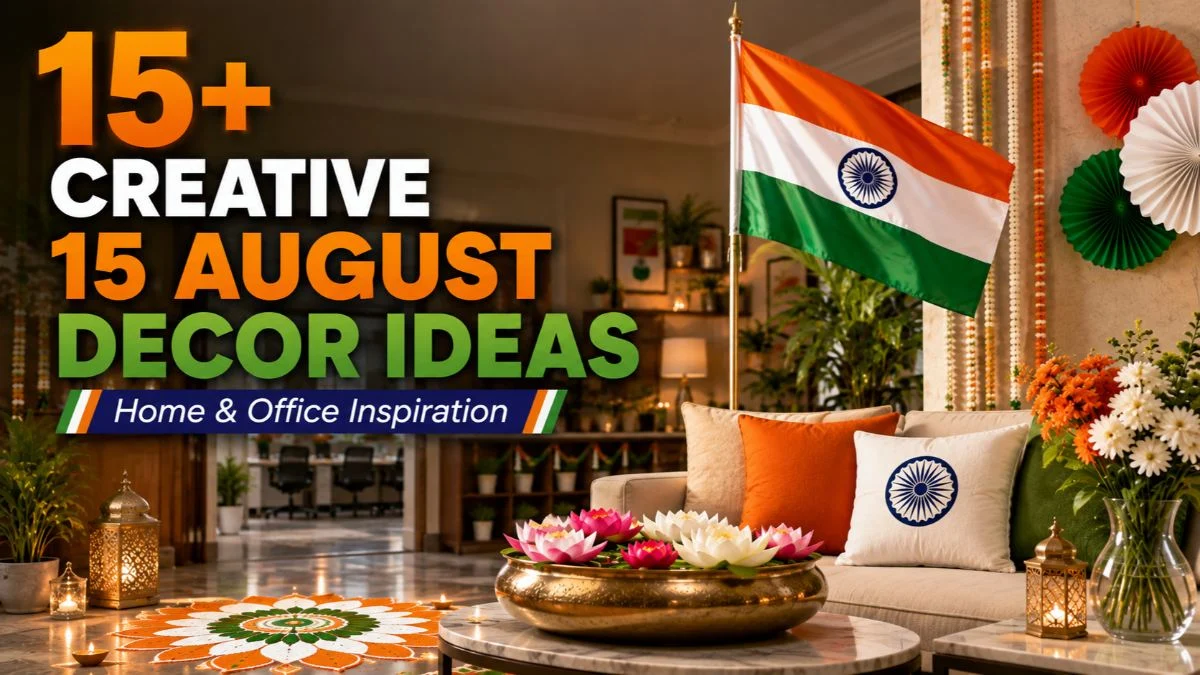
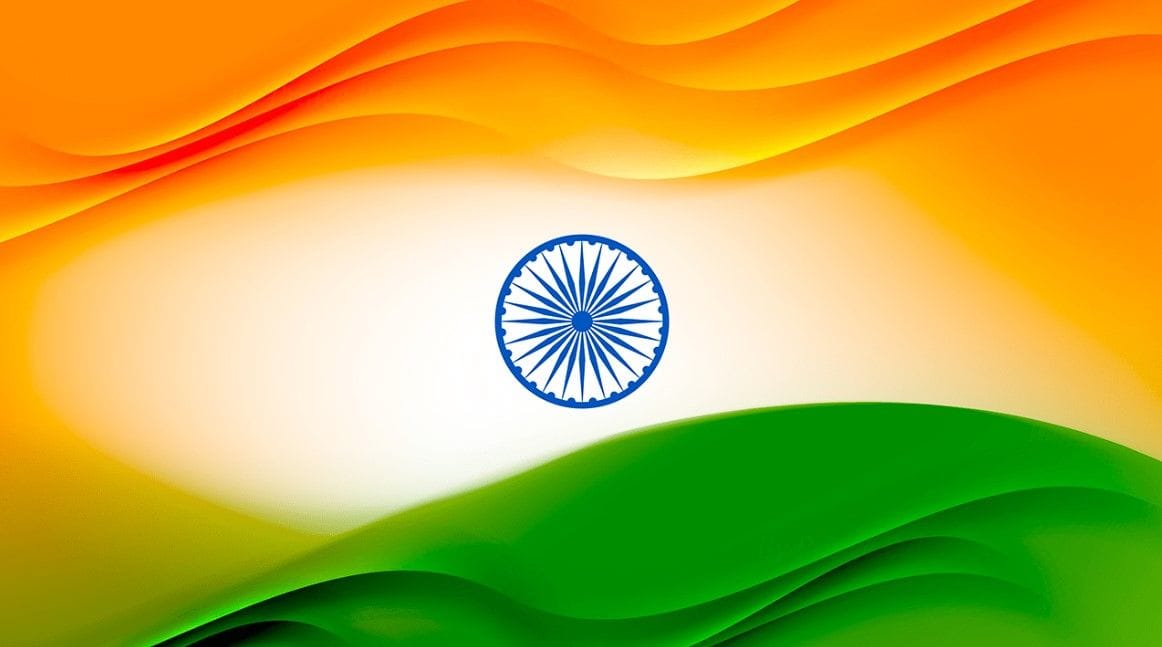
The 15th of August stands as a monumental pillar in the history of the Indian subcontinent. As the nation moves toward its 80th Independence Day in 2026, the fervor of patriotism has transcended beyond public squares and government buildings, finding a vibrant home in the private living rooms and corporate boardrooms of millions. Decorating for Independence Day is no longer a mere formality; it is a profound expression of national identity, a tribute to the martyrs of the freedom struggle, and a celebration of India’s burgeoning global stature.
This comprehensive guide explores over 15 sophisticated and culturally resonant decoration ideas designed to transform any space into a patriotic sanctuary, while adhering to the legal and ethical protocols of national symbolism.
I. Main Facts: The Evolution of Patriotic Aesthetics
Independence Day celebrations in India have undergone a significant cultural shift over the last decade. Historically, the "Tricolour" was primarily hoisted in schools and government offices. However, initiatives like the Har Ghar Tiranga movement have democratized the display of national pride. Today, the aesthetic of August 15th is characterized by a blend of:
- The Saffron, White, and Green Palette: Representing courage, peace, and fertility respectively.
- Indigenous Craftsmanship: A move toward "Vocal for Local," utilizing Khadi, Madhubani art, and local flora.
- Eco-Consciousness: A rising preference for biodegradable materials, such as flower petals and paper, over plastic.
II. Supporting Data: 17+ Curated Decoration Ideas
To truly capture the essence of freedom, decorations should balance tradition with contemporary design. Below are detailed concepts for home and office environments.
1. The Grace of the National Flower: Lotus Arrangements
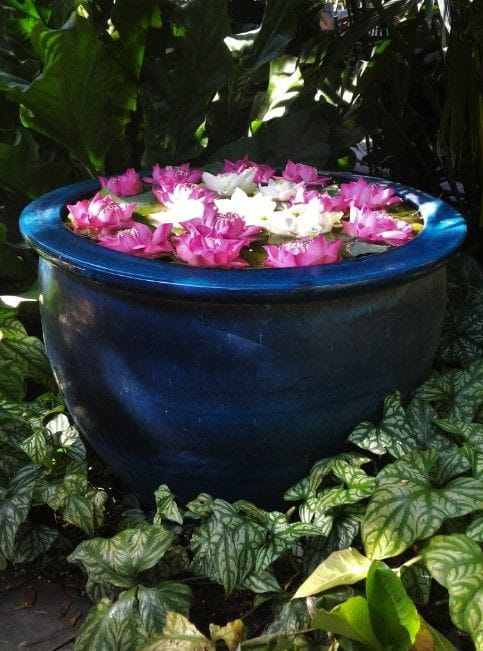
The Lotus (Nelumbo nucifera) symbolizes divinity and resilience. To incorporate this into your décor, use a traditional brass Urli (a large water bowl). Fill it with fresh water and float several lotus blooms on the surface.
- Office Tip: Place a smaller glass bowl with a single lotus at the reception desk to create a calming, patriotic first impression.
- Longevity: Fresh lotuses typically stay vibrant for 48 to 72 hours if the water is kept clean.
2. Textile-Led Transformations: Patriotic Soft Furnishings
Interior designers often cite textiles as the quickest way to alter a room’s mood. Replace standard cushion covers with a curated mix of saffron, white, and emerald green.
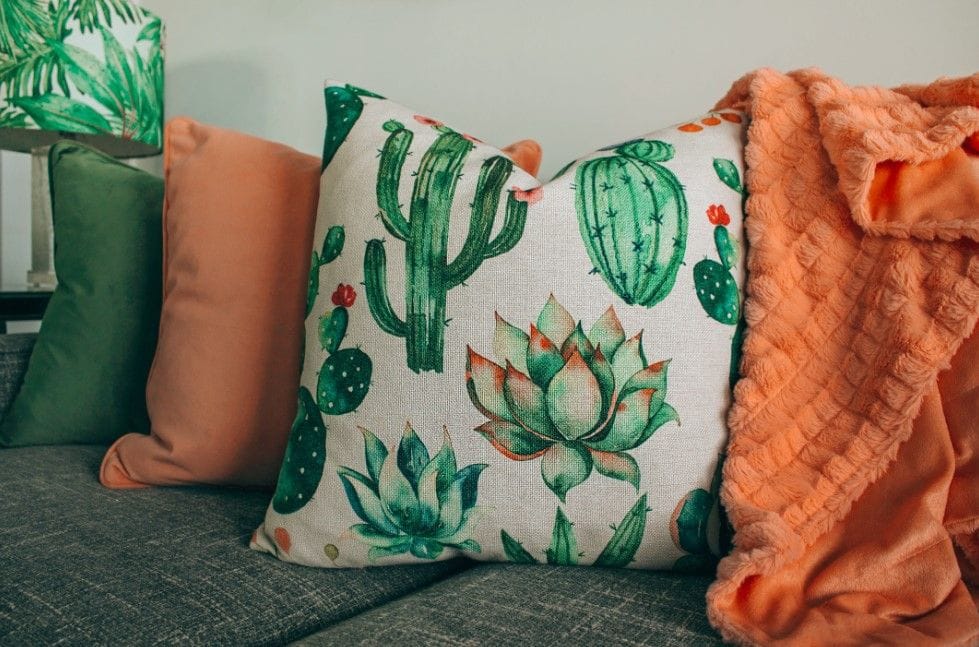
- Design Tip: Avoid literal flag prints on cushions (which can be disrespectful if sat upon). Instead, use solid colors or traditional Indian patterns like Bandhani or Leheriya in the tricolour shades.
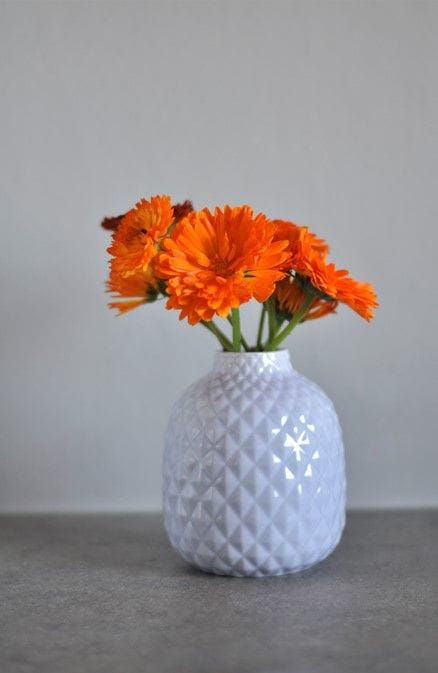
3. Sophisticated Floral Vases and Arrangements
Floral décor provides both visual beauty and aromatic appeal. For a tricolour effect, use orange marigolds or gerberas, white lilies or jasmine, and green ferns or bells of Ireland.
- Arrangement Idea: Use a tall white ceramic vase. Layer the flowers from bottom to top in the order of the flag (Green at the base, White in the middle, Saffron at the top).
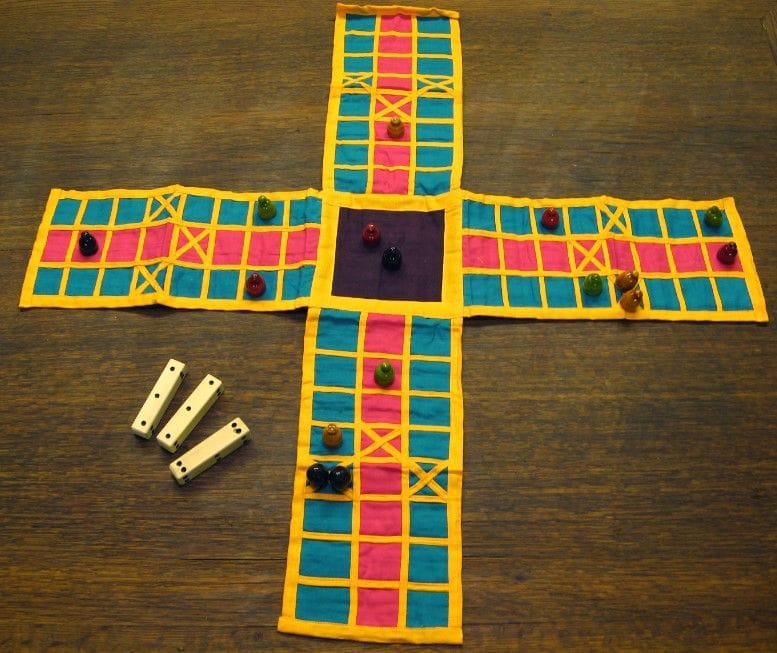
4. Heritage Games: The Parcheesi Project
Before modern board games, India played Pachisi (the ancestor of Ludo). Creating a DIY Parcheesi board using fabric or painted wood serves as both a historical tribute and a functional decoration.
- Educational Value: In an office lounge, this can serve as an icebreaker that connects employees to Indian history.
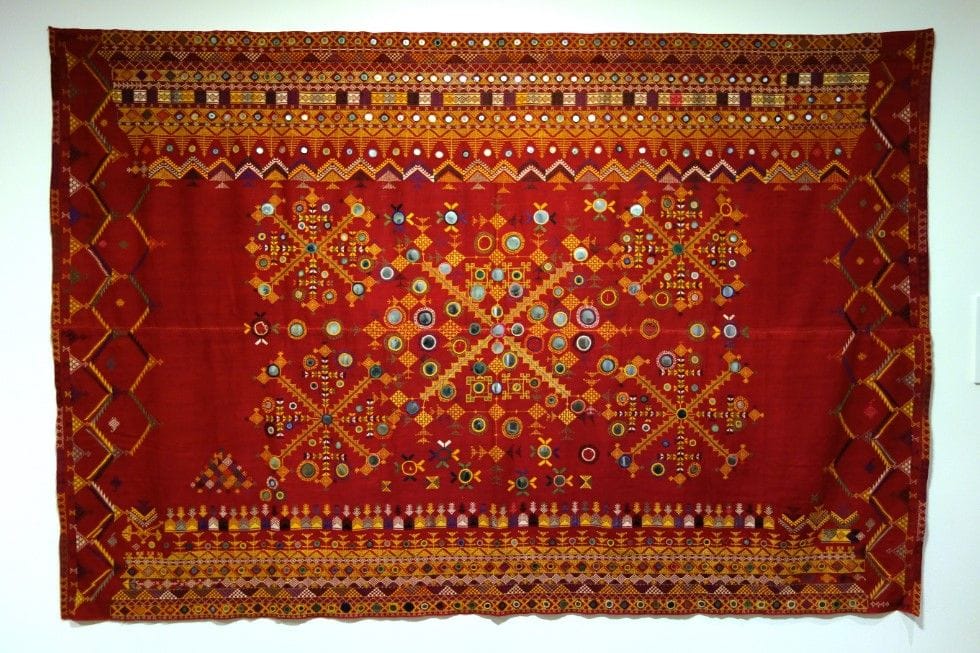
5. Showcasing Indian Weaves
India’s textile heritage is unparalleled. Use indigenous shawls, Pashminas, or Kanjeevaram dupattas as decorative throws over sofas or as wall tapestries.
- Styling Tip: Heavier fabrics like wool or thick cotton hold their shape better for décor purposes than lighter silks.
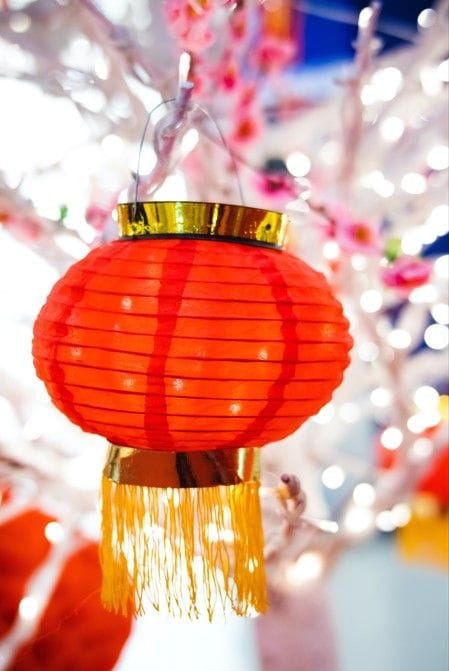
6. Illuminating the Outdoors: Themed Lanterns
Lanterns, or Kandeels, are not just for Diwali. Stringing saffron, white, and green paper lanterns across a balcony or an office terrace creates a festive atmosphere that transitions beautifully from day to night.

7. The Digital Dimension
In the modern workplace, screens are ubiquitous.
- Implementation: Set all office monitors or digital photo frames to display high-definition cinemagraphs of the waving Tricolour. This creates a synchronized, high-tech patriotic environment without physical clutter.
8. Ethnic Handicrafts as Centerpieces
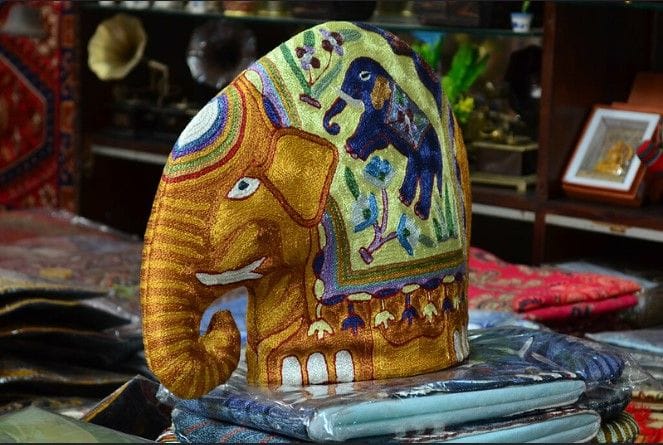
Patriotism is an appreciation of the country’s soul. Displaying handcrafted wooden elephants, brass idols, or terracotta pottery highlights the "Make in India" spirit.
9. The Art of Rangoli
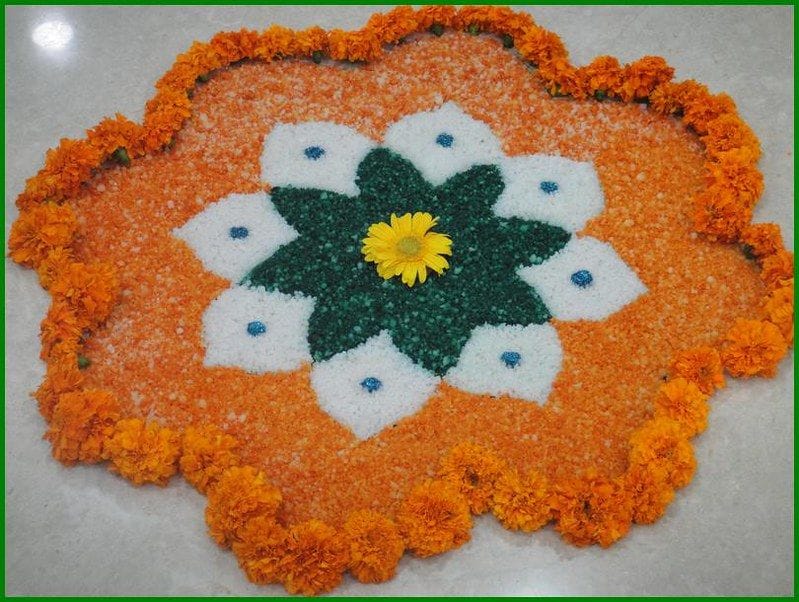
Rangoli remains one of India’s most cherished art forms.
- Materials: Use colored rice, flower petals, or eco-friendly powders.
- Design: A geometric representation of the Ashoka Chakra surrounded by tricolour petals is a popular choice for office entrances.
10. Themed Table Settings
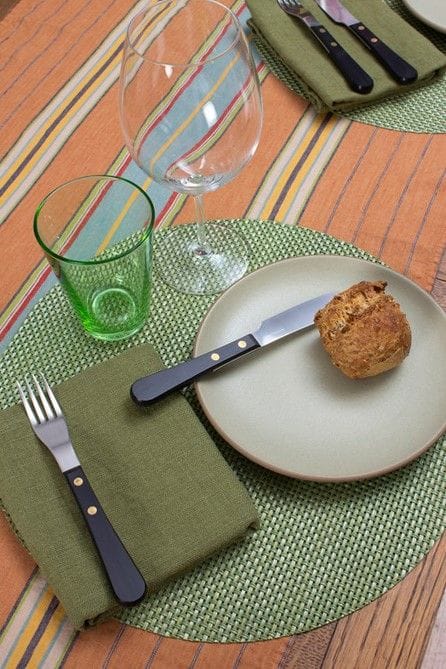
For those hosting Independence Day brunches, the dining table is your canvas.
- Concept: Use a crisp white tablecloth as a base, an orange table runner for a pop of color, and green napkins. This subtle approach is elegant and festive.
11. Cultural Drama with Madhubani Paintings
Madhubani art, originating from the Mithila region, often depicts nature and mythology. A large Madhubani painting featuring peacocks (the national bird) in vibrant hues can serve as a sophisticated focal point for a living room or executive office.
12. DIY Paper Wall Hangings
This is an excellent activity for families or team-building sessions.
- How-to: Create paper cones from tricolour chart paper and arrange them in a circular "sunburst" pattern on a focal wall.
13. Repurposed Glass Jar Vases
Sustainability meets creativity. Paint old Mason jars in the tricolour shades using acrylic paint. Add a coat of glitter for a celebratory finish and use them to hold stationery or fresh flowers.
14. Culinary Art: Dietary Essentials
Use the natural colors of Indian staples. Layer white rice, green moong dal, and orange lentils in clear glass containers to create "sand art" flag displays.
- Bonus: This décor is zero-waste, as the grains can be cooked after the celebrations.
15. Handcrafted Tricolour Candles
Scented candles in layers of saffron (sandalwood), white (jasmine), and green (vetiver) offer a multi-sensory patriotic experience.
16. The "Free Bird" Bulletin Board
For office environments, decorate a common bulletin board with DIY paper birds in the tricolour. It symbolizes the flight of a free nation and provides an uplifting visual for employees.
17. The Classic Balloon Arch
While simple, balloons remain highly effective. Use helium-filled tricolour balloons to create an arch over the main entrance or clusters in the corners of the room to immediately signal a festive occasion.
III. Official Responses: The Flag Code of India
When using the National Flag as part of your decoration, it is imperative to follow the Flag Code of India, 2002 to avoid legal repercussions and show proper respect.
- Dignity and Honour: The flag must always occupy a position of honor and be distinctly placed.
- Condition: Never display a damaged, discolored, or crumpled flag.
- Orientation: The saffron band must always be at the top (when horizontal) or to the flag’s own right (viewer’s left) when vertical.
- Materials: Following the 2022 amendment, flags can now be made of hand-spun, hand-woven, or machine-made cotton, polyester, wool, silk, or khadi.
- Disposal: The flag should not be discarded on the ground. If damaged, it must be destroyed as a whole in private, preferably by burning or any other method consistent with its dignity.
IV. Chronology: The Journey of the Tricolour
Understanding the history of our symbols enriches the decoration process:
- 1906: The first unofficial flag was hoisted in Calcutta, consisting of green, yellow, and red horizontal stripes.
- 1921: Pingali Venkayya presented a design to Mahatma Gandhi, which eventually evolved into the saffron, white, and green flag with a spinning wheel.
- July 22, 1947: The Constituent Assembly adopted the Tricolour with the Ashoka Chakra as the Free India National Flag.
- 2022: The Har Ghar Tiranga campaign is launched, encouraging citizens to hoist the flag at home.
V. Implications: Why Decoration Matters
Decorating the workspace or home is not merely an aesthetic choice; it has deep psychological and social implications:
- Community Cohesion: In offices, collective decorating fosters a sense of belonging and shared purpose among a diverse workforce.
- National Pride: It serves as a visual reminder of the responsibilities that come with freedom.
- Economic Support: By choosing local handicrafts and flowers, citizens provide a significant seasonal boost to local artisans and small-scale vendors.
- Educational Opportunity: For children, DIY decorations are a gateway to learning about history, geography, and the significance of national symbols.
VI. Safety and DIY Benefits
The Advantages of DIY
- Stress Relief: Engaging in creative arts like Rangoli or candle making reduces cortisol levels.
- Sustainability: DIY projects allow for the upcycling of household items like jars and old fabrics.
- Customization: You can tailor the décor to fit the specific dimensions and style of your space.
Safety Checklist
- Fire Hazards: Keep paper decorations away from open diyas or candles. Ensure all electrical string lights are ISI-certified.
- Height Safety: Use sturdy ladders when hanging lanterns or flags; avoid standing on wheeled office chairs.
- Eco-Friendly Choices: Opt for biodegradable balloons and natural colors to prevent environmental harm post-celebration.
VII. Summing Up
As India prepares for its milestone 80th Independence Day, the act of decorating becomes a bridge between the sacrifices of the past and the aspirations of the future. Whether it is through a simple lotus in an Urli or a sophisticated digital display of the Tricolour, these gestures weave the spirit of "Azadi" into the fabric of our daily lives. By following the Flag Code and embracing the "Vocal for Local" philosophy, we ensure that our celebrations are as respectful as they are beautiful.
