

Hyderabad, India – The landscape of interior design is undergoing a profound transformation, with a palpable shift towards elements that speak of heritage, cultural identity, and personal expression. This year, the design world is increasingly celebrating craftsmanship, from the intricate weave of traditional textiles and the artistry of handcrafted wall coverings to the grounding presence of earthy palettes and the inherent narrative of reclaimed materials. The emphasis is no longer solely on aesthetics, but on creating spaces that resonate with conscious choices, telling stories that are deeply personal and culturally rich.
This burgeoning trend found its vibrant embodiment at the recently concluded Design Democracy 2026, held in Hyderabad. The event served as a powerful nexus of luxury, design, and art, catering to a discerning clientele eager to move beyond conventional offerings and embrace the unique. Attendees were treated to a spectacle of innovation, where familiar forms were reimagined with audacious flair. One striking exhibit featured a bar designed to resemble a collection of colossal vintage leather travel cases, evoking a sense of adventure and timeless elegance. Exquisite Roberto Cavalli grand cru crystal wine goblets, reminiscent of those gracing the sets of popular K-dramas, showcased the fusion of global trends with local appreciation. Further pushing the boundaries of visual artistry, a wallpaper installation presented three-dimensional art, where a peacock’s majestic mane was intricately embellished with semi-precious stones and delicate brass feathers, transforming a decorative element into a captivating work of art.
The Fourth Edition: A Deeper Dive into Meaningful Design
The fourth iteration of Design Democracy specifically targeted a demographic of potential buyers who were actively seeking to transcend the predictable, moving beyond the ubiquitous green leather sofas and bespoke cabinetry that have long dominated the market. The exhibition unfolded as a series of meticulously curated, layered compositions, where materiality, artisanal craftsmanship, compelling narratives, and inherent functionality converged. The sheer scale of the event, bringing together nearly 200 brands and an estimated 1,500 leading architects and designers under one roof, translated into an immersive experience filled with tasteful pieces that blurred the lines between design and fine art.

The exhibition was a showcase of truly one-of-a-kind creations. Imagine encountering an artwork that defied static presentation – a wall-mounted kinetic design that transformed its form with the slightest touch, a dynamic spectacle that evoked the fluidity and captivating nature of characters like Mystique from X-Men. As the components within the frame shifted, a gentle chime accompanied the metamorphosis, transitioning the piece from a semblance of a steel sand dune to an intricate, flat-laid jigsaw puzzle. The stall of Studio Motionworks, an Ahmedabad-based firm whose tagline, "things which move," aptly describes their specialization, was a consistent point of fascination for visitors. This innovative company extends its expertise beyond kinetic sculptures and lighting to the realm of moving building facades, offering a remarkable synthesis of artistic vision and engineering prowess.
The overarching theme that permeated the exhibition was the elevation of craft beyond mere ornamentation. Whether expressed through the meticulously worked surfaces of metal, the bold statements of sculptural stone interventions, the nuanced expressions of hand-crafted textiles, or the enduring warmth of richly grained timber, the focus was on imbuing these elements with a deeper sense of purpose and artistry. A distinctly Indian interpretation of contemporary luxury was a recurring motif, weaving its way through the diverse offerings. Beyond showcasing the mastery of traditional artisans, many of the exhibited pieces served as a powerful reflection of enduring techniques and rich cultural narratives, thoughtfully reimagined for the demands and aesthetics of modern living. In the realm of art, the exhibition actively encouraged visitors to broaden their perception, moving beyond the conventional confines of framed canvases. Designer Gaurang Shah’s exquisite hand-painted Kalamkari panels on silk, for instance, served as a compelling example of how textile traditions can be seamlessly integrated into contemporary design dialogues, breathing new life into ancient art forms.
Walls as Canvases: A New Frontier in Design
At Design Democracy, it became abundantly clear that walls are no longer relegated to a passive background role; they are increasingly treated as dynamic canvases for artistic expression. Brands like Topstona, with their impressive collection of luxury stone for both walls and floors, powerfully underscored this evolving perspective. The brand’s tactile brilliance and inherent textural richness were on full display in their three-dimensional artworks, meticulously crafted from natural stone, transforming inert materials into vibrant statements of design.

Baaya: Weaving Stories into Space
Baaya Artful Spaces captivated visitors by presenting Indian craft traditions infused with deep symbolism, sophisticated material knowledge, and compelling storytelling, all brought to life by skilled artisans. Their handcrafted mirror work, intricately integrated with brass jali or copper enamel, transcended mere visual appeal. The introduction of texture lent each piece a distinct character, contributing to a unique and memorable aesthetic. Shibani Jain, the founder and creative director of Baaya, a Mumbai-based spatial design studio, elaborated on their philosophy: "Our signature Ocean floor mural is a handcrafted seascape with swirling corals, resting shells, rippled sand beds, and drifting seaweed done in copper enamel, painting, and mixed media." These captivating pieces, a true delight for any viewer, evoke the serene hues of the ocean, with melting blues, delicate whites, and verdant greens artfully depicting marine life. The "Ocean World" mural, as a wall installation, drew inspiration, as Jain explained, from "feeling the ocean from the shore. The ocean lets everything melt, like the sand that washes away from your feet." This evocative sentiment beautifully captures the essence of Baaya’s approach – creating immersive experiences that connect with viewers on an emotional and sensory level.
Oorjaa: Illuminating Nature’s Embrace
Elsewhere in the exhibition, Oorjaa’s innovative lighting designs, utilizing handmade paper, plant fibers, and reclaimed materials, made a striking and memorable appearance. From their floor lamps to wall sconces and sculptural pieces, the collection exuded a natural warmth, evident in their nature-inspired designs. The honeycomb ceiling lights, in particular, stood out as a testament to their ingenuity and commitment to sustainable aesthetics. These pieces not only illuminate spaces but also bring a sense of organic beauty and tranquility into the home.
Collective Craft: Bridging Tradition and Architecture
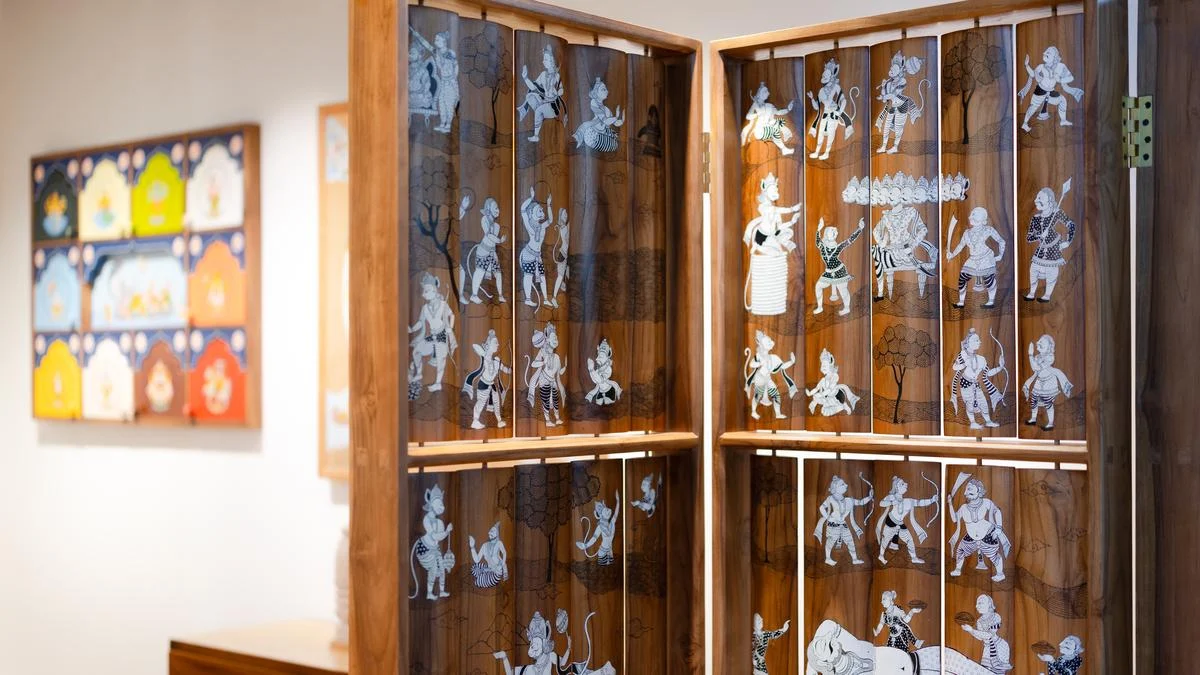
Collective Craft, a design studio based in Delhi, demonstrated a remarkable ability to integrate traditional crafts into larger architectural and interior projects, moving beyond their typical application as small decorative items. Their innovative space divider piece offered a fresh reinterpretation of Pattachitra, a traditional art form typically found on palm leaves or cloth scrolls, transforming it into a functional architectural element. Sibabnand Bhol, the chief designer, explained their vision: "Rather than remaining as wall art, the craft is reimagined as an object that interacts with space. The movable painted discs on another piece of the space divider encourage engagement and exploration, allowing viewers to interact with the work while discovering stories embedded within it." This approach not only preserves traditional art forms but also makes them accessible and engaging for contemporary audiences, fostering a deeper appreciation for their cultural significance.

Neytt Homes: Kerala’s Craftsmanship on the Global Stage
Neytt Homes, hailing from Alleppey, Kerala, has garnered international acclaim, with their exquisite rugs adorning the Met Gala red carpet for four consecutive years. Their presence at Design Democracy was marked by the striking "Unity Rug," a hand-tufted black-and-white masterpiece, developed in collaboration with designer Vanessa Meister Varma from Kochi. The brand also unveiled "Zarbuland" from their Bidri Collection, a modern, ecologically conscious interpretation of traditional Bidriware motifs, all meticulously crafted from sustainable sisal. This collection highlights the brand’s commitment to both heritage and environmental responsibility, showcasing how traditional Indian crafts can be adapted for a global, conscious market.
Square Knots: A Tribute to Hyderabad
Square Knots presented a true showstopper: a wall rug that masterfully depicted the iconic minarets of Charminar, the ubiquitous pigeons, the magnificent rock formations, and the sprawling banyan tree characteristic of the Deccan region. This intricately woven masterpiece served as a heartfelt tribute to Hyderabad, and the corner where it was displayed quickly became one of the most photographed spots at the event, a testament to its artistic merit and local resonance.
Curated Visions: Exploring India’s Design Evolution
The exhibition also featured four special exhibitions, each meticulously curated by leading designers, offering unique perspectives on the evolving language of India’s design landscape. These curated spaces delved into the interplay of materiality, memory, and imagination, providing a rich tapestry of contemporary Indian design thought.

Museum of Telangana: Rooted in Identity
The "Museum of Telangana," curated by Supraja Rao, principal designer and founder of Kadari Art Gallery, offered a compelling exploration of architecture deeply rooted in Telangana’s unique climate, rich craft traditions, and distinct regional identity. This exhibition showcased how design can be intrinsically linked to place and heritage, creating spaces that are both aesthetically pleasing and culturally resonant.
The Gallery of Sustainability: A Conscious Future
Of particular note was the "Gallery of Sustainability," co-curated by Jasem Pirani and Huzefa Rangwala, the co-founders of MuseLAB. This vital exhibition brought together conscious design practices from across India, prompting a profound reflection not just on how we build, but more importantly, on why we build. It critically examined the designer’s crucial role in shaping an ethical, sustainable, and resilient future, highlighting innovative solutions and forward-thinking approaches to design.
Art Edit: Where Art Meets Luxury
"Art Edit," curated by political spokesperson Anish Gawande, presented a captivating intersection of contemporary art and design, spotlighting artists who consistently push the boundaries of creative expression. The display within his curated gallery was an embodiment of art enveloped in the embrace of uber luxury, showcasing how fine art and high-end design can coalesce to create truly extraordinary environments.

Design Democracy 2026 has undoubtedly set a new benchmark for design exhibitions in India. It has powerfully demonstrated that the future of interior design lies in a harmonious blend of artisanal skill, cultural narrative, and conscious innovation. The event served as a potent reminder that homes are not just structures, but living spaces that should reflect the values, aspirations, and rich heritage of their inhabitants. As the design world continues to evolve, the lessons learned and inspirations drawn from this remarkable event will undoubtedly shape the spaces we inhabit for years to come, fostering a deeper appreciation for craftsmanship and a commitment to more meaningful, sustainable, and personally expressive design.
