

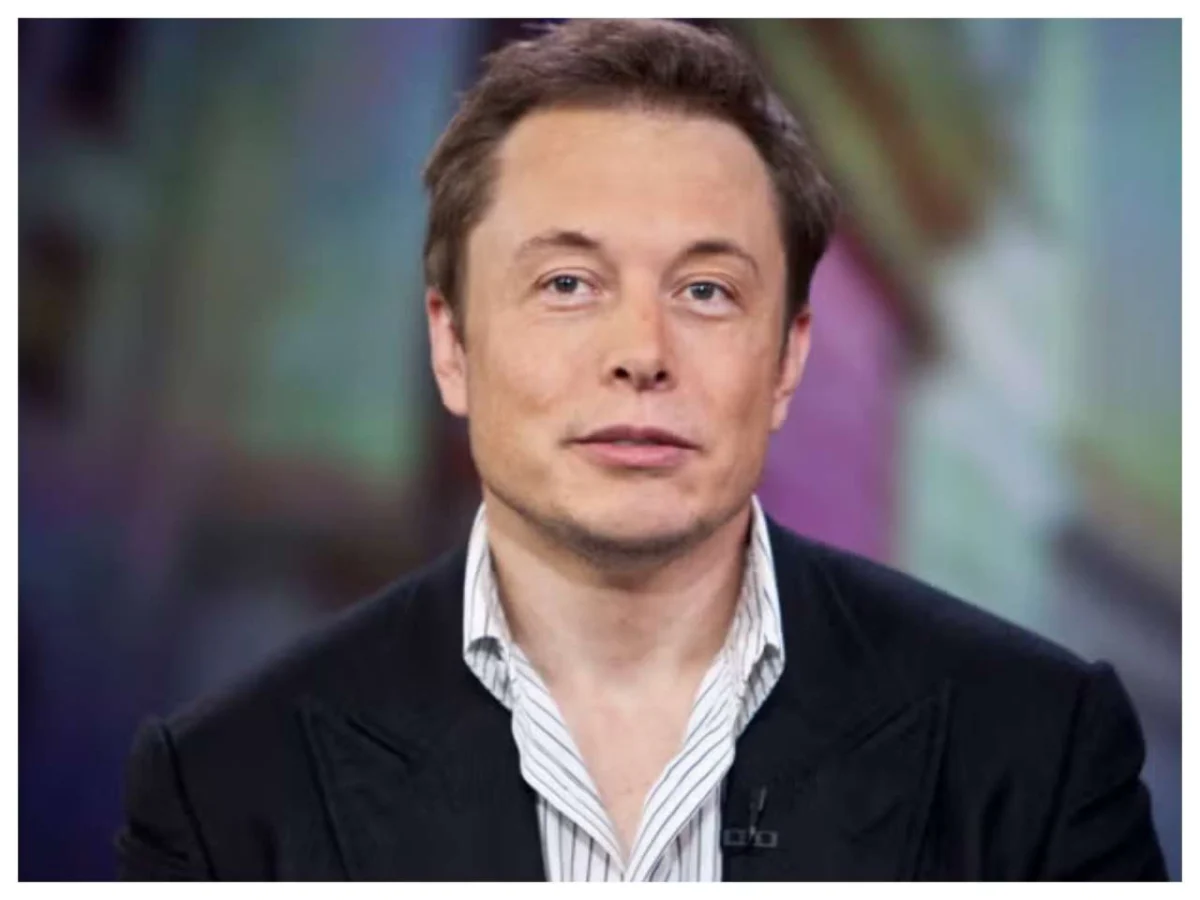
San Francisco, CA – In a swift and definitive move, technology magnate Elon Musk has emphatically refuted widespread reports suggesting that his aerospace company, SpaceX, is actively developing an AI-powered smartphone. Dismissing the claims as "utterly false," Musk’s statement on his social media platform, X, aims to quell the burgeoning speculation that had captivated the tech industry and investors alike. The denial puts a decisive halt, for now, to visions of a revolutionary device integrating advanced artificial intelligence with the Starlink satellite internet ecosystem.
The rumors, which gained significant traction across various tech news outlets, painted a detailed picture of a potential SpaceX smartphone. It was envisioned as a compact device, potentially even thinner than an Apple iPhone, powered by Qualcomm Snapdragon chips, and running on a custom operating system. Crucially, the hypothetical device was anticipated to feature cutting-edge AI technologies developed by Musk’s other venture, xAI, specifically its Grok AI model. Reports even suggested that a prototype might be unveiled to investors in anticipation of a future SpaceX Initial Public Offering (IPO). However, Musk’s direct intervention has shattered these expectations, reaffirming SpaceX’s primary focus on space exploration and satellite internet services.
The Genesis of Speculation: Reports of a Revolutionary Device
The initial reports, while lacking official confirmation, quickly ignited a firestorm of discussion within the technology community. The very notion of SpaceX, a company primarily known for reusable rockets and satellite constellations, venturing into consumer electronics was inherently intriguing. Analysts and enthusiasts began to piece together a narrative, speculating on the strategic implications and potential disruptive capabilities of such a device.
The purported features of the "SpaceX AI phone" were particularly compelling. The integration of xAI’s technologies, especially Grok, suggested a device capable of hyper-personalized interactions, advanced on-device processing, and seamless connectivity. Grok, known for its ability to access real-time information and its distinctive, often sarcastic, conversational style, would hypothetically offer a unique user experience. This vision resonated with the broader industry trend towards embedding generative AI directly into hardware, moving beyond cloud-based services.
)
Furthermore, the mention of Qualcomm Snapdragon chips indicated a commitment to high-performance processing, essential for demanding AI workloads. A custom operating system suggested a deeply integrated ecosystem, tailored to SpaceX’s unique vision and potentially optimized for Starlink connectivity. The rumored compact design, possibly "thinner than the iPhone," hinted at a sleek, premium device aimed at the high-end market, challenging established players like Apple and Samsung. The idea of presenting a prototype to investors ahead of an IPO also underscored the perceived strategic importance of this venture, positioning it as a diversification play and a future revenue stream for the burgeoning space giant.
Musk’s Swift and Definitive Rebuttal on X
Elon Musk, known for his direct and often unfiltered communication style, chose his preferred platform, X (formerly Twitter), to deliver the unequivocal denial. His statement, branding the claims as "utterly false," left no room for ambiguity. This rapid response is characteristic of Musk, who frequently uses social media to address rumors, announce new developments, or engage with the public directly, often bypassing traditional media channels.

The choice of words – "utterly false" – carries significant weight. It implies not just a lack of current development, but a complete rejection of the premise itself, suggesting that such a project is not even under theoretical consideration within SpaceX’s current strategic framework. This directness is crucial in a landscape rife with speculative reports, particularly concerning companies within Musk’s expansive portfolio. His denial effectively put an immediate damper on the excitement and analysis that had been building around the hypothetical device.
Unpacking the Allegations: The Vision of a SpaceX AI Phone
To understand the impact of Musk’s denial, it’s essential to delve deeper into the nature of the reports he so vehemently rejected. The allure of a SpaceX-branded smartphone stemmed from a combination of the company’s innovative reputation, Musk’s personal brand, and the burgeoning interest in AI hardware.
)
Design and Technical Specifications: A Glimpse into the Hypothetical
The rumored specifications painted a picture of a device designed for the future. A form factor "thinner than the iPhone" would signify a significant engineering feat, suggesting advanced material science and component miniaturization – areas where SpaceX’s expertise in aerospace engineering could hypothetically translate. The choice of Qualcomm Snapdragon chips is logical, as they are industry-leading processors for mobile devices, particularly those requiring robust AI capabilities. Integrating these chips would provide the necessary computational power for on-device AI processing, reducing reliance on cloud-based solutions and enhancing privacy and responsiveness.
The concept of a "custom operating system" was particularly intriguing. This would not merely be a skinned version of Android but potentially a ground-up development, similar to what Apple has achieved with iOS or what Google is attempting with Fuchsia. Such an OS could be deeply optimized for Starlink connectivity, perhaps offering seamless satellite-to-cellular handover, advanced location services leveraging SpaceX’s GPS-like capabilities, or even direct satellite communication features in areas without terrestrial networks. The user interface could be designed to interact intuitively with xAI’s Grok, offering a conversational and proactive experience that goes beyond traditional app-centric paradigms.
)
Strategic Rationale: Beyond Space and Starlink
From a strategic perspective, a SpaceX AI phone could have represented a bold diversification for the company. While SpaceX’s core businesses are space launch services and Starlink satellite internet, the consumer electronics market offers immense scale and recurring revenue potential. For a company valued in the hundreds of billions, expanding into a new, high-growth sector like AI-powered consumer devices could justify its lofty valuation and open new avenues for growth.
The argument for such a move would be to leverage SpaceX’s existing infrastructure and technological prowess. Starlink, with its global reach, could provide unparalleled connectivity, making a SpaceX phone a truly global device, especially appealing in remote areas. The company’s expertise in manufacturing, supply chain management, and complex systems integration, honed through rocket and satellite production, could theoretically be applied to smartphone development. Moreover, a consumer device could serve as a direct interface to the broader Musk ecosystem, including potential integrations with Tesla vehicles, Neuralink brain-computer interfaces, and the X platform itself, creating a highly interconnected user experience.
)
The xAI Connection: Synergies with Musk’s AI Venture
Perhaps the most compelling aspect of the rumors was the proposed integration of xAI technologies. Elon Musk founded xAI with the stated goal of understanding the true nature of the universe and developing advanced AI that is "maximally curious" and beneficial to humanity. Grok, xAI’s flagship generative AI model, has already demonstrated unique capabilities, including real-time information access via X and a distinctive personality.
Bringing Grok to a dedicated hardware device would signify a major step in xAI’s development, moving it from a purely software/cloud-based offering to an embodied AI experience. This could involve highly optimized on-device inference, allowing for faster responses and greater privacy by processing sensitive data locally. The phone could act as a personal AI assistant, anticipating needs, managing schedules, and providing information proactively, all powered by Grok’s advanced reasoning and conversational abilities. Such synergy would not only boost xAI’s profile but also create a unique selling proposition for the SpaceX phone, differentiating it from conventional smartphones and even other emerging AI-first devices.
)
A Timeline of Speculation and Denial
The trajectory of these rumors, from initial whispers to definitive denial, provides insight into the dynamic nature of tech industry speculation, particularly concerning high-profile figures like Elon Musk.
Early Whispers and the Rise of AI Hardware Buzz
The concept of dedicated AI hardware has been gaining momentum throughout 2023 and early 2024. As large language models (LLMs) became mainstream, entrepreneurs and established tech giants began exploring how AI could be embedded into physical devices to offer new forms of interaction. This broader industry trend created fertile ground for rumors about a potential SpaceX foray. The company’s increasing emphasis on AI, evident in its advanced autonomous systems for rocket landings, its management of the vast Starlink constellation, and the public launch of xAI’s Grok, naturally fueled speculation that it might seek to bring its AI capabilities directly to consumers. The idea of "space-based computing" and leveraging AI for complex logistical and operational challenges within SpaceX added another layer of credibility to the notion that the company was serious about AI beyond just its core aerospace applications.
)
Musk’s Prior Hint: The Starlink Phone Possibility
Adding complexity to the current denial is a past statement from Elon Musk himself. In earlier discussions, when pressed about the possibility of a Starlink-integrated phone, Musk had reportedly stated that such a device was "not out of the question." This comment, while vague and made in a different context, suggested an openness to exploring consumer hardware that leverages SpaceX’s connectivity infrastructure. It created a precedent that made the recent AI phone rumors seem plausible to many, as a Starlink-enabled AI phone could be seen as a natural evolution of that earlier idea, combining advanced connectivity with intelligent processing. The distinction, however, lies in the developer: the current rumors specifically implicated SpaceX, whereas a "Starlink phone" could potentially be developed by a partner or a separate entity leveraging Starlink services.
The Current Stance: A Firm ‘Utterly False’
Musk’s recent declaration of "utterly false" on X marks a significant pivot from any previous openness regarding consumer hardware. This definitive rejection suggests that, at least for the foreseeable future, SpaceX’s strategic priorities do not include developing proprietary smartphone hardware. While past statements might have hinted at possibilities, the current reality, as articulated by the CEO, is a firm commitment away from such endeavors. This clarifies the company’s immediate direction and dampens any lingering hopes of a consumer-facing SpaceX device, focusing the narrative back on its core missions of space exploration and global internet connectivity.
)
The Broader Landscape: A Surge in AI-First Devices
Musk’s denial comes at a pivotal moment for the burgeoning AI hardware market. The past year has seen a significant push from various companies, both startups and established players, to introduce dedicated AI-first devices designed to redefine human-computer interaction.
Pioneers and Prototypes: From Humane to Rabbit, Microsoft to OpenAI
The forefront of this movement includes startups like Humane with its AI Pin and Rabbit with its R1 device. Both products aim to move beyond the traditional smartphone interface, offering a more intuitive, proactive, and context-aware interaction powered by generative AI. The Humane AI Pin, a wearable projector and camera, seeks to replace the phone by offering voice-activated AI assistance, projection capabilities, and discreet interaction. The Rabbit R1, a pocket-sized device with a scroll wheel and camera, promises to act as a "universal controller" for apps, learning user habits to automate tasks through its "Large Action Model" (LAM).
)
Beyond these startups, larger tech giants are also exploring the space. Microsoft has showcased experimental wearable prototypes driven by AI, hinting at a future where AI assistants are seamlessly integrated into our daily lives through ambient computing. OpenAI, the creator of ChatGPT, has partnered with legendary former Apple designer Jony Ive to explore AI-focused hardware products. This collaboration, bringing together cutting-edge AI research with iconic industrial design, signals a serious intent to shape the future of AI-powered consumer devices. These initiatives highlight a widespread belief that AI will not just be a feature within existing devices but will drive the creation of entirely new form factors and interaction paradigms.
Market Reception and Challenges: Navigating Consumer Skepticism
Despite the innovation and significant investment, the market for consumer AI devices remains unpredictable, and these pioneering efforts have encountered considerable challenges in gaining widespread traction. Both the Humane AI Pin and Rabbit R1, while generating initial hype, have faced scrutiny over their functionality, reliability, and value proposition. Early reviews have highlighted issues such as battery life concerns, limited practical applications compared to a smartphone, and a perceived lack of compelling "killer features" that justify their existence as standalone devices.
)
Consumers, accustomed to the versatility and vast app ecosystems of smartphones, are wary of adopting single-purpose or limited AI-first devices. Questions regarding long-term demand, privacy implications of always-on AI, and the potential for "AI fatigue" are prevalent. The market is still in its nascent stages, grappling with defining what a truly indispensable AI hardware experience looks like. The high price points of some of these devices, combined with their experimental nature, further contribute to consumer skepticism and slow adoption rates.
What Differentiates a "SpaceX AI Phone" in this Arena?
Had a SpaceX AI phone materialized, it would have entered this uncertain market with both unique advantages and potential hurdles. Its brand recognition, particularly under the Elon Musk umbrella, would have generated immense interest and pre-orders, potentially overcoming some initial market resistance faced by lesser-known startups. The integration of Starlink connectivity would offer a distinct advantage, particularly for users in remote areas or those seeking global, resilient internet access. The direct integration of xAI’s Grok could have provided a truly unique AI experience, differentiating it from generic voice assistants.
)
However, it would also have faced the same fundamental challenge: convincing consumers that it offers a superior or indispensable experience compared to a smartphone, or that it successfully carves out a new product category. Without the established app ecosystem or the broad functionality of a traditional smartphone, even a SpaceX-branded device would need to demonstrate profound utility and seamless integration into daily life to achieve mass appeal. Musk’s adamant rejection, therefore, might be seen as a pragmatic assessment of these market realities and a decision to avoid diverting resources into an unproven and highly competitive consumer hardware segment at this time.
Official Responses and Unanswered Questions
The immediate aftermath of such a high-profile denial often leaves a trail of official statements (or lack thereof) and lingering questions.
)
The Weight of Musk’s Public Statement
Elon Musk’s pronouncement carries immense weight due to his position as CEO of SpaceX and his personal brand influence. For practical purposes, his statement on X is considered the official position of SpaceX regarding this matter. It serves as a clear directive to internal teams and external stakeholders that this particular line of development is not happening. For investors, it clarifies the company’s immediate strategic focus, ensuring that resources remain channeled towards its core aerospace and satellite internet ventures rather than speculative consumer hardware. His directness also prevents prolonged speculation, which can be a drain on company resources and public relations efforts.
Silence from Key Stakeholders: Qualcomm and SpaceX Beyond the CEO
Notably, beyond Musk’s statement, neither Qualcomm nor SpaceX itself (through official corporate channels or other executives) has issued a direct response to the rumors. Qualcomm’s silence is expected, as companies typically do not comment on unconfirmed reports or speculation involving potential partnerships. For SpaceX, Musk’s statement is effectively the company’s statement. The lack of further elaboration from other SpaceX representatives simply reinforces the CEO’s definitive denial. This collective silence, following Musk’s sharp rebuttal, underscores the finality of the rejection, at least for the time being. It leaves no ambiguity about the company’s current posture concerning smartphone development.
)
Implications and Future Trajectories
Elon Musk’s categorical denial of the SpaceX AI smartphone reports has several significant implications, not only for SpaceX and xAI but also for the broader AI hardware market and Musk’s overarching vision.
SpaceX’s Core Focus: Reinforcing the Space and Connectivity Mandate
The denial strongly reinforces SpaceX’s commitment to its foundational missions: advancing space exploration, making humanity multi-planetary, and providing global internet connectivity through Starlink. By rejecting the notion of a consumer smartphone, Musk signals that the company’s formidable engineering and financial resources will remain concentrated on these ambitious, capital-intensive endeavors. This includes the development of Starship, the expansion of the Starlink constellation, and potentially other space-related projects. It clarifies that, for now, SpaceX will continue to operate primarily as an infrastructure and service provider, rather than venturing into direct consumer electronics manufacturing outside of its core offerings (like Starlink dishes).
)
xAI’s Path Forward: Software First?
For xAI, the denial suggests a primary focus on software development and large language models, rather than immediate hardware integration. While xAI’s Grok could still be licensed or integrated into third-party devices, this denial indicates that xAI will not be developing its own first-party smartphone hardware through a sister company like SpaceX. This might allow xAI to concentrate on improving Grok’s capabilities, expanding its reach through partnerships, and potentially exploring other AI applications that are not tied to specific consumer hardware. It keeps xAI’s options open for future hardware collaborations, but removes the expectation of a "Musk-made" AI phone in the near term.
The Volatile AI Hardware Market: A Reality Check
Musk’s definitive "utterly false" statement serves as a significant reality check for the nascent AI hardware market. While it doesn’t invalidate the efforts of companies like Humane or Rabbit, it does temper the overarching narrative that every major tech player is rushing to launch a dedicated AI device. A high-profile entry from SpaceX, backed by Elon Musk, would have undoubtedly lent considerable credibility and momentum to the sector. Its absence, therefore, might lead to a more cautious approach from investors and consumers, emphasizing the need for compelling use cases and proven market demand rather than relying solely on hype. It underscores that while AI is transformative, its optimal hardware embodiment is still very much an open question, and not every tech giant sees direct consumer hardware as its immediate future.
)
Elon Musk’s Ecosystem: Where Does Consumer Hardware Fit?
Finally, this denial prompts a reconsideration of where consumer hardware fits within Elon Musk’s sprawling ecosystem of companies. While Tesla produces vehicles that are essentially "computers on wheels," and Neuralink aims for direct brain-computer interfaces, a general-purpose smartphone is a different proposition. Musk’s ambition for X to become an "everything app" might suggest that his vision for consumer-facing interaction is primarily software-driven, residing within a powerful super-app on existing hardware, rather than requiring new, proprietary devices from his other companies.
However, it is also worth remembering Musk’s dynamic and often unpredictable nature. His past comment about a "Starlink phone" not being "out of the question" indicates a theoretical openness to such ventures. While the current reports of a SpaceX AI smartphone are "utterly false," the future of technology is constantly evolving. As AI advances and new form factors emerge, it remains to be seen whether Musk’s stance on dedicated consumer hardware will remain as firm, or if a compelling technological imperative might one day lead one of his ventures to reconsider entering this intriguing, albeit challenging, market. For now, the focus remains firmly on rockets, satellites, electric vehicles, and the development of artificial intelligence, without a "SpaceX AI phone" on the horizon.
