

[City, Date] – In a world increasingly driven by digital trends, a distinct subculture often finds itself at the forefront of innovation: the "geek." Far from the antiquated stereotypes of social awkwardness and obscure interests, today’s geeks are visionaries, early adopters, and discerning connoisseurs of technology. They are the individuals who not only embrace the unconventional but actively seek out devices that push boundaries, often influencing the mainstream market long before it catches up.
This article delves into the unique personality of a self-proclaimed geek and explores how this perspective shapes their interaction with technology. We examine three recent tech accessories that, while perhaps not universally appealing, resonate deeply with the geek ethos: the Google Pixel Watch 5, Sony LinkBuds Clip, and Xiaomi UltraThin Magnetic Power Bank 5000. These aren’t just gadgets; they are statements of intent, reflecting a desire for functionality, design, and a touch of the extraordinary that caters specifically to those who dare to be different.
Main Facts: The Geek Perspective on Tech Evolution
The narrative of the modern geek is one of passion and curiosity. "I call myself a geek," states the author, setting the stage for an exploration of identity often misunderstood. Geeks, by nature, possess a distinct personality, frequently subjected to clichés concerning their reading habits, movie preferences, fashion sense, speech patterns, and intellectual pursuits. Yet, this very uniqueness fuels their technological choices.
For a geek, the problem isn isn’t with their preferences, but rather that the mainstream often eventually catches up, desiring what was once considered niche or peculiar. This phenomenon is particularly evident in the realm of personal tech. While others might opt for established, mass-market devices, geeks gravitate towards "the weirdest gadgets," finding them "completely normal and a part of everyday life."
Over the past few weeks, our resident tech enthusiast put three such accessories through their paces, each seemingly designed with the discerning geek in mind. These devices represent a fascinating cross-section of personal tech, from wearables that blend AI into daily life, to audio solutions that redefine listening experiences, and power accessories that challenge conventional notions of portability. The goal is to provide an in-depth look, enabling readers to discern whether these cutting-edge tools align with their own tech philosophy.

Chronology: A Journey Through Niche Innovations
The evolution of personal technology has consistently been driven by niche demands before broader adoption. This chronological progression often starts with enthusiasts—geeks—who are willing to experiment with new form factors, integrate nascent AI capabilities, or embrace unconventional designs.
The Google Pixel Watch series, for instance, has chronologically matured. "I have been using and reviewing Google’s Pixel Watch since it was first introduced a couple of years ago," the author notes, indicating a long-term engagement with Google’s wearable vision. The Pixel Watch 4 marked a turning point, achieving a commendable balance, and the Pixel Watch 5 builds on this foundation, refining the internal experience while maintaining a familiar aesthetic. This incremental improvement, focusing on software and AI integration, is a classic trajectory for tech appealing to early adopters who appreciate continuous innovation.
Similarly, the concept of open-ear audio, as embodied by the Sony LinkBuds Clip, represents a chronological shift in headphone design. While in-ear and over-ear headphones have dominated for decades, the desire for situational awareness without compromising audio has led to new form factors. The LinkBuds Clip, with its unique clip-on design, is a bold step in this evolution, moving beyond traditional earbuds to offer a truly ambient listening experience.
Finally, the Xiaomi UltraThin Magnetic Power Bank 5000 speaks to the ongoing miniaturization trend in portable power. Power banks began as bulky, utilitarian bricks. Over time, as devices became thinner and more integrated, the demand for equally sleek charging solutions grew. Xiaomi’s offering is the culmination of this desire for ultra-portability and seamless integration, particularly with ultra-thin devices like the hypothetical iPhone Air. It represents a forward-looking approach to an everyday necessity, demonstrating how even mundane accessories can be reimagined for a tech-savvy audience.
Supporting Data: Deep Dive into Geek-Approved Gadgets
Google Pixel Watch 5: The Smartwatch with an AI Soul (Rs 45,990)
The Pixel Watch 5 continues Google’s ambitious foray into the wearable space, and for the author, it’s the most refined iteration yet. While external design changes from the Pixel Watch 4 are minimal, the enhancements lie beneath the surface, a hallmark of mature tech products. The 45mm variant proved "very comfortable and unobtrusive," suggesting Google has perfected the ergonomics for extended wear. The availability of a 41mm option further caters to diverse wrist sizes, ensuring broad appeal within its target demographic. The metallic silver finish and circular display, a conscious deviation from competitors, offer a premium, classic watch aesthetic that resonates with many geeks who appreciate both form and function.
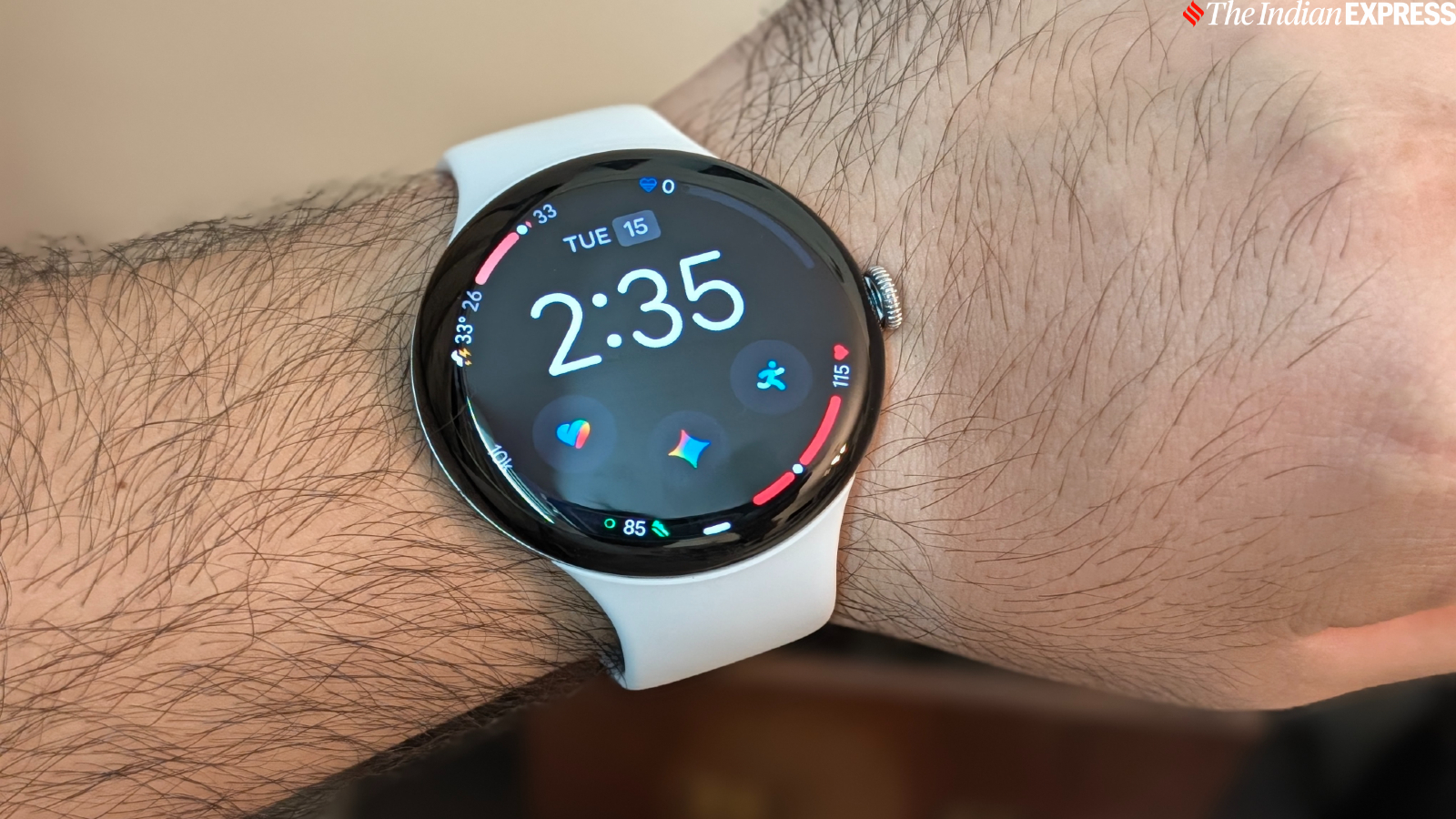
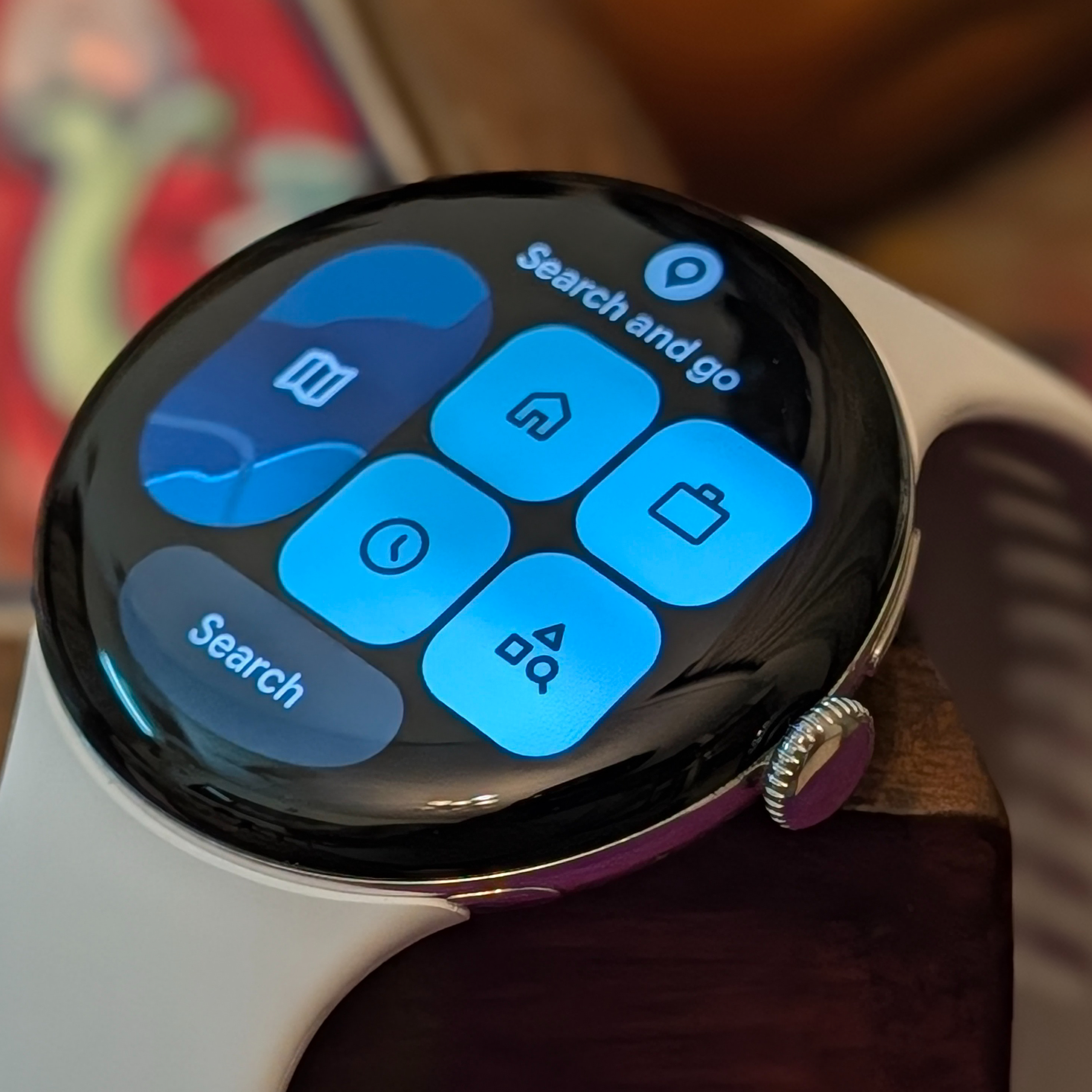
The Wear OS interface shines on the circular screen, offering "exceptionally smooth and responsive performance" throughout the review period. This polish is crucial for a device that aims to be an extension of one’s digital life. Customisable watch faces, like the "Modular" option displaying essential fitness data, are a practical touch for users who demand actionable information at a glance.
A significant leap forward is the revamped Google Health app, replacing the older Fitbit platform. While it might not offer the granular data of dedicated fitness trackers like Garmin or Whoop, its strength lies in its accessibility. It moves beyond mere data logging, providing "proactive advice on how to improve your routine and actually get fitter." This guidance-oriented approach is perfect for fitness beginners or those who prefer actionable insights over overwhelming statistics, aligning with a geek’s desire for intelligent solutions.
However, the true "game-changer" for the Pixel Watch 5 is the seamless integration of Google Gemini. The AI assistant on the wrist mirrors the experience of a flagship smartphone like the Pixel 11 Pro XL, but with added contextuality. Gemini’s "Proactive Suggestions" leverage location, calendar, and messages to deliver timely, relevant information, such as presenting a train ticket upon arrival at the station. This ambient intelligence transforms the smartwatch from a mere notification hub into an intuitive, predictive companion, making the voice-first interaction feel "natural and intuitive."
Despite its advancements, the Pixel Watch 5 isn’t without its limitations. While sleep tracking and the Smart Wake Alarm are accurate, gesture controls were found to be "inconsistent." Battery life, though improved, "still pales in comparison with smartwatches from Samsung and Apple, which now offer up to five days of battery." This remains a critical area for Google to address to compete fully in the premium segment. Nevertheless, the Pixel Watch 5, with its elegant circular design, fluid Wear OS, and groundbreaking Gemini integration, solidifies its position as a "true geek watch," catering to those who prioritize intelligent, integrated experiences.
Sony LinkBuds Clip: The Audacious Open-Ear Audio Experiment (Rs 24,990)
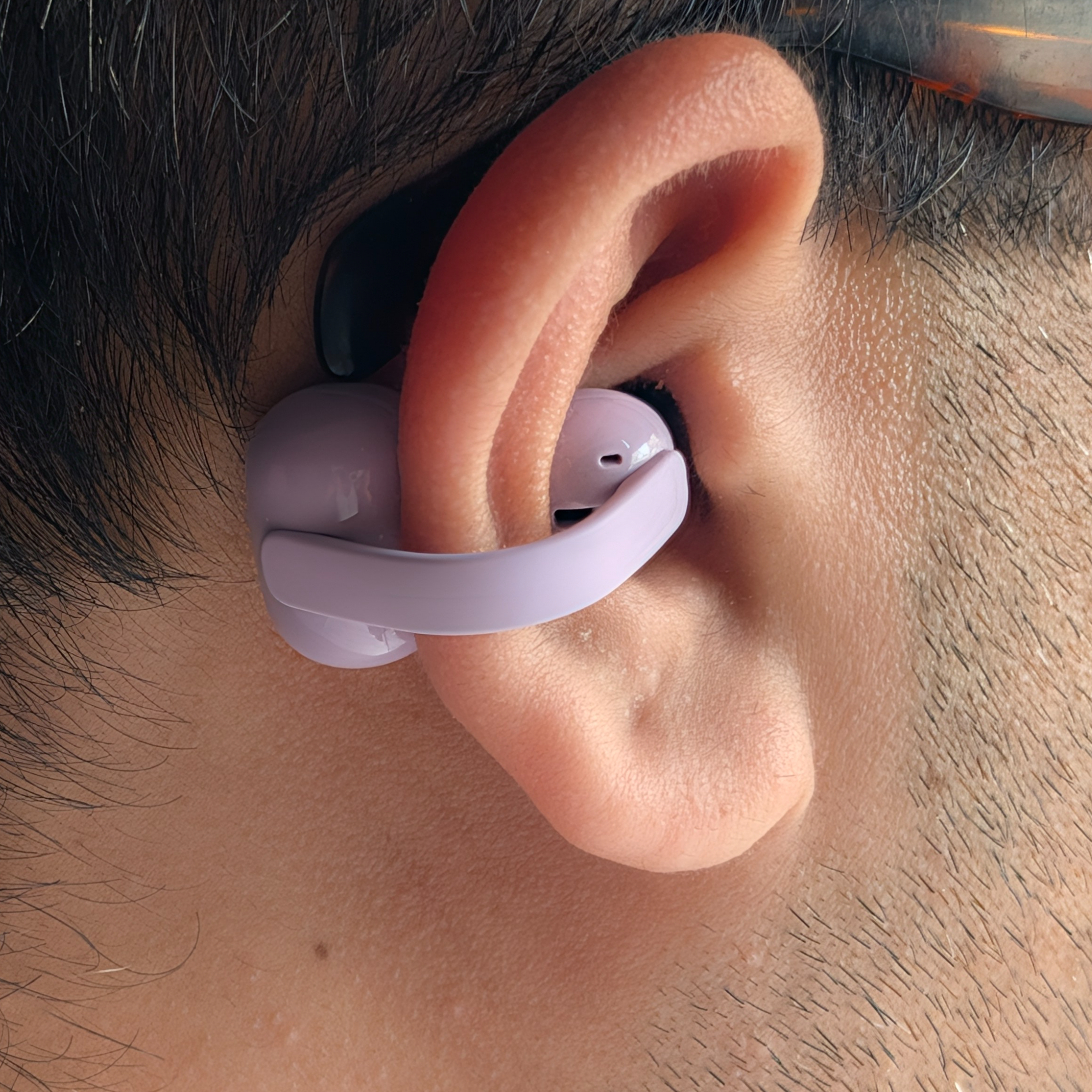
The Sony LinkBuds Clip immediately raises a fundamental question for any tech enthusiast: "what kind of person would use them?" This very question encapsulates their geek appeal. Designed as open-ear wireless earbuds, they represent a deliberate departure from traditional noise-isolating designs. By leaving the ear canals unobstructed, they facilitate environmental awareness, making them ideal for activities where safety or social interaction is paramount, such as running in urban environments or working from home.
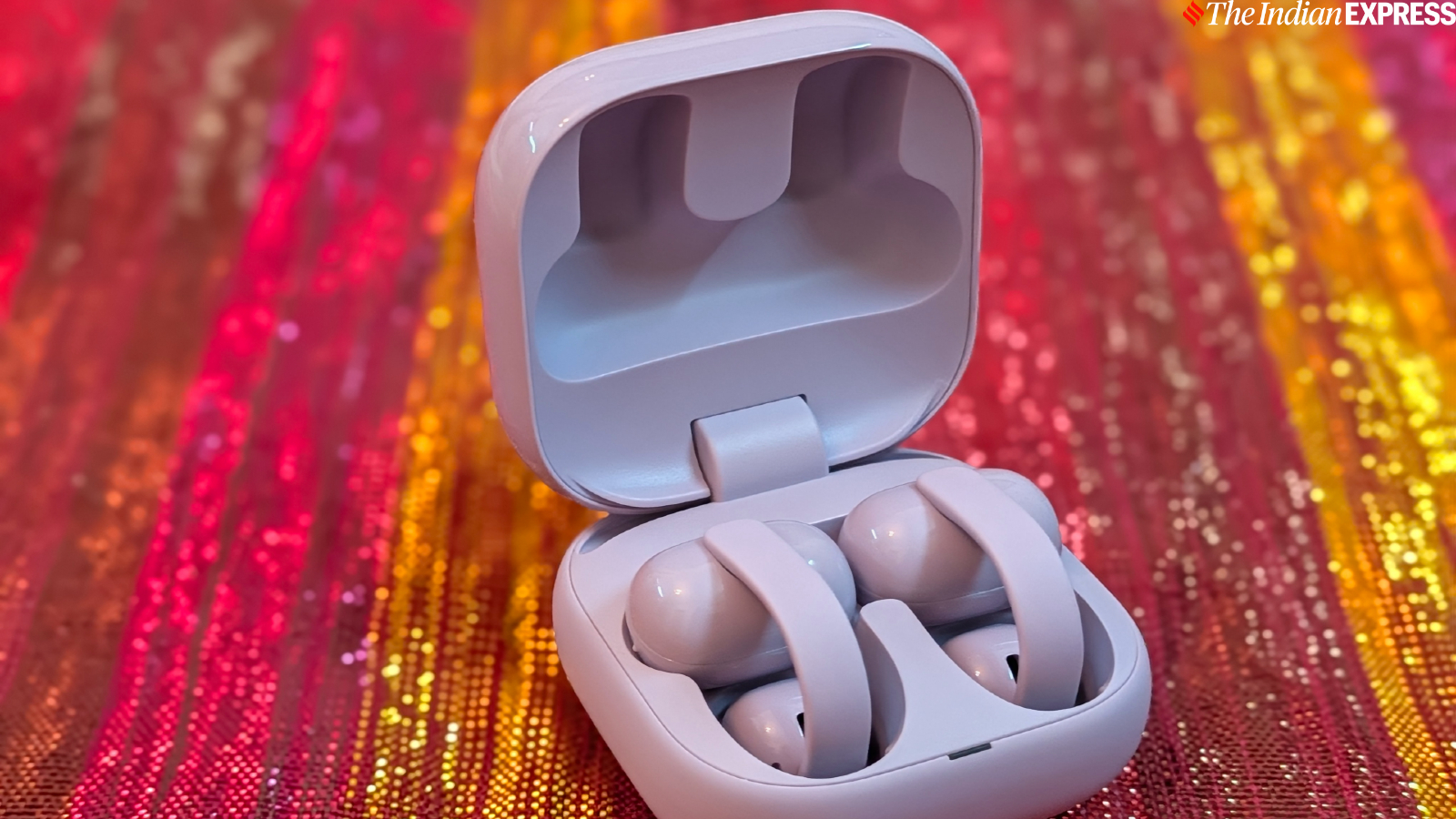
Their unique "clip-on" design is an engineering marvel. Comprising "bean-shaped anchors behind the ear, the ball that houses the driver and sits near the ear, and the flexible C-bridge that connects the two," these earbuds offer a secure yet remarkably comfortable fit. The flexible C-shaped band ensures stability during movement, with only minor contact issues noted for glasses wearers. The ability to wear them for "long listening sessions" without irritation is a significant design triumph for an open-ear concept.
The charging case is lauded for its "brilliant" design, compact size, and convenient USB-C charging, alongside a re-pairing button. However, the omission of wireless charging, particularly at this "premium-priced product" tier, is a notable drawback. The "finicky touch controls" on the buds also highlight an area for refinement in user interaction. With an IPX4 rating and a battery life of "up to nine hours of continuous music playback," the LinkBuds Clip are competitive within their niche.
Sony’s reputation for superior audio quality is largely upheld, even within the constraints of an open-ear design. While "don’t expect audio quality as good as what you get from the AirPods Pro 3 or WF-1000XM5," the LinkBuds Clip deliver clear audio "even in noisy environments." Bass is "present enough for kick drums," and mids are "detailed," though those seeking "deep, rich bass" might find open-ear buds less satisfying. The sound quality proves "happy" for casual listening, especially in quieter settings.
The accompanying Sound Connect app enhances the experience with three listening modes (Standard, Voice Boost, Sound Leakage Reduction) and a 10-band equalizer. This level of customization is precisely what advanced users appreciate. The fundamental appeal of open-ear earbuds—the ability to hear surroundings and one’s own voice clearly during calls—is strongly supported. The "experimental" nature of the technology and its associated "premium" price point positions the LinkBuds Clip squarely within the realm of the "hardcore geek" who values unique devices and is willing to invest in pioneering tech.
Xiaomi UltraThin Magnetic Power Bank 5000: The Invisible Charge (Rs 5,599)
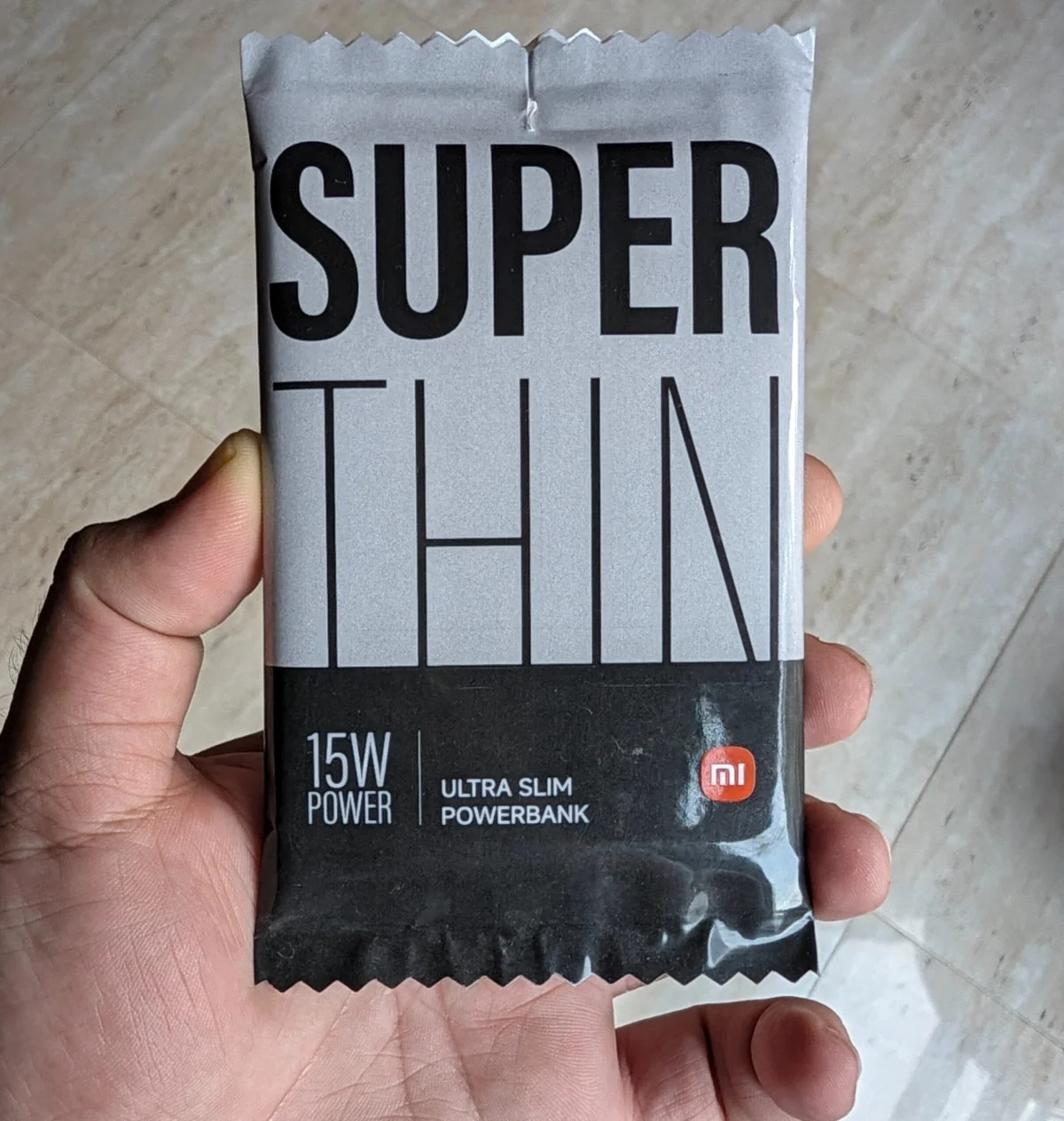
The quest for ultimate portability often leads geeks to seek out solutions for persistent tech challenges. For the frequent traveler and tech reviewer, a power bank is an indispensable tool. The desire for a "slimmed-down power bank that was easy to travel with, hassle-free, and could magnetically snap onto my phone" has long been a dream, now realized by the Xiaomi UltraThin Magnetic Power Bank 5000.
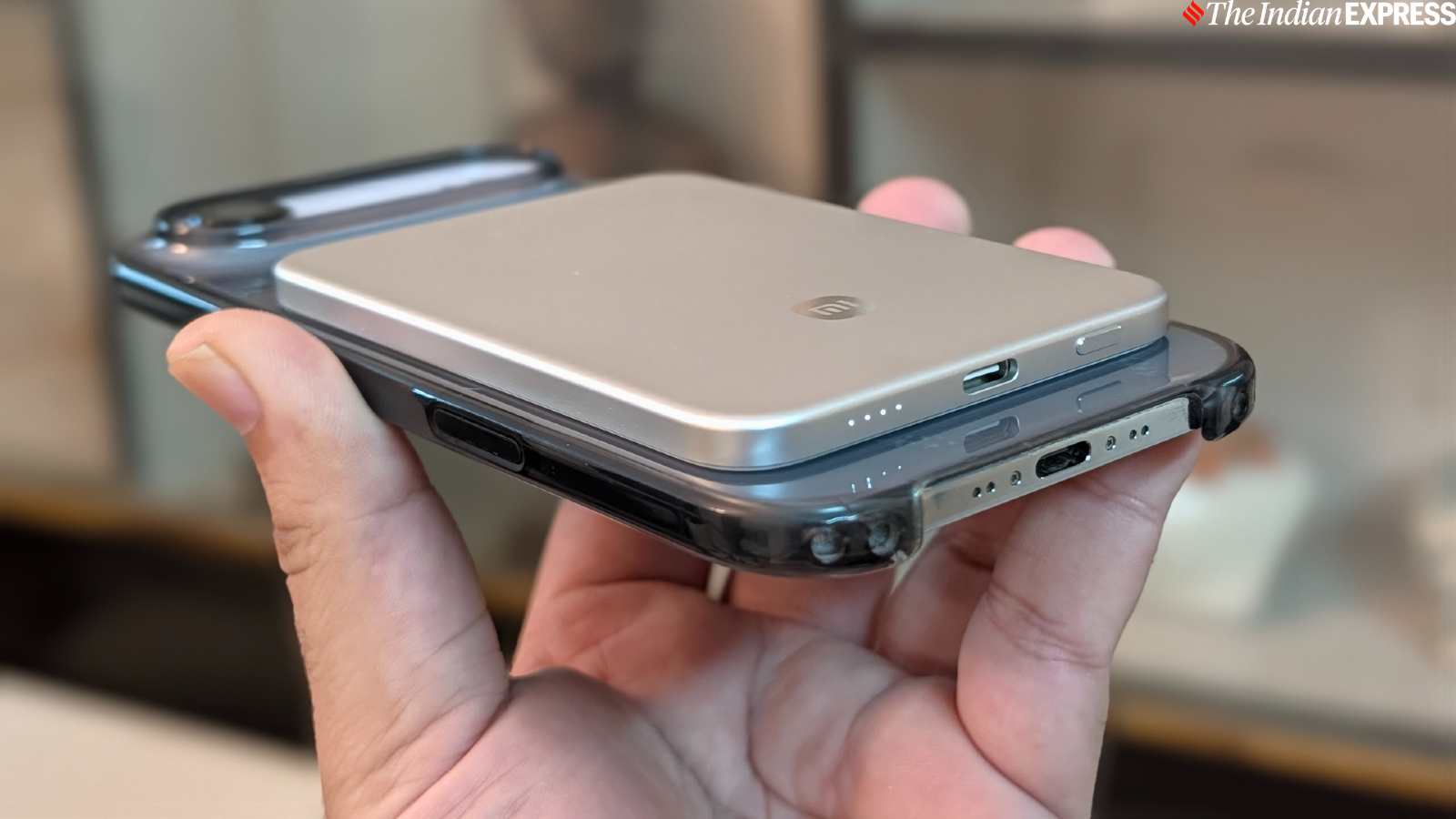
Its defining characteristic is its astonishingly thin profile: "just 6mm thick and weighing just 98 grams." This makes it virtually imperceptible in a pocket, a feature so extreme that the author "thought I had lost it at one point, only to realise it was still attached to my phone." Such seamless integration is a major draw for minimalist tech enthusiasts. The power bank’s construction from aluminium with a "smooth fibreglass surface" on the rear gives it a premium, almost "sheet of metal" feel. Available in black, orange, and silver, it offers aesthetic versatility, potentially matching the colors of devices like the iPhone Air.
With a 5,000mAh capacity, it provides "around 60 to 70 per cent charge to an iPhone Air," which is deemed "good enough for most users" for a quick top-up. The charging technology, however, reveals a key distinction. While it’s not MagSafe-certified, limiting iPhones to 7.5W wireless charging, it supports full 15W charging on Qi2-compatible phones, such as the Samsung Galaxy S26 and Pixel 11 Pro XL with PixelSnap. This forward-looking Qi2 compatibility is a significant draw for geeks who often invest in the latest standards. Samsung Galaxy phones, though, would require a magnetic case to fully utilize the magnetic attachment.
The power bank’s "strong grip" ensures it remains firmly attached during use. Essential features like a USB-C port, indicator lights, and a battery check button offer clear control. A minor observation is that the metal enclosure, while helping dissipate heat, causes the device to "get noticeably warm during use," though not excessively hot.
Priced at Rs 5,599, this ultra-thin power bank is a premium accessory. It caters specifically to those "who want to live wire-free and to frequent travellers," rather than the mass market. Its combination of a 5,000mAh battery in a 6mm package with Qi2 compatibility makes it "tempting for a geek like me," appealing to those who prioritize cutting-edge design and seamless functionality.
Official Responses: Design Philosophies and Market Vision
While direct "official responses" from manufacturers aren’t explicitly provided, the products themselves speak volumes about their creators’ design philosophies and market visions.
Google’s Pixel Watch 5, for instance, reflects a clear commitment to an "ambient computing" future. The integration of Google Health (formerly Fitbit) and the deep embedding of Gemini AI suggest a vision where technology intelligently assists without demanding constant attention. Google aims to make information and interaction effortless, delivered contextually right on the wrist. The circular design, maintained across generations, indicates a stubborn adherence to a classic aesthetic, believing it offers a more timeless appeal than square smartwatches.
Sony’s LinkBuds Clip embodies a daring experimental spirit. Their very existence speaks to a company willing to invest in alternative form factors for specific user needs. The focus on "sound transparency" and "situational awareness" is a deliberate response to the growing demand for audio devices that don’t isolate users from their environment. Sony’s willingness to charge a premium for this "experimental" technology suggests they see significant long-term potential in the open-ear category, targeting early adopters who are eager to explore new ways of interacting with sound.
Xiaomi’s UltraThin Magnetic Power Bank 5000 highlights a relentless pursuit of miniaturization and seamless user experience. The emphasis on thinness and magnetic attachment signals a future where accessories are so integrated with primary devices that they almost disappear. Xiaomi is responding to the demands of a hyper-mobile, design-conscious user base that values both power and portability without compromise. Their early adoption of Qi2 demonstrates a forward-thinking approach to wireless charging standards, anticipating future device compatibility.
Implications: The Future Shaped by Geek Innovation
These three devices, individually and collectively, carry significant implications for the broader tech landscape and for the identity of the "geek."
For the Geek Community: These products are a validation. They confirm that there is a market for innovative, sometimes unconventional, technology that caters to specific desires for advanced functionality, unique aesthetics, and seamless integration. The "geek" is not just a consumer but an active participant in shaping technological evolution, often acting as a proving ground for ideas before they hit the mainstream. The voice-first, AI-driven experience of the Pixel Watch 5, the ambient audio of the LinkBuds Clip, and the invisible utility of the Xiaomi power bank all speak to a desire for technology that feels more intuitive, less intrusive, and genuinely helpful.
For the Mainstream Market: What begins as niche often becomes the norm. The Pixel Watch 5’s deep Gemini integration hints at a future where AI assistants on our wrists are not just conversational but proactively predictive, transforming how we interact with information and our environment. This level of ambient intelligence could soon be a standard expectation for all smartwatches. The Sony LinkBuds Clip, despite its current premium pricing, points towards a future where audio devices prioritize situational awareness without sacrificing listening quality, potentially revolutionizing how we consume audio in public spaces or during physical activity. And the Xiaomi power bank’s ultra-thin, magnetic design suggests that portable power will become increasingly integrated and aesthetically pleasing, moving away from bulky chargers to accessories that complement the sleekness of our primary devices.
Market Trends and Consumer Choice: These products highlight several overarching trends:
- AI Everywhere: The pervasive integration of AI, moving from smartphones to wearables, making devices more intelligent and anticipatory.
- Ambient Tech: A growing desire for technology that enhances our lives without isolating us, blending seamlessly with our surroundings.
- Miniaturization and Integration: The continuous drive for smaller, lighter, and more integrated accessories that complement the primary device experience.
- Personalization: The increasing importance of customizable experiences, from watch faces to audio profiles, allowing users to tailor tech to their specific needs and preferences.
Ultimately, these devices serve as a barometer for the evolving tech landscape. They are not for everyone, but they are precisely for those who look beyond the obvious, who appreciate the engineering, the philosophy, and the potential of what technology can be. For the discerning geek with an appetite for innovation and the means to indulge it, the Google Pixel Watch 5, Sony LinkBuds Clip, and Xiaomi UltraThin Magnetic Power Bank 5000 offer a compelling glimpse into the future, available today. They are not just gadgets; they are emblems of a unique identity, proving that the cutting edge is often found where the mainstream fears to tread.
