


Lord’s, London – In a gripping conclusion to a highly anticipated three-match One Day International series, England emerged victorious over India, securing the series 2-1 with a commanding 27-run win in the decisive third encounter at the iconic Lord’s Cricket Ground. The match, a true spectacle of white-ball cricket, saw England post a colossal total of 388, which proved just beyond India’s reach despite a valiant chase spearheaded by Rohit Sharma’s historic century. All-rounder Sam Curran was the star of the show for England, delivering a crucial four-wicket haul that swung the momentum decisively in his team’s favour.
The series decider lived up to its billing, offering high drama, exceptional batting displays, and moments of tactical brilliance. While India’s top order, featuring centuries from Rohit Sharma and fifties from Virat Kohli and Shubman Gill, mounted a formidable challenge, England’s collective effort, particularly their aggressive batting and timely breakthroughs with the ball, ultimately sealed their triumph.
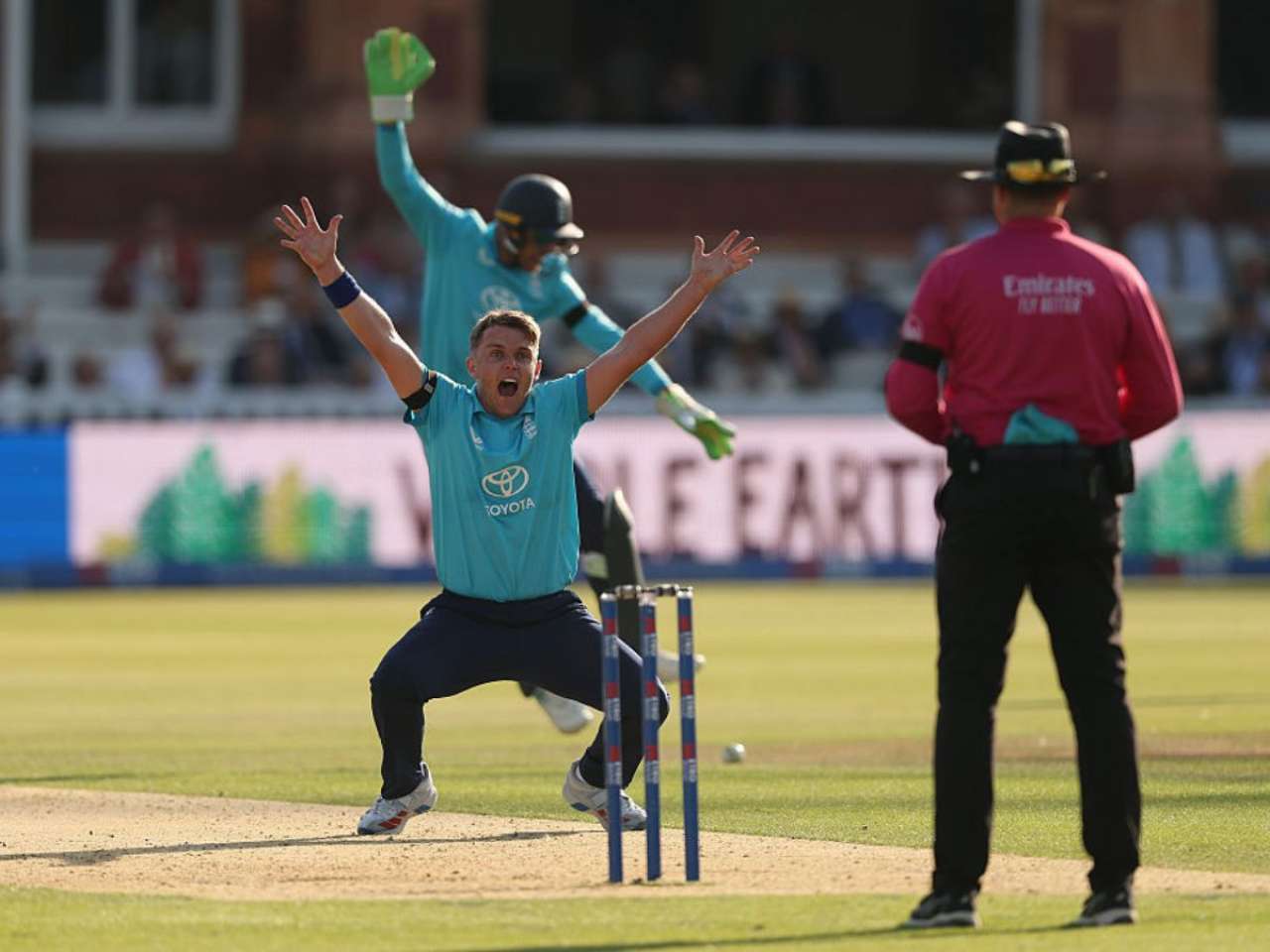
The Decider at Lord’s: A High-Stakes Encounter
The hallowed turf of Lord’s, often referred to as the ‘Home of Cricket,’ provided a fitting backdrop for this series-defining contest. With the series finely poised at 1-1, both teams entered the final ODI with everything to play for, knowing that a comprehensive performance was required to lift the trophy. The atmosphere was electric, with a packed stadium anticipating a clash of titans between two of the world’s cricketing powerhouses.
England’s captain won the crucial toss and, perhaps predictably on a pitch that looked conducive to batting, elected to set a target. This decision immediately placed pressure on the Indian bowling attack, which had shown glimpses of both brilliance and vulnerability throughout the series. The strategic choice to bat first was a clear statement of intent, aiming to exploit the conditions and put India under scoreboard pressure from the outset.
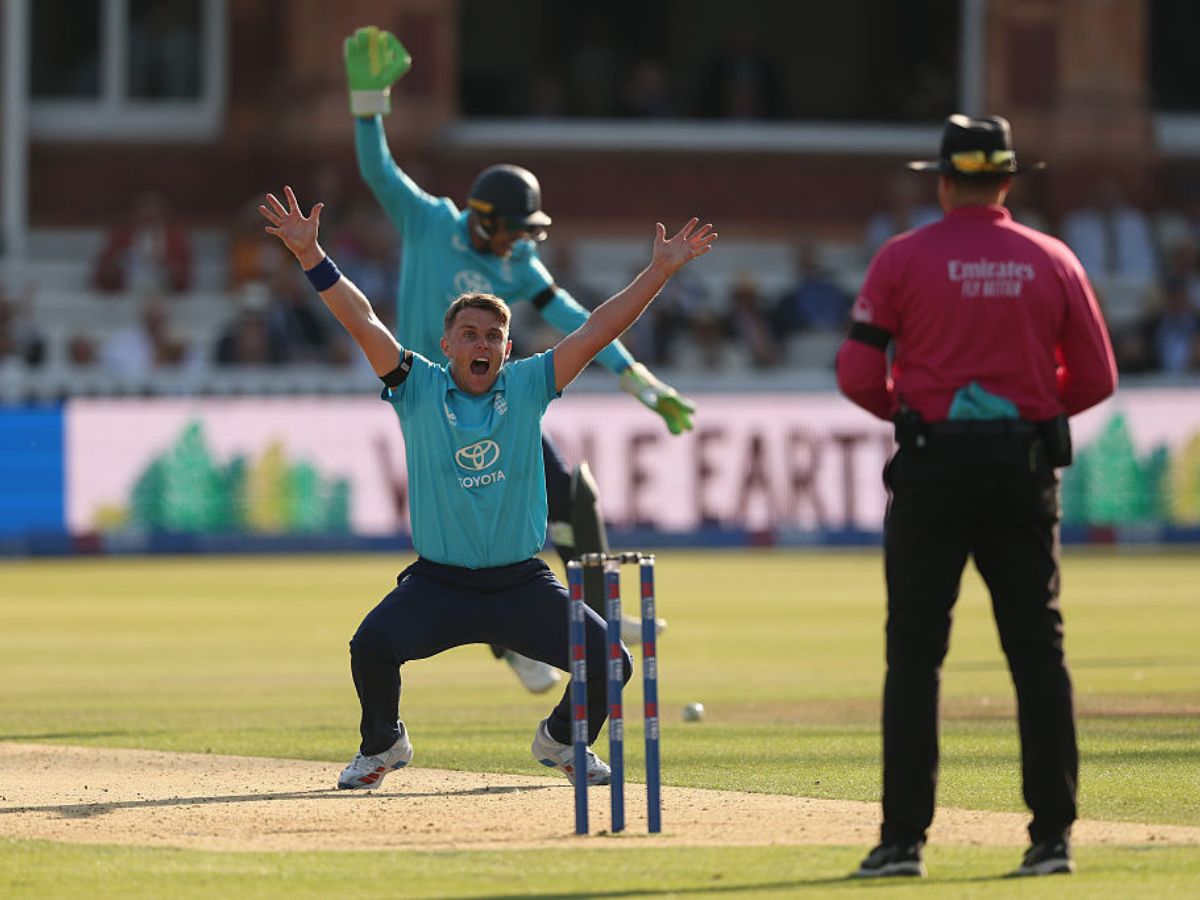)
England’s Batting Masterclass: Setting an Imposing Target
From the moment the first ball was bowled, England’s batsmen demonstrated an aggressive intent that rarely wavered. Their approach was clear: attack the Indian bowlers and build a formidable total. The opening pair laid a solid foundation, and the subsequent batsmen capitalized on the momentum, pushing the scoring rate relentlessly.
The Foundation: Duckett and Bethell’s Record Stand
The innings began with an explosive partnership between Ben Duckett and Jacob Bethell, who took full advantage of India’s bowling strategy. Duckett, known for his audacious stroke play, was particularly brutal, dismantling the Indian attack with a flurry of boundaries. He reached his century in quick time, playing shots all around the wicket and dictating terms to the bowlers. Bethell, equally impressive, provided excellent support, rotating the strike effectively and punishing any loose deliveries.

Together, they compiled a new record opening partnership at Lord’s against India, a monumental 192-run stand that left the visitors searching for answers during the first 30 overs. Their aggressive intent from the outset put India’s four-pacer strategy, deployed in the absence of key spinner Kuldeep Yadav and the injured Jasprit Bumrah, under immense scrutiny. The English openers negated the pace threat with deft placement and powerful hitting, pushing the fielders to their limits and consistently finding the gaps. This partnership was not just about runs; it was a psychological blow that visibly deflated the Indian fielders and forced their captain to constantly rethink his bowling changes.
Middle-Order Consolidation and Root’s Anchor
After Bethell fell for a well-made 91, courtesy of Prasidh Krishna, Duckett continued his onslaught. His innings was a masterclass in controlled aggression, as he raced to a brisk 101-run partnership with the experienced Joe Root. Root, a pillar of stability in England’s middle order, played his characteristic anchoring role, ensuring that the scoring rate did not dip even as wickets fell around him. His ability to find boundaries without taking undue risks kept the scoreboard ticking over and allowed Duckett to continue his free-flowing stroke play. Duckett’s magnificent innings eventually concluded at a staggering 141 runs off just 135 balls, a knock that included a plethora of fours and sixes, leaving the crowd in awe. Prince Yadav eventually claimed his wicket, but the damage was already done.
)
The Late Surge: Buttler’s Blitz and a Colossal Total
With Duckett’s dismissal, the stage was set for the powerful lower-middle order to accelerate. Joe Root, who remained unbeaten with 74 runs, found an explosive partner in Jos Buttler. Together, they unleashed a blistering assault on the Indian bowlers, adding 63 runs off a mere 19 balls. This late surge was critical, as it pushed England’s total from a strong position to an almost insurmountable one. Buttler’s trademark power-hitting ensured that England finished their innings on an imposing 388 runs in their allotted 50 overs, setting India a daunting chase of 389 for victory. The final few overs were a blur of boundaries and maximums, showcasing the depth and aggressive philosophy of England’s white-ball team.
India’s Bowling Woes: A Strategy Unravelled
India’s bowling performance in the decider was, by their own high standards, deeply disappointing and ultimately proved to be their Achilles’ heel. The absence of spearhead Jasprit Bumrah, coupled with the tactical decision to omit specialist spinner Kuldeep Yadav, meant India relied heavily on a four-pacer strategy that backfired spectacularly on a batting-friendly pitch.
)
The Cost of Absences and Tactical Missteps
Without Bumrah’s precision and death-over mastery, and Kuldeep’s wicket-taking ability in the middle overs, India’s attack lacked both penetration and control. The English batsmen exploited this vulnerability relentlessly. The new ball bowlers struggled to find early breakthroughs, allowing Duckett and Bethell to settle in and build their record-breaking partnership.
Individual Struggles and Unwanted Records
Prasidh Krishna, with figures of 2 for 69 from his 10 overs, was arguably the sharpest of India’s bowlers, managing to claim two crucial wickets, including that of Bethell. However, even his performance was not enough to stem the flow of runs. Prince Yadav picked up a wicket but went for 79 runs, indicating the pressure he was under.
)
The most concerning aspect of India’s bowling display was the performance of Gurnoor Brar. His figures of 0 for 97 from his quota of overs became the most expensive by any bowler in an ODI at Lord’s, eclipsing a record that had stood since 1975. This unwanted record highlighted the immense pressure the English batsmen applied and the inexperience within the Indian attack. The significant number of extras conceded – 26 in total – further compounded India’s problems, demonstrating a lack of discipline and adding unnecessary runs to an already colossal total. All in all, it was a tough afternoon for India’s bowlers, starkly highlighting the lack of depth and experience in their current lineup, particularly in high-pressure situations. The inability to contain scoring or pick up wickets consistently meant England could dictate the pace of the game throughout their innings.
India’s Spirited Chase: Heroics and Heartbreak
Faced with a mountainous target of 389, India’s response was nothing short of heroic in its initial stages, but ultimately succumbed to the pressure of the chase and some incisive bowling from England.
)
A Dream Start: Rohit and Gill’s Record-Breaking Partnership
India’s chase began with a dream start from openers Rohit Sharma and Shubman Gill. They approached the challenge with a blend of caution and aggression, steadily building a partnership that not only kept India in the hunt but also broke records. Their 147-run opening stand was the highest by an Indian pair at Lord’s in an ODI, showcasing their class and temperament under immense pressure. Gill, in particular, looked in sublime form, crafting a fluent 77 runs before his dismissal. Their partnership provided the perfect platform, instilling belief in the dressing room that this seemingly impossible target could indeed be chased. The early overs were dominated by crisp drives and intelligent running, forcing England to reconsider their initial bowling plans.
Rohit’s Historic Ton and Kohli’s Support
After Gill’s departure, captain Rohit Sharma continued his magnificent innings, pressing on to score a magnificent century. This was a truly historic moment, as it marked the first time an Indian batsman had scored an ODI hundred at the iconic Lord’s ground. Rohit’s innings was a masterclass in pacing a chase, combining elegant stroke play with powerful hitting, keeping India’s required run rate within reach. He found an able partner in Virat Kohli, who contributed a brisk 74 runs, further accelerating the scoring and maintaining the momentum. Their partnership kept the Indian dream alive, with the scoreboard ticking over rapidly and the English bowlers under constant threat. The duo’s experience shone through, as they navigated tricky spells and capitalized on scoring opportunities.
)
Sam Curran’s Game-Changing Spell: The Turning Point
However, the momentum of the chase shifted dramatically and decisively in England’s favour following a game-changing spell from all-rounder Sam Curran. Known for his ability to provide crucial breakthroughs, Curran delivered when it mattered most. In a single, pivotal over, he removed both Ishan Kishan and Shreyas Iyer, shattering India’s middle order and sending shockwaves through their chase. These dismissals were not just about wickets; they were about breaking the rhythm and confidence of the Indian batting lineup. Curran’s ability to bowl tight lines and extract movement proved too much for the incoming batsmen, who were tasked with maintaining an already steep required run rate. This double strike was the turning point, transforming a promising chase into a desperate struggle.
The Middle-Order Collapse and Final Stand
Following Curran’s heroics, India lost wickets in a cluster. The pressure mounted, and with the required run rate climbing, the remaining batsmen found it increasingly difficult to keep pace. Despite some valiant efforts from the lower order to keep the scoreboard moving, the early damage inflicted by England’s formidable total and Curran’s breakthroughs proved insurmountable. India eventually closed their innings at 360 for 7, falling short of the target by 27 runs. The final overs saw a desperate attempt to salvage the chase, but England’s bowlers, buoyed by the substantial lead, held their nerve and sealed the victory. The chase, though spirited, highlighted the fragility of India’s middle order once their top three had departed.
)
Key Performances and Decisive Moments
The match was defined by several standout performances that ultimately swayed the result in England’s favour. Ben Duckett’s aggressive 141 set the tone for England’s innings, demonstrating a fearless approach that put India on the back foot from the outset. His ability to accelerate without losing his wicket for a prolonged period was crucial in building the massive total.
On the bowling front, Sam Curran’s four-wicket haul was nothing short of phenomenal. His knack for breaking partnerships and delivering under pressure proved to be the decisive factor in stifling India’s chase. The crucial dismissals of Kishan and Iyer in the same over not only stemmed the flow of runs but also created an irreparable dent in India’s batting lineup.
)
For India, Rohit Sharma’s historic century at Lord’s was a testament to his class and resilience. Despite being on the losing side, his innings will be remembered for its sheer brilliance and the historical significance of being the first Indian to achieve such a feat at the venue in an ODI. Shubman Gill and Virat Kohli also contributed significantly, showing that India possessed the firepower to challenge such a high total, but lacked the depth to sustain the pressure throughout the innings. The contrast between England’s collective batting depth and India’s reliance on their top-order stalwarts was starkly evident.
Official Reactions and Post-Match Analysis
While official statements from both camps will undoubtedly emerge in the coming days, the immediate aftermath of the match would have seen contrasting emotions. England’s captain and coach would be celebrating a hard-fought series victory, especially one secured against a strong Indian side at home. The win would be seen as a validation of their aggressive white-ball philosophy and the depth of talent within their squad. Post-match analysis from the English perspective would likely highlight the bravery of their batting, the tactical astuteness of their captain, and the crucial impact of key individual performances like Duckett’s century and Curran’s bowling.
)
On the Indian side, there would be a mixture of pride in the top order’s valiant effort and concern over the bowling performance and middle-order collapse. The captain’s debrief would likely focus on the areas that need immediate attention: the lack of bite in the bowling attack, particularly in the absence of star players, and the inability of the middle order to absorb pressure and finish games. The high number of extras conceded would also be a point of contention, indicating a need for greater discipline. Cricket pundits and analysts would dissect the tactical decisions made by both sides, scrutinizing team selections and bowling changes. The question of India’s bowling depth, especially in conditions that don’t heavily favour spin, would undoubtedly be a major talking point.
Implications for Both Squads: Looking Ahead
The series result carries significant implications for both England and India as they look ahead to future assignments and major tournaments.
)
England’s ODI Resurgence
For England, this 2-1 series victory is a strong statement of intent and a significant boost to their confidence. It reaffirms their position as one of the premier white-ball teams in the world and demonstrates their ability to perform under pressure against top opposition. The emergence of players like Ben Duckett delivering match-winning performances, coupled with the consistent brilliance of established stars, bodes well for their future campaigns, including any upcoming ICC tournaments. The win validates their aggressive brand of cricket and suggests that their talent pool remains robust, capable of producing match-winners in crucial encounters. It also provides valuable insights into player form and combinations, allowing the team management to fine-tune their strategies.
India’s Road Ahead: Addressing Gaps
For India, the series loss, particularly the manner of defeat in the decider, exposes several critical areas that require immediate attention. The most glaring concern is the bowling depth, especially in the fast-bowling department when key players like Jasprit Bumrah are unavailable. The reliance on a four-pacer strategy without a specialist spinner proved costly, highlighting the need for a more balanced attack that can adapt to different conditions and opposition strengths. The record-breaking spell by Gurnoor Brar underscores the inexperience and lack of ideas under pressure within parts of the bowling unit.
)
Furthermore, the middle-order’s inability to withstand pressure after the top three departed is another area of concern. While Rohit Sharma, Shubman Gill, and Virat Kohli provided a fantastic foundation, the rapid fall of wickets once they were dismissed suggests a need for greater resilience and finishing capabilities from the batsmen batting at numbers 4, 5, and 6. This loss will undoubtedly inform future player selections and strategic planning, forcing the Indian team management to look for solutions to these vulnerabilities. The team will need to critically assess its bench strength, explore new talent, and develop strategies to ensure that such collapses do not recur in high-stakes matches. The importance of having a diverse and adaptable bowling attack, along with a robust middle order, cannot be overstated as India prepares for upcoming international fixtures.
Conclusion
The three-match ODI series between England and India concluded with a thrilling crescendo at Lord’s, where England’s superior batting firepower and timely bowling heroics secured a well-deserved 2-1 series victory. While India’s top order produced moments of brilliance, including a historic century from Rohit Sharma, their bowling frailties and a critical middle-order collapse ultimately proved to be their undoing. This series will be remembered for its high-scoring encounters and the competitive spirit displayed by both teams, but it also provides valuable lessons for India regarding their bowling depth and middle-order stability. For England, it’s a testament to their enduring strength in white-ball cricket and a significant morale boost as they continue their journey in international cricket.
