

TECHNOLOGY
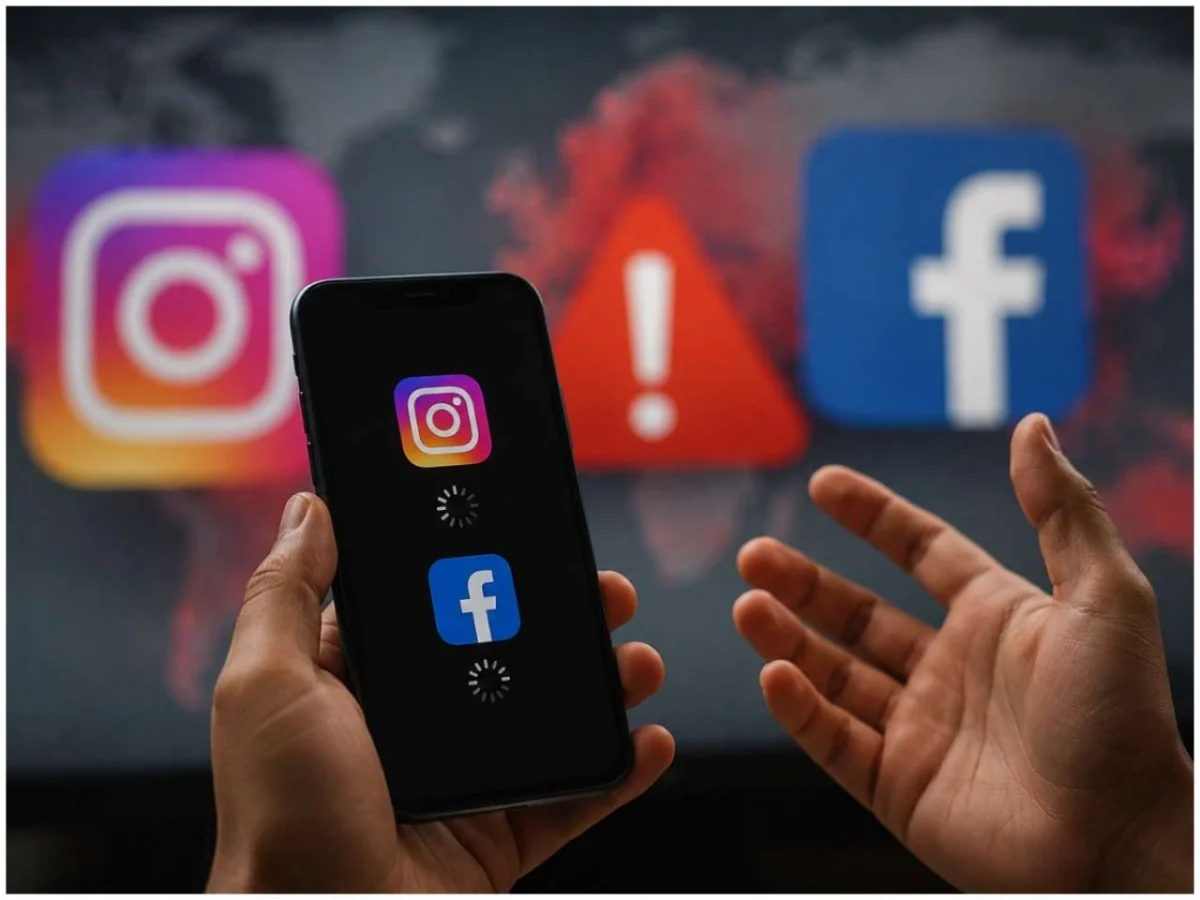
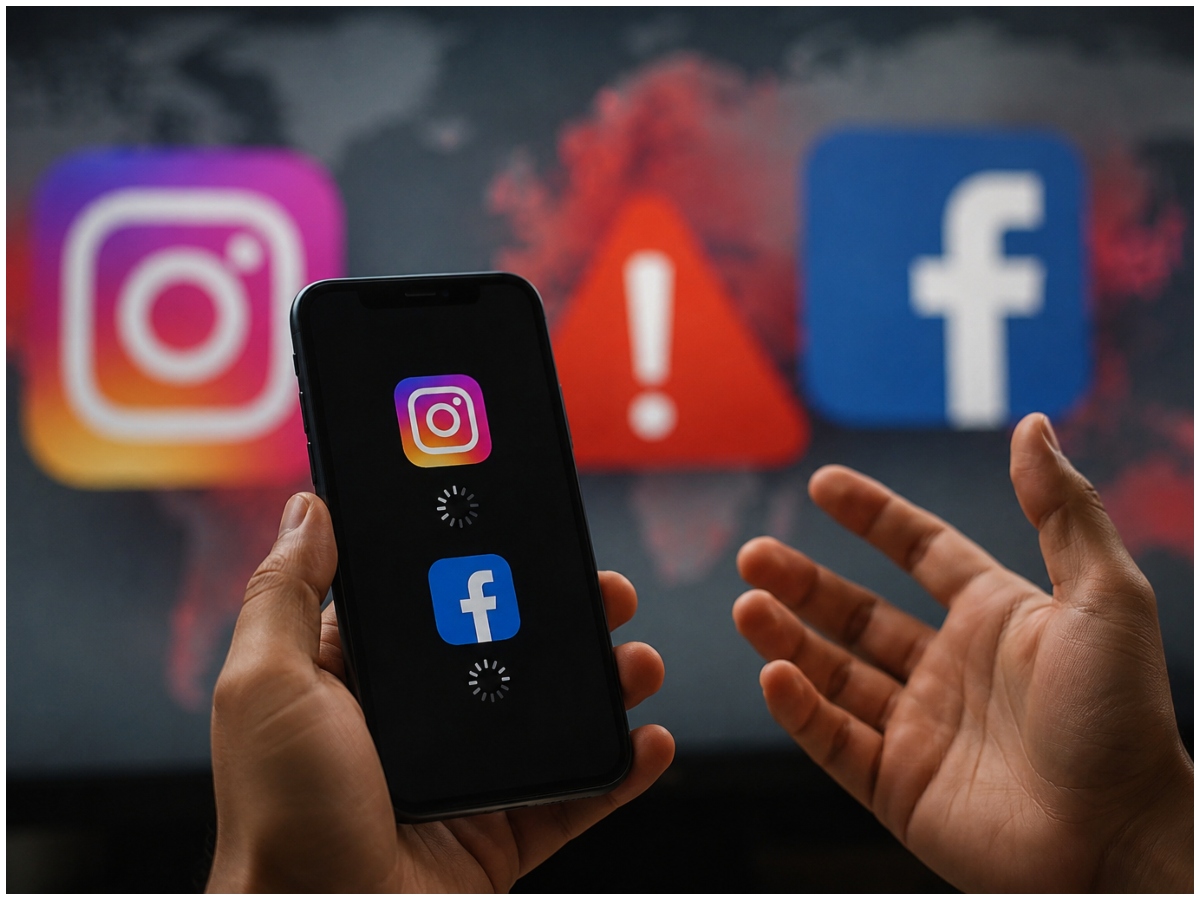
New Delhi, July 19, 2026 – A significant and escalating outage has crippled Meta’s flagship social media platforms, Instagram and Facebook, leaving millions of users across numerous countries unable to access their accounts, post new content, or refresh their feeds. The disruption, which began manifesting prominently on Sunday afternoon, July 19, has prompted widespread frustration and a surge of activity on alternative platforms as the digital world grapples with an unexpected, prolonged silence from the tech giant.
As of Sunday evening, Meta has yet to issue an official statement or acknowledge the cause of the widespread service interruption, deepening the mystery and intensifying user anxiety. The unprecedented scale of the outage underscores the profound global reliance on these platforms for personal communication, business operations, and real-time information dissemination.
The Unfolding Crisis: A Global Digital Blackout
The digital world experienced a sudden jolt on Sunday afternoon as reports of issues with Instagram and Facebook began to flood the internet. What started as isolated incidents quickly escalated into a global phenomenon, leaving a vast swathe of Meta’s colossal user base in digital limbo.
)
Chronology of Disruption
The first whispers of trouble emerged shortly after 1 PM IST (Indian Standard Time) on Sunday, July 19. Users initially reported difficulties in loading their feeds on Instagram, followed by login failures and an inability to post new content. Almost concurrently, similar issues began plaguing Facebook, with users unable to access their profiles, share updates, or even send messages via Messenger.
Real-time outage tracker Downdetector, a crucial barometer for digital service health, painted a stark picture of the escalating crisis. The number of user complaints surged dramatically between 1 PM and 4 PM, indicating a rapid deterioration of services across both platforms. The complaint volume, far from subsiding, continued its upward trajectory well into the evening, suggesting an ongoing and unresolved technical challenge. The geographical spread of these reports confirmed a truly global incident, impacting users from North America to Europe, Asia, and beyond. This synchronous failure across multiple continents highlighted a potential core infrastructure issue rather than localized server problems. The suddenness and scale of the disruption caught users off guard, interrupting Sunday afternoon activities that often involve casual browsing, sharing, and connecting.

Magnitude of the Outage: Millions Affected
Meta platforms boast an astronomical user base, with Facebook alone connecting over 3 billion people monthly, and Instagram catering to more than 2 billion. When an outage of this magnitude strikes, the ripple effect is immense. Millions, if not billions, of individuals found themselves abruptly disconnected from their primary digital arteries.
For many, Instagram and Facebook are more than just social networks; they are essential tools for communication, commerce, and community building. Families separated by geography rely on them for daily updates, small businesses depend on them for marketing and sales, and content creators build entire livelihoods around their reach. The sudden unavailability of these services didn’t just cause inconvenience; for a significant portion of the global population, it represented a temporary severance from crucial personal and professional networks. The immediate impact translated into widespread confusion, frustration, and a desperate search for answers on platforms that were still operational.
)
The Silence from Menlo Park: Meta’s Unanswered Questions
Perhaps the most striking aspect of the ongoing outage has been the profound silence from Meta’s corporate headquarters in Menlo Park, California. As hours ticked by and user complaints mounted, the company’s official communication channels remained conspicuously dormant.
Lack of Official Communication
In an era where instant communication is paramount, especially during crises, Meta’s prolonged silence has raised eyebrows and fueled public frustration. Major tech companies typically have well-established protocols for addressing service disruptions, often involving immediate acknowledgements via official Twitter accounts, status pages, or press releases. These communications usually confirm the issue, state that engineers are working on a fix, and sometimes provide an estimated time for resolution.
)
Meta’s failure to adhere to these industry standards has left users and the media in the dark. This lack of transparency not only exacerbates user frustration but also erodes trust. Without official confirmation or explanation, speculation runs rampant, ranging from technical glitches to more sinister possibilities like cyberattacks. The absence of a calming, authoritative voice from Meta during a global crisis of its own making only adds to the digital disquiet. Industry analysts suggest that swift communication, even if just to acknowledge the problem, is critical for maintaining user confidence and managing public perception during such events.
Speculation and Uncertainty
In the void left by Meta’s silence, theories about the cause of the outage have proliferated across the internet. Users and tech enthusiasts alike have engaged in extensive speculation, attempting to piece together the puzzle. Common theories include:
)
- DNS (Domain Name System) Issues: A similar, infamous outage in October 2021 that took Meta platforms offline for nearly six hours was attributed to a configuration error in their DNS servers, essentially making their websites undiscoverable on the internet. This remains a prime suspect for many.
- Server Overload/Infrastructure Failure: A sudden surge in traffic or a critical failure within Meta’s vast global server infrastructure could lead to a cascading effect, shutting down services.
- Software Bugs/Deployment Errors: A faulty software update or a new deployment gone wrong could introduce critical bugs that disrupt core functionalities.
- Cyberattack: While less common for such widespread, prolonged outages without immediate claims, the possibility of a distributed denial-of-service (DDoS) attack or other malicious activity is always a concern during major tech disruptions.
Without official word from Meta, these remain conjectures. However, the sheer scale and persistence of the outage point towards a fundamental issue within the company’s core systems, rather than isolated or easily rectifiable glitches.
Echoes Across the Digital Sphere: Netizens React
The immediate aftermath of the Meta outage saw a massive migration of frustrated users to other functional social media platforms, primarily X (formerly Twitter), transforming it into the de facto public square for expressing dismay, seeking information, and sharing collective experiences.
)
X (formerly Twitter) as the Digital Public Square
As Instagram and Facebook faltered, X (formerly Twitter) experienced a significant surge in activity. Users flocked to the platform to confirm if others were experiencing similar issues, report their problems, and vent their frustrations. Hashtags like #InstagramDown and #FacebookDown quickly trended worldwide, becoming central hubs for real-time updates and discussions.
The online reactions were a blend of frustration, humor, and resignation. Many expressed genuine annoyance at being cut off from their primary communication channels. For some, the disruption meant a halt to business operations, while for others, it was simply an unwelcome interruption to their daily routine.
)
Amidst the complaints, a wave of creative and often hilarious memes emerged. Users leveraged the outage to poke fun at the situation, at Meta, and even at themselves for their dependency on these platforms. One user, Ashok Mor (@_techibee), shared a video on X depicting a screenshot of his smartphone struggling to upload an Instagram Reel, perfectly encapsulating the technical frustrations many faced. Another user, @TigerVishkit, posted a funny video implying the return to a "normal life" during the outage, showing a parent oblivious to their child’s mishap while engrossed in something else – a sardonic commentary on how deeply integrated social media has become into our lives. These reactions highlighted the dual nature of social media users: dependent yet capable of finding humor in adversity. X, with its real-time, short-form communication style, proved to be the ideal platform for this collective coping mechanism.
The Psychology of Disconnection
The widespread outage also offered a stark reminder of the psychological and behavioral impact of social media on modern society. For many, these platforms are deeply interwoven into their daily lives, serving as sources of news, entertainment, and social connection. The sudden inability to access them can trigger a range of emotions, from mild inconvenience to genuine anxiety or even a sense of withdrawal.
)
Studies have shown that prolonged engagement with social media can create habitual behaviors, and the abrupt cessation of access can lead to feelings of FOMO (Fear Of Missing Out), boredom, or a sense of detachment from one’s social circles. While some users might embrace the unexpected "digital detox," others find themselves at a loss, highlighting the extent to which these platforms have reshaped our social interactions and leisure activities. The collective scramble to X underscores this dependency, as users sought to re-establish connection and share their experiences, even if on a different platform.
Beyond Social Scrolls: Economic and Social Ramifications
The Meta outage is not merely an inconvenience for individual users; it carries significant economic and social ramifications, affecting businesses, content creators, and the broader digital ecosystem.
)
Impact on Businesses and Content Creators
For millions of small and medium-sized businesses (SMBs) worldwide, Instagram and Facebook are indispensable tools for marketing, customer engagement, and direct sales. Many entrepreneurs and local shops rely almost exclusively on these platforms to reach their target audience, showcase products, and process orders. An outage of several hours can translate directly into tangible financial losses, disrupted marketing campaigns, and missed revenue opportunities. Product launches, limited-time offers, and scheduled advertisements instantly become ineffective, costing businesses valuable time and money.
Content creators, influencers, and digital marketers also face substantial challenges. Their livelihoods often depend on consistent engagement, follower growth, and the ability to post sponsored content. A prolonged outage means a cessation of their primary income-generating activities, potentially leading to breaches of contract with brand partners and a significant dip in audience reach and engagement metrics. For many, this isn’t just a temporary setback but a serious threat to their financial stability. The interconnectedness of the digital economy means that a failure at one major hub can send shockwaves through countless other enterprises.
)
Erosion of Trust and Reliability
Frequent or prolonged outages, even if eventually resolved, can significantly erode user and advertiser trust in the reliability of a platform. Businesses invest heavily in advertising and marketing on Meta platforms, expecting consistent uptime and reach. When these services fail, it can lead to questions about the robustness of Meta’s infrastructure and its ability to guarantee service level agreements (SLAs).
Users, too, begin to question the stability of platforms they rely on for communication and critical information. A pattern of disruption might push some to seek out alternative platforms or diversify their online presence, potentially leading to a fragmentation of the social media landscape. For a company like Meta, whose business model is built on network effects and sustained user engagement, maintaining an image of unwavering reliability is paramount. Each major outage chips away at this critical foundation.
)
A Call for Digital Resilience
This outage serves as a stark reminder of the inherent vulnerabilities of a highly centralized digital infrastructure. The world’s increasing reliance on a handful of dominant tech giants for essential communication, commerce, and information flow creates single points of failure that can have cascading global consequences.
The incident sparks broader discussions about digital resilience, encouraging individuals and businesses to diversify their online presence and not put all their digital eggs in one basket. It highlights the need for robust backup communication channels, independent websites, and a more decentralized approach to digital interaction. For policymakers, it raises questions about regulating tech giants and ensuring the stability of critical digital infrastructure.
)
Navigating the Digital Downtime: User Guidance
While Meta engineers presumably work tirelessly behind the scenes to restore services, users are left to navigate the digital downtime. It’s crucial to approach the situation calmly and avoid actions that could exacerbate problems.
Immediate Troubleshooting Steps
If you find yourself unable to access Instagram or Facebook, here are some recommended troubleshooting steps:
)
- Confirm the Outage: Before attempting complex fixes, verify if the issue is widespread. The quickest way to do this is to check Downdetector.com or visit X (formerly Twitter) and search for "Instagram down" or "Facebook down" to see if others are reporting similar problems. If the issue is widespread, then it’s a server-side problem, not a personal device issue.
- Toggle Wi-Fi and Mobile Data: Sometimes, connectivity issues can be localized to your internet connection. Try switching from Wi-Fi to mobile data (or vice versa) to see if the app functions on a different network.
- Restart the Application: Close the Instagram or Facebook app completely and then reopen it. For most smartphones, this involves swiping up from the bottom of the screen to reveal open apps and then swiping the app away.
- Restart Your Device: A simple device restart can often resolve minor software glitches that might be interfering with app functionality.
- Clear App Cache (Android) / Reinstall App (iOS/Android):
- Android: Go to Settings > Apps > [Instagram/Facebook] > Storage > Clear Cache. This clears temporary data that might be corrupted. You can also try "Clear Data," but this will log you out.
- iOS/Android: If clearing the cache doesn’t work, consider uninstalling and then reinstalling the app. This ensures you have a fresh installation, but remember your login details.
- Try a Different Browser or Device: If you’re accessing Facebook or Instagram via a web browser, try a different browser (e.g., Chrome, Firefox, Edge). You can also attempt to log in from a different device (e.g., a tablet or computer) to rule out a device-specific problem.
- Check for App Updates: Ensure your Instagram and Facebook apps are updated to the latest version. Developers often release updates to fix bugs and improve performance. Check your device’s app store.
What Not to Do
During an outage, avoid panic actions that could compromise your account or worsen the situation:
- Do not repeatedly try to log in: This can sometimes trigger security protocols that temporarily lock your account or flag it for suspicious activity.
- Do not reset your password unnecessarily: If the issue is with the server, resetting your password won’t help and might complicate access once services are restored.
- Be wary of phishing scams: Scammers often exploit widespread outages by sending fake emails or messages claiming to be from Meta, asking for your login credentials to "fix" the problem. Always verify the source.
Staying Informed
Until Meta provides an official update, the best way to stay informed is to monitor reliable news outlets, check Downdetector, and keep an eye on X for trending hashtags and verified information from tech news sources. Avoid relying on unverified claims or unofficial channels for critical updates.
)
Historical Context: A Pattern of Disruption?
While the current Meta outage is severe, it is not an isolated incident in the history of major tech companies. The digital landscape has witnessed several high-profile disruptions, underscoring the inherent fragility of even the most robust global infrastructures.
In October 2021, Meta (then Facebook) experienced a nearly six-hour-long outage that impacted Facebook, Instagram, WhatsApp, and Messenger globally. This incident, attributed to a "faulty configuration change" in their backbone routers, caused a monumental stir, affecting billions of users and causing significant financial losses. Other tech giants have also faced similar challenges. Amazon Web Services (AWS), a cloud computing behemoth, has had several significant outages over the years, impacting countless websites and services that rely on its infrastructure. Google, too, has experienced brief but impactful disruptions across its suite of services, from Gmail to YouTube.
)
These historical precedents suggest that even with massive investments in redundancy and infrastructure, complex global networks are susceptible to human error, software bugs, or unforeseen technical failures. Each major outage serves as a critical learning experience, prompting companies to review and reinforce their systems, but complete immunity remains an elusive goal.
The Path Forward: Lessons Learned and Future Safeguards
As the world awaits Meta’s official explanation and the full restoration of its services, the current outage offers crucial lessons for both the tech giant and the broader digital community. For Meta, this incident will undoubtedly trigger a comprehensive internal review of its infrastructure, operational protocols, and emergency communication strategies. The prolonged silence has highlighted a significant gap in their crisis management, which will likely be addressed with greater urgency.
)
Moving forward, the focus will undoubtedly be on enhancing resilience, diversifying network architecture, and implementing more robust fail-safes to prevent similar widespread disruptions. For users and businesses, the outage is a powerful reminder of the importance of digital diversification – not relying solely on one platform for critical communication or commerce. The digital world’s interconnectedness is its strength, but also its vulnerability. Ensuring greater stability and transparency from the platforms that underpin much of modern life will be a collective challenge for the years to come.
As Sunday evening progresses, the digital blackout continues, and the global wait for Meta’s voice grows louder. The incident serves as a poignant reminder of our profound reliance on technology and the significant impact when the invisible wires connecting us all momentarily go dark.
