

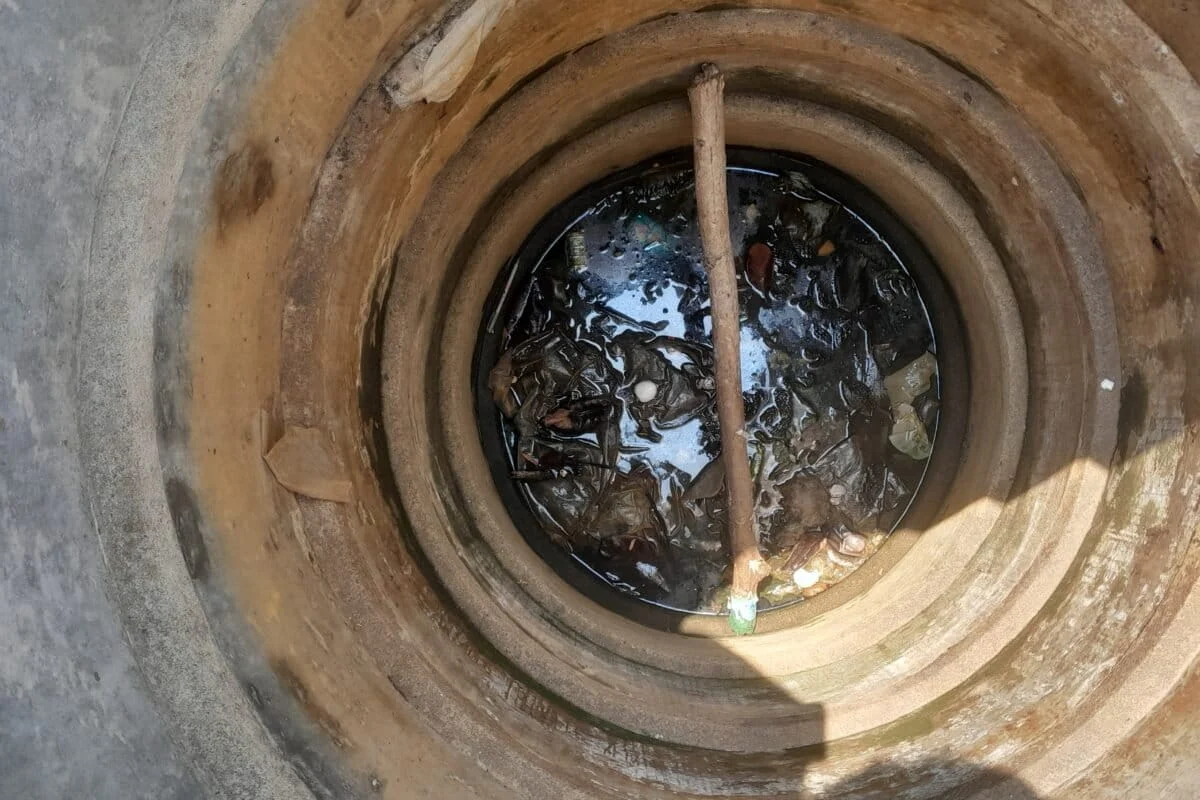
However, a recent breakdown in the regional piped water infrastructure, which serves six local panchayats, has forced hundreds of families back to these traditional groundwater sources. What they are finding is a cause for profound concern. Beyond the visible threat of salinity lies an invisible peril: a cocktail of heavy metals including arsenic, aluminum, and iron.
A landmark study published in the prestigious journal Scientific Reports has pulled back the curtain on the deteriorating health of Alappuzha’s coastal aquifers. The research reveals that the very water Sainabha’s community relies upon as a "lifeline" is increasingly becoming a reservoir for industrial and agricultural pollutants.
Main Facts: A Crisis in the Coastal Aquifers
The study, led by S. Selvam, a senior assistant professor of geology at V.O. Chidambaram College, provides a sobering assessment of the groundwater quality in Alappuzha. By analyzing samples across two distinct periods—pre-monsoon and post-monsoon—researchers identified a persistent pattern of heavy metal contamination that transcends seasonal changes.
The findings indicate that 32% of pre-monsoon samples and 34% of post-monsoon samples exhibited medium to high pollution levels. The data identifies specific "hotspots" where the concentration of toxic elements exceeds safe thresholds:

- Arsenic: High concentrations were concentrated in Ambalapuzha, Anandheswaram, and Thottappally.
- Aluminum: Critical levels were recorded in Alappuzha town, Kanjikuzhi, and Paravoor.
- Iron: Elevated levels plagued Paravoor, Alappuzha, Chennakari, and Ambalapuzha.
While the study clarifies that the contamination is "localized and process-driven" rather than a total systemic failure of the region’s hydrology, the implications for the thousands of residents who depend on these shallow aquifers are significant. Arsenic and aluminum levels in approximately 8-10% of the samples exceeded the World Health Organization (WHO) safety limits, posing long-term health risks to the local population.
Chronology: From Abundance to Vulnerability
The history of water usage in Alappuzha is a narrative of shifting dependencies. For generations, the district’s unique geography—sandwiched between the sea and the vast Vembanad Lake—meant that open wells and ponds were the primary sources of life.
The Coir Era and Early Degradation:
Decades ago, as recalled by 67-year-old Lalitha of Kanjikuzhi, the community was heavily engaged in the coir-making industry. The process of retting coconut husks in local water bodies introduced organic matter that gave the groundwater a distinct yellowish-brown tint. While this affected the aesthetics and taste, the water remained the staple for the region.
The 2019 Floods and the Salinity Shift:
The 2019 Kerala floods marked a turning point for many coastal residents. In villages like Paravoor, residents like 63-year-old Mariyamma report that the floodwaters altered the subterranean balance. Following the recession of the floods, many wells that were previously fresh began to succumb to saline intrusion. This accelerated the community’s transition toward government-supplied piped water and the Jal Jeevan Mission.
Modern Infrastructure Failures:
In 2024, the reliance on modern infrastructure has hit a bottleneck. Frequent plumbing issues and maintenance delays in the regional supply network have left six panchayats without reliable tap water for extended periods. This has created a forced "reverse migration" back to the very wells that were abandoned years ago due to quality concerns.

The Rise of the RO Economy:
With the government supply being unreliable and the wells being perceived as contaminated, a private water economy has emerged. Residents like 32-year-old Anit Nirmala, who is currently pregnant, represent a growing demographic that refuses to drink either well water or chlorinated tap water. Instead, they spend a significant portion of their daily income on 20-liter Reverse Osmosis (RO) treated cans, creating a new form of economic water stress.
Supporting Data: The Chemical Profile of the Water
The Scientific Reports study categorizes the contamination into two origins: anthropogenic (human-caused) and geogenic (naturally occurring).
Anthropogenic Contamination (Arsenic and Aluminum)
The presence of arsenic and aluminum is largely attributed to human activity. Alappuzha’s status as a premier tourism destination, combined with intensive agriculture and inadequate waste management, has created a toxic runoff.
- Commercial Debris & Tourism: The boom in houseboats and resorts along the backwaters has increased the discharge of untreated domestic sewage and commercial waste.
- Agricultural Runoff: The adjacent Kuttanad region, known as the "rice bowl" of Kerala, uses significant amounts of fertilizers and pesticides. During the monsoon, this runoff leaches into the shallow coastal aquifers.
- Sample Statistics: Arsenic was found above WHO limits in 8-10% of samples, while aluminum exceeded limits in 8% of the seasonal tests.
Geogenic Contamination (Iron)
Iron levels were elevated in 4-8% of samples. Unlike arsenic, researchers believe the iron content is primarily a result of the region’s natural geological composition. The interaction between the water and the iron-rich sediment of the coastal shelf leads to high concentrations, particularly in Paravoor and Chennakari.
The Salinity and Organic Matter Factor
Beyond heavy metals, the seasonal influx of organic matter is a major deterrent. Lata John, 57, notes that during heavy rains, runoff from Vembanad Lake carries decomposed straw and organic matter from submerged paddy fields into the wells. This not only makes the water unpotable but gives it a foul odor, rendering it useless for even basic household chores.

Official Responses and Scientific Dissent
The publication of the study has sparked a debate within the scientific community and triggered guarded responses from local authorities.
The Lead Researcher’s Stance:
S. Selvam maintains that the study is a necessary "early warning system." He emphasizes that while the entire system isn’t "severely" polluted, the hotspots are a call to action. In response to questions about the accuracy of the arsenic findings, Selvam confirmed that the research utilized reference materials certified by the National Institute of Standards and Technology (NIST) to ensure high-precision results.
Academic Skepticism:
Shaji E., a professor of geology at the University of Kerala, has urged caution in interpreting the results. He notes that the arsenic levels reported in the Scientific Reports study differ from earlier assessments conducted by the Central Ground Water Board (CGWB). "The study may overstate the environmental risk without sufficient corroborative evidence," Shaji remarked, suggesting that localized high readings might not reflect the broader reality of the coastal aquifer.
The Health Department’s View:
Medical officers at the Purakkad and Ambalapuzha Primary Health Centres (PHC) have taken a middle ground. Speaking on the condition of anonymity, one officer confirmed that while "acute" heavy metal poisoning cases haven’t been officially logged, there are clear signs of chronic issues.
- Fluorosis: Dental fluorosis, characterized by brown staining of teeth in children, has been observed in areas still reliant on groundwater.
- Educational Response: At Government High School (GHS) Nalamchira, a medical camp identified these dental issues among students, leading the school to install an RO system for all drinking and cooking needs.
Implications: Health, Policy, and the Path Forward
The implications of this groundwater crisis are multi-layered, affecting public health, the economy, and environmental policy.

Long-term Health Risks
The study warns that prolonged exposure to the identified contaminants is a "silent killer."
- Arsenic: Linked to carcinogenic risks and cardiovascular diseases.
- Aluminum: Associated with neurological disorders and potential links to Alzheimer’s.
- Iron: While less toxic, excessive intake can lead to chronic cardiovascular strain.
Environmental and Climate Pressures
The study highlights that Alappuzha’s water quality is inextricably linked to the Vembanad wetland ecosystem. As sea levels rise and rainfall patterns become more erratic due to climate change, the "mobilization" of these metals is expected to increase. Flooding doesn’t just bring water; it moves toxins from the soil into the drinking supply.
Recommendations for Mitigation
The research team has proposed a series of technical and nature-based interventions:
- Iron-based Adsorption: A cost-effective method for removing arsenic from household wells.
- Coagulation-Filtration: Implementation of community-level filtration systems to target aluminum.
- Phytoremediation: Using specific plants to naturally "suck" heavy metals out of the soil and water near recharge zones.
- Strengthened Regulation: Stricter enforcement of land-use laws to prevent sewage discharge and commercial dumping near vulnerable aquifers.
The Social Divide
Perhaps the most pressing implication is the growing inequality in water access. While the Jal Jeevan Mission aims to provide "Har Ghar Jal" (Water in Every Home), the unreliability of the supply forces families to choose between health and financial stability. Lower-income families, unable to afford daily RO cans, are left with no choice but to use contaminated wells, creating a cycle of health-related poverty.
As Sainabha Zakkir continues to draw water from her well under the shadow of the Thottappally Harbour, her story remains a testament to the resilience of Alappuzha’s people—and a warning of the fragility of the resources they depend on. Without continuous monitoring and a shift in how the region manages its waste and wetlands, the "lifeline" of the coastal well may soon become a liability.
