

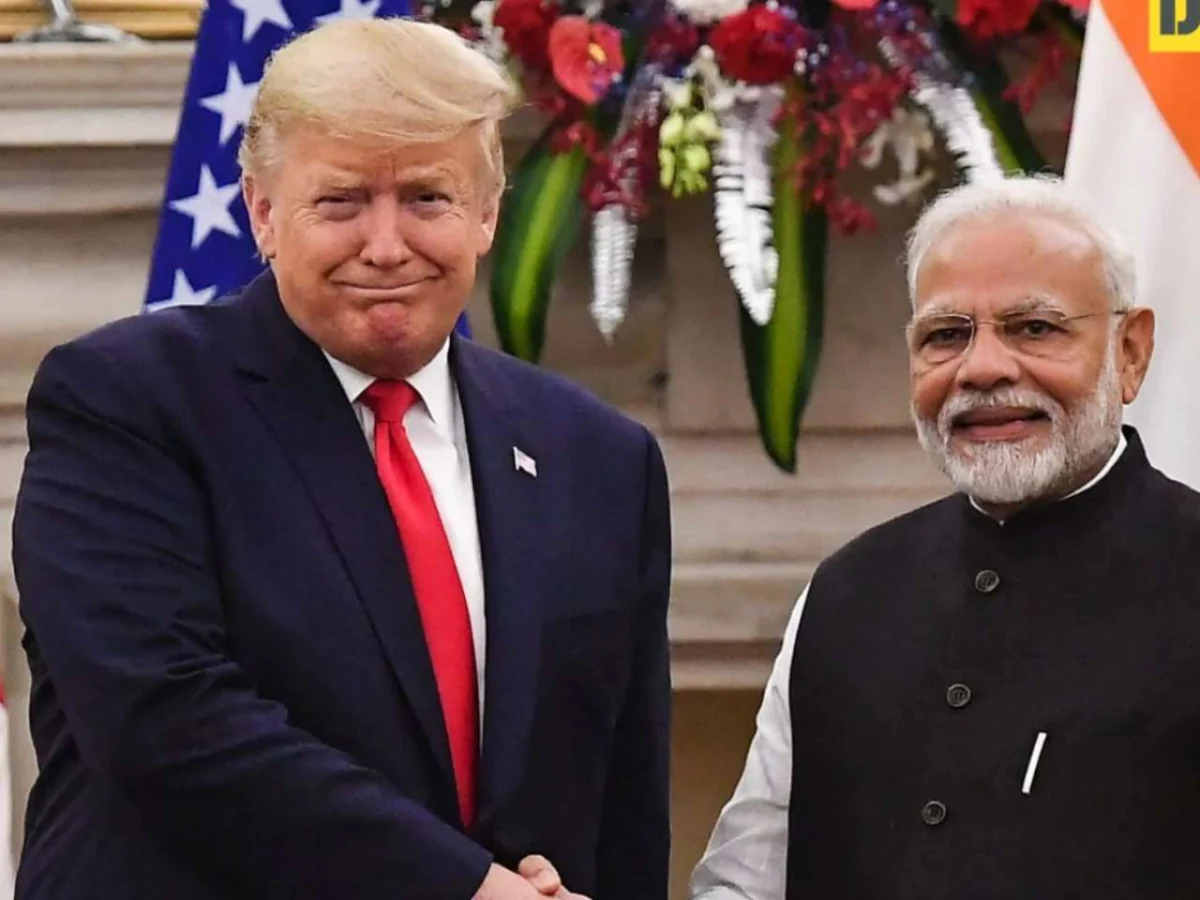
Washington D.C. – August 7, 2026 – A stark decline in F-1 student visa approvals for Indian nationals during the 2025 admission season has raised concerns about the future of international education and the vital role Indian students play in American academic and professional landscapes. A comprehensive report by the U.S.-based Centre for Immigration Studies (CIS) reveals a dramatic 62% drop in student visas issued to Indians, a figure significantly steeper than that experienced by other major student-sending nations, particularly China. This downturn is directly linked to the Trump administration’s intensified immigration policies and tightened regulations on student visas, impacting a demographic crucial to the vibrancy and innovation of U.S. higher education.
The period between May and August 2025, typically the peak season for student visa processing as international students prepare for the fall academic year, saw a precipitous fall in approvals for Indian applicants. According to the CIS analysis, U.S. consulates issued only 22,149 F-1 student visas to Indian nationals during this critical window, a substantial decrease from the 58,694 visas granted in the same period of 2024. This represents a staggering 62% reduction in a single year, signaling a potentially transformative shift in international student mobility.
While Chinese students also experienced a decline in visa approvals, their numbers fell at a considerably lower rate of 34%, with issuances dropping from 61,075 in 2024 to 40,034 in 2025. This disparity suggests that the new immigration policies are disproportionately affecting Indian applicants, who have historically been a cornerstone of the U.S. international student population.
India’s Enduring Significance in U.S. Higher Education
Despite the sharp reduction in visa issuances, India continues to hold its position as the largest source country for international students pursuing higher education in the United States. Data compiled by the Institute of International Education (IIE) and cited in the CIS report underscores this persistent influence. For the 2024-25 academic year, a remarkable 363,019 Indian students were enrolled in U.S. colleges and universities. This figure significantly outpaces the 265,919 students from China, reinforcing India’s dominant role.
)
Collectively, students from India and China account for more than half of the 1.17 million international students currently studying in the U.S. This substantial presence highlights the economic and academic contributions of these students, who not only enrich the cultural diversity of campuses but also contribute significantly to the U.S. economy through tuition fees, living expenses, and research.
The CIS report cautions that the precipitous drop in visa approvals could have far-reaching consequences. It predicts a potential dampening of future enrollment numbers, a reduction in the pipeline of highly skilled international graduates entering the U.S. workforce, and a heightened influence on ongoing national debates surrounding immigration policy and national security. The report also provides historical context, noting that the 2025 figures are nearly 60% below the average of 55,717 F-1 visas granted to Indian students during the May-August period between 2017-2019 and 2021-2024, excluding the pandemic-affected year of 2020. This sustained decline, particularly when viewed against the backdrop of previous years, paints a concerning picture for prospective Indian students.
)
Indian Students: The Backbone of the OPT Program
The report further sheds light on the indispensable role Indian students play in the Optional Practical Training (OPT) program, a critical pathway that allows international graduates to gain valuable work experience in the U.S. after completing their degrees. The OPT program is a vital component of the U.S. innovation ecosystem, attracting top global talent to contribute to various industries.
During the 2024-25 academic year, a substantial 294,253 international graduates were participating in the OPT program. Indian students constituted the largest cohort by a significant margin, with 143,740 participants. Chinese graduates followed, with 61,981 participants, underscoring the disproportionate impact any changes to the OPT program would have on Indian nationals.

The dominance of Indian students is even more pronounced in the STEM OPT extension program, which offers graduates in science, technology, engineering, and mathematics the opportunity to extend their work authorization in the U.S. for up to three years. In 2024, of the 165,524 STEM OPT authorizations granted, an impressive 79,331 went to Indian graduates. This far surpasses the 33,807 authorizations granted to Chinese students, highlighting the critical contribution of Indian talent to the U.S. STEM workforce. Any curtailment or stricter regulation of the OPT program, especially its STEM component, would therefore have a profound and immediate impact on the availability of skilled labor in these vital sectors, potentially hindering American competitiveness and innovation.
A Chronology of Tightening Policies Under the Trump Administration
The marked decline in student visa approvals is not an isolated event but a consequence of a deliberate and evolving immigration strategy implemented by the Trump administration. Over its tenure, the administration has progressively introduced a series of measures aimed at curtailing immigration, including policies that directly affect international students.
)
Key Policy Shifts and Their Impact:
-
July 2025: Finalization of New F-1 Visa Rules: In a significant move, the U.S. Department of Homeland Security (DHS) finalized new regulations that replace the long-standing "duration of status" (D/S) policy with a fixed period of admission for most F-1 visa holders. This change, effective from September 15, 2025, generally limits students to remaining in the U.S. for a maximum of four years. Beyond this period, students are required to formally apply for an extension, introducing an additional layer of administrative burden and uncertainty. This shift from a status-based permission to a time-limited authorization can create anxiety and complicate long-term academic planning for students.
)
-
Reduced Post-Graduation Grace Period: Concurrently, the administration reduced the post-graduation grace period for F-1 students from the traditional 60 days to a mere 30 days. This shortened window significantly reduces the time for students to secure employment, apply for visa extensions, or make arrangements for their departure from the U.S. This can put immense pressure on students to find jobs and navigate complex post-graduation immigration procedures within a compressed timeframe.
-
Stricter Rules for University and Program Changes: The administration has also implemented tighter regulations for students seeking to change universities or academic programs. These changes can make it more challenging for students to transfer or adjust their academic paths, potentially limiting their flexibility and educational opportunities.
)
-
Review of the Optional Practical Training (OPT) Program: The administration has also been actively reviewing the OPT program. While the program remains operational, proposals to further tighten or even reduce its scope are reportedly under consideration. Such measures, if implemented, would disproportionately impact Indian students who constitute the largest share of OPT participants, particularly within critical STEM fields. The uncertainty surrounding the future of OPT creates a climate of apprehension for prospective students and those currently participating in the program.
These policy shifts, implemented over a period, have collectively created a more restrictive environment for international students, leading to the observed decline in visa approvals. The administration’s stated rationale often centers on national security concerns and prioritizing American jobs. However, critics argue that these policies overlook the substantial economic and intellectual contributions of international students and could inadvertently harm U.S. competitiveness in the global academic and technological arena.
)
Implications for the Future of International Education and the U.S. Workforce
The substantial decrease in F-1 visa issuances to Indian students carries significant implications for both the U.S. higher education sector and its future workforce. The influx of international students has historically been a vital source of revenue for American universities, particularly for public institutions that face funding challenges. A sustained decline in enrollment from key countries like India could lead to budgetary pressures, impacting research capabilities, faculty positions, and the overall academic environment.
Furthermore, the U.S. has long benefited from the talent and innovation brought by international graduates. The OPT program, in particular, has served as a crucial bridge for highly skilled individuals to contribute to American industries, especially in STEM fields. A reduction in the number of Indian graduates able to participate in OPT could lead to a shortage of skilled workers in critical sectors, potentially hindering technological advancement and economic growth.
)
The restrictive policies also raise questions about the U.S.’s position as a global leader in attracting international talent. As other countries actively seek to attract international students and researchers, the perception of the U.S. as an unwelcoming destination could lead to a significant brain drain, with talented individuals opting for opportunities elsewhere. This could have long-term consequences for the U.S.’s scientific and technological competitiveness on the global stage.
The impact of these policies is not merely economic; it extends to the cultural and intellectual fabric of American campuses. International students bring diverse perspectives, foster cross-cultural understanding, and enrich the educational experience for domestic students. A reduction in their numbers could diminish this vital aspect of higher education.
)
As the U.S. navigates its immigration policies, the report serves as a critical reminder of the complex interplay between national interests, economic realities, and the vital role of international collaboration in education and innovation. The future trajectory of international student mobility to the U.S. will undoubtedly be shaped by ongoing policy discussions and the administration’s commitment to fostering a welcoming and competitive environment for global talent.
