

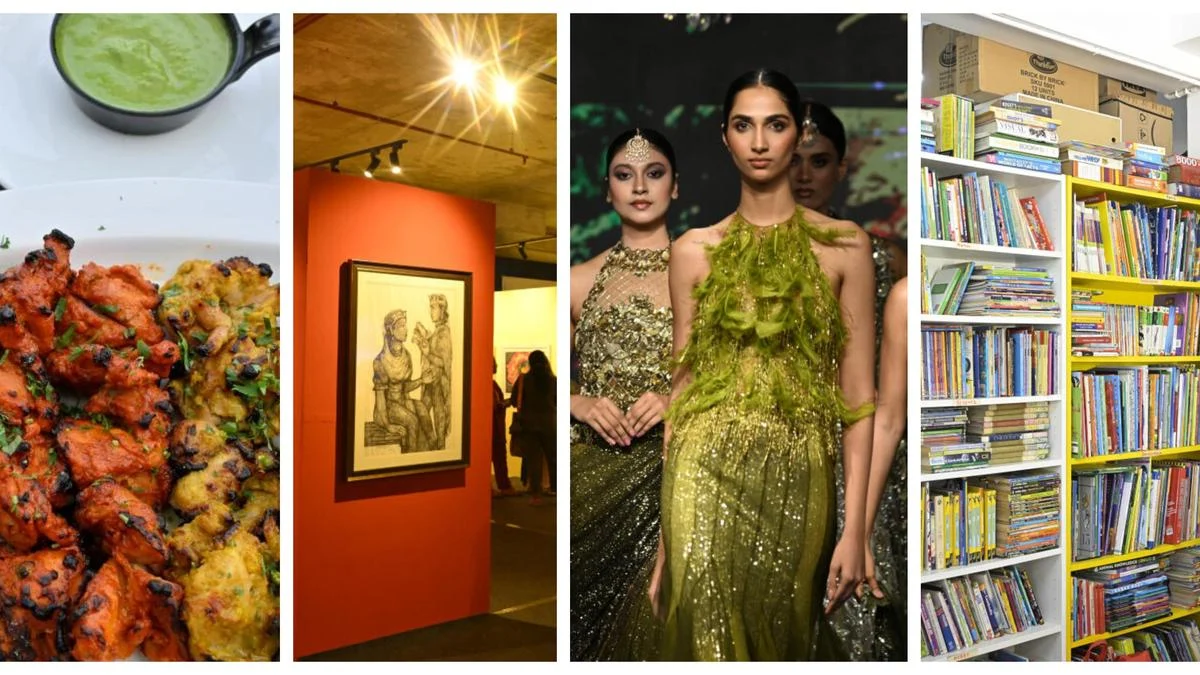
New Delhi, December 27, 2025 – As the year 2025 draws to a close, a vibrant tapestry of creativity, innovation, and evolving tastes has defined India’s burgeoning art and design ecosystem. From the runways to the dining tables, the streets to our living rooms, the nation has witnessed a profound engagement with its heritage, a steadfast commitment to sustainability, and an eager anticipation of what lies ahead. This comprehensive retrospective delves into the dominant trends, influential voices, and paradigm shifts that have shaped the year, while also seeking expert insights to navigate the uncharted territories of 2026.
Dominant Threads: Craft, Sustainability, and Indigenous Narratives
The year 2025 has been unequivocally marked by a resurgence of interest in craft-focused pieces, a deliberate embrace of native design principles, and a deepening commitment to sustainable practices across various creative domains. This movement is not merely a fleeting trend but a conscious evolution, reflecting a growing awareness of cultural roots and environmental responsibility.
Fashion: A Celebration of Artisanal Excellence and Ethical Choices
In the realm of fashion, 2025 has been a watershed year for craft-centric creations that champion indigenous design and sustainability. Designers have moved beyond fleeting trends, focusing on garments that tell stories – stories of skilled artisans, of time-honored techniques, and of the natural world.
H3: The Rise of the Conscious Consumer and the Artisan’s Ascendancy
The Indian consumer, increasingly discerning and value-driven, has played a pivotal role in this shift. There’s a palpable desire to connect with the provenance of clothing, to understand the human hands that have woven, embroidered, and dyed each thread. This has led to a significant elevation of the artisan’s status, with brands increasingly collaborating directly with craft communities, ensuring fair wages and preserving traditional knowledge.
"We’ve seen a beautiful symbiosis emerge," comments Anjali Sharma, a prominent fashion critic and curator. "Brands are no longer just consumers of craft; they are partners in its preservation and evolution. This year, the emphasis has been on celebrating the intrinsic beauty of handloom, the intricate artistry of embroidery, and the rich vocabulary of natural dyes. It’s about investing in pieces that have soul, pieces that carry a legacy."
H3: Sustainability as a Guiding Principle, Not an Afterthought
Sustainability has transitioned from a niche concern to a foundational principle for many in the Indian fashion landscape. This has manifested in various ways: the meticulous use of organic and recycled fabrics, the adoption of zero-waste design techniques, and a renewed appreciation for natural dyeing processes that minimize environmental impact.
Rohan Mehta, founder of a sustainable fashion label, elaborates, "The narrative around sustainability has become more sophisticated. It’s no longer just about using organic cotton; it’s about understanding the entire lifecycle of a garment. This year, we’ve seen a greater focus on upcycling, on creating circular fashion models, and on educating consumers about responsible consumption. The ‘buy less, buy better’ mantra is gaining significant traction."
The influence of traditional Indian textiles, such as the vibrant silks of Banaras, the intricate weaves of Kanjeevaram, and the delicate embroideries of Gujarat, has been amplified. Designers have creatively reinterpreted these age-old crafts for a contemporary audience, infusing them with modern silhouettes and innovative styling. This fusion of tradition and modernity has not only captivated domestic audiences but has also garnered international acclaim, positioning Indian craft on the global stage.
Culinary Currents: A Year of Memorable Flavors and Evolving Palates
The Indian food scene in 2025 has been a vibrant exploration of diverse flavors, innovative techniques, and a growing appreciation for the dining experience itself. From the bustling streets to the refined dining rooms, chefs have pushed boundaries, celebrated local produce, and offered unforgettable gastronomic journeys.
H3: Chefs’ Culinary Highs: A Symphony of Taste and Innovation
When asked about the standout culinary experiences of 2025, chefs across India painted a picture of a dynamic and evolving palate. The emphasis has been on fresh, seasonal ingredients, often sourced from local farmers, and on the artful presentation of dishes that are as visually appealing as they are delicious.
Chef Vikramaditya Singh of ‘The Spice Route’ shares, "This year has been about rediscovering the soul of Indian cuisine. I’ve had the privilege of tasting some incredible regional specialties, prepared with an authenticity that is truly humbling. From a perfectly spiced Rajasthani Laal Maas to a delicate Bengali Misti Doi, the focus has been on letting the natural flavors of the ingredients shine through."
Chef Priya Kapoor, a rising star in the Mumbai culinary scene, adds, "What has been particularly exciting is the innovation happening within traditional frameworks. Chefs are experimenting with fermentation techniques, exploring molecular gastronomy to enhance textures, and creating entirely new flavor profiles by drawing inspiration from forgotten recipes. The best meals I’ve had this year have been those that surprised me, that challenged my preconceived notions of what Indian food can be."
H3: The Flourishing Cafe Culture: More Than Just Coffee
The cafe culture in India has continued its impressive trajectory, evolving beyond mere caffeine stops to become vibrant social hubs and culinary destinations. In 2025, cafes have embraced a more holistic approach, offering artisanal coffee, thoughtfully curated menus featuring healthy and innovative dishes, and creating inviting ambiances that encourage lingering and connection.
"Cafes are no longer just places to grab a quick coffee," observes Rahul Desai, a cafe owner and consultant. "They’ve become extensions of people’s living rooms, spaces where ideas are exchanged, friendships are forged, and culinary exploration takes place. We’re seeing a demand for specialty coffee, yes, but also for plant-based options, locally sourced ingredients, and unique fusion dishes. The aesthetic appeal of the cafe, its Instagrammability, also plays a significant role, but ultimately, it’s the quality of the food and the experience that keeps people coming back."
Automotive Aesthetics: A Shift Towards Sustainable Mobility and Intelligent Design
The automotive landscape in India during 2025 has been characterized by a discernible shift towards sustainable mobility solutions and a growing appreciation for intelligent, user-centric design. While the roar of traditional engines still echoes, the hum of electric vehicles and the integration of advanced technology are becoming increasingly dominant.
H3: The Electric Revolution Gains Momentum
The push towards electric vehicles (EVs) has gained significant traction in 2025, driven by government incentives, increasing environmental awareness, and a wider array of accessible models. Consumers are becoming more comfortable with the idea of EVs, and manufacturers are responding with improved charging infrastructure and longer-range options.
"We’re witnessing a tipping point for EVs in India," states Ananya Gupta, an automotive industry analyst. "While challenges remain, particularly in terms of widespread charging accessibility in semi-urban and rural areas, the momentum is undeniable. The year 2025 has seen a surge in EV sales, and we expect this trend to accelerate. The focus is now on making EVs more affordable and offering a wider range of vehicle types, from compact city cars to robust SUVs."
H3: Design Intelligence and Connected Car Experiences
Beyond powertrain, automotive design in 2025 has been increasingly influenced by the concept of "design intelligence." This translates to vehicles that are not only aesthetically pleasing but also intuitively functional and seamlessly integrated with the digital lives of their occupants.
"The interior of a car is becoming as important as its exterior," notes Rakesh Verma, a leading automotive designer. "We’re seeing a move towards minimalist dashboards, larger touchscreens with intuitive interfaces, and a greater emphasis on personalized comfort settings. Connectivity is paramount, with advanced infotainment systems, over-the-air updates, and seamless integration with smartphones becoming standard features. The car is no longer just a mode of transport; it’s an extension of our connected lives."
Home Interiors: Comfort, Conscious Living, and Personalized Sanctuaries
The way Indians approach their living spaces has undergone a significant transformation in 2025, with a strong emphasis on creating comfortable, conscious, and deeply personalized sanctuaries. The pandemic’s lingering influence, coupled with a growing desire for well-being, has reshaped our priorities when it comes to home décor and design.
H3: The Biophilic Design Bloom: Bringing Nature Indoors
Biophilic design, the practice of connecting occupants more closely to nature, has truly blossomed in 2025. This trend is evident in the increased use of natural materials like wood, stone, and bamboo, the incorporation of indoor plants, and the maximization of natural light.
Interior designer Maya Rao explains, "People are seeking a sense of calm and rejuvenation within their homes. Biophilic design achieves this by creating a seamless transition between indoor and outdoor spaces, fostering a connection with the natural world. We’re seeing a lot of indoor gardens, living walls, and furniture made from sustainable, natural materials. The goal is to create spaces that are not just beautiful but also promote mental and physical well-being."
H3: The Rise of the Multifunctional and Modular Home
As living spaces become more precious, particularly in urban centers, the demand for multifunctional and modular furniture and layouts has surged. The concept of a home that can adapt to changing needs – from a workspace to a relaxation zone – has become increasingly popular.
"Flexibility is key," says Arjun Kapoor, a furniture designer specializing in modular solutions. "People are looking for furniture that can be reconfigured, that can serve multiple purposes, and that can be easily adapted to smaller spaces. We’re seeing a lot of convertible sofa beds, extendable dining tables, and cleverly designed storage solutions that maximize every inch of available space. The aesthetic is often minimalist and clean, allowing the functionality to take center stage."
Real Estate: A Market Driven by Lifestyle and Long-Term Value
The Indian real estate market in 2025 has been shaped by evolving lifestyle preferences, a growing demand for sustainable and well-connected communities, and a discerning eye for long-term value. While affordability remains a concern in major metros, there’s a noticeable shift in what buyers are seeking.
H3: The Suburban Renaissance and the Demand for Green Living
The allure of suburban living, offering more space, better amenities, and a closer connection to nature, has continued to grow. This trend is further amplified by the increasing availability of well-planned residential communities that prioritize green spaces, sustainable infrastructure, and a sense of community.
"We’re seeing a migration towards the peripheries of major cities," notes Sanjay Patel, a real estate developer. "Buyers are looking for a better quality of life, and this often translates to larger homes, access to parks and recreational facilities, and a more tranquil environment. Developers who are focusing on sustainable building practices, incorporating solar energy, rainwater harvesting, and efficient waste management, are seeing significant interest."
H3: The Hybrid Work Model’s Impact on Homebuyers’ Decisions
The persistence of hybrid work models has profoundly influenced real estate choices. Buyers are now prioritizing homes that can accommodate dedicated home office spaces, offer good connectivity, and are located in areas with access to essential amenities and recreational facilities, even if they are further from traditional business districts.
"The pandemic fundamentally changed how we view our homes," explains Priya Singh, a real estate consultant. "A home is no longer just a place to sleep; it’s a place to live, work, and thrive. This has led to an increased demand for properties with flexible layouts, dedicated study rooms, and good broadband connectivity. Buyers are also looking for communities that offer a balanced lifestyle, with access to co-working spaces, gyms, and social gathering areas."
Literary Landscapes: Journeys of Discovery and Diverse Narratives
The literary world in 2025 has continued to offer a rich and diverse spectrum of reading experiences, with influential figures and avid readers alike championing books that explore profound themes and offer compelling narratives. The year has seen a continued appreciation for both established voices and emerging talents.
H3: Influential Figures’ Reading Lists: A Glimpse into Minds Shaping the Nation
When asked about the books that have resonated with them in 2025, influential figures from various fields revealed a diverse range of literary interests, highlighting a shared pursuit of knowledge, introspection, and inspiration.
Dr. Meera Krishnan, a renowned economist, shared, "I found immense value in ‘The Infinite Game’ by Simon Sinek. It’s a powerful reminder about the importance of long-term vision and purpose, a concept highly relevant in our dynamic economic landscape."
Filmmaker Rohan Verma commented, "This year, I was deeply moved by ‘Klara and the Sun’ by Kazuo Ishiguro. Its exploration of artificial intelligence, humanity, and love in a near-future setting was both thought-provoking and emotionally resonant."
Author and activist Arundhati Roy noted, "I revisited ‘Midnight’s Children’ by Salman Rushdie. Its intricate tapestry of history, magic, and identity continues to be a profound source of inspiration and a reminder of the power of storytelling."
H3: Books That Explore Diverse Themes and Narratives
Beyond the personal recommendations, 2025 has witnessed a continued surge in books that delve into diverse themes and narratives, offering fresh perspectives on societal issues, historical events, and the human condition. There’s a growing appetite for stories that challenge conventional thinking and amplify marginalized voices.
"We’re seeing a greater demand for literature that reflects the multifaceted reality of India," observes Ananya Sharma, a literary agent. "This includes books that explore the complexities of caste, gender, and identity, as well as those that shed light on forgotten histories and untold stories. The rise of independent publishers and online platforms has also made it easier for diverse voices to find their audience."
The year has seen compelling historical fiction that reimagines pivotal moments in India’s past, introspective memoirs that offer raw and honest personal journeys, and thought-provoking non-fiction that tackles contemporary challenges with intellectual rigor. The literary landscape of 2025 is a testament to India’s vibrant intellectual and creative spirit, offering readers a rich tapestry of worlds to explore and ideas to contemplate.
Habits to Shed and Embrace: Expert Forecasts for 2026
As we stand on the cusp of 2026, the question on many minds is: what habits should we be shedding, and what new ones should we be cultivating to navigate the evolving landscape? Experts from various fields offer their insights, providing a roadmap for personal and professional growth.
H3: Letting Go: The Digital Deluge and the Illusion of Constant Busyness
"In 2026, I urge individuals to actively combat the ‘digital deluge’," advises Dr. Priya Singh, a behavioral psychologist. "The constant barrage of notifications, the endless scroll, and the pressure to be perpetually online are detrimental to our focus, our well-being, and our ability to engage meaningfully with the world around us. We need to cultivate intentionality in our digital consumption."
Rohit Kapoor, a productivity consultant, echoes this sentiment, adding, "The illusion of ‘constant busyness’ needs to be shed. True productivity is not about being busy all the time; it’s about being effective and making meaningful progress. In 2026, let’s prioritize deep work, mindful breaks, and the courage to say ‘no’ to tasks that don’t align with our core objectives."
H3: Embracing: Curiosity, Continuous Learning, and Conscious Connection
"For 2026, the habit to wholeheartedly embrace is curiosity," states Professor Anil Kumar, an educator and futurist. "The world is changing at an unprecedented pace. A curious mind is a mind that is open to new ideas, willing to question assumptions, and eager to learn. This is the bedrock of innovation and personal growth."
Dr. Meera Krishnan emphasizes the importance of continuous learning. "The skills that are valuable today may be obsolete tomorrow. Therefore, dedicating time to upskilling, reskilling, and staying abreast of new developments in our respective fields is not just beneficial; it’s essential for long-term success and relevance."
Finally, Anjali Sharma highlights the power of conscious connection. "In an increasingly digitized world, genuine human connection is more valuable than ever. In 2026, let’s make a conscious effort to foster deeper relationships, to listen actively, and to engage in meaningful conversations. This applies to both our personal and professional lives."
As India continues its dynamic journey of growth and innovation, the year 2025 has laid a strong foundation for a future shaped by creativity, consciousness, and a profound connection to heritage. The insights gleaned from this retrospective offer a compelling glimpse into the nation’s evolving cultural, culinary, and aesthetic landscape, and the expert advice provides a guiding light for navigating the exciting possibilities that await in 2026.
