

TECHNOLOGY
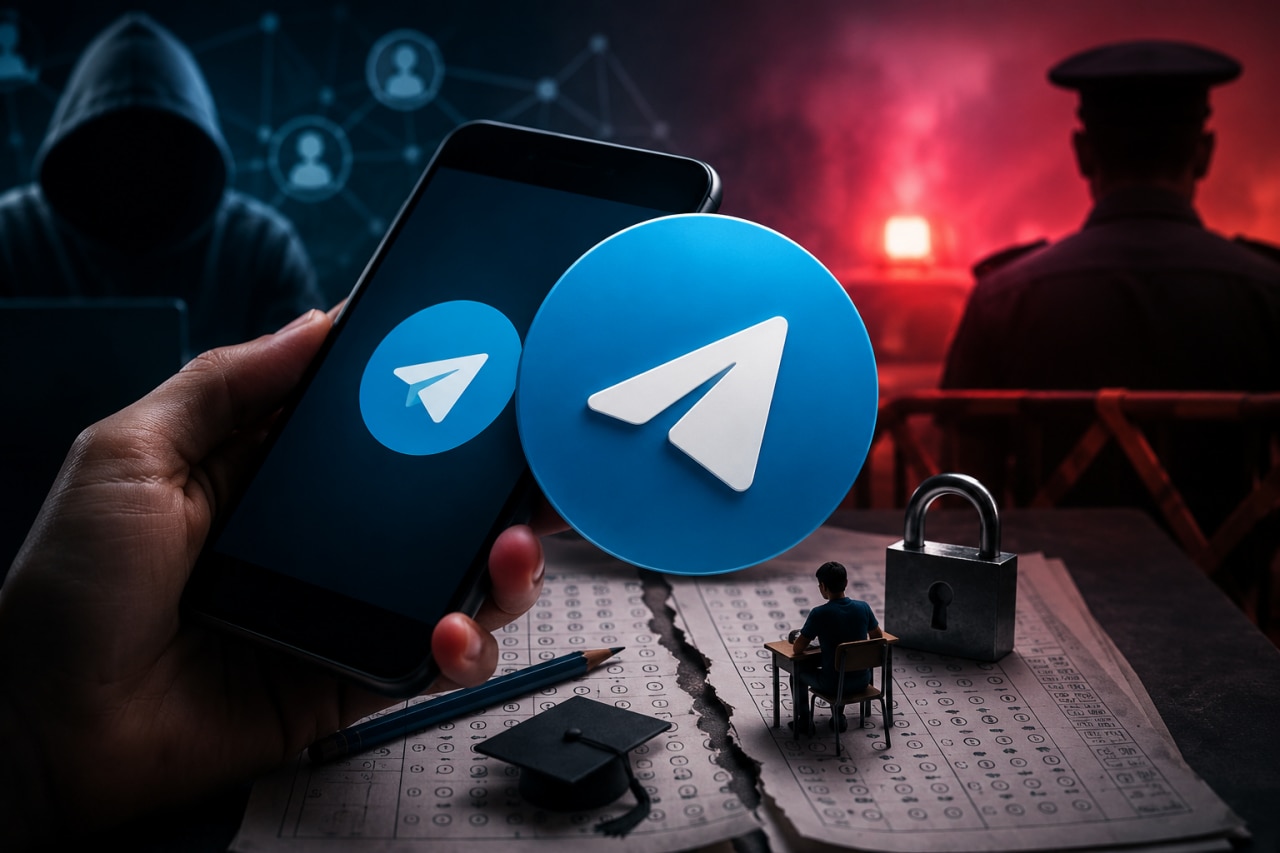
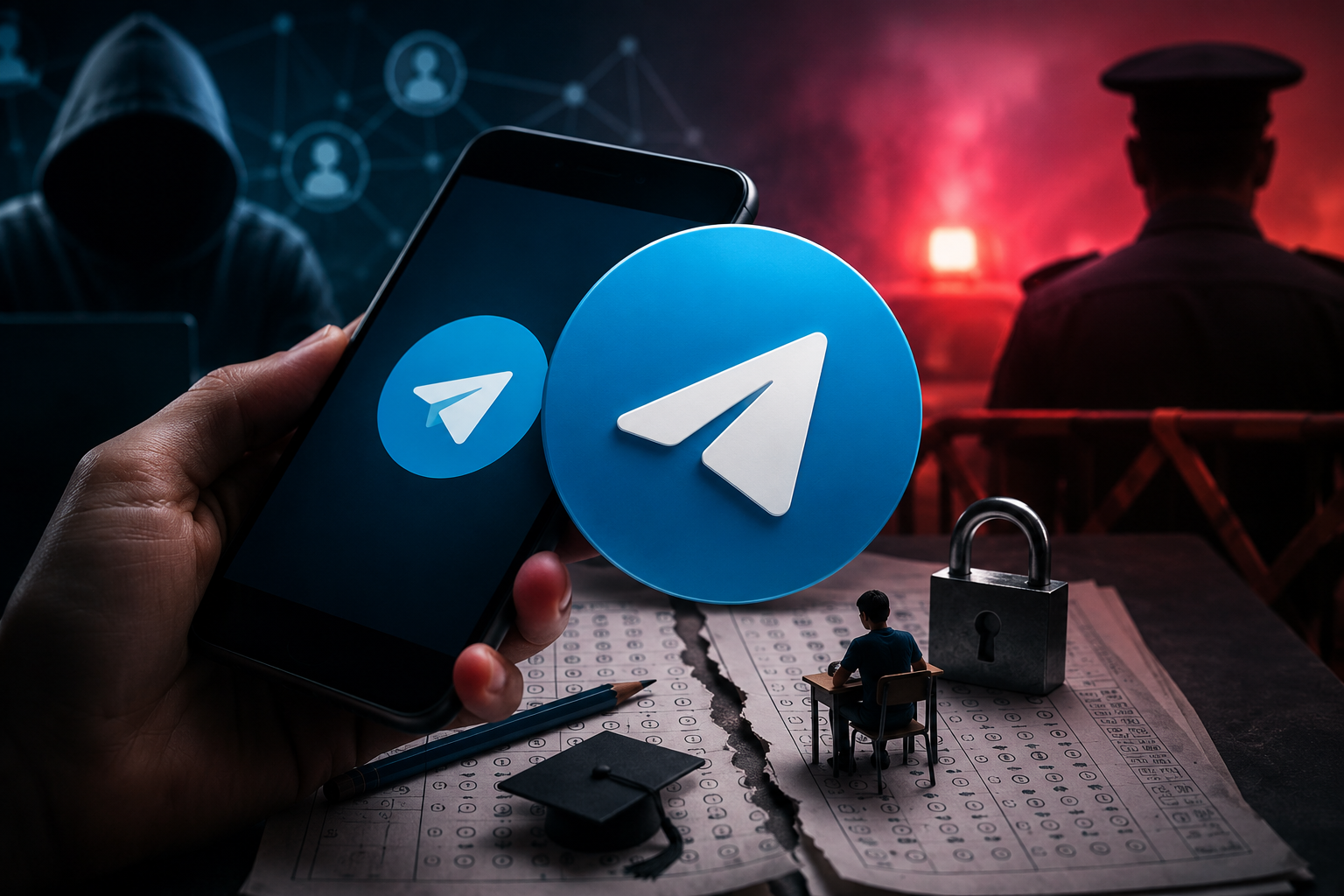
The digital landscape of India, particularly its ubiquitous messaging applications, has once again found itself at the heart of a national controversy. Following a major paper leak incident affecting the National Eligibility cum Entrance Test (NEET UG 2026), the government of India took the drastic step of temporarily banning the Telegram messaging app across the nation until June 21, the day the NEET re-exam was scheduled. This unprecedented move, intended to curb further leaks and ensure the integrity of the critical medical entrance examination, has ignited a fierce debate, drawing criticism from students, opposition leaders, and digital rights advocates alike.
)
While government officials have vigorously defended the ban as a "targeted" and "time-bound" measure, aimed solely at preventing the dissemination of illicit exam materials, the decision has been met with significant public backlash. Critics argue that such a broad stroke approach disproportionately affects millions of legitimate users, including students who rely on Telegram for educational content, study groups, and general communication, rather than effectively addressing the root causes of the paper leaks. A central point of contention has also emerged regarding other messaging platforms, such as WhatsApp, where alleged leaks have also occurred, yet no similar ban has been imposed. This disparity has led many to question the rationale behind singling out Telegram.

The controversy underscores a complex challenge for authorities: how to balance the need for examination security with the principles of digital freedom and the functional utility of widely used communication platforms. The focus on Telegram, specifically, highlights certain architectural and functional characteristics of the app that, while offering enhanced privacy and large-scale communication capabilities, can inadvertently be exploited for illicit activities like paper leaks and scams.
)
The Anatomy of a Crisis: NEET Leak and Telegram’s Central Role
The crisis began with the shocking revelation of widespread paper leaks concerning the NEET UG 2026 examination, a high-stakes test that determines admission to undergraduate medical courses across India. Millions of aspiring doctors had their futures thrown into uncertainty, leading to the eventual cancellation of the initial exam and the announcement of a re-test. This sequence of events not only caused immense stress and financial burden for students and their families but also severely eroded public trust in the National Testing Agency (NTA), the body responsible for conducting the examination.
)
Amidst the chaos, the NTA identified specific channels operating on Telegram as primary conduits for the illicit trade of exam papers. Channels bearing names such as "ReNEET 2026" and "Paper Leaked Need" were found actively promoting access to alleged exam questions, often demanding substantial sums – reportedly in lakhs of rupees – from desperate candidates. Authorities initiated several crackdowns, attempting to identify and shut down these rogue channels and their administrators. However, despite these efforts, the problem persisted, leading the NTA and the government to conclude that a temporary, blanket ban on the application itself was the only viable "last resort" to prevent further compromises ahead of the re-exam.
)
The decision to ban Telegram, while omitting other platforms like WhatsApp, stems from a fundamental difference in their design and operational philosophy, particularly concerning anonymity, encryption, and group communication features. Officials argued that leaking papers on WhatsApp, due to its inherent design, is significantly more challenging for large-scale, anonymous dissemination, hence its exemption from the ban.
)
Chronology of a Digital Ban
The sequence of events leading to the Telegram ban and its subsequent scrutiny highlights the escalating nature of the NEET paper leak crisis and the government’s response:
)
- Prior to NEET UG 2026: India has a history of examination paper leaks, prompting various measures from testing agencies, often involving enhanced digital security and vigilance. However, the scale and frequency of these incidents have remained a persistent challenge.
- June 2026 (Original Exam Date): The National Eligibility cum Entrance Test (NEET UG 2026) is conducted across the country, with millions of students participating. Soon after, credible reports and evidence of widespread paper leaks begin to surface, causing alarm among students and parents.
- Post-Leak Investigations: The National Testing Agency (NTA) and various law enforcement agencies launch investigations into the alleged leaks. These probes quickly identify several channels operating on Telegram as key facilitators in the illegal distribution of exam materials. Specific channels like "ReNEET 2026" and "Paper Leaked Need" come under scanner for advertising access to exam papers in exchange for money.
- Cancellation and Re-exam Announcement: Faced with overwhelming evidence and public outcry, the government and NTA make the difficult decision to cancel the initial NEET UG 2026 examination. A re-exam is announced, scheduled for June 21, to ensure fairness and maintain the integrity of the selection process.
- Attempts to Curb Illicit Activities: Authorities intensify efforts to track and dismantle the Telegram channels involved in the leaks. This includes reporting channels, attempting to identify administrators, and collaborating with cybercrime units. However, the transient nature of these channels and the anonymity features of Telegram prove to be significant hurdles.
- Government’s Decision to Ban Telegram: Recognizing the persistent threat of further leaks ahead of the re-exam, the government of India announces a temporary ban on the Telegram application. The ban is slated to remain in effect until June 21, the day of the NEET re-examination. This decision is presented as a "last resort" measure to safeguard the sanctity of the examination.
- Public Outcry and Legal Scrutiny: The ban immediately draws sharp criticism from various quarters. Students express frustration over losing access to legitimate educational resources and communication channels. Opposition leaders and digital rights activists question the legality and proportionality of a blanket ban, arguing it infringes on digital freedoms and punishes innocent users. Discussions regarding the ban’s legal validity and potential overreach gain momentum.
- Disabling of Edit Feature: In a related move, and in response to findings that administrators were allegedly using Telegram’s message editing feature to create fake proofs of paper leaks (e.g., replacing old messages with PDF files of question papers), the NTA requests, and Telegram subsequently implements, a temporary disabling of the message editing feature in India until June 30, 2026. This specific action aims to prevent the retroactive manipulation of evidence.
- Ongoing Debate: The debate continues regarding the effectiveness of the ban, its impact on digital rights, and the broader issue of securing high-stakes examinations in the digital age.
Supporting Data: Why Telegram is Prone to Leaks and Scams
The core of the government’s justification for banning Telegram lies in specific features of the platform that make it uniquely susceptible to being exploited for large-scale illicit activities like paper leaks. A closer examination reveals several key differences between Telegram and its counterparts like WhatsApp:
)
1. Encryption Model: Default vs. Optional End-to-End
Perhaps the most significant difference lies in the encryption architecture.
)
- WhatsApp employs end-to-end encryption (E2EE) by default for all personal chats and group conversations. This means that messages are encrypted on the sender’s device and decrypted only on the receiver’s device. Neither WhatsApp nor any third party, including law enforcement, can read the content of these messages. While this is a boon for privacy, it also means that mass dissemination of illicit content is harder to manage, as group sizes are limited, and tracing the origin of a widely shared message often leads back to a specific user.
- Telegram, by contrast, uses a different encryption model. While it offers optional end-to-end encryption for "Secret Chats," its default cloud chats (including regular personal chats, groups, and channels) are client-server encrypted. This means messages are encrypted when sent from the client to Telegram’s servers and then from the servers to the recipient’s client. Telegram itself holds the decryption keys for these server-stored messages. This architecture allows for features like cloud synchronization across multiple devices and unlimited group/channel sizes, but it also means that, theoretically, Telegram could access these messages if legally compelled, or if its servers were compromised. For illicit actors, the key takeaway is that the platform facilitates broad, rapid dissemination of content without the same E2EE constraints that limit WhatsApp’s reach for large groups.
2. Anonymity and Identity Obscurity
Telegram’s design places a strong emphasis on user privacy and anonymity, a feature often lauded by privacy advocates but frequently abused by malicious actors:
)
- Usernames instead of Phone Numbers: Unlike WhatsApp, which primarily relies on phone numbers for user identification and communication, Telegram allows users to create public usernames. This means individuals can interact, join groups, and subscribe to channels without ever revealing their actual phone number. This layer of anonymity makes it significantly harder for authorities to identify and trace individuals involved in illicit activities.
- Hidden Phone Numbers: When creating a profile, users have the option to hide their phone numbers from others, further bolstering their anonymity within the platform. This feature, while beneficial for privacy, becomes a shield for those engaging in criminal enterprises.
3. Channel Functionality and Scale
Telegram’s channel feature is a powerful tool for broadcasting messages to a massive audience, a capability that far surpasses WhatsApp’s group limitations:
)
- Unlimited Subscribers: Telegram channels can host an unlimited number of subscribers. This means a single channel can reach millions of users instantly, making it an ideal platform for mass dissemination of content, including leaked exam papers. WhatsApp groups, on the other hand, have a much smaller subscriber limit (typically 1024), making large-scale, anonymous broadcasting impractical.
- Public and Private Channels: Channels can be public, discoverable through search, or private, requiring an invitation link. This flexibility allows illicit groups to operate covertly while still maintaining the capacity for massive reach once an initial link is shared. The lack of stringent identity verification for channel creation further exacerbates the problem.
- Bots for Automation: Telegram’s robust bot API allows for the creation of sophisticated bots that can automate various tasks, including managing channels, posting content, and even handling payments. This automation can further streamline the process of distributing leaked papers and managing transactions, making the operations of cybercriminals more efficient and harder to disrupt manually.
4. Message Editing and Manipulation
One specific feature that caught the NTA’s attention was Telegram’s ability to edit older messages without leaving an easily detectable trace of the original content or the edit timestamp.
)
- Retroactive Alteration: This feature, while useful for correcting typos or updating information in legitimate contexts, was allegedly exploited by administrators of paper leak channels. According to the NTA, these individuals would post innocuous messages or placeholders initially. Later, after the actual exam paper was leaked, they would edit these older messages, replacing them with PDF files of the leaked papers, thereby creating a deceptive "proof" that they had access to the paper before the exam. This retroactive manipulation makes it difficult to ascertain the true timing of a leak and allows for fraudulent claims.
- Temporary Ban on Edit Feature: In response to this specific modus operandi, the message editing feature has been temporarily disabled in India until June 30, 2026, to prevent such manipulation during the re-examination period.
5. Evidence from Cybercrime Research
The concerns about Telegram’s vulnerability to illicit activities are not new. A research study presented at the USENIX Security Symposium in 2025, for instance, revealed alarming statistics: approximately 23.8 million users were found to be following around 339 cybercriminal activity channels on Telegram. These channels engaged in a wide range of illegal activities, from data brokering and malware distribution to fraud and phishing schemes. This research underscores a broader pattern of Telegram’s exploitation by organized cybercrime, making the NTA’s findings consistent with global trends.
)
Official Responses and Justifications
The government’s decision to ban Telegram has been met with staunch defense from officials, who frame it as a necessary evil to protect the sanctity of the examination system.
)
- Government’s Defense: Officials, including those from the Ministry of Electronics and Information Technology, have articulated that the ban is "targeted" at preventing specific illegal activities and is "time-bound," emphasizing its temporary nature. They argue that the extraordinary circumstances surrounding the NEET re-exam necessitated an extraordinary measure. The primary objective, they assert, is to ensure a fair and level playing field for all candidates by eliminating the channels identified as facilitating fraudulent access to exam materials. The government has portrayed the action as a "last resort" after other enforcement efforts proved insufficient.
- NTA’s Stance: The National Testing Agency (NTA) has corroborated the government’s stance, detailing its findings regarding the Telegram channels. The NTA highlighted how these channels were not merely sharing rumors but actively engaging in a commercial enterprise, charging significant sums for alleged access to exam papers. Their reports emphasized the unique challenges posed by Telegram’s features, particularly anonymity and the message editing function, in combating these illicit operations. The NTA’s recommendation for the ban was based on its assessment that these features made the platform an insurmountable challenge for targeted enforcement efforts alone.
- Legal Arguments and Precedent: While the government maintains the ban is legally valid under provisions related to national security and public order, legal experts and digital rights organizations have raised concerns about potential overreach. They argue that a blanket ban impacts legitimate users and sets a problematic precedent for future governmental control over digital communication platforms. The debate touches upon the delicate balance between state authority to maintain public order and individual rights to freedom of speech and access to information, guaranteed under the Indian Constitution. The Delhi High Court has been involved in some capacity, reflecting the legal challenges surrounding such executive decisions.
Implications: A Broader Digital and Societal Impact
The temporary ban on Telegram, while ostensibly aimed at a specific problem, carries far-reaching implications across various societal and digital spheres.
)
1. Impact on Students and Education
- Disruption of Legitimate Learning: Millions of students across India rely on Telegram for academic purposes. Many join educational channels for study materials, collaborate in private groups for discussions, and communicate with tutors and peers. The ban has abruptly cut off access to these vital resources, creating immense inconvenience and potentially hindering their preparation for other exams or ongoing studies.
- Digital Divide Exacerbated: Students in remote areas or those with limited access to alternative communication tools may be disproportionately affected. The ban could deepen the digital divide, making it harder for certain demographics to access educational content and support.
- Erosion of Trust: While some students might understand the intent behind the ban, many feel penalized for the actions of a few bad actors. This could further erode trust between students and governing bodies, fostering a sense of resentment and unfairness.
2. Digital Rights and Freedom of Speech
- Precedent for Blanket Bans: Critics argue that a blanket ban on an entire platform, rather than targeting specific illicit channels or individuals, sets a dangerous precedent. It raises concerns about government censorship and the potential for similar actions against other platforms in the future, infringing on the fundamental rights to freedom of speech and expression.
- Targeted Enforcement vs. Mass Surveillance: The debate highlights the tension between the need for effective law enforcement and the protection of digital privacy. Digital rights advocates contend that authorities should invest more in cybercrime investigation capabilities and collaborate with platforms for targeted content removal, rather than resorting to broad restrictions that affect innocent users.
- Chilling Effect: Such bans can create a "chilling effect," where users become hesitant to use certain platforms for fear of arbitrary restrictions, potentially stifling legitimate discourse and information exchange.
3. Platform Accountability and Regulation
- Increased Scrutiny on Messaging Apps: The incident will undoubtedly increase pressure on messaging platforms to proactively combat illicit activities on their services. Governments globally are increasingly demanding greater accountability from tech companies for content moderation and user safety.
- Balancing Privacy and Enforcement: The case brings into sharp focus the complex challenge platforms face in balancing user privacy (e.g., strong encryption, anonymity features) with the demands of law enforcement to prevent and prosecute criminal activities. This may lead to renewed calls for regulatory frameworks that define these responsibilities more clearly.
- The "Whack-a-Mole" Problem: A significant concern is whether the ban truly addresses the problem or merely shifts it. Illicit actors are agile and adaptable; a ban on one platform might simply push them to alternative, perhaps even harder-to-monitor, platforms or encrypted dark web channels, creating a "whack-a-mole" scenario.
4. Effectiveness and Root Causes
- Addressing Symptoms, Not Causes: Many argue that the Telegram ban is a superficial solution that addresses a symptom rather than the underlying causes of paper leaks. The fundamental issues often lie within the examination system itself—security vulnerabilities in paper setting, printing, distribution, and storage, as well as corruption among invigilators or officials.
- Limited Efficacy: While the ban might temporarily disrupt organized leak operations on Telegram, its long-term effectiveness in preventing future leaks remains questionable if the systemic issues are not simultaneously tackled.
- Resource Misallocation: Critics suggest that resources spent on implementing and defending a platform ban might be better allocated to strengthening physical and digital security measures within the examination process, enhancing intelligence gathering, and prosecuting the masterminds behind these leaks.
Conclusion: A Precedent in the Digital Age
The temporary ban on Telegram in India serves as a stark reminder of the evolving challenges presented by digital communication in the context of national security, public integrity, and individual rights. While the government’s intent to protect the sanctity of a crucial examination like NEET UG 2026 is understandable, the method employed has opened a Pandora’s box of questions regarding proportionality, digital freedoms, and the true efficacy of such measures.
)
As the re-examination concludes and the ban is eventually lifted, the aftermath will likely prompt further discussions on how India, and indeed other nations, navigate the complex interplay between technological advancements, user privacy, and the imperative to maintain law and order in the digital realm. The incident underscores the need for a multi-pronged approach that combines robust cybercrime investigation, proactive collaboration with tech platforms, and fundamental reforms within examination systems, rather than solely relying on broad, restrictive measures that carry significant collateral damage for the digital lives of millions. The long-term implications of this "last resort" ban will undoubtedly shape future policy decisions regarding digital governance in India.
