

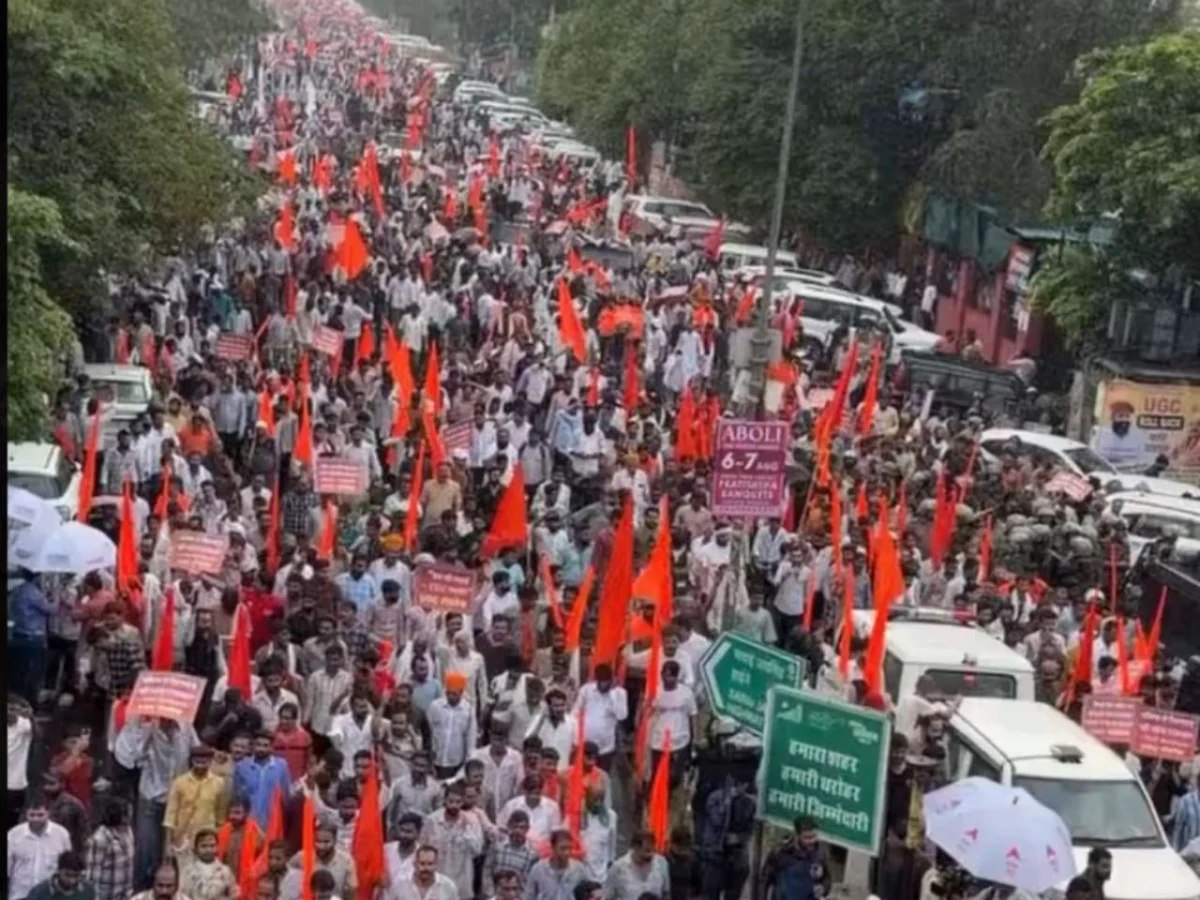
New Delhi: Weeks after the nation grappled with the fallout of the alleged NEET-UG paper leak, a new and deeply divisive debate is rapidly capturing the national consciousness. This time, the focus has shifted from academic integrity to the bedrock of India’s affirmative action policies: caste-based reservations. Across the digital landscape and on the streets of several states, anti-reservation voices are growing louder, coalescing into a movement that is forcing a re-examination of a policy that has shaped Indian society for decades.
While not unified under a single banner or charismatic leader, these disparate groups are articulating a shared set of grievances and demands. Their core contention is that the existing system of caste-based quotas, intended to uplift historically disadvantaged communities, has outlived its purpose or has become a source of inequality in itself. They are calling for a fundamental review, and in many cases, a significant overhaul or even complete dismantling of the current reservation framework.
The Spark: Viral Voices and Growing Discontent
The recent surge in anti-reservation sentiment can be attributed to a confluence of factors, with social media playing a pivotal role in amplifying these voices. One of the most visible figures to emerge from this burgeoning movement is Harsh Dubey. Dubey gained national notoriety after a passionate online debate concerning the NEET paper leak, where he argued that the pressure to secure limited seats, exacerbated by reservation policies, was contributing to student anxiety and mental distress. His articulate and forceful articulation resonated with a segment of the population, propelling him into the spotlight. Since his viral moment, Dubey has cultivated a substantial online following and has been actively seeking permission to organize a protest at Delhi’s Jantar Mantar, signaling a shift from digital activism to on-ground mobilization.
However, Dubey represents just one facet of a much broader and more complex anti-reservation movement that is rapidly taking shape. The "Reservation Hatao Andolan" (RHA), an Instagram-driven initiative, has become a central hub for online activism. Founded by a student named Vedant, the RHA’s social media pages have amassed millions of followers, serving as a platform for disseminating arguments against the current reservation policy and advocating for significant reforms. The movement has garnered support from a diverse range of public figures, including academic Anand Ranganathan, journalist Ajeet Bharti, and writer-director Anuradha Tiwari, lending it intellectual heft and wider reach.
)
The RHA’s strategy appears to be a deliberate departure from conventional protest movements. Instead of immediately resorting to street demonstrations, the group has focused on cultivating a robust online discourse, aiming to build public awareness and foster a broad debate around the complexities of reservation before potentially escalating to large-scale public gatherings.
The Demands: Reforming, Not Necessarily Abolishing
While the rhetoric of some anti-reservation proponents might lean towards complete abolition, the RHA, and by extension a significant portion of the movement, is articulating a set of specific reform proposals. Their core argument is that poverty, not caste, should be the primary determinant for affirmative action, encapsulated in the slogan, "poverty has no caste."

The RHA’s proposed reforms include:
- Economic Basis for Reservation: Shifting the focus from caste to economic status as the primary criterion for receiving reservation benefits.
- Family Cap on Benefits: Limiting reservation benefits to one member per family to prevent the perpetual concentration of advantages within certain lineages.
- Merit-Based Minimums: Introducing minimum qualifying marks for all categories, including reserved ones, to ensure a baseline level of academic competence.
- Transfer of Unfilled Seats: Redirecting any unfilled reserved seats to the general category to maximize utilization of available opportunities.
- Regular Review of Lists: Implementing periodic reviews of reservation lists to ensure their continued relevance and accuracy.
- Gradual Phase-Out: Advocating for a phased reduction and eventual phasing out of reservations as educational and social inequalities diminish over time.
Furthermore, the movement has expressed strong opposition to the University Grants Commission’s (UGC) proposed 2026 Equity Regulations. Critics argue that these regulations, rather than addressing fundamental concerns about merit and fairness, appear to expand the scope of reservation without adequately tackling the perceived issues of equity and competition.
)
From Pixels to Pavement: Protests Escalate
The anti-reservation campaign is no longer confined to the digital realm; it is increasingly manifesting in physical protests across the country. The RHA recently organized its inaugural public rally in Nagpur, signaling its intent to transition from online advocacy to tangible grassroots mobilization.
In parallel, various other groups are voicing their dissent through street demonstrations. In Lucknow, members of the Savarna Morcha and Swarn Samaj have staged protests demanding the rollback of the UGC’s caste equity regulations and an end to caste-based reservations.
)
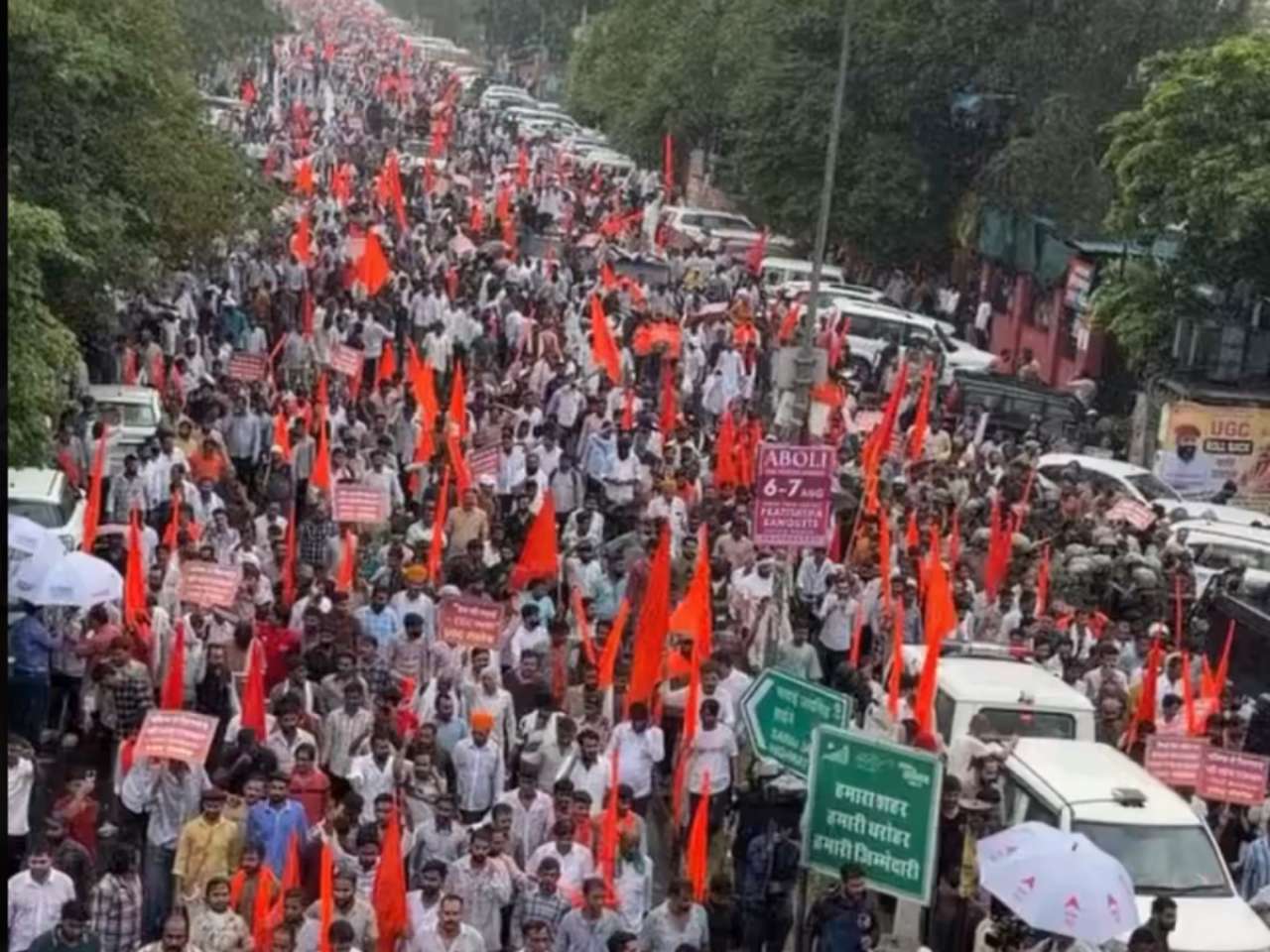
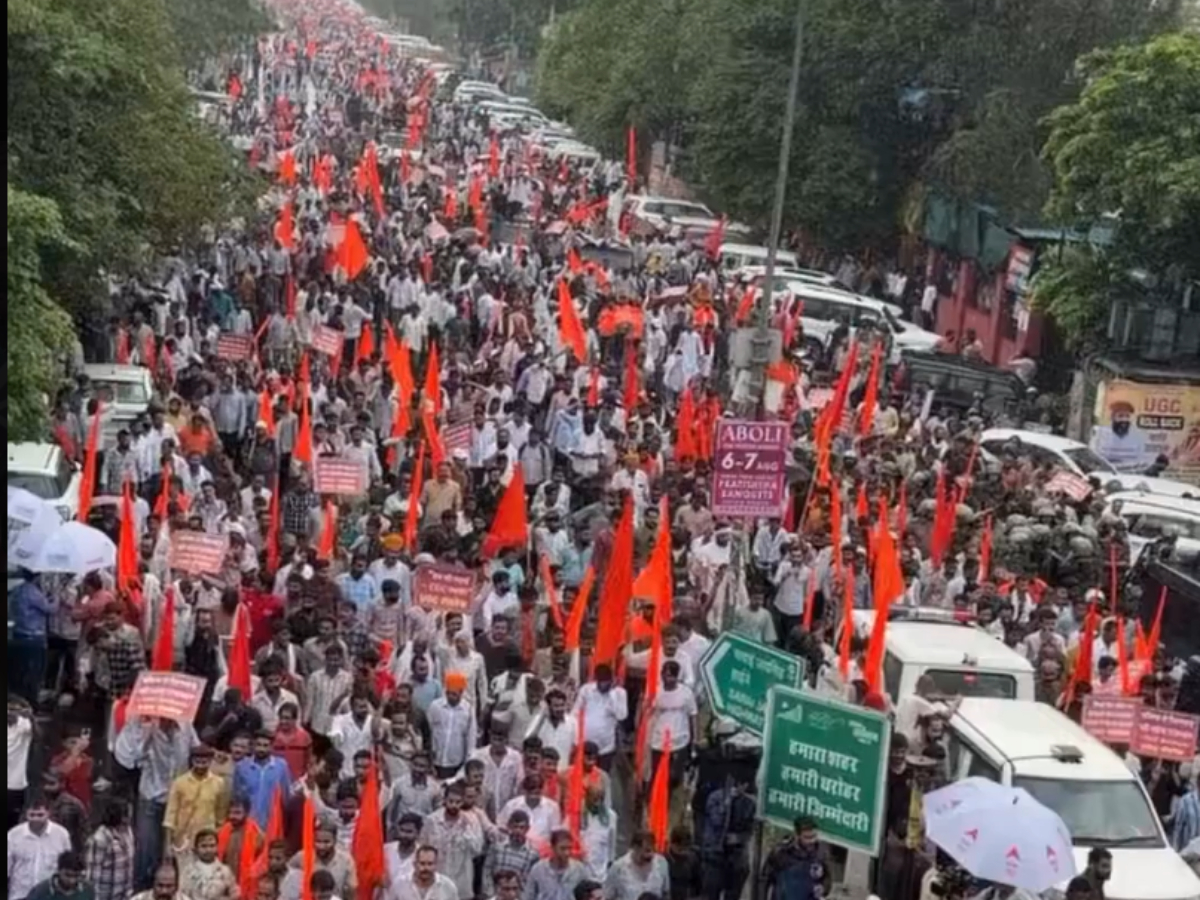
Perhaps the most dramatic expression of this discontent came from the Shri Rajput Karni Sena. Thousands of its members undertook a gruelling 24-day, nearly 800-kilometre march to Jaipur, demanding the withdrawal of the UGC regulations. The protest culminated in a confrontation with the police as demonstrators attempted to breach barricades, leading to clashes and highlighting the intensity of the sentiment. Beyond the immediate demand for the rollback of UGC rules, the Karni Sena has also called for a comprehensive review of all reservation-related laws and a re-evaluation of the Economically Weaker Section (EWS) reservation framework.
The Political Tightrope: Government’s Cautious Stance
Despite the escalating public debate and growing street activism, India’s political establishment has largely maintained a conspicuous silence, opting to tread carefully around this highly sensitive issue. The timing of this resurgence in anti-reservation sentiment is particularly politically charged, with several crucial Assembly elections on the horizon. Reservation has historically been, and continues to be, a significant electoral factor, especially in states like Uttar Pradesh where caste dynamics deeply influence political allegiances.
)
Political parties, acutely aware of the potential ramifications of taking a definitive stance, appear to be in a wait-and-watch mode. The risk of alienating significant voting blocs, whether supporters of reservation or those who advocate for its reform, is a considerable deterrent. Consequently, leaders across the political spectrum have so far refrained from engaging directly in the debate, opting for a strategy of political neutrality.
A History of Reform, Not Revolution
It is important to note that the idea of reforming reservation policies is not entirely novel in India. The nation has, in the past, undertaken efforts to refine and restructure its affirmative action framework.
)
The Justice G. Rohini Commission, established in 2017, was tasked with examining the sub-categorization of Other Backward Classes (OBC) within the central quota. Its recommendations aimed to ensure a more equitable distribution of benefits among diverse backward communities, acknowledging that the current structure might disproportionately favor certain dominant OBC groups.
Similarly, the BP Sharma Expert Committee had previously suggested measures to simplify the criteria for identifying the OBC "creamy layer," a socio-economic exclusion criterion designed to prevent affluent members of OBC communities from availing reservation benefits.
)
However, it is crucial to distinguish these past reform efforts from the current demands. Neither the Rohini Commission nor the BP Sharma Committee recommended replacing caste with income as the primary basis for reservation, nor did they propose the outright dismantling of the existing system. Their focus was on internal adjustments and improvements within the existing paradigm.
Defense of the Status Quo: Constitutional Rights and Social Justice
The anti-reservation movement has, predictably, encountered strong opposition from proponents of the current system, who view reservation as a vital tool for ensuring social justice and addressing historical inequities.
)
Union Minister of State for Social Justice, Ramdas Athawale, has been a vocal critic of the anti-reservation campaigns. He has unequivocally stated that reservation is a constitutional right and cannot be abrogated. Athawale has also issued a stern warning, asserting that any attempts to dismantle reservation would face staunch resistance from communities that have historically struggled and fought for these rights over decades. His stance underscores the deep-seated nature of support for reservation and the potential for significant social friction if these policies are perceived to be under direct threat.
The Road Ahead: Fragmentation and the Quest for Unity
The anti-reservation movement, while gaining significant visibility, currently exhibits a notable degree of fragmentation. Harsh Dubey is focused on mobilizing support through public demonstrations, the RHA is primarily engaged in building an online consensus and discourse, and the Shri Rajput Karni Sena is pursuing its own independent agitation.
)
The future trajectory of this movement hinges on its ability to overcome these divisions. For it to evolve into a truly cohesive and impactful nationwide force, it will need to:
- Develop Common Leadership: A unified leadership structure capable of articulating a singular vision and strategy is essential.
- Forge a Shared Agenda: Agreement on a clear and consistent set of demands and goals will be crucial for presenting a united front.
- Sustain Public Support: The ability to maintain and broaden public engagement beyond a core group of activists will determine its long-term viability.
For now, the debate surrounding reservation has undeniably re-entered the national spotlight with renewed vigor. Both proponents and critics are gearing up for what promises to be one of India’s most politically sensitive and socially consequential discussions, the outcome of which could profoundly shape the nation’s socio-economic fabric for years to come. The challenge lies in navigating this complex terrain with a commitment to fairness, equity, and the constitutional ideals that underpin India’s diverse society.
