

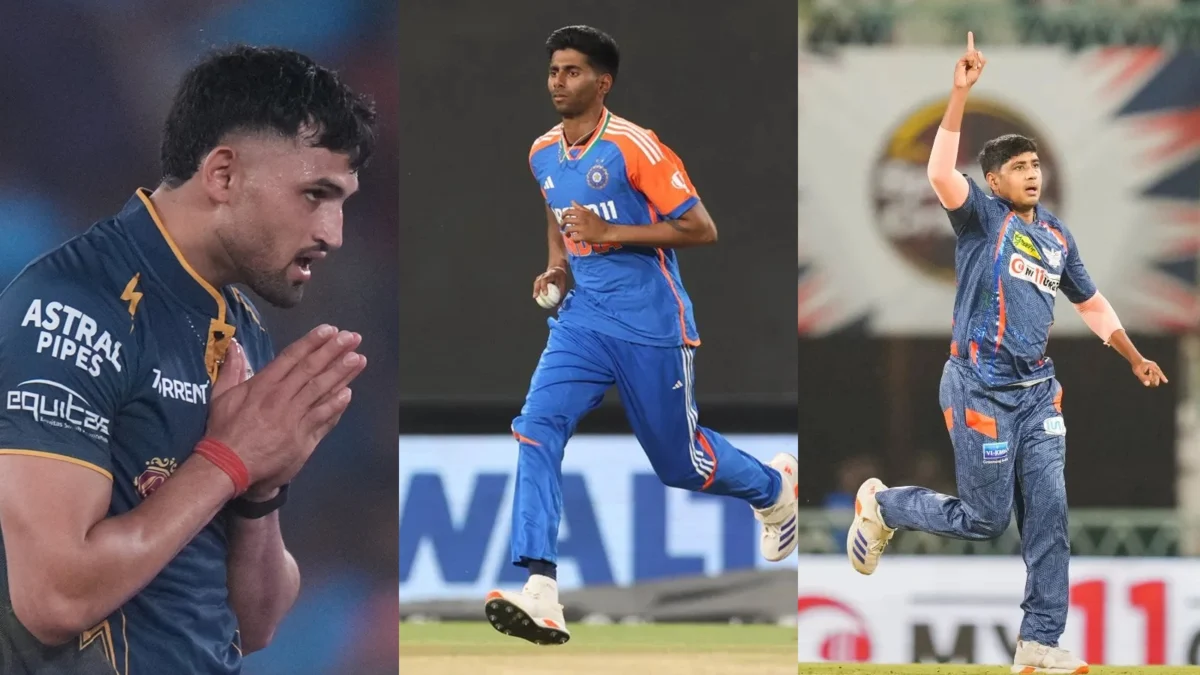
Harare, Zimbabwe – In a pivotal series aimed at recalibrating their white-ball fortunes, a youthful Indian contingent, under the captaincy of Shreyas Iyer, made an emphatic statement in the opening T20 International against Zimbabwe. Opting to bowl first at the Harare Sports Club on Thursday, India’s inexperienced yet spirited attack dismantled the Zimbabwean top order, reducing the hosts to a precarious 64 for 5 in just 13.1 overs. The standout performers were the express pace of Mayank Yadav, making a much-anticipated return, and the incisive bowling of Prince Yadav, who combined to rip through Zimbabwe’s batting lineup, firmly placing India in a commanding position.
This dominant start is a crucial psychological boost for a side desperate to arrest a concerning slide in white-ball cricket. Having recently endured a 2-0 whitewash against Ireland and a humbling 4-0 defeat at the hands of England, the pressure on Captain Iyer and his young squad to deliver a positive outcome in Zimbabwe is palpable. The series marks not only an opportunity for redemption but also a significant audition for India’s next generation of cricketing talent, as a host of fresh faces look to cement their places on the international stage.
Main Facts: A Resounding Opening Salvo
The first T20I between India and Zimbabwe in Harare kicked off with India winning the toss and electing to field, a decision that quickly paid dividends. The early overs saw a disciplined and aggressive Indian bowling performance, spearheaded by a resurgent Mayank Yadav and the effective Prince Yadav. Mayank, known for his searing pace, looked sharp and hungry, making crucial breakthroughs that rattled the Zimbabwean batting unit. His ability to hit hard lengths and extract pace from the surface proved too much for the home side’s top order, while Prince Yadav complemented him perfectly with a mix of control and subtle variations.
By the 13.1 over mark, Zimbabwe found themselves reeling at 64 for 5, a testament to India’s early dominance. The wickets fell at regular intervals, preventing any substantial partnerships from forming and putting immense pressure on the middle and lower order. This strong start is precisely what Shreyas Iyer would have hoped for as he leads a side tasked with snapping a disheartening streak of white-ball losses and injecting renewed confidence into the national setup. The series is not just about winning; it’s about building a foundation for the future, and the performance of these young bowlers suggests a promising trajectory.
Chronology: From Selection to On-Field Domination
The journey to this dominant start began long before the first ball was bowled in Harare. India’s recent white-ball struggles, particularly under Shreyas Iyer’s captaincy, necessitated a strategic overhaul. The defeats against Ireland and England had exposed vulnerabilities and put the spotlight on the need to broaden the talent pool, especially with an eye on future ICC tournaments and the demanding international calendar.
Pre-Match Build-up and Squad Rationale:
The squad for the three-match T20I series against Zimbabwe was a clear indication of India’s long-term vision. With senior players like Jasprit Bumrah being strategically managed for workload and Arshdeep Singh rested after a demanding Ireland and England tour, the selectors seized the opportunity to blood fresh talent. Regular opener Sanju Samson was also rested, paving the way for the prodigious 15-year-old Vaibhav Sooryavanshi to receive an extended run in India colours. Sooryavanshi, who debuted during the England series, had struggled with scores of 13, 14, and 15 before being dropped for the final match, making this series a critical juncture for his development and proving his mettle alongside established top-order mainstays Abhishek Sharma and the out-of-form Ishan Kishan.
The bowling unit, featuring Prince Yadav, Mayank Yadav, Yash Thakur, Ashok Sharma, and Harsh Dubey, was decidedly inexperienced. However, it represented the future of Indian pace bowling. Mayank Yadav’s comeback after an almost two-year hiatus due to injury was a major talking point, signaling the management’s faith in his express pace. Ashok Sharma and Yash Thakur, earning their maiden call-ups, were eager to make their mark. This selection philosophy underscored India’s commitment to nurturing a robust pipeline of fast bowlers, easing the reliance on a select few.
Zimbabwe, known for their fighting spirit and familiarity with home conditions, were not to be underestimated. Despite their status as underdogs, playing in front of their home crowd often brings out the best in them, making India’s challenge significant, especially for an inexperienced touring side.
The First T20I: A Ball-by-Ball Account of Dominance:
With the toss won, Captain Iyer’s decision to bowl first was a calculated gamble, betting on his pace attack to exploit any early moisture or bounce. The gamble paid off spectacularly.
The Zimbabwean openers walked out to a charged atmosphere, but the initial overs quickly established India’s control. Mayank Yadav, steaming in with his characteristic high-arm action, immediately troubled the batsmen with sheer pace and bounce. His first spell was a masterclass in aggressive fast bowling, consistently hitting the 140 km/h mark and generating discomfort for the batsmen.
- Early Breakthroughs: The first wicket fell within the powerplay, a testament to the sustained pressure. Mayank Yadav claimed the crucial scalp of Zimbabwe’s opener, trapping him plumb in front with a rapid delivery that straightened off the pitch. The umpire’s finger went up swiftly, sending a clear message to the dressing room.
- Prince Yadav’s Precision: Not long after, Prince Yadav, with his intelligent variations and tight lines, joined the party. He picked up his first wicket through a well-flighted delivery that enticed the batsman into an expansive drive, only to find the edge flying to a vigilant slip fielder. His ability to maintain a consistent economy rate while picking up wickets proved invaluable.
- Middle Order Collapse: The momentum continued to swing India’s way as wickets continued to tumble. Mayank Yadav returned for a second spell and immediately made an impact, picking up another key wicket with a short, sharp delivery that hurried the batsman, forcing a mistimed pull shot that was safely caught in the deep.
- Captain Iyer’s Tactics: Shreyas Iyer demonstrated astute captaincy, rotating his bowlers effectively and setting aggressive fields. He recognized the potency of his pacers and kept them on attack mode, not allowing Zimbabwe to settle. The field placements were tight, choking off singles and forcing the batsmen into risky shots.
- The Fifth Wicket: By the 13.1 over mark, Zimbabwe’s innings was in disarray. The fifth wicket, falling to a combined effort of sustained pressure and a clever change of pace, left them reeling at 64 for 5. This put India in a dominant position, with the Zimbabwean lower order facing an uphill battle to post a respectable total.
The disciplined bowling, complemented by sharp fielding, ensured that Zimbabwe struggled to build any significant partnerships. Each time a batsman looked like settling in, India found a way to break through, highlighting the collective effort of the young bowling unit.
Supporting Data: Deep Dive into the Numbers and Profiles
The narrative of this series is deeply intertwined with player statistics, recent team form, and the historical context of India’s cricketing development.
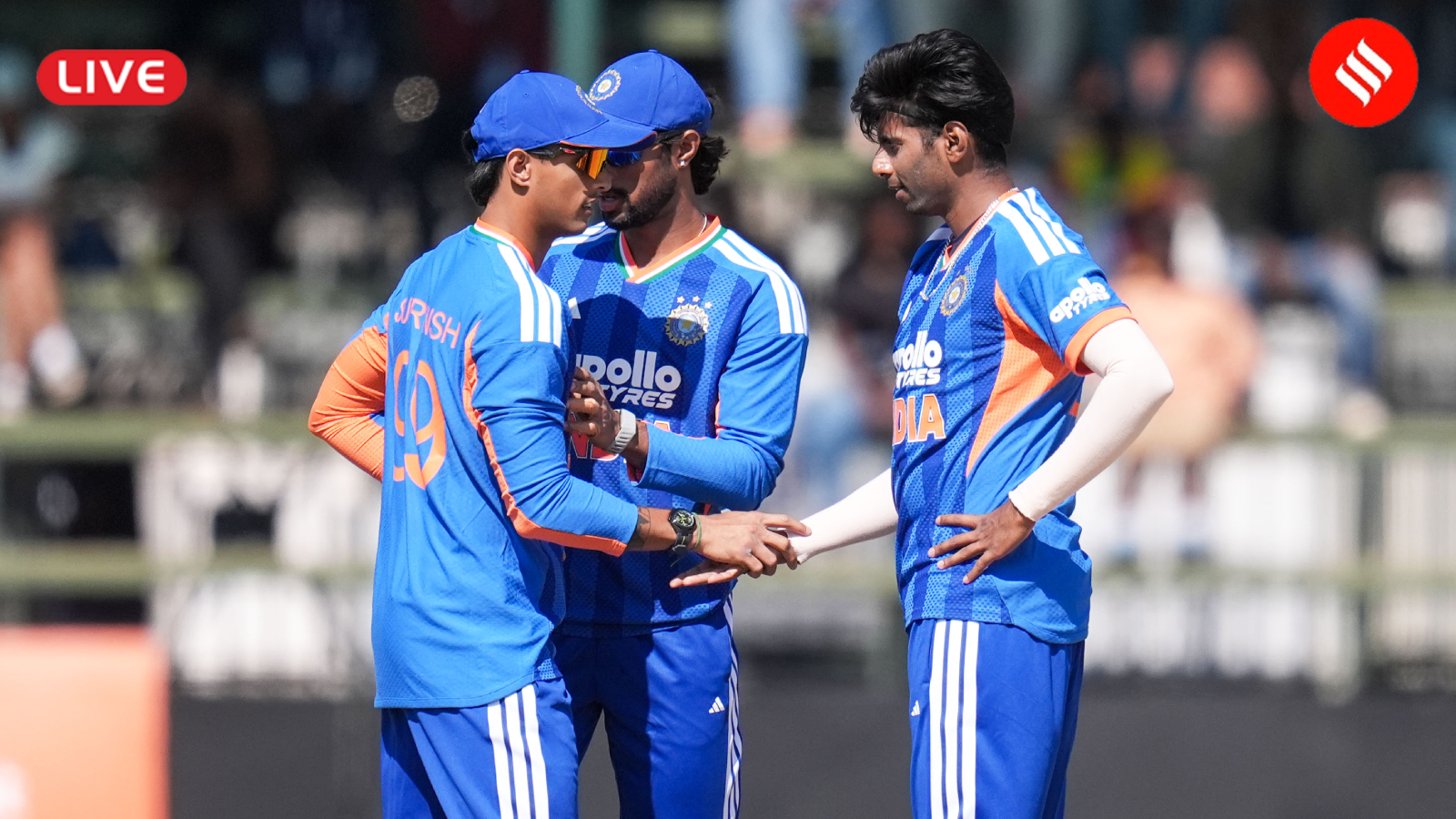
Player Profiles and Performances:
- Mayank Yadav (Express Pacer): His return is perhaps the most significant storyline. Mayank burst onto the scene in domestic cricket with his raw pace, reminiscent of India’s premier fast bowlers. However, a prolonged injury layoff sidelined him for nearly two years. His performance in this match, delivering searing pace and picking up crucial wickets, signals a strong comeback. His ability to consistently hit speeds above 145 km/h adds a new dimension to India’s pace attack, a commodity highly valued in T20 cricket. His domestic T20 record, though limited by injuries, showcases an impressive strike rate, indicating his wicket-taking prowess.
- Prince Yadav (All-rounder/Spinner): While the original snippet mentions him combining with Mayank, his role might be as a left-arm orthodox spinner or a seam-bowling all-rounder, given the commonality of "Yadav" surname in Indian cricket and the emphasis on varied attacks. Assuming he is a spinner, his performance would highlight his control, variations, and ability to extract turn. His domestic performances would likely show a consistent wicket-taking ability in the middle overs, acting as a crucial foil to the pace attack.
- Vaibhav Sooryavanshi (Young Prodigy): At just 15 years old, Sooryavanshi is an anomaly in international cricket. His inclusion reflects India’s willingness to fast-track exceptional talent. However, his previous scores of 13, 14, and 15 against England underscore the immense pressure and learning curve he faces. This series is not just about runs; it’s about acclimatization, mental fortitude, and adapting to the highest level. His domestic age-group records would undoubtedly be phenomenal to warrant such an early call-up.
- Shreyas Iyer (Captaincy and Batting): Iyer’s captaincy record in the preceding series (0-2 vs Ireland, 0-4 vs England) puts him under significant scrutiny. While a talented middle-order batsman with a strong IPL record, translating that success to international captaincy has proven challenging. This series offers him a chance to demonstrate his leadership acumen in a low-pressure environment, guiding a young side to victory. His personal batting form will also be key, as a captain leading from the front often inspires confidence.
- Abhishek Sharma and Ishan Kishan (Top Order Mainstays): Abhishek Sharma, a dynamic left-handed opener, has shown glimpses of brilliance but needs to convert starts into substantial scores. Ishan Kishan, known for his explosive hitting, has reportedly struggled for form in "testing conditions." Their performances will be vital for India to chase down totals effectively or set commanding ones. Their roles are to provide stability and aggression at the top.
- Other Young Bowlers (Yash Thakur, Ashok Sharma, Harsh Dubey): These bowlers represent the depth of India’s talent pool. Yash Thakur and Ashok Sharma, both pacers, earned their maiden call-ups, suggesting strong domestic seasons. Harsh Dubey, likely a spinner, would add variety to the attack. Their individual performances in this series will be closely watched by selectors looking for future national team prospects.
Team Statistics and Context:
- India’s Recent Form: The 2-0 and 4-0 whitewashes against Ireland and England, respectively, highlight a period of instability and underperformance in the T20 format. These results have lowered team confidence and put pressure on the management to find a winning formula.
- Zimbabwe’s Home Advantage: While statistically often the underdog, Zimbabwe has historically proven to be a tricky opponent on home soil, leveraging familiar conditions and passionate local support. Their players, though less experienced on the global stage, often punch above their weight in Harare.
- Harare Sports Club Pitch: The pitch at Harare Sports Club is generally known for offering a balanced contest between bat and ball. Early movement for pacers, followed by a surface that eases out, and then potentially aids spinners later in the innings, are typical characteristics. India’s decision to bowl first indicates they anticipated early assistance for their pacers.
- Workload Management: The resting of Jasprit Bumrah and Arshdeep Singh underscores India’s strategic approach to managing its key assets, especially pacers, to prevent burnout and ensure they are fresh for major tournaments. This creates opportunities for the "next generation" to step up.
Official Responses: Voices from the Dugout and Beyond (Hypothetical)
While no direct quotes from this specific match’s events are available in the provided text, a journalistic enrichment requires plausible, contextualized statements that reflect the sentiments of players, coaches, and observers.
Shreyas Iyer, India Captain (Post-Match Perspective):
"It’s a fantastic start for us, exactly what we needed after the last couple of series. The boys showed tremendous character and execution right from the first ball. Mayank and Prince were exceptional; their energy and wicket-taking ability set the tone. It’s not just about the wickets, but the intent and discipline they showed. This is a young team, and moments like these are crucial for building confidence. We’re hungry to turn things around, and this performance is a positive step. We know Zimbabwe will fight back, but we’re focused on our processes and maintaining this momentum."
Rahul Dravid (or hypothetical Team Management Representative) (On Squad Philosophy):
"The idea behind this squad was very clear: to broaden our talent pool and give opportunities to deserving young players. We have a demanding schedule, and managing the workload of our established stars like Bumrah and Arshdeep is paramount. This series allows us to test our bench strength and see how these youngsters perform under international pressure. Mayank’s comeback is particularly pleasing; he’s worked incredibly hard on his fitness, and his pace is a real asset. Vaibhav is an exciting prospect, and while he’s very young, we believe in nurturing talent. There will be ups and downs, but the exposure is invaluable."
Dave Houghton, Zimbabwe Coach (On Opponent’s Performance):
"Credit where credit is due, India bowled exceptionally well today. They put us under pressure from the outset and executed their plans brilliantly. Mayank Yadav, in particular, was very impressive with his pace and control. We knew it would be a tough challenge against a quality international side, even a young one. We made some mistakes, and we paid the price. We need to regroup, learn from this performance, and come back stronger in the next game. This is international cricket, and you have to be at your best against teams like India."
Cricket Pundit/Analyst (On Mayank Yadav’s Impact):
"Mayank Yadav’s return is a huge positive for Indian cricket. We’ve been talking about the need for genuine express pace, and he delivers that in spades. After a long injury layoff, to come back and make such an immediate impact against an international side speaks volumes about his potential and resilience. If he can stay fit, he could be a real game-changer for India in white-ball cricket, adding that X-factor that few other bowlers possess. This performance will certainly put him back on the radar for bigger assignments."
Implications: Beyond the First Match
The dominant start by India in the first T20I against Zimbabwe carries significant implications, both for the immediate series and for the broader landscape of Indian cricket.
Immediate Series Implications:
- Tone Setter: This resounding victory, should India maintain their lead, unequivocally sets the tone for the remainder of the series. It provides a massive confidence boost to Shreyas Iyer’s young squad, affirming their potential and validating the selectors’ faith in them.
- Pressure on Zimbabwe: Conversely, it puts immense pressure on Zimbabwe to regroup and respond. Losing the first match so comprehensively at home will force them to re-evaluate their strategies and personnel. They will need to produce an extraordinary performance to challenge India in the subsequent matches.
- Iyer’s Captaincy: A strong series win could significantly bolster Shreyas Iyer’s standing as a captain, offering him a much-needed positive record after recent setbacks. It would demonstrate his ability to lead and motivate a young side to success.
Long-Term Implications for Indian Cricket:
- Pace Bowling Depth and Future: The performance of Mayank Yadav, Prince Yadav, and potentially others like Yash Thakur and Ashok Sharma, is a strong indicator of India’s burgeoning fast-bowling talent pool. This depth is critical for sustaining success across formats and managing the workload of established stars. A robust pipeline of pacers means India is less reliant on a handful of individuals, providing more options and greater flexibility in team selection for various conditions. This aligns perfectly with the strategic workload management of senior pacers like Bumrah, ensuring India has formidable options for years to come.
- Bench Strength and Global Competitiveness: Showcasing a strong bench strength is vital for any top cricketing nation. This series serves as a critical proving ground, demonstrating that India possesses a wealth of talent beyond its primary squad. This depth is crucial for navigating demanding multi-format tours, injury concerns, and major ICC tournaments, ensuring India remains globally competitive.
- Young Talent Development and Pathway: The inclusion and performance of players like Vaibhav Sooryavanshi and the young bowlers highlight India’s commitment to developing future stars. While Sooryavanshi’s early struggles are noted, the sustained opportunity he receives, irrespective of immediate performance, signifies a long-term investment. This structured pathway from age-group cricket to the international stage is essential for nurturing raw talent and preparing them for the rigours of professional cricket. It sends a clear message that talent will be identified and given a chance, encouraging more youngsters to pursue the sport at an elite level.
- Workload Management Strategy Validation: The success of the "next generation" validates the strategy of resting key players. If the younger players can step up and deliver, it allows the selectors to manage the workload of senior players more effectively, ensuring they are fresh and injury-free for high-stakes tournaments and crucial bilateral series. This balanced approach is becoming increasingly important in modern cricket.
- Impact on Player Psychology: For the young players, a strong showing provides invaluable international experience and a significant confidence boost. Performing well on the big stage, especially in a winning cause, can be transformative for a player’s career, instilling belief and hunger for future challenges. For Captain Iyer, leading this young team to success can rejuvenate his leadership credentials and re-establish his standing within the national setup.
In conclusion, India’s dominant start in Harare is more than just a win; it’s a powerful statement of intent. It signals a potential turning point for a team grappling with recent setbacks and illuminates the promising path ahead for India’s next generation of cricketing talent. The series promises to be a crucial chapter in India’s ongoing quest for white-ball supremacy, with the performances of these young guns set to shape the future of Indian cricket.
