

The Indian automotive landscape is witnessing a significant paradigm shift, transitioning from a volume-driven market to one that increasingly prioritizes premium experiences, advanced technology, and sustainable mobility. At the forefront of this transformation is Kia India, which recently sent ripples through the industry by showcasing the upcoming Kia Carnival Hybrid. Revealed alongside the launch of the new Sorento, the Carnival Hybrid represents a strategic pivot for the South Korean automaker, signaling its intent to dominate the luxury multi-purpose vehicle (MPV) segment with a powertrain that balances performance with environmental consciousness.
While the diesel-powered fourth-generation Carnival has already established its presence in India, the introduction of the hybrid variant marks a new chapter. It is not merely an addition to the brochure; it is a statement of intent. As Kia gears up for a formal launch in the coming weeks, the industry is closely watching how this high-tech "Grand Utility Vehicle" will redefine the expectations of India’s elite car buyers.
1. Main Facts: The Technical Edge of the Carnival Hybrid
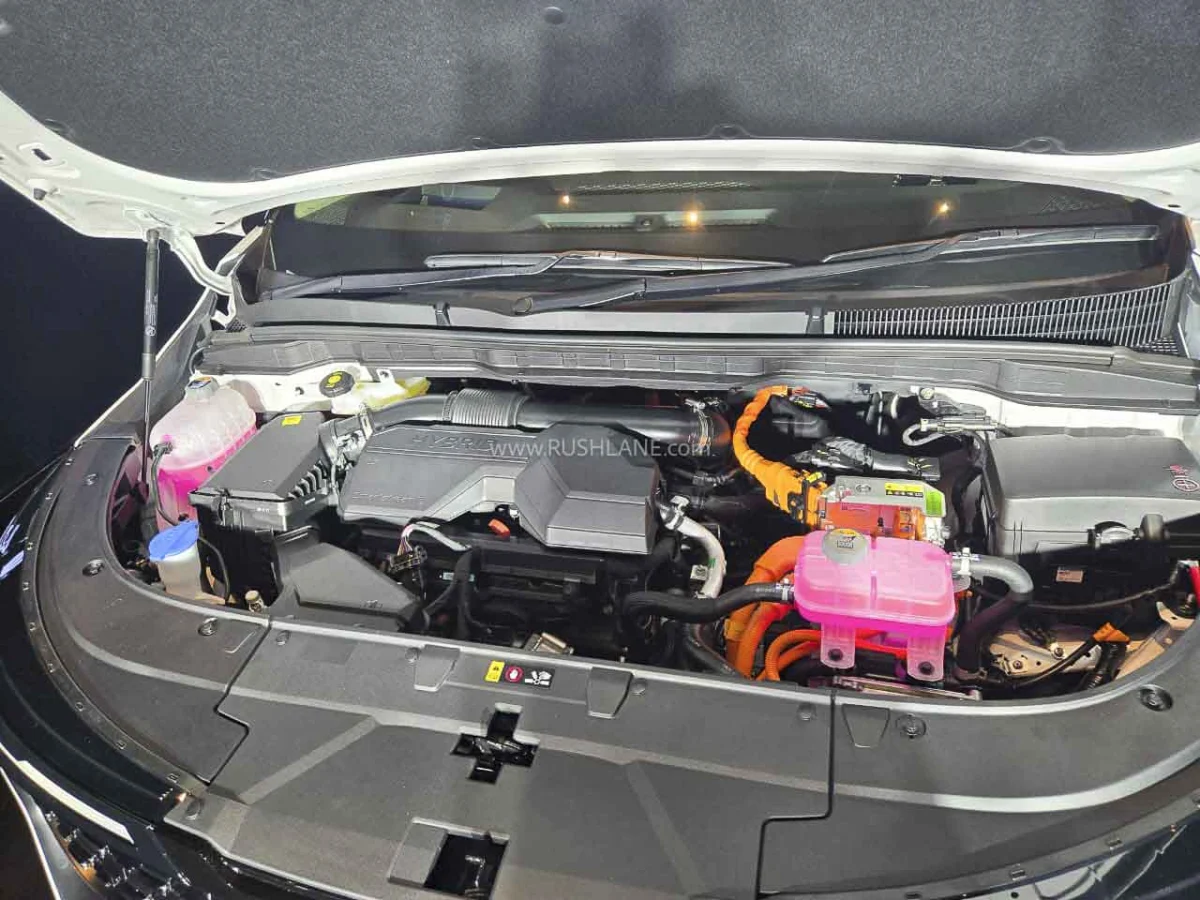
The Kia Carnival Hybrid is built upon the same sophisticated platform as its diesel sibling but introduces a powertrain that is both smaller in displacement and more complex in execution. The heart of the vehicle is a 1.6-litre turbocharged petrol engine, a unit known for its efficiency and punchy power delivery. This internal combustion engine (ICE) produces a respectable 180 PS of power and 265 Nm of peak torque.
However, the real story lies in the "strong-hybrid" architecture. Unlike mild hybrids that merely assist the engine, the Carnival Hybrid features a robust electric motor. Interestingly, Kia has optimized this motor specifically for the Carnival’s weight and utility requirements. While it shares the 1.6L turbo-petrol engine with the recently launched Sorento Hybrid, the Carnival’s electric motor is more potent. It generates 73.4 PS and a staggering 304 Nm of torque—surpassing the Sorento’s electric output by 8.4 PS and 40 Nm.
Key Specifications at a Glance:
- Engine: 1.6-Litre Turbo-Petrol
- Engine Output: 180 PS / 265 Nm
- Electric Motor Output: 73.4 PS / 304 Nm
- Transmission: 6-speed torque-converter automatic
- Drivetrain: Front-Wheel Drive (FWD)
- Safety: Level 2 ADAS, 8 Airbags, 360-degree camera
- Luxury Features: Twin 12.3-inch displays, 12-speaker Bose sound system, ventilated VIP seats.
By combining the instantaneous torque of the electric motor with the high-speed cruising capabilities of the turbo-petrol engine, Kia aims to provide a driving experience that is smoother, quieter, and more fuel-efficient than the traditional 2.2-litre diesel alternative.
2. Chronology: The Evolution of a Luxury Icon in India
The journey of the Kia Carnival in India has been one of calculated risks and steady elevation. To understand the significance of the Hybrid, one must look at the timeline of its predecessors:

- February 2020: Kia launches the third-generation Carnival at the Delhi Auto Expo. It was a bold move, positioning a premium MPV above the Toyota Innova Crysta but below the luxury stalwarts like the Mercedes-Benz V-Class. It found a niche among corporate leaders and large affluent families.
- 2023: After a successful run, the third-gen model was phased out, leaving a vacuum in the ₹40–60 lakh MPV space. Enthusiasts and buyers waited for the global fourth-generation model (codenamed KA4).
- October 2024: Kia officially launches the fourth-generation Carnival in India, initially in a single, fully-loaded "Limousine Plus" diesel trim priced at ₹59.65 lakh. The demand was immediate, proving that the Indian market was ready for a ₹60-lakh Kia.
- Late 2024: During the high-profile launch of the Kia Sorento, Kia surprises the media and stakeholders by showcasing the Carnival Hybrid. This marked the first official confirmation that the electrified version was destined for Indian showrooms.
- Present Day: The Carnival Hybrid is currently undergoing final preparations for its commercial launch, expected within the first quarter of 2025.
This chronology demonstrates Kia’s strategy of "laddering up"—starting with a proven diesel engine to establish the new generation’s credentials before introducing the more sophisticated, future-ready hybrid technology.
3. Supporting Data: Comparing the Old Guard with the New
The decision between diesel and hybrid is often a point of contention for luxury buyers. In the case of the Carnival, the data reveals two distinct personalities.
Diesel vs. Hybrid: The Power Play
The existing 2.2-litre CRDi diesel engine is a workhorse, producing 190 PS and 441 Nm of torque. It is paired with an 8-speed automatic transmission. This setup is ideal for long-distance highway munching where diesel’s torque and efficiency shine.
In contrast, the 1.6L Turbo Hybrid offers a different advantage. While the combined system output for the India-spec hybrid is yet to be finalized, global figures suggest it will be competitive with the diesel in terms of total horsepower, while offering superior refinement. The 6-speed torque converter in the hybrid is specifically tuned to manage the hand-off between the electric motor and the petrol engine, ensuring a seamless transition that is often missing in CVT-based hybrids.
The "Limousine Plus" Standard
Kia is expected to offer the Hybrid in the top-tier "Limousine Plus" configuration. Data from current bookings shows that Indian buyers in this segment overwhelmingly prefer the highest available trim. This includes:
- Visual Identity: The Hybrid retains the "Tiger Nose" grille, sleek LED headlamps, and the futuristic light bar at the rear, distinguishing it as a modern luxury vehicle rather than a traditional van.
- Cabin Sophistication: The interior features a curved panoramic display housing two 12.3-inch screens. The use of premium materials, soft-touch plastics, and wood-finish inserts places it in direct competition with entry-level luxury sedans from German manufacturers.
- Passenger Comfort: The "VIP Lounge" seats in the second row remain the USP, featuring power adjustment, leg rests, heating, and ventilation.
4. Official Responses and Strategic Vision
Kia’s move into the hybrid space is not an isolated event but a pillar of its "Plan S" global strategy. During the 2026 CEO Investor Day, Kia leadership outlined a clear roadmap for the Indian market. The company aims to introduce eight electrified vehicles in India by 2026.

According to official statements, Kia recognizes that while the world is moving toward Battery Electric Vehicles (BEVs), the Indian infrastructure and consumer sentiment currently favor a multi-pathway approach. By offering both Diesel and Strong Hybrids, Kia provides a bridge for consumers who want to reduce their carbon footprint without the "range anxiety" associated with pure EVs.
The company has also hinted that the hybrid technology seen in the Carnival and Sorento will eventually "trickle down" to more mass-market models. Plans are already in motion to explore hybrid versions of the Seltos, Sonet, and the Carens, which would allow Kia to compete more effectively with brands like Toyota and Maruti Suzuki, who have already seen success with hybrid SUVs.
5. Market Implications and Competitive Landscape
The arrival of the Kia Carnival Hybrid has profound implications for the Indian automotive market, particularly in the luxury and MPV segments.
Bridging the Gap
Currently, the Indian MPV market is bifurcated. On one end, you have the Toyota Innova Hycross, which tops out at around ₹31 lakh. On the far end, you have the Toyota Vellfire, which retails for over ₹1.2 crore. The Kia Carnival, particularly the Hybrid variant, sits perfectly in the "Goldilocks Zone." At an estimated price of ₹62 lakh, it offers Vellfire-like luxury at nearly half the price, while providing a significant step up in prestige and space from the Innova.
The "Green" Status Symbol
For corporate fleets and high-net-worth individuals (HNIs), a hybrid badge is becoming a status symbol. It reflects a commitment to ESG (Environmental, Social, and Governance) goals. The Carnival Hybrid allows CEOs and celebrities to travel in opulent comfort while maintaining a "greener" image.
Resale and Longevity
In regions like Delhi-NCR, where diesel vehicles face a 10-year age limit, the petrol-hybrid powertrain of the Carnival offers a massive advantage. Buyers can expect a 15-year registration life, significantly boosting the vehicle’s long-term value and resale potential. This factor alone could drive a large percentage of Carnival buyers toward the hybrid variant, despite the projected ₹1.5 lakh to ₹2 lakh premium over the diesel model.

Impact on Competitors
The Carnival Hybrid will likely force other manufacturers to reconsider their luxury MPV strategies. While Toyota dominates the hybrid space, Kia’s focus on "feature-rich luxury" and "futuristic design" provides a compelling alternative to Toyota’s more conservative approach.
Conclusion
The Kia Carnival Hybrid is more than just a new engine option; it is a harbinger of the changing tides in the Indian automotive industry. By combining a high-output electric motor with a refined turbo-petrol engine, Kia is addressing the twin demands of performance and sustainability.
As the vehicle prepares for its official launch, it stands as a testament to Kia’s ability to read the pulse of the Indian consumer. For those who seek the ultimate in passenger comfort, cutting-edge safety through Level 2 ADAS, and the efficiency of modern electrification, the Carnival Hybrid appears ready to claim the throne as the definitive luxury MPV of the era. The price tag, expected to hover around the ₹62 lakh mark, may be premium, but for the target audience, the value proposition—a blend of space, tech, and "green" credentials—is likely to be irresistible.
