

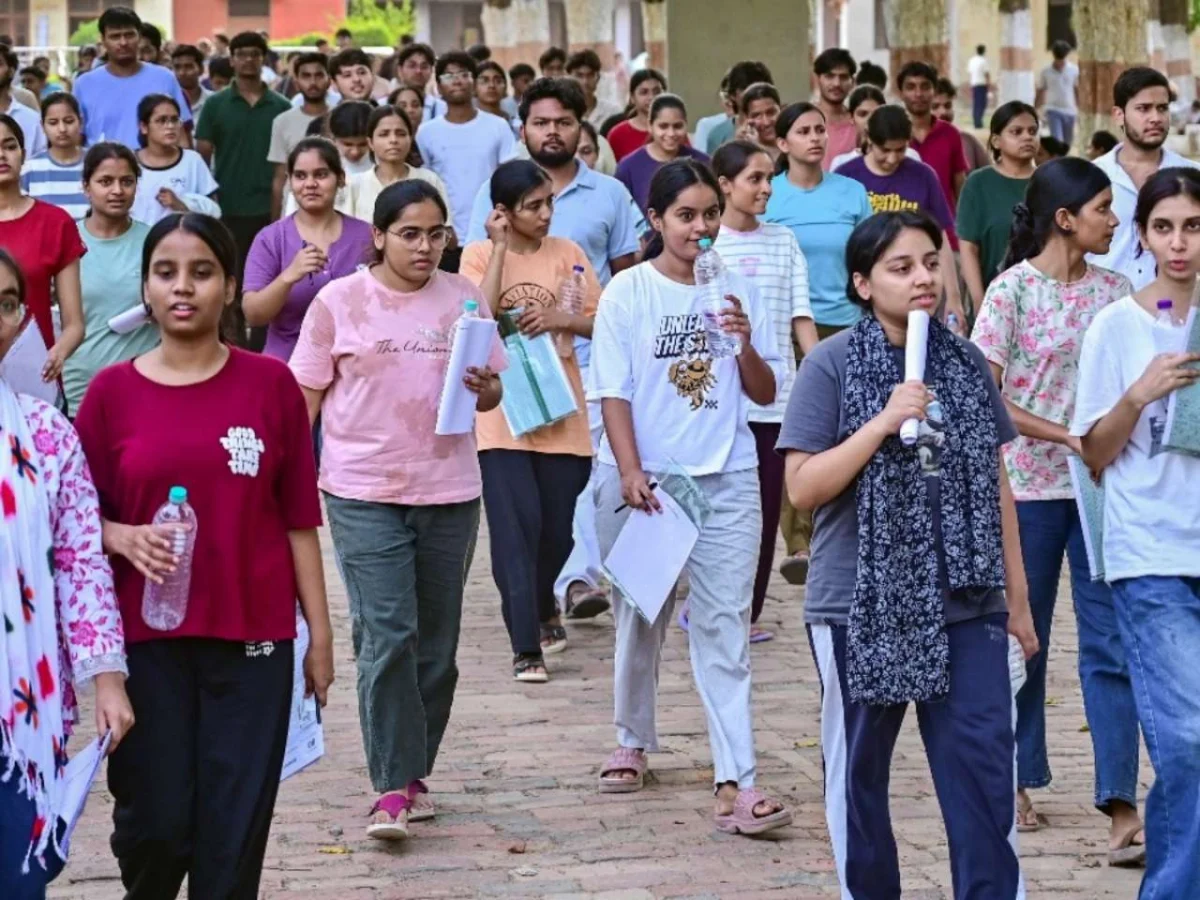
New Delhi: The Medical Counselling Committee (MCC) has announced a series of significant reforms set to revolutionize the National Eligibility cum Entrance Test (NEET) Undergraduate (UG) 2026 counselling process. These pivotal changes, aimed at enhancing transparency, streamlining procedures, and prioritizing student convenience, are slated to take effect with the commencement of counselling shortly. The Ministry of Health and Family Welfare, in an official notice, highlighted that these updates, driven by substantial software enhancements, are designed to create a more equitable and efficient pathway for aspiring medical professionals.
The NEET UG 2026 counselling, a crucial gateway for thousands of students seeking admission to undergraduate medical, dental, AYUSH, and allied health science courses, has historically been a complex and often stressful undertaking. The MCC’s proactive approach in introducing these reforms underscores a commitment to addressing long-standing challenges and modernizing the counselling infrastructure. The implications of these changes are far-reaching, promising to alleviate administrative burdens for both students and the counselling committee, while fostering a more predictable and accessible system.
Key Reforms Ushering in a New Era of Counselling
The MCC’s announcement details three primary changes that will profoundly impact the NEET UG 2026 counselling experience for candidates:
1. Elimination of Physical Reporting for Upgradation
Perhaps the most significant alteration is the discontinuation of mandatory physical reporting for candidates who opt for seat upgradation. Previously, students who were allotted a seat and wished to be considered for a better-ranked institution in subsequent rounds were required to physically report to their initially allotted college to complete admission formalities. This often involved unnecessary travel, potential loss of time, and a degree of uncertainty regarding their final seat allocation.
)
Under the new regime, candidates who have been allotted a seat and have chosen the upgradation option will no longer need to undertake this physical reporting. Their admission will be considered valid within the counselling system, allowing them to seamlessly participate in subsequent rounds of counselling without the need for physical presence at their initial allotment. This move is expected to significantly reduce logistical challenges and financial burdens for students and their families, particularly those residing in remote areas or facing mobility constraints. The official notification clearly states, "Their admission will remain valid in the counselling system while participating in subsequent rounds." This ensures that students do not lose their provisional admission while striving for a more desirable course or institution.
2. Introduction of Online Resignation Facility
In a bid to further enhance efficiency and reduce the administrative workload, the MCC has introduced an online resignation facility for NEET UG 2026 candidates. Previously, candidates wishing to withdraw from their allotted seat often had to navigate a process that involved physical submission of resignation letters or other documents. This could lead to delays and potential complications.

With the new online system, candidates can now submit their resignation from an allotted seat directly through the MCC counselling portal. This digitized process is expected to be faster, more secure, and provide real-time confirmation of resignation. This will not only benefit the candidates by offering a hassle-free exit option but also enable the MCC to process vacancies and reallocate seats more promptly, thereby expediting the entire counselling cycle. This digital transformation aligns with the broader trend of online governance and service delivery, making the counselling process more responsive to the needs of the applicants.
3. Online Document Upload for NRI Candidates
Addressing a specific need within the counselling framework, the MCC has now enabled Non-Resident Indian (NRI) candidates to upload their requisite documents directly onto the MCC portal. Previously, the process for NRI candidates might have involved more complex or manual submission methods for their supporting documents.
)
This new provision simplifies the application and verification process for NRI candidates, allowing them to submit their eligibility and supporting documents digitally. This move is expected to expedite the scrutiny of applications from NRI candidates, ensure accuracy, and provide them with a more convenient and accessible way to participate in the counselling process. By centralizing document submission on the MCC portal, the committee can ensure better data management and a more streamlined verification process for this specific category of applicants.
Chronology of Reforms and Preceding Events
The announcement of these reforms is not an isolated event but a culmination of efforts to refine the NEET UG counselling process over time. The NEET UG examination itself has undergone significant evolution since its inception, with the National Testing Agency (NTA) taking over the responsibility for conducting the exam.
)
The NEET UG 2026 examination, which forms the basis for these counselling changes, saw the NTA declare the results on July 16th. This year’s examination was a massive undertaking, with approximately 20 lakh candidates appearing across 5,440 centres in 551 cities within India and 14 cities abroad. The scale of the examination highlights the immense competition and the critical importance of a robust and efficient counselling system to manage the influx of qualified candidates.
The NTA also announced that a substantial number of candidates, over 11.21 lakh, have qualified for admission to undergraduate medical, dental, AYUSH, and allied programmes. This figure underscores the necessity of the MCC’s reforms to manage such a large pool of eligible students effectively. The timing of the MCC’s announcement, shortly before the commencement of counselling, indicates a strategic effort to ensure that these new procedures are in place and well-communicated to candidates well in advance.
)
The implementation of these changes is intrinsically linked to the development and integration of advanced software systems. The official documentation explicitly mentions "software changes" being undertaken to facilitate these improvements. This suggests a significant investment in technology by the MCC to modernize its operations and provide a user-friendly digital platform for counselling.
Supporting Data and Context
The NEET UG examination has become the single gateway for admission to undergraduate medical courses in India, replacing multiple state-level and institutional entrance examinations. This centralization, while aiming for uniformity and meritocracy, has also amplified the importance of the counselling process. The sheer volume of students and the limited number of seats in medical colleges create an intensely competitive environment.
)
According to official data, the number of candidates appearing for NEET UG has been steadily rising over the years. In 2023, over 20.87 lakh students registered for the exam, with a significant number of them qualifying. The 2026 examination has mirrored this trend, reinforcing the need for efficient and transparent admission procedures.
The reforms announced by the MCC directly address some of the perennial pain points experienced by candidates:
)
- Geographical Disparities: The elimination of mandatory physical reporting for upgradation directly benefits students from distant states or rural areas, saving them considerable travel costs and time.
- Administrative Bottlenecks: The online resignation facility and the digital document upload for NRI candidates are expected to significantly reduce the time taken for processing applications and vacant seats, thereby expediting the counselling process.
- Information Asymmetry: By providing clear online facilities, the MCC aims to reduce confusion and provide candidates with real-time access to information and transactional capabilities, thereby enhancing transparency.
The introduction of these student-centric reforms is a positive step towards making the NEET UG counselling process more accessible and less arduous. It reflects a growing understanding of the challenges faced by young aspirants and a commitment to leveraging technology for better governance.
Official Responses and Rationale
The Ministry of Health and Family Welfare, through its official communication, has emphasized the objective behind these changes: to make the counselling process "more transparent and student-friendly." This statement encapsulates the core rationale driving these reforms.
)
A senior official from the MCC, speaking on condition of anonymity, stated, "Our primary goal is to ensure that the counselling process is as smooth and equitable as possible for all candidates. We have listened to the feedback from students and parents over the years and have implemented these changes to address their concerns. The digital transformation of our processes is key to achieving this objective."
The official further elaborated on the benefits of each reform:
)
- Upgradation without Physical Reporting: "This is a major relief for students. They no longer need to worry about travelling to a college they might not end up joining. Their participation in the counselling will be seamless, allowing them to focus on their preparation for the next academic session."
- Online Resignation: "This introduces a much-needed element of speed and convenience. Candidates can now withdraw their candidature at their convenience, and this will help us in promptly identifying vacant seats and moving to the next eligible candidate, thereby reducing the overall counselling duration."
- Online NRI Document Upload: "This streamlines the process for a specific category of candidates who often face unique challenges. By allowing online document submission, we are simplifying their interaction with the counselling system and ensuring a fair and efficient evaluation of their applications."
The emphasis on "software changes" indicates a strategic investment in technology infrastructure. This suggests a long-term vision for the MCC’s operations, moving towards a fully digitized and integrated system that can handle the complexities of national-level counselling with greater efficiency and accuracy.
Implications for Future Counselling and Aspirants
The ramifications of these landmark reforms are multifaceted and extend beyond the immediate NEET UG 2026 counselling cycle.
)
For Students:
- Reduced Stress and Financial Burden: The elimination of physical reporting for upgradation will significantly alleviate the stress and financial strain on students and their families.
- Increased Accessibility: The online resignation facility and digital document upload for NRI candidates enhance the accessibility of the counselling process, making it more inclusive.
- Greater Control and Transparency: Students will have more control over their application status and receive prompt updates, fostering a sense of transparency and trust in the system.
- Faster Seat Allotment: By streamlining processes, the reforms are expected to lead to faster seat allotment, allowing students to plan their academic journey with greater certainty.
For the MCC and Educational Institutions:
)
- Improved Efficiency: The MCC can manage counselling more efficiently, processing applications, vacancies, and allotments at a faster pace.
- Better Data Management: Digital processes lead to better data collection, analysis, and record-keeping, which can inform future policy decisions.
- Reduced Administrative Overhead: Automating key processes can lead to a reduction in administrative workload and resource allocation.
- Enhanced Reputation: A transparent, efficient, and student-friendly counselling system can enhance the reputation of the MCC and the medical education sector as a whole.
For the Broader Healthcare Ecosystem:
- Quicker Filling of Seats: Expedited counselling ensures that medical seats are filled more promptly, which can contribute to a faster induction of new medical professionals into the healthcare system.
- Focus on Quality Education: By streamlining the admission process, the focus can shift more towards the quality of education and training provided to aspiring doctors.
In conclusion, the Medical Counselling Committee’s proactive introduction of these three major changes for NEET UG 2026 counselling marks a significant step forward. By embracing technology and prioritizing student convenience, the MCC is setting a new benchmark for national-level counselling processes, promising a more transparent, efficient, and equitable future for aspiring medical professionals across India. These reforms are not merely procedural adjustments but a fundamental reimagining of how students navigate the critical pathway to their medical careers.
