

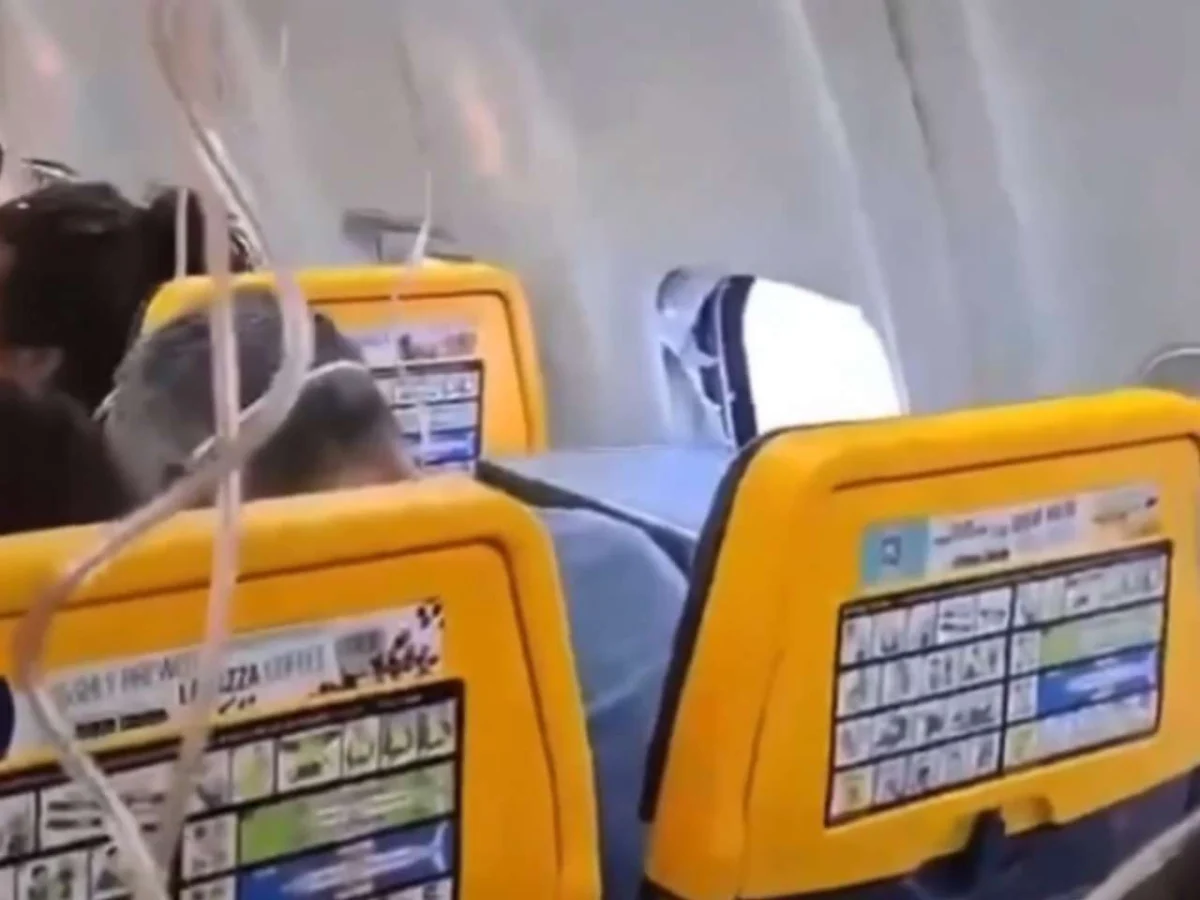
Thessaloniki, Greece – July 11, 2026 – In a harrowing incident that has sent shockwaves through the aviation community, a passenger on a flight from Thessaloniki, Greece, to Memmingen, Germany, was partially pulled out of an aircraft window after it came loose shortly after take-off. The terrifying event triggered an emergency return to Thessaloniki, where quick-thinking fellow passengers were credited with saving the individual’s life by managing to pull him back inside the cabin against the powerful forces of decompression.
The Malta Air flight, operated on behalf of Ryanair, was barely airborne when the structural integrity of the cabin was compromised, leading to a sudden and violent loss of pressure. The 61-year-old passenger, whose identity has not been released, sustained significant injuries but is reported to be stable, a testament to the swift actions of those around him and the crew’s emergency response. This near-catastrophe has prompted an immediate and comprehensive investigation by international aviation authorities, focusing on the cause of the window failure and any potential contributing factors, including an initial report of a "right engine issue."
Main Facts: A Nightmare at 15,000 Feet
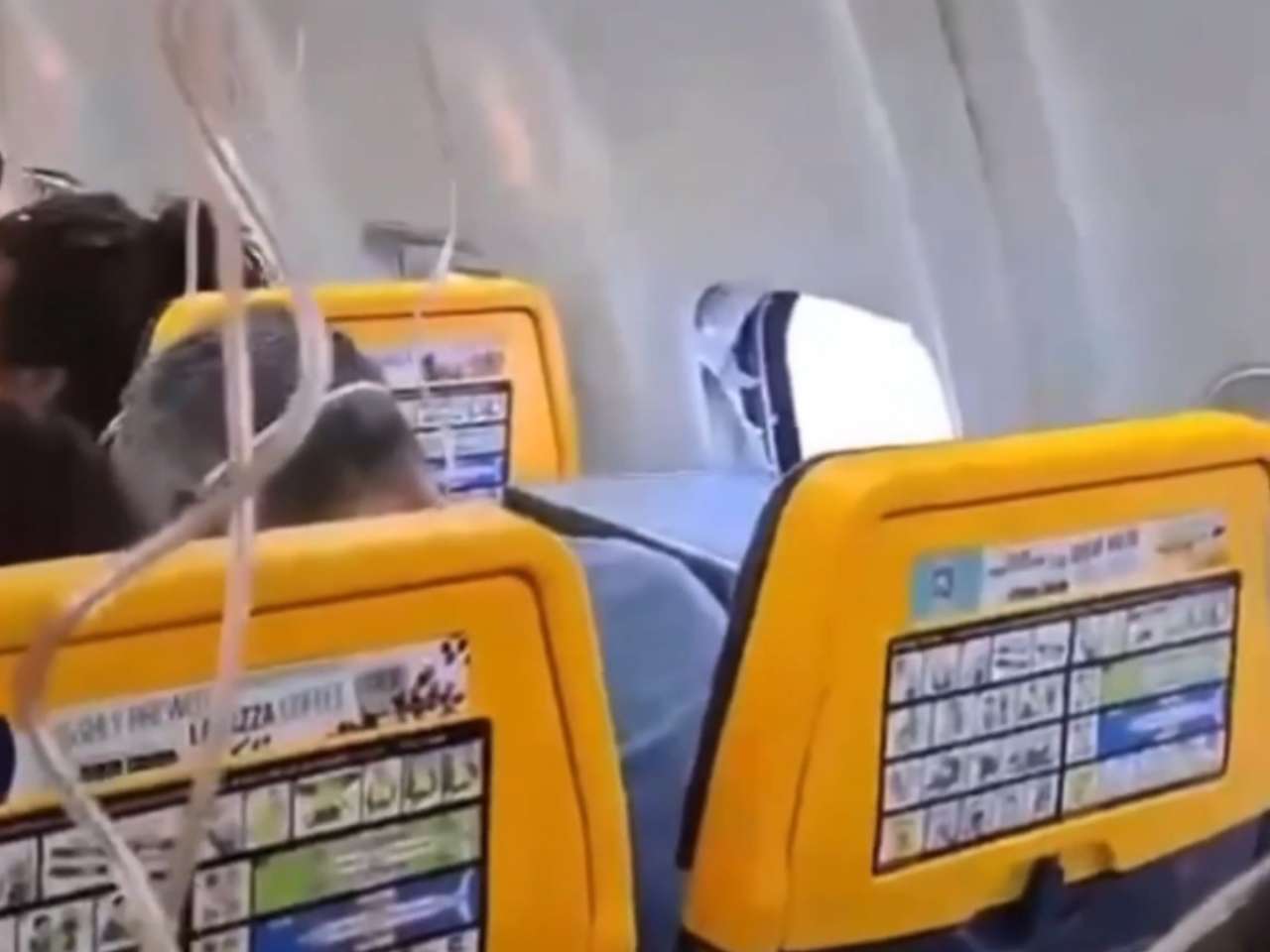
The tranquility of a routine European flight was shattered on Friday, July 10, 2026, when a Malta Air Boeing 737-800, operating as Ryanair flight FR1879, experienced a catastrophic cabin decompression event. The aircraft, which had departed from Thessaloniki International Airport "Makedonia" (SKG) en route to Memmingen Airport (FMM) near Munich, Germany, was forced to make an emergency return approximately an hour after take-off.
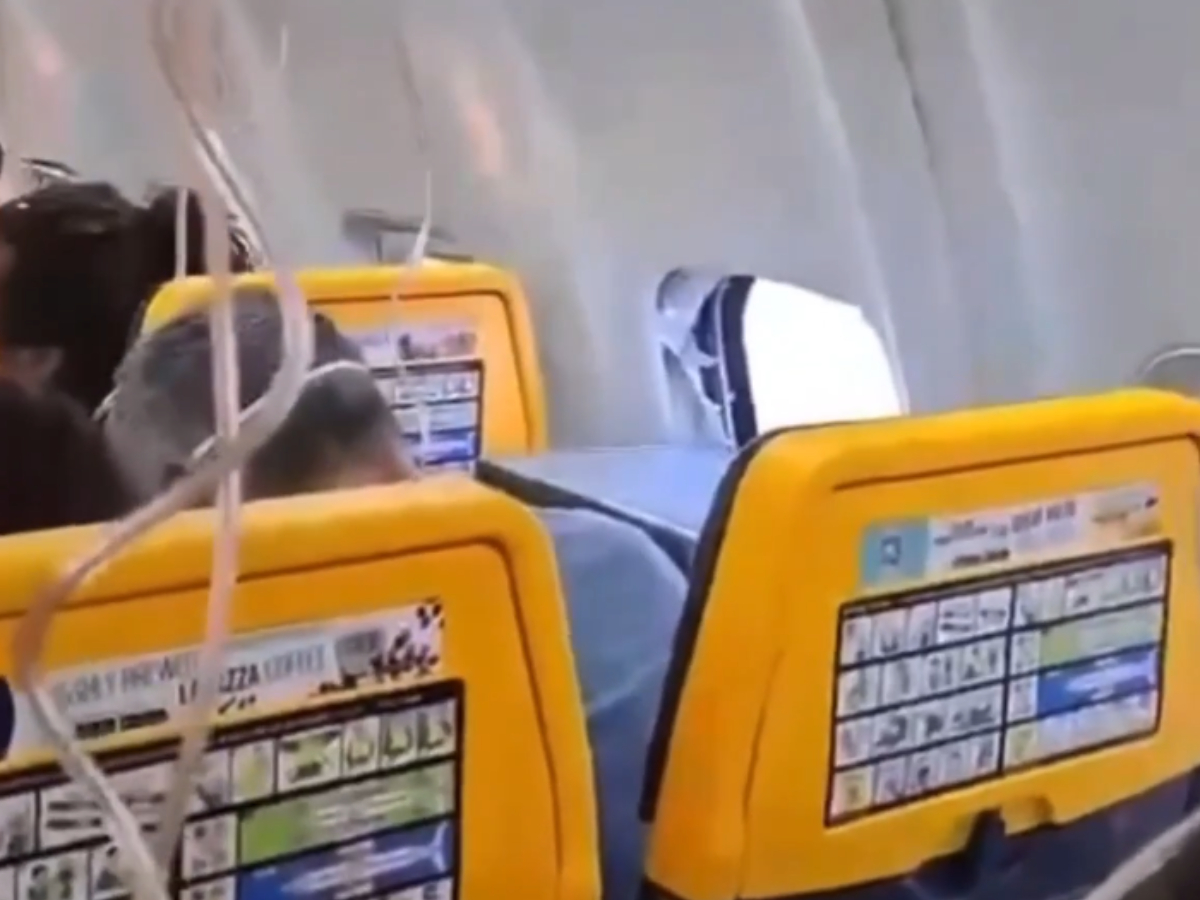
Central to the incident was the dislodgement of a passenger window, which created a gaping breach in the fuselage. A 61-year-old male passenger, seated adjacent to the compromised window, was reportedly partially sucked out of the aircraft. Eyewitness accounts describe a scene of unimaginable terror as the man’s head, neck, and shoulders were exposed to the frigid, thin air outside the pressurized cabin, with the extreme aerodynamic forces threatening to pull him completely from the plane.
)
In a remarkable display of human courage and quick thinking, several fellow passengers immediately intervened, grabbing hold of the struggling individual and pulling him back into the relative safety of the cabin. Their heroic actions undoubtedly saved his life. The sudden decompression also caused oxygen masks to deploy automatically throughout the cabin, as the flight crew initiated an emergency descent, rapidly bringing the aircraft to a safer altitude.
Upon landing back in Thessaloniki, the injured passenger received immediate medical attention for neck and shoulder injuries, as well as friction burns. Ryanair confirmed that one passenger received medical treatment on the ground. All other passengers were deplaned and subsequently transferred to a replacement aircraft to complete their journey to Germany.
)
The incident has drawn the attention of major aviation safety bodies. While the US National Transportation Safety Board (NTSB) has been informed and offered assistance, the primary investigation is being led by the Aircraft Accident and Incident Investigation Committee of the Republic of North Macedonia, a common protocol for incidents occurring within or near their flight information region or involving their registered aircraft. The specific cause of the window failure and any potential link to a reported "right engine issue" remain under intense scrutiny.
Chronology of the Incident: From Routine Departure to Emergency Landing
The events of July 10 unfolded rapidly, transforming a standard European flight into a terrifying ordeal for all onboard.

Pre-flight and Take-off
The Malta Air flight FR1879, a Boeing 737-800 registered to the low-cost carrier, was scheduled to depart from Thessaloniki, Greece, a major port city and economic hub, for Memmingen, a Bavarian town serving as a gateway to Munich. Passengers had boarded the aircraft, settling in for what was expected to be a routine journey across the Balkans and Central Europe. The pre-flight safety briefing would have covered emergency procedures, including the deployment of oxygen masks and bracing for impact, little knowing how critically relevant these instructions would become. The aircraft taxied, received clearance, and commenced its powerful take-off roll, lifting into the clear Greek skies.
Initial Ascent and the Catastrophic Event
According to flight tracking data, the Boeing 737-800 climbed steadily, reaching an altitude of over 15,000 feet shortly after departing Thessaloniki. This phase of flight is typically uneventful, with the cabin pressurization system working to maintain a comfortable and breathable environment equivalent to an altitude of 6,000-8,000 feet.
)
However, the normalcy was shattered by what passengers described as a "loud bang," akin to a "tire bursting," but significantly more intense. This was immediately followed by the catastrophic failure of a passenger window. Eyewitness Christina, speaking to local radio, recounted the terrifying moments: "We heard a sound… but very loud." The precise mechanism of the window failure – whether it simply dislodged due to structural fatigue, was impacted by debris, or failed due to another cause – is a key focus of the ongoing investigation.
Sudden Decompression and Passenger’s Ordeal
The breach in the fuselage led to an immediate and violent decompression of the cabin. The pressure differential between the highly pressurized cabin interior and the thin atmosphere outside, combined with the aircraft’s speed, created a powerful suction effect. Christina described the ensuing panic: "Screams, shrieks, shouting."
)
The 61-year-old passenger, seated directly beside the failed window, bore the brunt of this force. He was partially pulled out of the aircraft, with "His whole head, neck, shoulders" reportedly exposed to the extreme elements. At 15,000 feet, the air temperature would have been well below freezing, and the oxygen levels dangerously low. The aerodynamic forces at play would have been immense, making it incredibly difficult to remain conscious or to resist the pull.
Heroic Intervention and Emergency Descent
In the midst of this chaos, fellow passengers demonstrated extraordinary courage and solidarity. Recognizing the immediate and grave danger, several individuals instinctively reacted, grabbing the struggling man and physically pulling him back inside the cabin. Their actions were critical in preventing a full ejection from the aircraft and undoubtedly saved his life.
)
Simultaneously, the flight crew, highly trained for such emergencies, initiated standard decompression procedures. Oxygen masks automatically dropped from the ceiling, instructing passengers to don them immediately to counteract the effects of hypoxia. The pilots commenced an emergency descent, rapidly bringing the aircraft to a lower, safer altitude where the air pressure is higher and breathable, typically below 10,000 feet. Flight tracking data confirms this rapid descent to approximately 6,000 feet.
Return to Thessaloniki and Post-landing Care
The flight crew, having stabilized the situation, declared an emergency and informed air traffic control of their intent to return to Thessaloniki. The damaged aircraft, with its terrified but relieved passengers, executed a controlled landing back at Thessaloniki International Airport approximately an hour after its initial departure.
)
Upon landing, emergency services were on standby. The injured 61-year-old passenger was immediately attended to by medical personnel. A Greek hospital official later confirmed he sustained neck and shoulder injuries, along with friction burns, consistent with exposure to the high-speed airflow and potential contact with the aircraft’s exterior. Other passengers, though physically unharmed, were visibly shaken and received support before being escorted back to the terminal. Ryanair subsequently arranged a replacement aircraft to transport the remaining passengers to Memmingen, albeit with a significant delay.
Supporting Data and Context: Understanding the Forces at Play
The incident on flight FR1879 highlights the critical importance of aircraft structural integrity and the immense forces involved in flight. Understanding the mechanics and historical precedents helps contextualize the severity of this event.
)
The Aircraft: Boeing 737-800
The aircraft involved was a Boeing 737-800, a workhorse of the aviation industry and one of the most common aircraft types globally. This particular plane entered service with Ryanair in 2008, making it approximately 18 years old at the time of the incident. While age itself does not directly correlate with safety issues, older aircraft require rigorous and consistent maintenance checks to ensure continued airworthiness. The 737-800 is known for its robust design and has an excellent safety record over decades of operation. Any incident involving such a common and generally reliable aircraft type is therefore taken extremely seriously by manufacturers, airlines, and regulators.
Cabin Pressurization and Decompression
Aircraft like the Boeing 737-800 are designed to fly at high altitudes (typically 30,000-40,000 feet) to optimize fuel efficiency and avoid turbulence. At these altitudes, the atmospheric pressure is too low for human respiration, and temperatures are dangerously cold. To counteract this, the cabin is artificially pressurized, maintaining an internal environment equivalent to much lower altitudes, usually between 6,000 and 8,000 feet.
)
A breach in the fuselage, such as a dislodged window, causes a rapid "explosive decompression." This is characterized by a sudden, violent equalization of pressure, where air rushes out of the cabin. The effects are immediate and dramatic:
- Loud Bang/Roar: The sudden rush of air creates a deafening noise.
- Fogging: Rapid cooling of the cabin air can cause condensation and fogging.
- Hypoxia: The rapid drop in oxygen levels can quickly lead to disorientation, confusion, and loss of consciousness. This is why oxygen masks deploy automatically.
- Extreme Temperatures: The temperature inside the cabin rapidly drops to external levels, which can be -50°C or colder at cruising altitude.
- Suction Force: The pressure differential creates a powerful suction, strong enough to pull unsecured objects – and unfortunately, people – out of the aircraft.
The fact that the passenger was partially pulled out underscores the extreme forces at play. For a human body to resist this suction requires extraordinary effort, making the intervention of fellow passengers even more remarkable.
)
Flight Tracking Data Insights
The flight tracking data provided crucial insights into the sequence of events. The climb to over 15,000 feet indicates the aircraft was well into its ascent phase. The subsequent rapid descent to around 6,000 feet is a standard emergency procedure following a decompression. Pilots descend to an altitude where oxygen is naturally sufficient for breathing, even if the cabin remains unpressurized. This maneuver is critical for the safety of passengers and crew and allows time for the flight crew to assess the situation and plan an emergency landing. The total flight time of approximately one hour before landing back in Thessaloniki demonstrates the crew’s efficiency in managing the crisis.
Passenger Accounts: The Human Element of Terror
Eyewitness testimony is invaluable in reconstructing such events. Christina’s vivid description of the "tire bursting" sound, the immediate loss of pressure, the deployment of oxygen masks, and the ensuing panic paints a grim picture of the cabin environment. Her account of the 61-year-old man being partially pulled out, specifically mentioning his "whole head, neck, shoulders," provides chilling detail about the passenger’s perilous situation. The collective fear and uncertainty would have been immense, highlighting the psychological toll such incidents take on survivors. The injuries sustained by the passenger – neck and shoulder injuries, along with friction burns – are consistent with exposure to high-speed airflow and potential impact or scraping against the aircraft structure.
)
Historical Precedents: Not an Isolated Event
While rare, incidents of structural failure leading to partial ejection or significant cabin damage have occurred in aviation history, serving as stark reminders of the dangers.
- Southwest Airlines Flight 1380 (2018): An uncontained engine failure caused debris to strike the fuselage, shattering a window. A female passenger seated next to the window was partially pulled out and tragically died despite efforts to save her. This incident highlighted concerns about engine maintenance and component integrity.
- Aloha Airlines Flight 243 (1988): An explosive decompression caused a large section of the fuselage to tear away mid-flight. A flight attendant was swept out of the aircraft. The incident was attributed to metal fatigue and inadequate maintenance on an older aircraft, leading to significant changes in aircraft inspection protocols.
- British Airways Flight 5390 (1990): The captain was partially sucked out of the cockpit after a poorly fitted windscreen detached mid-flight. He was held by flight attendants for over 20 minutes before the first officer made an emergency landing. This incident emphasized the importance of proper maintenance procedures and quality control.
These historical events underscore that while modern aviation is incredibly safe, the potential for catastrophic structural failure, though rare, remains a critical concern. Each incident provides valuable lessons that contribute to ongoing improvements in aircraft design, manufacturing, maintenance, and operational safety protocols.
)
Official Responses and Investigation: Seeking Answers
The severity of the incident on FR1879 has triggered immediate and extensive responses from the airline, regulatory bodies, and accident investigation agencies. The primary goal is to determine the precise cause of the window failure and prevent similar occurrences in the future.
Airline Statements and Actions
Ryanair, as the operator of the flight through its subsidiary Malta Air, swiftly issued a statement acknowledging the incident. They confirmed that the aircraft returned to Thessaloniki after "a passenger window dislodged in-flight." Their immediate actions included providing medical treatment for the injured passenger and arranging a replacement aircraft to minimize disruption for other travelers. While Ryanair maintains a generally strong safety record, this incident will undoubtedly lead to an internal review of maintenance procedures and operational protocols for the specific aircraft and potentially across its fleet.
)
Regulatory Bodies and Investigation Leadership
Several key entities are involved in the investigation:
- Aircraft Accident and Incident Investigation Committee of the Republic of North Macedonia: This body has taken the lead in the investigation. This is a common practice when an incident occurs within the flight information region (FIR) of a country, even if the aircraft is registered elsewhere or operated by an airline from a different nation. Their mandate is to conduct a thorough, independent investigation to determine the probable cause and issue safety recommendations.
- US National Transportation Safety Board (NTSB): The NTSB announced it was informed of the incident, citing "a right engine issue and cabin decompression" as the reasons for the flight’s return. While the NTSB’s primary jurisdiction is U.S.-registered aircraft or incidents on U.S. soil, they frequently offer technical assistance and expertise to other nations, especially when U.S.-manufactured aircraft (like the Boeing 737) are involved. Their mention of a "right engine issue" is significant, as some initial, unconfirmed reports and social media posts suggested engine debris might have shattered the window. This potential link will be a critical area for investigators to explore.
- European Union Aviation Safety Agency (EASA): As the primary aviation safety regulator for the European Union, EASA will be closely monitoring the investigation. Depending on the findings, EASA could issue airworthiness directives or safety bulletins to all European airlines operating similar aircraft, potentially requiring specific inspections or maintenance actions.
- Boeing: As the aircraft manufacturer, Boeing will undoubtedly cooperate fully with the investigation, providing technical data, engineering expertise, and access to design specifications. Their involvement is crucial in understanding any potential design or manufacturing flaws.
Scope of the Investigation
The investigation will be multifaceted, examining several critical areas:
)
- Window and Fuselage Integrity: This will be the central focus. Experts will meticulously examine the failed window, the surrounding fuselage structure, and the fasteners to determine the exact point and mechanism of failure. This includes looking for signs of fatigue cracking, corrosion, manufacturing defects, or external damage.
- Maintenance Records: A detailed review of the aircraft’s maintenance history will be conducted. This includes all scheduled checks, repairs, modifications, and any previous incidents or squawks related to windows or the fuselage. The quality of previous maintenance work will be scrutinized.
- Operational Factors: The investigation will review flight data recorders (FDR) and cockpit voice recorders (CVR) to understand the crew’s actions, aircraft parameters (speed, altitude, engine performance) at the time of the incident, and any warnings or alerts that may have occurred.
- Engine Examination: Given the NTSB’s mention of a "right engine issue" and some unconfirmed reports of engine debris, the right engine will undergo a thorough examination to determine if any malfunction or uncontained failure occurred and if it contributed to the window damage.
- Quality Control: The manufacturing and installation processes of the window and related components will be reviewed, especially if a manufacturing defect is suspected.
The investigation process is typically lengthy and meticulous, involving forensic analysis, material science testing, and expert consultations. The ultimate goal is not to assign blame but to uncover the truth and implement measures to prevent future tragedies.
Implications and Future Considerations: Lessons Learned for Air Safety
The incident on flight FR1879, while harrowing, serves as a potent reminder of the inherent risks in aviation and the continuous effort required to maintain and improve safety standards. Its implications extend beyond the immediate affected passengers and airline, touching upon broader aspects of passenger confidence, aircraft maintenance, and regulatory oversight.
)
Passenger Safety and Confidence
For the passengers on board, particularly the 61-year-old victim, the psychological trauma of being partially pulled out of a plane will be profound and lasting. Even for those who were not directly impacted, the experience of a sudden decompression, rapid descent, and the terrifying sight of a fellow passenger in peril can severely erode confidence in air travel. Rebuilding this trust requires transparency from airlines and investigators, clear communication of findings, and demonstrable actions to address any identified safety deficiencies. The heroism of fellow passengers, however, also highlights the resilience of the human spirit in crisis.
Aircraft Maintenance and Design Scrutiny
This incident will inevitably lead to heightened scrutiny of aircraft maintenance practices, especially concerning fuselage and window components. Aviation authorities and manufacturers may issue new directives or recommendations for enhanced inspections, particularly for older aircraft in service. The focus will be on detecting subtle signs of metal fatigue, corrosion, or installation issues that could compromise structural integrity. Depending on the investigation’s findings, there could be reviews of current window design, material choices, and installation procedures for the Boeing 737 series, and potentially other aircraft types. This continuous feedback loop from incidents to design and maintenance improvements is a cornerstone of aviation safety.
)
Crew Training and Emergency Preparedness
The professional and swift response of the flight crew in initiating an emergency descent and returning to the airport was critical in averting a greater disaster. This incident underscores the paramount importance of rigorous and recurrent training for pilots and cabin crew in handling emergency situations, particularly those involving rapid decompression and structural failure. Their ability to maintain control, follow protocols, and reassure passengers under extreme stress is a testament to the effectiveness of their training programs.
The Role of Regulatory Oversight
Aviation safety is a global endeavor, and regulatory bodies like EASA and the NTSB play a crucial role in setting standards, overseeing compliance, and ensuring that lessons from incidents are universally applied. This investigation will test the robustness of the current regulatory framework and may lead to new safety recommendations or mandatory directives. International cooperation between accident investigation committees, such as the one between North Macedonia and the NTSB, is vital for comprehensive analysis and broad dissemination of safety information.
)
Industry-Wide Impact
While individual airlines often face reputational challenges after such events, the broader aviation industry typically learns and adapts. Manufacturers, airlines, and maintenance organizations constantly strive for a "zero accident" environment. Incidents like this, despite their terrifying nature, provide invaluable data that helps refine safety protocols, improve engineering, and enhance operational procedures, ultimately making air travel safer for everyone.
In conclusion, the mid-air scare on Malta Air flight FR1879 was a stark reminder of the immense forces involved in aviation and the critical importance of structural integrity. The heroism of fellow passengers, coupled with the professional response of the flight crew, turned a potential catastrophe into a survivable emergency. As the investigation unfolds, the aviation community will await its findings with keen interest, ready to implement any necessary changes to ensure that such a terrifying ordeal is never repeated, reinforcing the unwavering commitment to the safety of the flying public.
