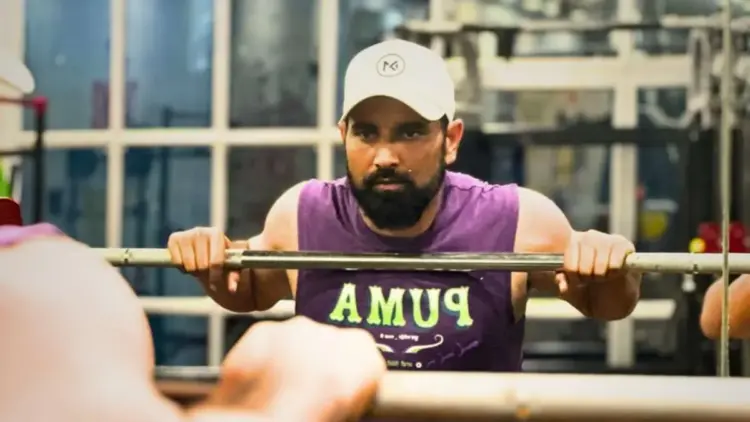
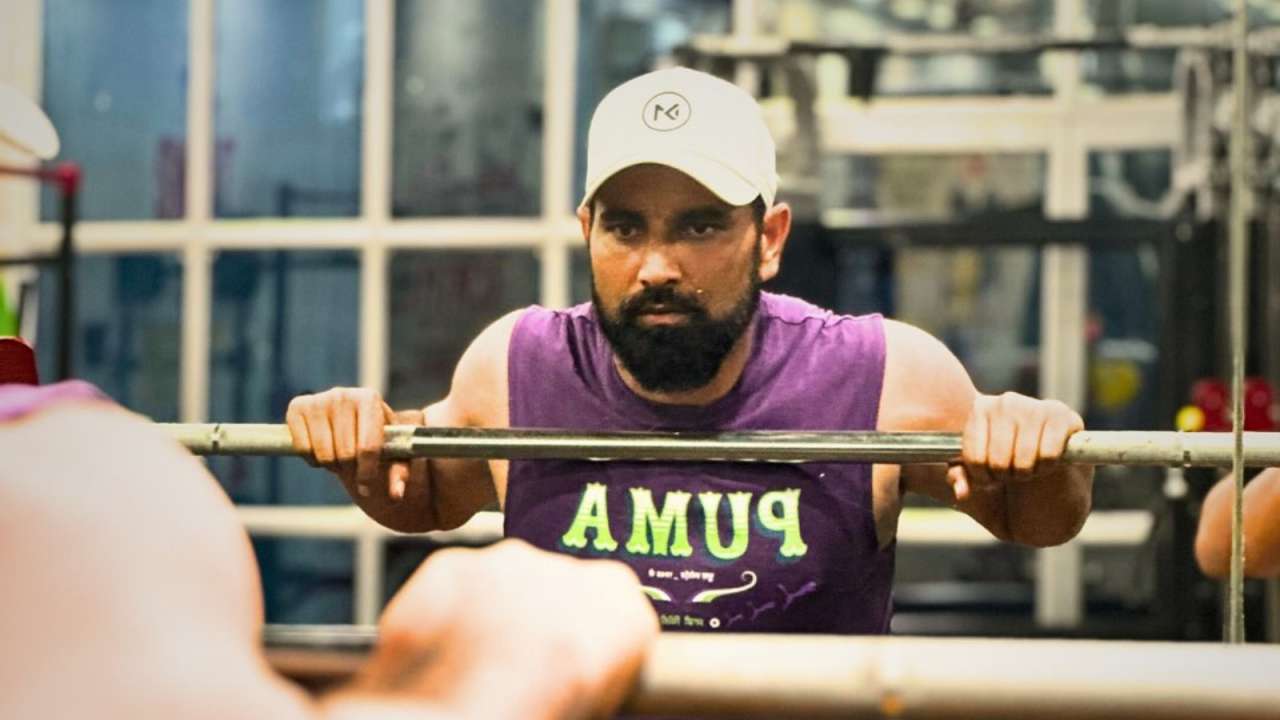
Delhi, India – In a rare and candid outburst, Indian cricket’s formidable pace spearhead, Mohammed Shami, has publicly voiced his deep frustration with what he perceives as the media’s persistent attempts to embroil him in "unnecessary controversies." Speaking to reporters on the sidelines of Bengal’s Ranji Trophy match against Services in Delhi, Shami delivered a powerful statement, challenging the narratives that often surround high-profile athletes. His remarks come amidst his active participation in domestic cricket, a period that has seen both stellar performances and lingering questions about his multi-format international future.
The veteran bowler, renowned for his searing pace, deceptive seam movement, and critical contributions to the national team, didn’t mince words. He acknowledged the media’s support over his illustrious career but drew a firm line at what he described as the fabrication of baseless issues, asserting the inherent right of cricketers to a personal life free from undue intrusion. This impassioned plea for journalistic integrity and respect for individual boundaries highlights the immense pressure and constant scrutiny faced by sports icons in a hyper-connected world.
Main Facts: Shami’s Outspoken Critique of Media
A Voice Against ‘Unnecessary’ Controversies
Mohammed Shami’s interaction with the media in Delhi was far from a routine press briefing. It was a moment of raw honesty, where the usually reserved pacer shed light on the mental toll of constant public scrutiny. "I have said this multiple times: the way he [Bhuvneshwar Kumar] has performed, he should have made a comeback a long time ago. And I also know that you guys (the media) always drag me into controversies, and you enjoy it," Shami was quoted as saying, as reported by NDTV. This pointed accusation suggests a systemic issue, where the allure of sensationalism may sometimes overshadow objective reporting.
His sentiment resonated with many who believe that public figures, particularly athletes, are often subjected to microscopic examination that extends beyond their professional sphere. Shami’s acknowledgement of media support — "I acknowledge the fact that you people have supported me a lot" — provided a crucial balance, indicating his understanding of the symbiotic relationship between athletes and the press. However, he quickly pivoted to his core grievance: "but one thing everyone should understand is that unnecessary issues should not be created." This plea is a clear call for more responsible journalism, urging the media to focus on legitimate news rather than manufactured drama.
The human element of his statement was particularly striking: "Say what is right. Rest, we are players. We also have a personal life, and we are also bound to make mistakes. Though I don’t misbehave with anyone, there are instances when I also lose my cool." This candid admission peels back the layers of the stoic athlete persona, revealing a human being susceptible to emotions, frustrations, and the occasional lapse in composure, just like anyone else. It serves as a potent reminder that while cricketers perform on a grand stage, they remain individuals with private lives deserving of respect and understanding.
Backing Bhuvneshwar Kumar’s Comeback
Beyond his personal grievances, Shami also took the opportunity to advocate for his long-time teammate and fellow pacer, Bhuvneshwar Kumar. Kumar, who recently earned a recall to the Indian T20I squad for an upcoming series against New Zealand, received a ringing endorsement from Shami. "The way he has performed, he should have made a comeback a long time ago," Shami stated, highlighting Kumar’s consistent efforts and undeniable talent.

This public show of support from a senior player like Shami carries significant weight. It not only boosts Kumar’s morale but also subtly questions the selection dynamics that might have kept a proven performer out of the national setup for an extended period. It underscores the camaraderie within the cricketing fraternity, where players often stand up for each other, especially when they feel a teammate’s contributions have been overlooked or undervalued. Such an endorsement from a respected peer like Shami can often serve as a powerful signal to selectors and fans alike, reaffirming the quality and readiness of a returning player.
Chronology: A Career Under the Lens
From Humble Beginnings to International Stardom
Mohammed Shami’s journey in international cricket is a testament to perseverance and raw talent. Hailing from Amroha, Uttar Pradesh, Shami burst onto the international scene in 2013, quickly establishing himself as a formidable force across all formats. His ability to move the ball both ways, generate disconcerting seam movement, and unleash deadly reverse swing, particularly in subcontinental conditions, made him an invaluable asset to the Indian bowling attack. Over the years, he has consistently been among India’s leading wicket-takers, playing a pivotal role in numerous victories, both home and away.

His career has been punctuated by signature moments: fiery spells in Test matches that dismantled opposition batting lineups, crucial breakthroughs in One Day Internationals, and economical, wicket-taking performances in T20Is. He has been a veteran of multiple ICC tournaments, including the 2015, 2019, and the spectacular 2023 ODI World Cups, consistently delivering under immense pressure. His uncanny knack for picking up wickets in clusters and his ability to perform at critical junctures have cemented his legacy as one of India’s finest pace bowlers of his generation.
The Ebb and Flow of Form and Fitness
Like many fast bowlers, Shami’s career has been a challenging tightrope walk between peak performance and managing the rigors of injury. The demands of bowling at high speeds across formats take a tremendous toll on the body. He has, at various points, battled injuries that have sidelined him, leading to periods of rehabilitation and arduous comebacks. Each return has showcased his mental fortitude and unwavering commitment to the game.

His most recent international highlight was an absolutely sensational performance in the ICC Men’s Cricket World Cup 2023. Despite missing the initial matches, Shami made an impactful entry, finishing as the tournament’s leading wicket-taker with 24 wickets in just 7 matches, including three five-wicket hauls. This incredible feat not only defied any narratives of waning form but also firmly re-established him as an indispensable part of India’s ODI setup.
However, the original article’s phrasing about him "not being part of Team India since March last year" and his "future in international cricket being in jeopardy" needs careful contextualization in light of his 2023 World Cup heroics. It is plausible that these concerns pertained to his place in specific formats, such as Test cricket or T20Is, where he has not been a regular fixture since early 2023, or perhaps reflected a period before his remarkable ODI comeback. The demands of modern cricket often necessitate specialists, and an aging pacer, even one of Shami’s caliber, faces intense competition across formats. His current statements, therefore, can be seen as a reflection on the broader pressures of maintaining a spot in the national team across formats and managing media narratives throughout his career, including past periods of uncertainty.

Domestic Commitments: The Ranji Trophy Arena
Despite his stature as an international star, Shami has remained deeply committed to domestic cricket, regularly turning out for his state team, Bengal, in the Ranji Trophy. His participation in India’s premier first-class competition not only keeps him match-fit but also provides invaluable experience and mentorship to younger players. The Ranji Trophy remains a crucial proving ground and a platform for players to demonstrate form and fitness for national selection.
During Bengal’s recent Ranji Trophy encounter against Services in Delhi, Shami’s presence, even when not in the playing XI, underscored his loyalty. He addressed his absence from the playing XI with characteristic dedication: "Today, you guys are questioning me and giving all this attention is all because of this team. I even want to retire while playing for Bengal. It doesn’t matter at what level you are playing; you just need to be loyal and hardworking. That’s the only thing that is in a player’s hands." This powerful statement speaks volumes about his deep-seated pride in representing his state and his belief in the fundamental values of the sport. It highlights his desire to give back to the team that nurtured him, even as his international career progresses.

Supporting Data: The Broader Landscape of Cricketing Life
The Anatomy of a Modern Cricketer’s Life
The life of a modern cricketer, particularly one representing a cricket-mad nation like India, is a relentless cycle of training, travel, matches, and media engagements. The advent of multi-format cricket (Tests, ODIs, T20Is) has intensified the physical demands, requiring players to constantly adapt their skills and fitness levels. The physical toll is immense, leading to frequent injuries and the constant need for rehabilitation. Beyond the physical, the mental toll is equally, if not more, significant. Players operate under a constant spotlight, where every performance, every public appearance, and increasingly, every aspect of their personal lives, is scrutinized.
The pervasive influence of social media has amplified this scrutiny exponentially. What was once confined to print and television now spills over into instantaneous, often unfiltered, online commentary. Athletes are not just performers; they are brands, public figures, and often, unwitting targets of online vitriol or baseless speculation. This constant public gaze can be mentally exhausting, making it challenging for players to maintain focus, protect their privacy, and manage their well-being. Shami’s comments underscore this very real challenge faced by athletes in the digital age.

Media’s Role and the Athlete’s Right to Privacy
Sports journalism plays a vital role in connecting fans with the game, offering insights, analysis, and narratives that enrich the sporting experience. Its legitimate functions include reporting on matches, analyzing player performance, conducting interviews, and keeping the public informed about developments within the sport. This symbiotic relationship is crucial for the growth and popularity of cricket.
However, a critical debate often arises regarding the ethical boundaries of sports reporting. Where does legitimate public interest end and personal intrusion begin? Shami’s frustration points to instances where the line may have been blurred, leading to the creation of "unnecessary issues." While public figures are subject to a higher degree of scrutiny, they also retain a fundamental right to privacy, especially concerning matters unrelated to their professional conduct or performance. The challenge for media houses lies in balancing the demand for engaging content with journalistic ethics, ensuring that the pursuit of a story does not infringe upon an individual’s dignity or mental well-being. The impact of negative or speculative media narratives on player morale and performance can be profound, potentially affecting their confidence and focus on the field.

The Competitive Fire: India’s Fast Bowling Arsenal
India’s fast-bowling resources have never been as rich and diverse as they are today. The emergence of world-class pacers like Jasprit Bumrah, Mohammed Siraj, Arshdeep Singh, and Prasidh Krishna, among others, has created an intensely competitive environment for national selection. This depth is a testament to the strong cricketing infrastructure and the talent pipeline in the country.
For a veteran like Mohammed Shami, despite his immense experience and proven track record, this competition means he must consistently perform at his peak and maintain impeccable fitness. Age (Shami is currently 33-34 years old) and the need for workload management become significant factors. While his skill remains unquestionable, selectors are constantly looking for the right balance of experience, youth, fitness, and specific skill sets required for different formats and conditions. This fierce internal competition means that even a slight dip in form or fitness can lead to a player being rotated or sidelined, adding another layer of pressure to a cricketer’s career.

Shami’s Statistical Prowess
Mohammed Shami’s international statistics paint a picture of a bowler of exceptional quality and consistency. Across Tests, ODIs, and T20Is, he boasts an impressive tally of wickets, often coupled with excellent averages and economy rates. In Test cricket, his ability to extract bounce and movement, especially with the old ball, has made him a formidable opponent. His ODI record, particularly his knack for taking wickets in the middle overs and at the death, has been instrumental in India’s success. His economy in T20Is, while sometimes seen as slightly higher, is often compensated by his ability to pick crucial wickets.
His impact in major tournaments, particularly the ICC World Cups, stands out. In the 2015 World Cup, he was among the top wicket-takers, leading India’s charge to the semi-finals. More recently, his record-breaking performance in the 2023 ODI World Cup, where he picked up 24 wickets in just seven matches, including a memorable 7-wicket haul against New Zealand in the semi-final, etched his name in cricketing history. These statistics are not just numbers; they represent match-winning contributions, crucial breakthroughs, and a relentless pursuit of excellence that has defined his career. His unique blend of seam movement, swing, and reverse swing, delivered with a perfect upright seam, makes him a rare and invaluable asset to any team.

Official Responses and Industry Perspective
Silence from the Apex Body and Selectors
In the immediate aftermath of Mohammed Shami’s pointed remarks, there has been no direct official response from the Board of Control for Cricket in India (BCCI) or the national selectors. This silence is largely consistent with the standard operating procedure of cricketing boards, which typically refrain from commenting on individual player-media disputes unless the situation escalates significantly or involves serious allegations. The BCCI generally prefers to handle such matters internally, if at all, to avoid further fanning the flames of controversy. Their focus remains on team performance, player welfare through established channels, and maintaining a professional public image.
However, the lack of an immediate public statement does not necessarily mean the concerns go unheard. Such comments from a senior player like Shami are likely to be noted by team management and player liaison officers, who may engage in private conversations with the player to understand his grievances and offer support. The general policy aims to de-escalate tensions and protect the players from additional media pressure.

Media’s Self-Reflection and Responsibility
Mohammed Shami’s critique also prompts a broader reflection within the media industry itself. Sports journalism, while fulfilling the public’s appetite for news and analysis, also carries a significant responsibility. The challenge lies in navigating the fine line between reporting on a public figure’s professional life and encroaching upon their personal space. In an era where news cycles are instantaneous and competitive, there can be an understandable pressure on media houses to generate engaging content, which sometimes leads to speculative or sensationalized reporting.
However, Shami’s comments serve as a powerful reminder of the impact such reporting can have on individuals. Responsible journalism requires a commitment to factual accuracy, ethical sourcing, and a thoughtful consideration of the consequences of published content. It necessitates distinguishing between genuine public interest in a player’s performance and unwarranted intrusion into their private affairs. Many journalists and media organizations strive to uphold these standards, engaging in critical self-assessment to ensure their reporting remains fair, balanced, and respectful of the individuals they cover.

Player Welfare and Support Systems
Shami’s candid admission of losing his cool and the toll of "unnecessary controversies" underscores the growing global awareness around athlete mental health. High-performance sport is inherently stressful, and when compounded by intense media scrutiny and public expectations, it can become overwhelming. Cricketing boards and teams worldwide are increasingly recognizing the importance of player welfare beyond just physical fitness.
Many professional teams now incorporate dedicated support systems, including sports psychologists, mental conditioning coaches, and welfare officers, to help players navigate these pressures. These resources aim to provide a safe space for athletes to discuss their challenges, develop coping mechanisms, and maintain their mental well-being. Shami’s statement serves as a poignant reminder that even the most resilient athletes require support and that the constant public gaze, when perceived as invasive, can significantly impact their mental state. It highlights the ongoing need for these support systems to be robust, accessible, and destigmatized within the sporting culture.

Implications: Beyond the Boundary Ropes
Impact on Shami’s Public Image and Relationship with Media
Mohammed Shami’s outspokenness is likely to have a multi-faceted impact. For his fans, it might deepen their respect for his honesty and courage to speak his mind, reinforcing his image as an authentic and grounded personality. Many might empathize with his frustrations, having witnessed similar media treatment of other public figures.
However, his direct critique could also lead to a more complex relationship with certain sections of the media. While some journalists might take his words as a call for introspection, others might perceive it as an adversarial stance, potentially leading to increased scrutiny or a more guarded approach in future interactions. The hope is that such a forthright statement can foster a more respectful and transparent dialogue between athletes and the media, moving towards a healthier ecosystem where both parties understand and respect each other’s roles and boundaries.

The Future of a Veteran Pacer
The question of Mohammed Shami’s international future, particularly in the context of his age (33-34) and the intense competition, remains a significant talking point. While his performance in the 2023 ODI World Cup solidified his place in that format, his role in Test and T20I cricket has been less consistent. Selectors will continually weigh his experience, skill, and fitness against the emerging talent and the team’s long-term strategy.
The speculation about him potentially missing the next ODI World Cup (referring to the 2027 tournament, given his 2023 heroics) becomes more plausible with age being a factor. Maintaining peak physical condition for another four years at the elite level is a monumental challenge for any fast bowler. His expressed desire to "retire while playing for Bengal" offers a glimpse into his long-term career planning, suggesting a deep attachment to his state team and a potential future where domestic cricket might take precedence over the relentless international circuit. This sentiment could also signal a pragmatic approach to managing his workload and prolonging his career in a meaningful way.

A Call for Greater Dialogue and Understanding
Shami’s candid comments serve as a powerful microcosm of the broader athlete-media relationship, a dynamic that is constantly evolving in the digital age. It underscores the critical need for greater dialogue and mutual understanding between cricketers and the journalists who cover them. Both parties have essential roles to play in the ecosystem of sports, and a relationship built on respect, empathy, and clear boundaries benefits everyone – the players, the media, and ultimately, the fans.
This incident highlights the ongoing challenge of balancing the public’s right to information with an individual’s right to privacy and mental well-being. It calls for media organizations to reflect on their practices and for sporting bodies to continue strengthening player welfare initiatives, ensuring that athletes have the support systems necessary to thrive both on and off the field.

Setting a Precedent?
Mohammed Shami’s directness in addressing media scrutiny could potentially set a precedent for other athletes. In an era where players are often advised to maintain a measured public persona, his willingness to speak out might encourage others to voice their frustrations or concerns more openly. This could lead to