

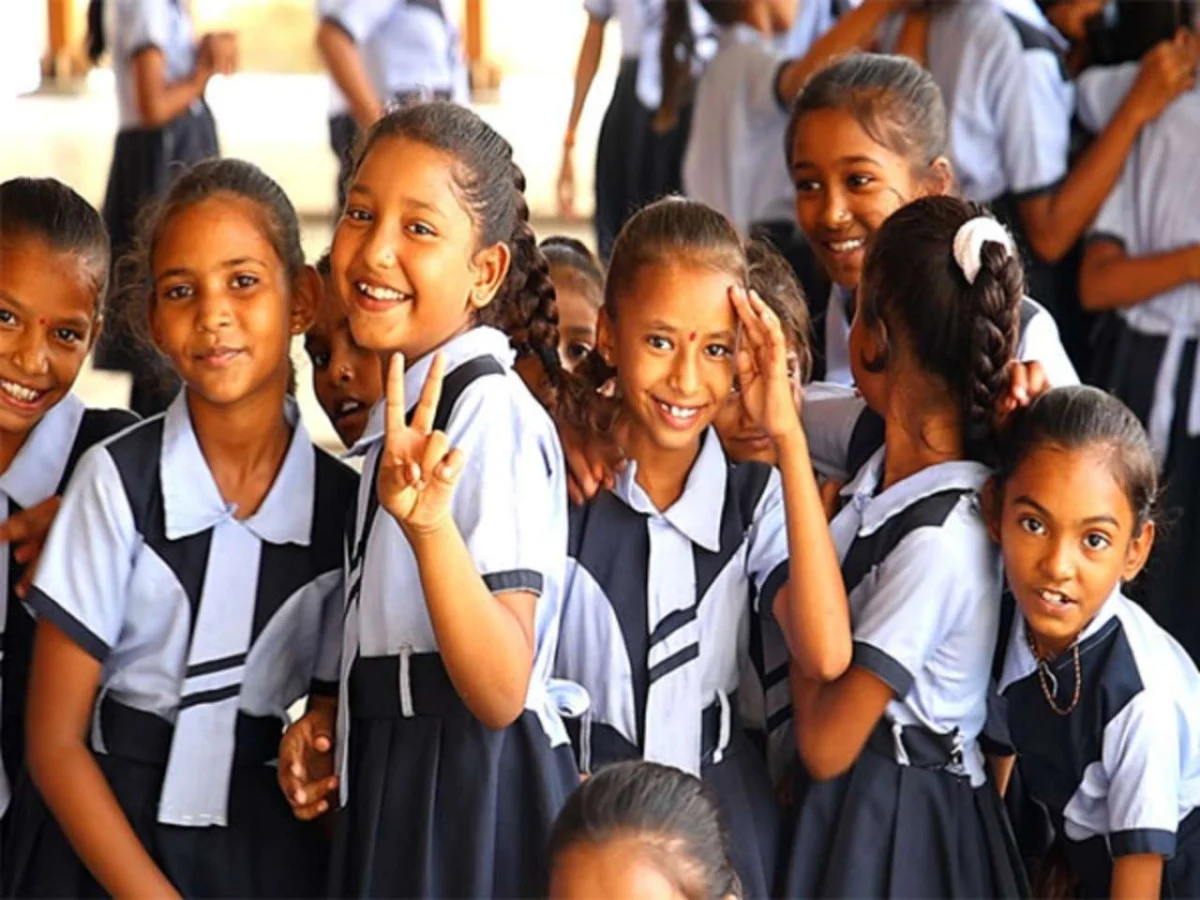
New Delhi, India – Educational institutions across a significant number of Indian states are set to suspend classes on Friday, June 26, 2026, to commemorate Muharram, a profoundly significant month in the Islamic lunar calendar. The Government of India has officially designated this day as a gazetted holiday, prompting state governments and education authorities to issue directives for school closures. This nationwide observance is expected to impact not only academic institutions but also banks and government offices in various regions, potentially offering many individuals an extended weekend.
Muharram, the opening month of the Hijri calendar, is revered as one of the holiest periods for Muslims. Its observance is marked by a spectrum of religious practices, introspective reflection, and in many areas, solemn processions that commemorate historical events of deep spiritual significance. The timing of this year’s observance, falling on a Friday, is particularly noteworthy, as it may allow students and employees whose institutions observe a Saturday off to enjoy a three-day respite, facilitating personal travel plans and family engagements.
)
Understanding the Significance of Muharram
Muharram holds immense religious and historical importance within Islam. It is a period of mourning and remembrance, primarily centered around the tragic events of Karbala, where Imam Hussein, the grandson of Prophet Muhammad, and his companions were martyred in the 7th century. The first ten days of Muharram are particularly significant, culminating in Ashura, the tenth day. While Ashura is observed with fasting and prayer by many Muslims, the commemoration of Imam Hussein’s martyrdom is a central theme for Shia Muslims, often involving deeply emotional processions and gatherings.

The month itself is considered sacred, a time for spiritual renewal and a reflection on the values of justice, sacrifice, and compassion that Imam Hussein exemplified. The observance is not merely a religious ritual but a powerful reminder of historical struggles for righteousness and a call to uphold moral principles in contemporary life. The decision to observe a public holiday underscores the cultural and religious diversity that enriches the Indian subcontinent and the nation’s commitment to accommodating the observances of its diverse citizenry.
)
A Comprehensive Look at the Holiday Schedule: State-wise School Closures
The nationwide gazetted holiday for Muharram on June 26, 2026, will translate into school closures in numerous states. While official notices have been disseminated by respective education departments, the following list provides an indicative overview of states where educational institutions are expected to remain shut:
)
- Uttar Pradesh: Students and educators in the most populous state of India will observe the holiday, impacting schools across its vast urban and rural landscapes.
- Maharashtra: This major economic hub will see its schools, colleges, and universities close their doors in observance of Muharram.
- Delhi: The National Capital Territory, a significant administrative and educational center, will also be observing the holiday, affecting numerous institutions.
- Telangana: Educational institutions in this southern state are scheduled for closure, aligning with the national observance.
- West Bengal: Schools and colleges in the eastern state will remain closed, allowing for the solemn commemoration of Muharram.
- Karnataka: This technologically advanced state will also participate in the nationwide holiday, with educational bodies announcing closures.
- Tamil Nadu: Schools across Tamil Nadu are expected to shut down to mark Muharram, a significant religious event for its Muslim population.
- Bihar: In this historically rich state, educational institutions will observe the holiday, allowing for participation in religious ceremonies.
- Andhra Pradesh: Similar to its neighboring state, Andhra Pradesh’s schools will be closed for Muharram.
- Madhya Pradesh: This central Indian state will also be observing the gazetted holiday, with educational institutions suspending classes.
- Chhattisgarh: Schools in this state will be closed, ensuring that students and staff can observe the occasion.
- Jharkhand: Educational facilities across Jharkhand will remain shut to mark Muharram.
- Jammu and Kashmir: Given the significant Muslim population and the historical importance of Muharram in the region, educational institutions will be closed.
- Tripura: This northeastern state will also be observing the holiday, with schools participating in the nationwide shutdown.
- Mizoram: While having a smaller Muslim population, Mizoram will also be adhering to the gazetted holiday, ensuring inclusivity.
It is crucial to note that while this list provides a broad overview, the precise holiday schedule can exhibit variations. In some instances, local administrations or specific school districts might issue their own directives, potentially leading to minor differences in observance dates or the scope of closures. Therefore, it is strongly advised that parents, students, and school staff consult official announcements from their respective schools, district education authorities, or state education departments to obtain the most accurate and up-to-date information regarding school closures for Muharram 2026.
)
Beyond the Classroom: Impact on Financial and Public Services
The observance of Muharram on June 26, 2026, is not confined to the academic sphere. The gazetted holiday status implies a broader impact on public life, with significant implications for the financial sector and government operations.
)
Banks and Financial Institutions: In alignment with the national holiday, banks across many of the aforementioned states are expected to remain closed. This means that banking services, including ATM operations (though often functional, some may be subject to limited replenishment), online banking, and branch transactions, will be unavailable on Friday, June 26. Customers are advised to plan their financial transactions accordingly, ensuring they complete any urgent banking needs before or after the holiday. This closure is a standard practice for gazetted holidays, ensuring that bank employees can also observe the occasion.
)
Government Offices and Public Services: Government offices at both the central and state levels are also anticipated to observe the holiday. This will likely lead to a temporary suspension of routine administrative services. While essential services are generally maintained during public holidays, many non-critical government functions will be paused. This could affect the processing of applications, issuance of documents, and other administrative tasks that rely on the physical presence of government officials. Normal operations are expected to resume on the following working day, Saturday, June 27, 2026, for institutions that observe a Saturday as a working day, or on Monday, June 29, 2026, for those with a weekend break.
)
The Extended Weekend Advantage
The fact that Muharram 2026 falls on a Friday presents a unique opportunity for many individuals. For students and employees whose institutions observe a Saturday holiday, this translates into a coveted three-day weekend. This extended break is likely to be a welcome prospect for families planning short getaways, visiting relatives, or simply engaging in personal rejuvenation. Travel and hospitality sectors might witness an uptick in bookings as people leverage the opportunity for a longer period of leisure. This confluence of a religious observance with a potential extended weekend highlights the intricate interplay between cultural calendars and societal routines in India.
)
Looking Ahead: Inclusivity and National Harmony
The nationwide observance of Muharram as a gazetted holiday is a testament to India’s commitment to religious freedom and its recognition of the diverse cultural tapestry that defines the nation. By acknowledging and accommodating significant religious events of its various communities, India fosters a sense of inclusion and national harmony. The closures serve as a reminder of the shared values of respect and understanding that underpin a multicultural society. As educational institutions and public services pause for this solemn occasion, it also provides an opportunity for reflection on the historical narratives and ethical principles that Muharram represents, contributing to a broader understanding and appreciation of Islamic heritage within the Indian context.
