New Delhi: The ongoing investigation into the NEET-UG 2026 examination scandal has taken a significant turn with the Central Bureau of Investigation (CBI) alleging that a coaching centre owner from Latur paid a staggering Rs 5 lakh to a member of the National Testing Agency’s (NTA) question-setting panel for access to leaked chemistry paper questions. The accusation, detailed in the CBI’s reply opposing the bail plea of an accused, Shivraj Raghunath Motegaonkar, points to a sophisticated and deeply entrenched leak operation that compromised the integrity of one of India’s most crucial medical entrance examinations.
Forensic analysis of Motegaonkar’s mobile phone has reportedly uncovered 36 photographs containing 132 handwritten chemistry questions. The CBI claims that an alarming 111 of these questions bear a direct match to the official master question sets meticulously prepared by the NTA for the NEET-UG 2026 examination. This revelation casts a dark shadow over the examination process and raises serious questions about the security protocols and vetting procedures within the NTA.
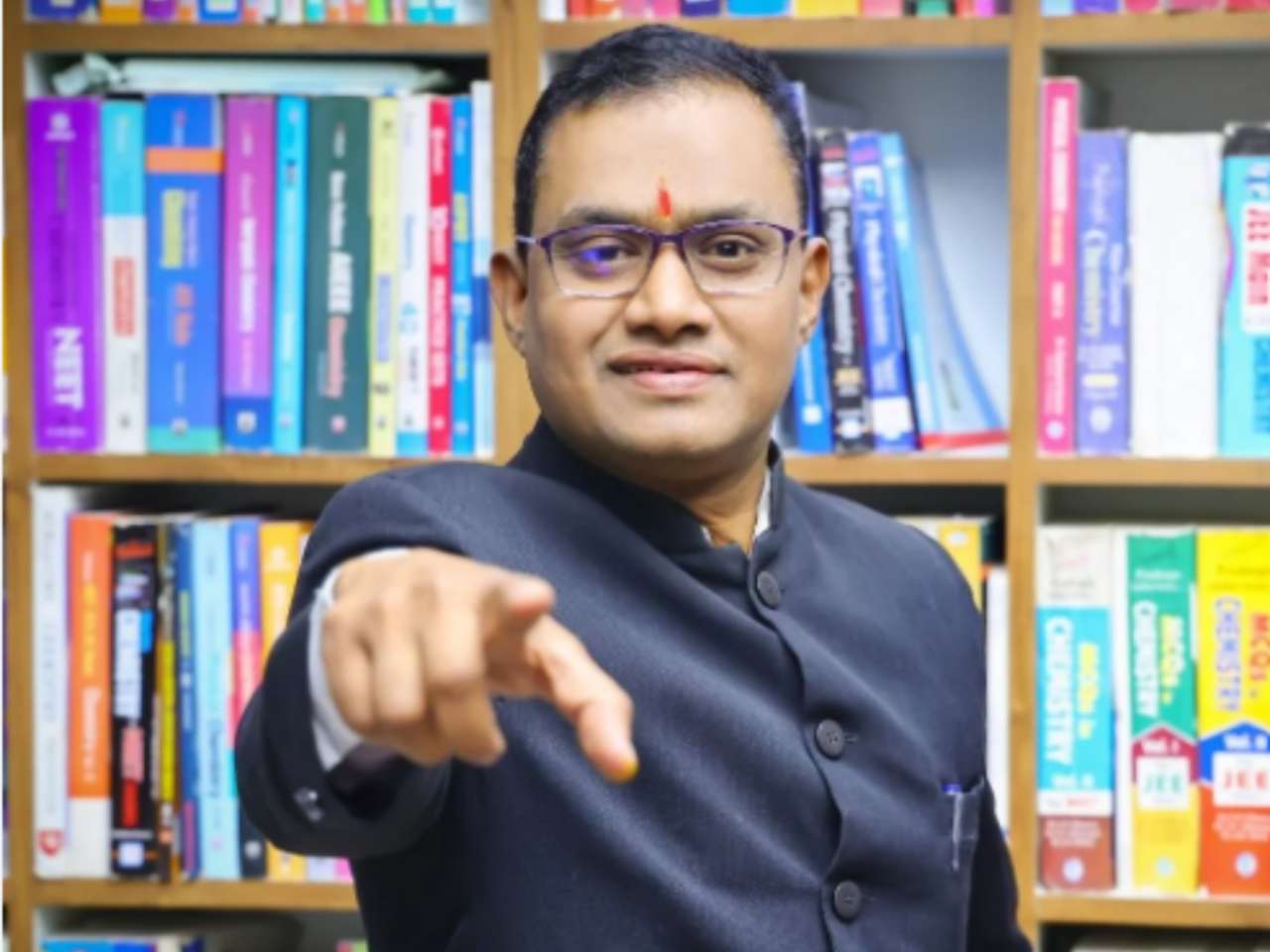
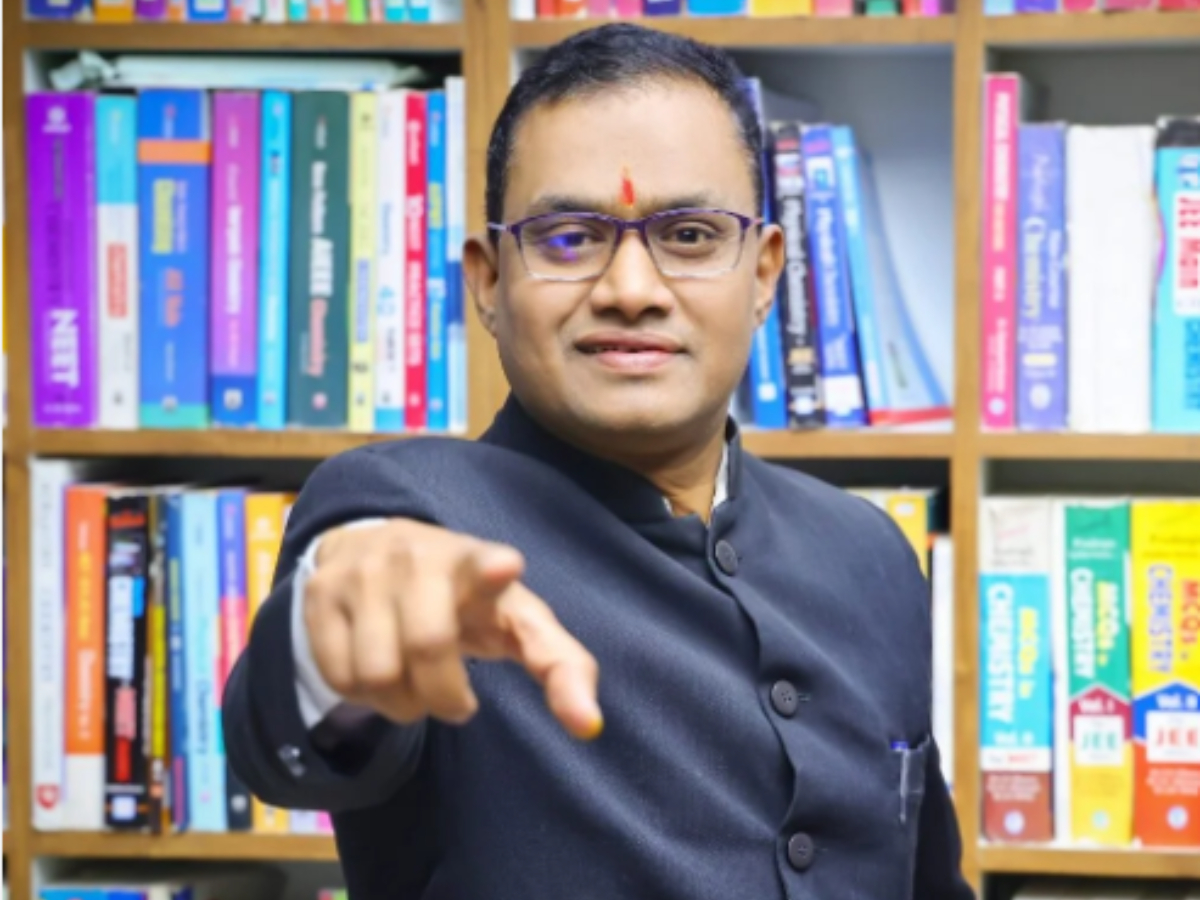
The CBI’s allegations suggest that Motegaonkar, the owner of a prominent coaching centre in Latur, a known hub for medical entrance exam preparation, received the leaked questions from a co-accused, P.V. Kulkarni, who is identified as a member of the NTA’s question-setting panel for chemistry. Investigators further contend that Motegaonkar not only received these questions but also actively transcribed them, creating the handwritten copies found on his phone. The payment of Rs 5 lakh is believed to have facilitated this illicit exchange of confidential examination material.
The timing of these alleged leaks is also a critical aspect of the investigation. Metadata recovered from Motegaonkar’s phone indicates that the images containing the handwritten questions were created approximately 10 days prior to the original NEET-UG 2026 examination, which was scheduled for May 3. This timeframe suggests that the leaked questions were in circulation well before the exam was conducted, providing ample opportunity for candidates to access and memorize them.
)
The investigation has further revealed a potentially significant familial connection that could have been exploited. The CBI has informed the court that Motegaonkar’s son was a student at Kulkarni’s coaching classes. It is alleged that the leaked questions were disseminated to students at these classes before the examination, implying a direct transfer of compromised material to aspiring medical professionals. This connection underscores the complex web of relationships that may have been leveraged to facilitate the paper leak.
The CBI has also claimed to have recovered the funds allegedly used to procure the leaked questions. This recovery was reportedly made at the instance of another co-accused, Manoj Bhagwanrao Shirure, indicating a coordinated effort involving multiple individuals in the financial transaction and logistical execution of the leak.
)
As of now, the CBI has arrested 13 individuals in connection with the NEET-UG 2026 paper leak. All the arrested accused are currently in judicial custody, facing stringent legal scrutiny. The agency’s robust investigation suggests a broader conspiracy that extends beyond a single individual, hinting at a network involved in the procurement, dissemination, and potential sale of leaked examination materials.
In the wake of the widespread allegations of a paper leak, the National Testing Agency (NTA) had no option but to cancel the original NEET-UG 2026 examination that was held on May 3. This decision, while necessary to uphold fairness, caused immense distress and uncertainty for millions of students who had prepared diligently for the exam. A fresh examination was subsequently conducted on June 21, with the NTA asserting its commitment to ensuring a transparent and equitable process for the re-test.

The Latur Connection: A Hub Under Scrutiny
Latur, a city in the Marathwada region of Maharashtra, has long been recognized as a significant centre for competitive exam coaching, particularly for medical and engineering entrance tests. The city hosts numerous coaching institutes, attracting students from across the state and beyond. While this ecosystem has historically provided valuable preparation resources for aspiring students, the recent allegations of a paper leak have cast a grim shadow over its reputation.
The involvement of a Latur-based coaching centre owner in such a large-scale examination scandal raises pertinent questions about the regulatory oversight and ethical standards prevalent within the coaching industry in the region. The CBI’s focus on Latur underscores the need for a thorough examination of the operations of coaching centres and their potential role in facilitating or even orchestrating exam malpractices.
)
Unraveling the Network: Key Accused and Their Alleged Roles
The CBI’s investigation has identified several key individuals allegedly involved in the NEET-UG 2026 paper leak. While Shivraj Raghunath Motegaonkar stands accused of paying for and obtaining the leaked chemistry questions, P.V. Kulkarni, an NTA panel member, is alleged to be the source of this confidential information. Kulkarni’s position within the NTA, responsible for setting the chemistry paper, makes his alleged involvement particularly damning, suggesting a betrayal of trust at the highest level of examination administration.
Manoj Bhagwanrao Shirure is another crucial figure, reportedly involved in the financial aspects of the leak, including the recovery of money used to procure the compromised material. The existence of multiple accused individuals, each with distinct alleged roles, points towards a well-organized criminal enterprise rather than isolated incidents of misconduct. The CBI’s methodical approach in tracing the money trail and identifying the chain of command is crucial in dismantling this network.
)
Forensic Evidence: The Digital Footprint of Deception
The forensic analysis of Shivraj Raghunath Motegaonkar’s mobile phone has provided compelling digital evidence that underpins the CBI’s allegations. The recovery of 36 photographs, containing 132 handwritten chemistry questions, and the subsequent matching of 111 of these questions with the official NTA question bank, is a significant breakthrough.
The metadata associated with these images, indicating their creation approximately 10 days before the exam, further strengthens the CBI’s case. This digital trail serves as a concrete testament to the pre-meditated nature of the leak and the timeframe within which the compromised material was circulated. Such evidence is vital in building a robust legal case against the accused and ensuring that justice is served.
)
The NTA’s Response and Future Safeguards
The cancellation of the NEET-UG 2026 examination and the subsequent re-examination on June 21 represent a significant disruption for the students. The NTA, under immense pressure, has assured the public of its commitment to maintaining the sanctity of its examinations. However, the recurring nature of such alleged paper leaks raises serious concerns about the efficacy of its existing security measures.
Following the NEET-UG 2026 scandal, it is imperative for the NTA to undertake a comprehensive review of its entire examination process. This includes:
)
- Strengthening Question Paper Security: Implementing more robust encryption and access control mechanisms for question papers during their creation, printing, and distribution.
- Enhanced Vetting of Panel Members: Conducting more rigorous background checks and continuous monitoring of individuals involved in question paper setting and examination administration.
- Advanced Technological Surveillance: Utilizing sophisticated technological tools to detect any anomalies or suspicious activities during the examination process.
- Whistleblower Protection Policies: Establishing and promoting effective channels for reporting irregularities and protecting whistleblowers from retaliation.
- Independent Audits: Commissioning regular independent audits of the NTA’s examination processes to identify vulnerabilities and recommend improvements.
The NTA must also address the systemic issues that may have contributed to the alleged leak, including potential internal collusion or oversight failures. Transparency in its operational procedures and a proactive approach to security are crucial to rebuilding public trust.
Implications for the Future of Medical Entrance Examinations
The NEET-UG 2026 paper leak scandal has far-reaching implications for the future of medical entrance examinations in India. It highlights the persistent challenges in safeguarding the integrity of high-stakes assessments and the sophisticated methods employed by those seeking to exploit the system.
)
The incident serves as a stark reminder that the pursuit of a medical career, often seen as a gateway to a secure and respected profession, can unfortunately attract fraudulent practices. The financial burden on students and their families, already significant due to coaching expenses, is further exacerbated by the prospect of repeated examinations and the emotional toll of uncertainty.
The CBI’s thorough investigation and the ensuing legal proceedings will be crucial in sending a strong deterrent message to future perpetrators. Furthermore, the NTA’s response, in terms of implementing stricter security measures and fostering a culture of accountability, will determine the credibility and fairness of future NEET examinations. The goal must be to ensure that only deserving candidates, who have earned their seats through merit and hard work, get the opportunity to pursue their dreams in the medical field. The integrity of the system rests on ensuring that the examination process is not only fair but also perceived as such by all stakeholders.