

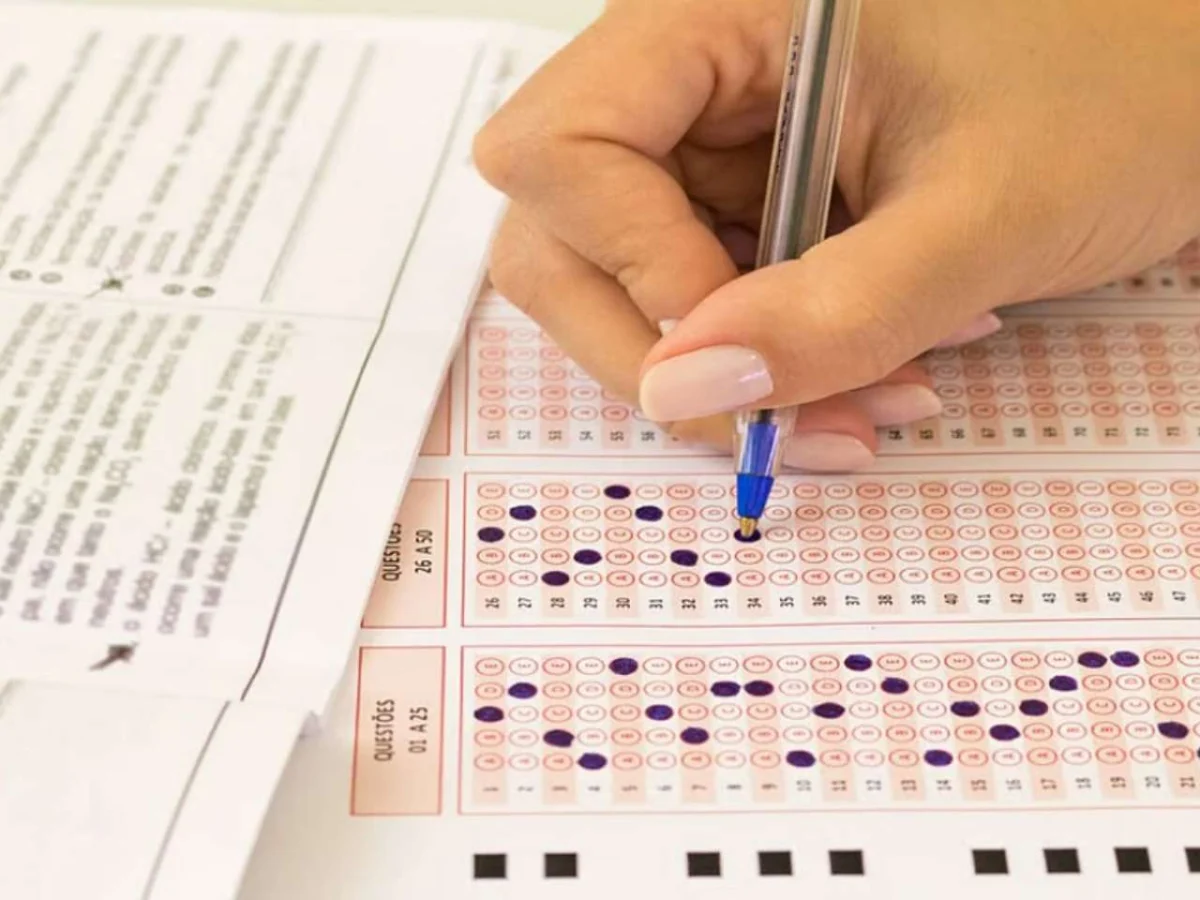
New Delhi: The National Testing Agency (NTA) has issued a stern warning to candidates and their parents participating in the NEET UG 2026 examination, alerting them against the submission of fraudulent or artificially generated Optical Mark Recognition (OMR) response sheets. The agency has flagged a disturbing trend of counterfeit OMR sheets being submitted for the scrutiny of results, underscoring a potential attempt to manipulate the outcome of the crucial medical entrance examination.
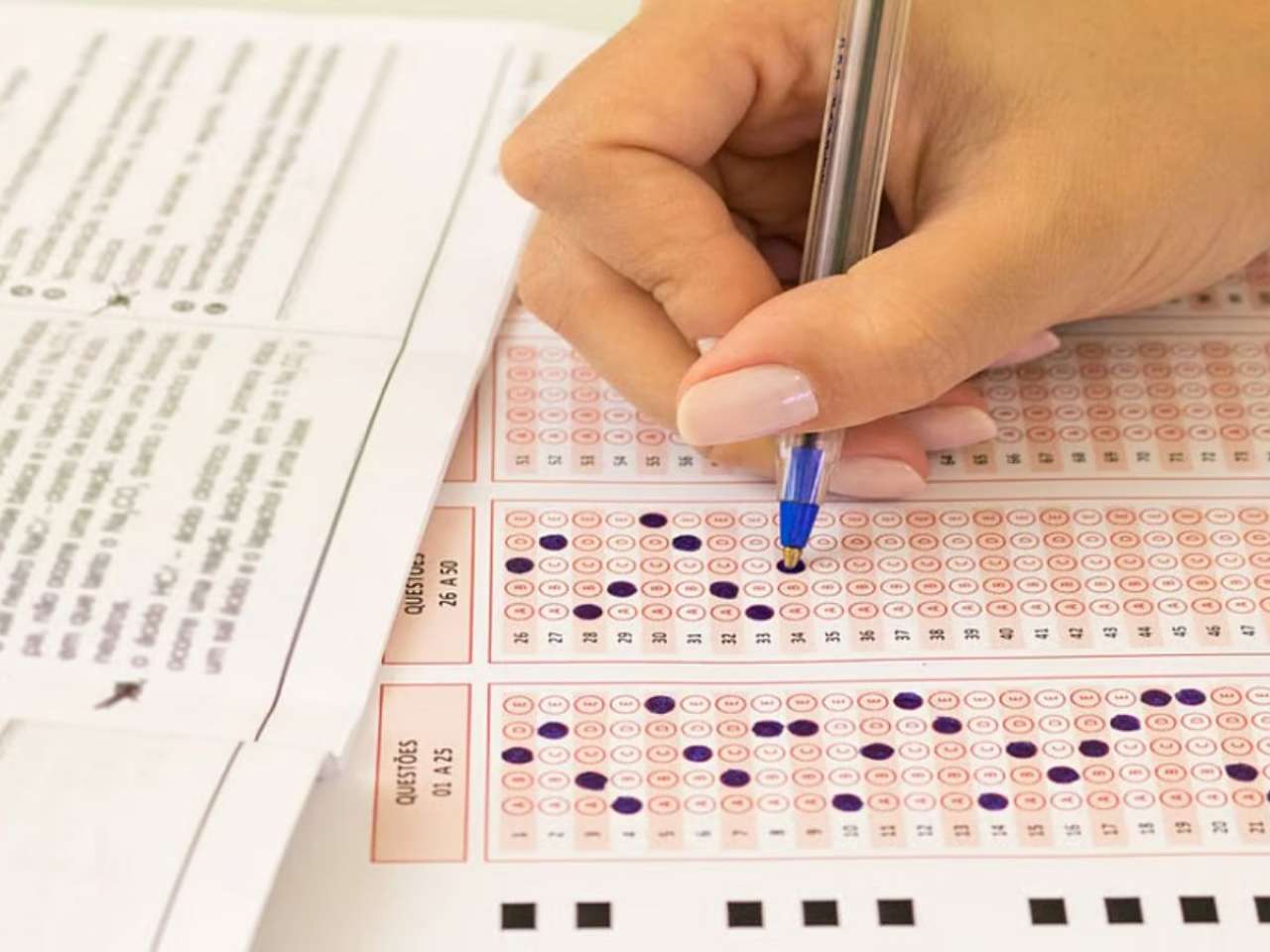
In a significant announcement made via its official social media channels, the NTA explicitly stated that only original OMR sheets, meticulously downloaded from authorized NTA platforms, will be accepted for verification. The agency has made it unequivocally clear that any individual found to be submitting fabricated documents, particularly those suspected of being AI-generated, will face severe repercussions, including the likelihood of legal action. This decisive stance aims to safeguard the integrity of the NEET UG examination process, which is pivotal for admissions into undergraduate medical courses across India.
)
Escalating Concerns: The Rise of Counterfeit OMR Sheets
The NTA’s alert comes in the wake of a surge in complaints from candidates and their guardians expressing discrepancies between their anticipated scores and the officially declared NEET 2026 results. While the agency is committed to addressing genuine grievances and ensuring transparency in the result verification process, it has identified a malicious undercurrent involving the submission of spurious OMR sheets.

A spokesperson for the NTA elaborated on the situation, stating, "We have received numerous complaints seeking scrutiny of NEET UG 2026 results. However, during our initial review, a significant number of the OMR sheets submitted alongside these complaints have been found to be either entirely fake or have been generated using artificial intelligence. This is a grave concern that directly impacts the fairness and credibility of our examination system."
)
The agency’s investigation has revealed that these counterfeit OMR sheets are often designed to appear superficially similar to the genuine documents, potentially misleading candidates into believing they possess evidence of errors in the NTA’s evaluation. However, advanced scrutiny methods employed by the NTA have consistently exposed the fraudulent nature of these submissions.
)
A Chronology of the Warning and its Context
The NTA’s warning was disseminated late Saturday, July 18, 2026, following the agency’s recent declaration of the NEET UG 2026 re-test results on July 16. This re-test itself was a consequence of a major paper leak scandal that necessitated the cancellation of the original examination conducted weeks prior. The swift turnaround in declaring the re-test results, with over 11.25 lakh candidates qualifying, highlights the NTA’s effort to restore normalcy.
)
The declaration of results on July 16 was preceded by the release of the final answer key for the retest, a move intended to provide further clarity and allow candidates to cross-verify their performance. It is within this context of heightened scrutiny and the aftermath of a significant examination disruption that the issue of fake OMR sheets has emerged.
)
The NTA’s official statement on X (formerly Twitter) read: "National Testing Agency (@NTA_Exams) is closely monitoring and scrutinizing all complaints. In the wake of many OMR sheets submitted for scrutiny turning out to be fake/AI generated, students and parents are advised to submit only original OMRs for scrutiny. Any fake / AI generated OMR may invite legal action against the complainant." This post, dated July 18, 2026, serves as the primary official communication regarding this matter.
)
Supporting Data and Evidence of Fraud
While the NTA has not released specific figures on the exact number of fake OMR sheets detected, the statement "many OMR sheets submitted for scrutiny turning out to be fake/AI generated" indicates a trend that cannot be ignored. The agency’s internal verification mechanisms are sophisticated enough to detect subtle anomalies that distinguish authentic documents from counterfeits. These could include:
)
- Inconsistencies in paper quality and printing: Genuine OMR sheets are printed on specific types of paper with precise ink specifications. Counterfeit versions may exhibit deviations in texture, weight, or ink composition.
- Digital watermarks and security features: Official OMR sheets often incorporate hidden security features or digital watermarks that are difficult to replicate accurately.
- AI-generated artifacts: Advanced AI algorithms can generate highly realistic images, but subtle patterns or imperfections may still betray their artificial origin when subjected to rigorous analysis. This could include inconsistencies in the simulated pen strokes or the subtle degradation of printed elements.
- Discrepancies in timestamps and metadata: If the "AI-generated" OMR sheets are digital forgeries, they might lack or possess falsified metadata, such as creation or modification dates, that would not align with the actual exam process.
The NTA’s proactive identification of these fraudulent submissions underscores their commitment to maintaining the sanctity of the examination process. The use of AI in generating such documents is a worrying development, reflecting the evolving nature of academic malpractices.
)
Official Responses and Stance of the NTA
The National Testing Agency has been unequivocal in its stance against the submission of fake OMR sheets. The warning is not merely a suggestion but a clear directive with the implicit threat of severe consequences.
)
The NTA spokesperson further emphasized, "Candidates who genuinely believe there might be an error in their NEET 2026 score should rely solely on the authentic documents that they have downloaded from our official website. We urge them not to resort to using any edited, manipulated, or AI-generated OMR sheets when filing their complaints. Such actions are not only unethical but also illegal."
)
The agency has also highlighted the importance of transparency and has encouraged candidates to utilize the official channels for any queries or concerns related to their results. The process of result scrutiny is a legitimate avenue for candidates to seek clarification, but it must be undertaken with integrity and adherence to established protocols.
)
The NTA’s warning also implicitly suggests that the agency is equipped to identify such fraudulent submissions and has the capability to initiate appropriate actions. This includes not only rejecting the scrutiny request but also potentially taking further action against the individuals involved.
)
Implications for Candidates and the Examination System
The NTA’s warning carries significant implications for both individual candidates and the broader examination ecosystem.
)
For Candidates:
)
- Deterrence from Malpractice: The threat of legal action serves as a strong deterrent against engaging in or abetting fraudulent activities. Candidates who might have considered submitting fake documents are now aware of the severe consequences.
- Emphasis on Authentic Documentation: The advisory reinforces the importance of relying on official sources for all examination-related information and documents. Candidates must be vigilant in downloading their OMR sheets and other relevant materials exclusively from NTA’s authorized platforms.
- Focus on Genuine Grievances: By cracking down on fake submissions, the NTA can dedicate more resources and attention to addressing genuine discrepancies and ensuring that candidates with legitimate concerns receive fair consideration.
- Risk of Legal Ramifications: For those who persist in submitting fake documents, the implication of legal action is substantial. This could range from disqualification from the current examination to being barred from future NTA examinations, and potentially facing criminal charges depending on the severity of the offense.
For the Examination System:
)
- Maintaining Integrity: The NTA’s decisive action is crucial for upholding the integrity and credibility of the NEET UG examination, which is a gateway to medical education for millions of aspiring students.
- Combating Evolving Fraud Tactics: The emergence of AI-generated documents highlights the need for continuous adaptation and enhancement of security measures by examination bodies. The NTA’s response demonstrates an awareness of these evolving threats.
- Setting a Precedent: This strong stance sets a precedent for future examinations, signaling that the NTA will not tolerate any form of academic dishonesty or manipulation.
- Building Public Trust: By actively addressing and exposing fraudulent practices, the NTA aims to build and maintain public trust in its examination processes, assuring candidates and their parents that the system is fair and robust.
The NTA’s stern warning against the submission of fake or AI-generated OMR response sheets for NEET UG 2026 is a critical step in safeguarding the integrity of the medical entrance examination. As the agency continues to scrutinize complaints and uphold its commitment to transparency, candidates are urged to act with honesty and diligence, ensuring that their pursuit of medical education is built on a foundation of ethical conduct and legitimate achievements. The future of medical admissions hinges on the fairness and reliability of these crucial examinations, and the NTA’s current stance is a testament to its dedication to these principles.
