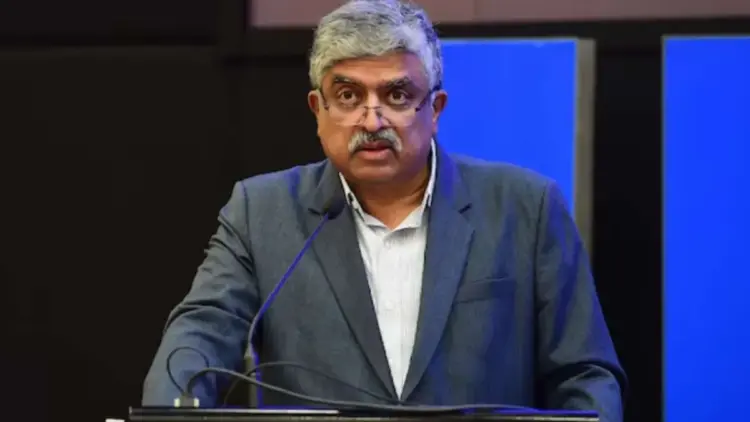
New Delhi, India – October 14, 2026 – In a bold proposition aimed at eradicating the pervasive issue of examination paper leaks, Nandan Nilekani, a luminary of India’s tech industry and co-founder of Infosys, has put forth a radical shift in how question papers are generated and administered. Speaking at the prestigious Bloomberg New Economy Forum 2026, Nilekani suggested leveraging Artificial Intelligence (AI) to create question papers on-demand, moments before an examination commences. This, coupled with a broader transition to computer-based testing (CBT), could fundamentally alter the landscape of high-stakes examinations in India.
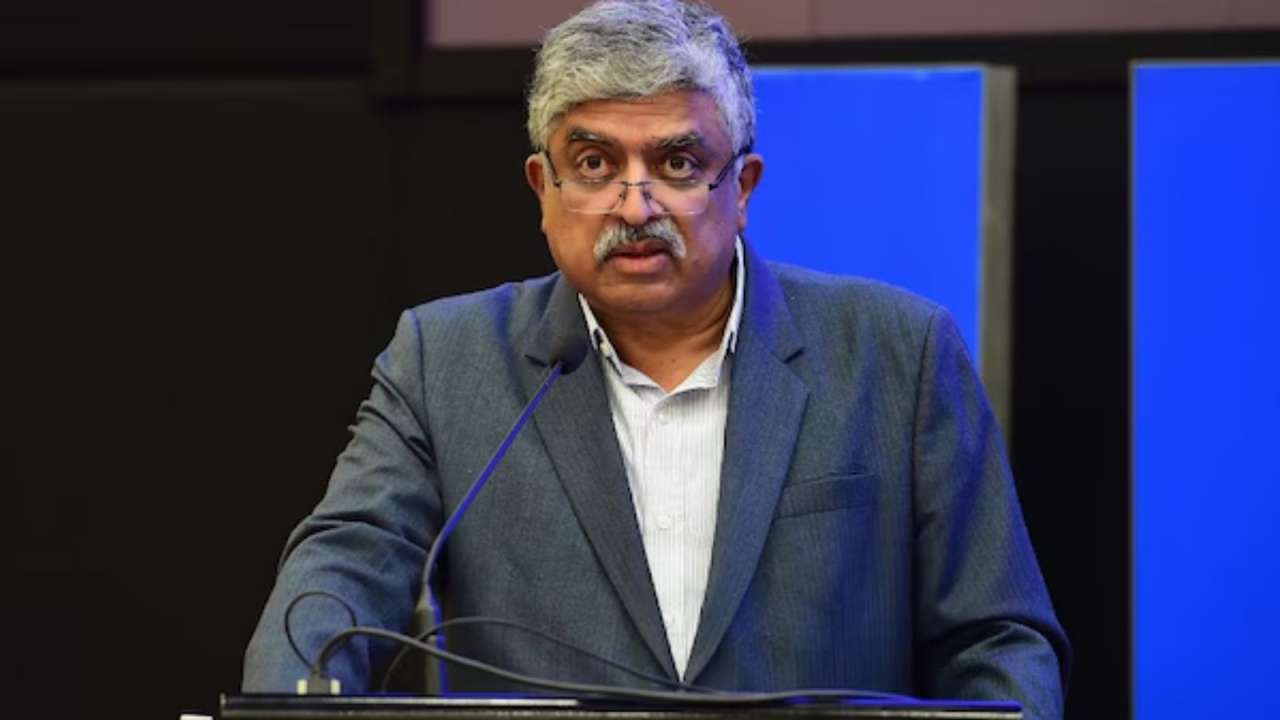
Nilekani, who is currently spearheading a six-member government task force on exam reforms, articulated his vision as a strategic countermeasure against the economic incentives that fuel paper leaks. His proposal directly addresses the vulnerability inherent in the traditional model of pre-printed, static question papers, which have become a persistent headache for educational institutions and aspiring students alike.
The AI-Driven Fortress: Generating Questions in the Eleventh Hour
The core of Nilekani’s proposal lies in the dynamic generation of question papers. He posited that the very existence of a predetermined "question paper" creates a lucrative market for illicit activities. "Why do we need to have something called ‘a question paper’?" Nilekani questioned, highlighting the inherent flaw in the current system. "Because that creates an economic incentive for it to be sold. One way to look at how to solve it is to have a massive bank of questions, and only at the last minute generate the question paper for the day."

This innovative approach envisions a vast repository of meticulously crafted questions, covering every conceivable topic and difficulty level within a syllabus. As the examination hour approaches, AI algorithms would be deployed to randomly select and assemble a unique set of questions, forming the paper for that specific examination. This would drastically reduce the window of opportunity for leaks, as the paper would essentially not exist in a tangible form until the very last moments.

While Nilekani acknowledged that this model would necessitate a robust digital infrastructure, he did not explicitly address the potential for the "massive question bank" itself to become a target for leaks or the possibility of AI-generated questions being susceptible to sophisticated hacking attempts. However, the underlying principle is to decentralize and anonymize the creation process, making it significantly harder to intercept and distribute leaked content. The sheer scale and randomness of AI-generated papers could render traditional leak networks obsolete.

The Digital Leap: Embracing Computer-Based Testing for Enhanced Security and Efficiency
Complementing the AI-driven question paper generation, Nilekani strongly advocated for a nationwide shift towards computer-based testing (CBT) for all major examinations. He revealed that the exam reforms task force is actively exploring the feasibility and implementation strategies for this transition. "The committee is looking at how to make sure all exams are done on CBT. That requires a network of locations," he stated, emphasizing the logistical requirements. "We have 1,50,000 locations where young candidates can take a test and that needs to be expanded."

The advantages of CBT extend beyond bolstering security against paper leaks. Computer-based tests offer several inherent benefits:

- Enhanced Security Features: CBT platforms can incorporate advanced security measures such as biometric authentication, secure browser environments that prevent copying and pasting, and real-time proctoring (both human and AI-assisted) to monitor candidate behavior.
- Instantaneous Results: Unlike traditional pen-and-paper exams, CBT can often provide immediate or near-immediate results, reducing anxiety for students and streamlining the admission process for institutions.
- Objective Scoring: Computer-based scoring is inherently objective and eliminates human error or bias in grading, particularly for multiple-choice or fill-in-the-blank questions.
- Accessibility and Flexibility: While this is a point of contention in the Indian context, well-designed CBT systems can offer features to accommodate candidates with disabilities, such as adjustable font sizes, screen readers, and extended time allowances.
- Reduced Environmental Impact: Eliminating the need for vast quantities of paper, printing, and transportation for exam materials contributes to a more sustainable examination process.
However, the transition to CBT is not without its challenges, particularly in a country like India with a significant digital divide. Nilekani’s statement did not elaborate on how the task force plans to address the logistical hurdles in areas with limited internet connectivity and disparities in digital literacy between urban and rural students. This remains a critical aspect that requires careful consideration and targeted interventions.

Addressing the Digital Divide: A Crucial Frontier
The success of Nilekani’s vision hinges on ensuring equitable access to testing infrastructure. The current reliance on existing examination centers, often equipped with basic amenities, would need a significant upgrade to accommodate widespread CBT. The National Testing Agency (NTA), which oversees many national-level entrance examinations, is reportedly collaborating with the All India Council for Technical Education (AICTE) to identify suitable IT infrastructure and government institutions that can be repurposed as standardized testing centers. This strategic partnership aims to leverage existing public assets and avoid potential integrity concerns associated with private testing centers.

The challenge of digital access is multifaceted. It involves not only ensuring reliable internet connectivity at testing venues but also providing adequate computing devices and training for students who may not be familiar with digital interfaces. Governments will likely need to invest in robust digital infrastructure development in remote and rural areas, potentially through public-private partnerships. Furthermore, comprehensive awareness campaigns and training programs will be essential to equip students with the necessary digital skills to confidently navigate CBT environments.

The Genesis of the Task Force: A Response to Mounting Pressure
The formation of the exam reforms task force itself is a direct consequence of the escalating crisis of paper leaks. The resignation of Union Education Minister Dharmendra Pradhan in July 2026, amidst widespread protests and public outcry over repeated leaks in high-profile examinations, underscored the urgency of the situation. The central government, recognizing the deep-seated systemic issues, promptly constituted the six-member panel, entrusting Nilekani with its leadership.

The task force has been mandated to submit its report within three months. In its short but intensive tenure, it has already engaged in substantial work, conducting 18 internal meetings and engaging with over 40 stakeholders, including students, parents, and various examination bodies such as the National Recruitment Agency (NRA), Staff Selection Commission (SSC), and Railway Recruitment Boards (RRB). This inclusive approach, gathering over 50,000 suggestions, aims to ensure that the proposed reforms are practical, widely accepted, and address the concerns of all parties involved.

The composition of the task force itself lends significant weight to its recommendations. Beyond Nilekani’s technological and administrative expertise, the panel includes distinguished individuals such as former ISRO chief S. Somanath and former Intelligence Bureau (IB) Director Tapan Deka, bringing a diverse range of perspectives on national security, technological implementation, and administrative efficiency.

Implications and the Road Ahead
Nandan Nilekani’s proposal represents a paradigm shift in examination management. If successfully implemented, it could usher in an era of increased integrity and fairness in academic and recruitment assessments. The implications are far-reaching:

- Restoration of Faith: A significant reduction in paper leaks would restore public trust in the examination system, ensuring that merit and hard work, rather than unfair means, determine candidates’ futures.
- Level Playing Field: By mitigating the advantage gained through leaked papers, the proposed reforms could help create a more level playing field for all aspirants.
- Modernization of Education: The push for CBT aligns with the broader digital transformation agenda, encouraging the adoption of modern technologies in education and administration.
- Economic Efficiency: While initial investments in infrastructure may be substantial, the long-term benefits of reduced leak-related costs and streamlined processes could lead to significant economic efficiencies.
- Global Benchmarking: India’s adoption of AI-driven and digitally-enabled examination systems could position it as a leader in educational innovation on the global stage.
However, the journey from proposal to implementation will be fraught with challenges. The successful navigation of the digital divide, the development of robust and secure AI algorithms, and the establishment of a widespread, reliable CBT network will require sustained political will, significant financial investment, and meticulous planning. The task force’s upcoming report will be eagerly awaited, as it will likely outline the detailed roadmap for this ambitious transformation. The success of Nandan Nilekani’s vision hinges not just on technological innovation but also on inclusive development and a commitment to ensuring that no student is left behind in this digital leap forward. The future of examinations in India may well be shaped by the intelligent integration of artificial intelligence and the unwavering pursuit of a more equitable and secure assessment system.