

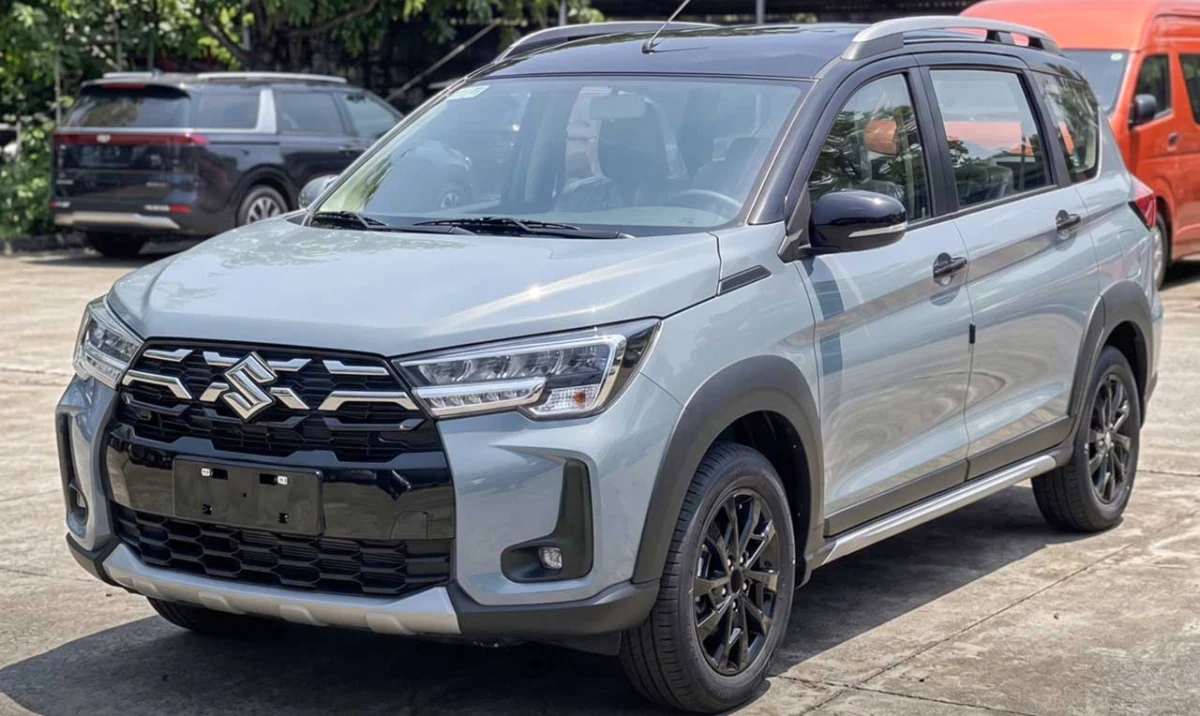
The global automotive landscape for Multi-Purpose Vehicles (MPVs) is undergoing a significant transformation, moving away from utilitarian designs toward more aggressive, SUV-inspired aesthetics. At the forefront of this shift is Suzuki, whose MPV portfolio—headlined by the Ertiga and its premium counterparts, the XL6 and XL7—has dominated markets across Asia. Recently, the automotive world was abuzz with new spy photographs emerging from Vietnam, revealing a major facelift for the Suzuki XL7. This development marks a pivotal moment for the brand as it seeks to maintain its competitive edge against rising rivals in the ASEAN region and potentially sets the stage for future updates in the Indian market.
Main Facts: The New Face of the XL7
The Suzuki XL7, essentially a seven-seater iteration of the India-spec XL6, is a cornerstone of Suzuki’s strategy in Indonesia, Vietnam, and Thailand. The latest spy shots captured during road testing reveal a comprehensive mid-cycle refresh aimed at modernizing the vehicle’s visual appeal and reinforcing its "crossover" identity.
Exterior Redesign
The most striking change revealed in the spy shots is the completely redesigned front fascia. While the current model features a split-grille arrangement (a larger upper grille separated from a smaller lower intake), the facelift adopts a more unified, singular grille structure. This new grille extends vertically across the height of the fascia, finished in a bold black plastic that gives the vehicle a more rugged, commanding presence.
A thick horizontal plastic element bisects the grille, designed to house the registration plate. Below this, a redesigned faux skid plate finished in silver adds to the SUV-esque styling. One of the more polarizing additions is the new chrome detailing at the top of the grille, which creates a "connected" visual link between the headlights. While this follows a global trend of horizontal light bars and connected elements, it represents a departure from Suzuki’s traditionally conservative styling.

Lighting and Wheel Updates
The LED headlight clusters appear to be carried over from the previous iteration, maintaining their sharp, technical look. However, the fog lights have been slimmed down and integrated into new, more aerodynamic housings. Industry experts suggest these could be upgraded projector units.
Moving to the side profile, the facelift introduces new alloy wheel designs. The test mules were seen sporting dual-tone black and chrome finishes, likely reserved for higher-spec trims, while entry-level variants may receive all-black wheels. At the rear, the changes are more subtle but impactful. The signature vertical LED tail lamps remain, but they now feature a "smoked" or darkened tint, providing a sportier aesthetic. Interestingly, the chrome garnish on the tailgate has been removed, signaling a shift toward a cleaner, more contemporary rear-end design.
Chronology: The Journey of the XL Series
To understand the significance of the XL7 facelift, one must look at the evolution of Suzuki’s MPV platform over the last decade.
- 2018-2019: The Birth of the Premium MPV: Following the success of the second-generation Ertiga, Suzuki identified a demand for a more "premium" and "rugged" version of the people mover. This led to the launch of the XL6 in India (via the Nexa dealership chain) and the XL7 in ASEAN markets. The primary difference was the seating configuration: the XL6 featured captain seats in the second row, while the XL7 offered a traditional bench to accommodate seven passengers.
- 2022: The Powertrain Update: Suzuki introduced the K15C DualJet engine with Smart Hybrid (SHVS) technology across its MPV range. This update also brought the 6-speed automatic transmission with paddle shifters, replacing the aging 4-speed torque converter.
- 2025: The "Silent" Refresh: In early 2025, Maruti Suzuki in India introduced subtle updates to the Ertiga and XL6. These were primarily functional, involving sheet metal adjustments at the rear to increase headroom for third-row occupants—a direct response to consumer feedback regarding long-distance comfort.
- 2026 (Projected): The Global Facelift: The recent spy shots in Vietnam indicate that the XL7 is ready for its most significant cosmetic overhaul since its inception. This facelift is expected to debut in Indonesia (where the model is manufactured) before rolling out to Vietnam and other export markets.
Supporting Data: Specifications and Performance
While the facelift focuses heavily on aesthetics, the mechanical underpinnings of the Suzuki XL7 are expected to remain consistent, leveraging the reliability of the HEARTECT platform.

Powertrain and Efficiency
The XL7 facelift will continue to be powered by the 1.5-liter K15C four-cylinder naturally aspirated petrol engine. This engine is celebrated for its balance of fuel efficiency and "fill-it-and-forget-it" reliability.
| Feature | Specification (Estimated) |
|---|---|
| Engine Type | 1.5L K15C DualJet Dual VVT |
| Max Power | 103 PS @ 6,000 rpm |
| Max Torque | 137 Nm @ 4,400 rpm |
| Hybrid System | SHVS Mild-Hybrid (Integrated Starter Generator) |
| Transmission Options | 5-speed Manual / 6-speed Automatic |
| Seating Capacity | 7 (2+3+2 configuration) |
Interior and Features
Inside, the XL7 facelift is expected to mirror the upgrades seen in recent Suzuki models like the Grand Vitara. This includes an updated 9-inch SmartPlay Pro+ touchscreen infotainment system with wireless Android Auto and Apple CarPlay. Given the competitive pressure in the Vietnamese market, there are rumors that Suzuki might introduce a 360-degree camera system and ventilated front seats—features already present in the India-spec XL6.
Official Responses and Market Positioning
As of now, Suzuki Indomobil Motor (Indonesia) and Suzuki Vietnam have not released an official statement regarding the exact launch date or pricing of the facelifted model. However, local dealership sources in Vietnam suggest a late 2025 or early 2026 reveal.
In India, Maruti Suzuki remains tight-lipped about whether this specific "aggressive" facelift will migrate to the XL6. Historically, Maruti Suzuki has maintained a distinct visual identity for its Indian models, often opting for more chrome and different bumper designs compared to their ASEAN counterparts. However, with the increasing "globalization" of Suzuki’s design language, it is highly probable that elements of this facelift will eventually influence the next major update for the Indian XL6.

Maruti Suzuki’s current focus in India remains on the "sheet metal" updates introduced in 2025, which prioritized interior volume. A company spokesperson previously noted that "continuous improvement based on customer feedback is the core of our product lifecycle management," hinting that visual refreshes are always on the horizon once the functional updates are bedded in.
Implications: What This Means for the Market
The emergence of the XL7 facelift carries several implications for the automotive industry and consumers alike.
1. The Crossover-MPV Convergence
The bold new grille and rugged styling of the XL7 facelift signify the death of the "boring" MPV. Suzuki is clearly positioning the XL7 as a viable alternative to mid-size SUVs. By blurring the lines between a family van and a rugged crossover, Suzuki is appealing to younger buyers who need the utility of seven seats but do not want to sacrifice style.
2. Competitive Pressure in ASEAN
In markets like Indonesia and Vietnam, the XL7 faces stiff competition from the Mitsubishi Xpander and the Honda BR-V. The Xpander, in particular, has set a high bar for futuristic styling. The XL7 facelift is a direct defensive maneuver to ensure that Suzuki does not lose market share to more "modern-looking" rivals.

3. The Indian Context: Will We Get the XL7?
One of the most frequent questions from Indian enthusiasts is whether Maruti Suzuki will finally launch a 7-seater version of the XL6 (effectively the XL7) in India. Currently, Indian buyers must choose between the 7-seater Ertiga (perceived as more utilitarian/taxi-friendly) and the 6-seater XL6 (perceived as premium).
There is a significant white space in the Indian market for a "Premium 7-seater" that sits below the Toyota Innova Hycross. While the Kia Carens currently occupies this space, a Maruti-backed XL7 could disrupt the segment by offering the brand’s legendary service network and resale value combined with a more rugged SUV stance.
4. Safety and Technology Expectations
With global safety norms tightening, there is speculation that the facelifted XL7 might see an expansion of safety features. While the HEARTECT platform provides a solid foundation, the addition of more airbags as standard and potentially Level 1 ADAS (Advanced Driver Assistance Systems) in certain markets could be the "X-factor" that keeps the XL7 relevant in 2026 and beyond.
Conclusion
The spied Suzuki XL7 facelift represents a calculated evolution of a proven formula. By doubling down on aggressive styling and refining the "crossover" aesthetic, Suzuki is ensuring that its flagship MPV remains a top contender in the high-growth markets of Southeast Asia. For India, while the 2025 updates have satisfied the immediate need for space, the visual changes seen on the Vietnamese test mules provide a tantalizing glimpse into the future of the XL6. Whether as a style-driven facelift or a new 7-seater variant, the XL series is poised to remain a dominant force in the family transport segment for years to come.
