

By Automotive Analysis Desk
The long-anticipated arrival of Tesla on Indian soil has transitioned from speculative headlines to a tangible, localized reality. However, rather than the high-decibel, disruptive entry many predicted, Elon Musk’s electric vehicle (EV) giant has opted for a surgical, measured approach. The introduction of the Tesla Model Y L, priced at ₹61.99 lakh, signals a profound shift in the company’s global strategy—one that prioritizes market-specific relevance over a "one-size-fits-all" product rollout.
In a landscape characterized by extreme price sensitivity, infrastructure bottlenecks, and a burgeoning appetite for chauffeur-driven luxury, the Model Y L is not merely a car; it is a calculated response to the unique socio-economic fabric of the Indian premium automotive segment.
Main Facts: Redefining the Model Y for the Indian Context
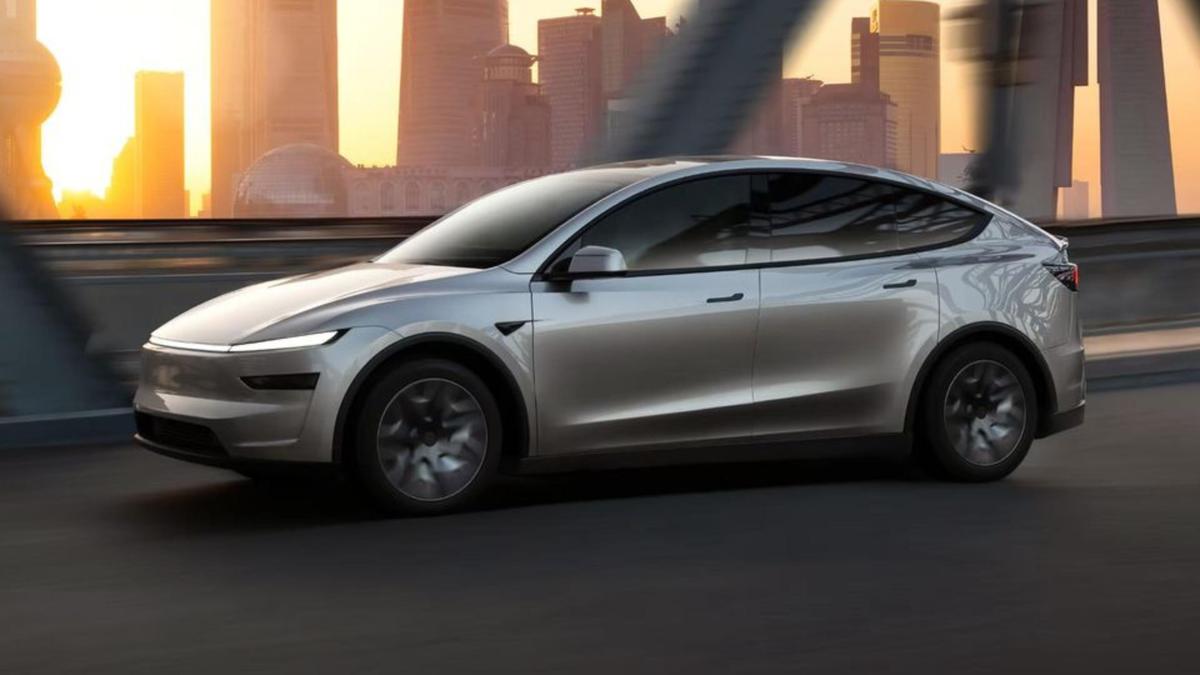
The Tesla Model Y L is a departure from the standard Model Y configuration seen in North American and European markets. While the global variant has long been the world’s best-selling vehicle, the "L" variant introduced to India focuses heavily on "usable luxury" and cabin flexibility.
The Six-Seat Revolution
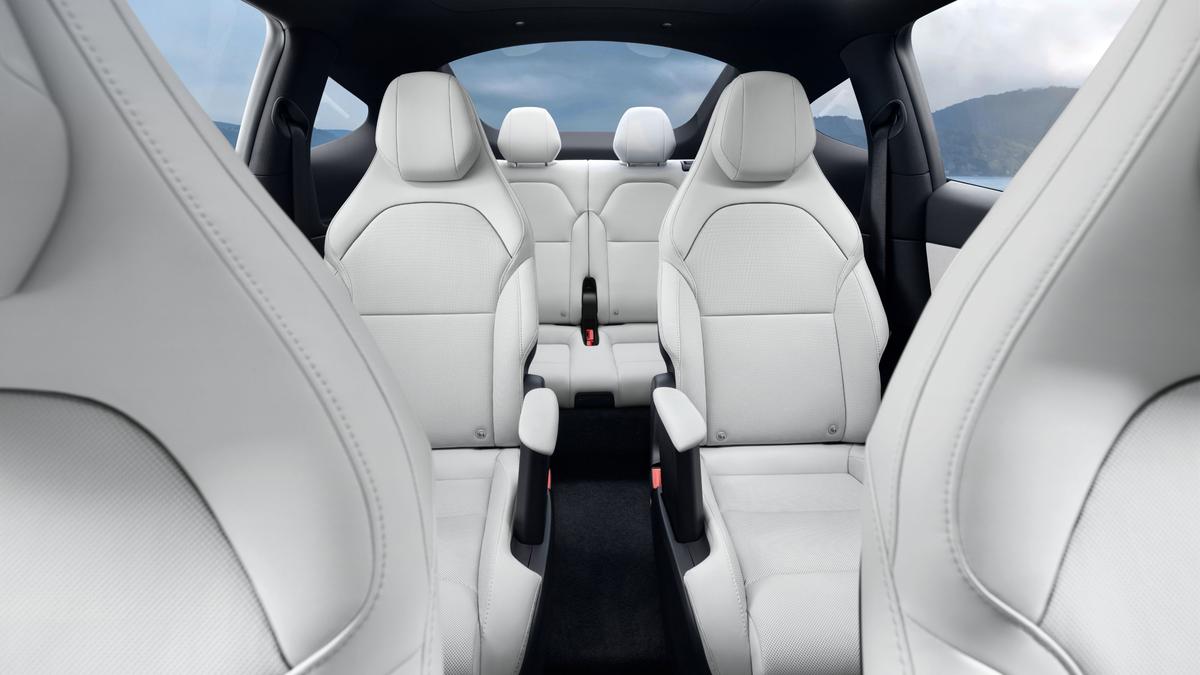
The most significant differentiator is the cabin architecture. Moving away from the traditional five-seat layout, the Model Y L adopts a three-row, six-seat configuration. This setup features second-row captain seats—a high-demand feature in India’s luxury SUV market. These seats are designed to cater to the "boss-seat" preference, offering:
- Climate Control: Integrated ventilation and heating.
- Ergonomics: Powered armrests and one-touch folding mechanisms for easy access to the rear.
- Third-Row Utility: Unlike many "5+2" SUVs where the third row is cramped, the Model Y L offers power-recline functions and dedicated climate vents for the rearmost passengers.
Performance and Range Metrics
Despite the focus on passenger comfort, the Model Y L maintains Tesla’s signature performance DNA. The All-Wheel Drive (AWD) variant delivers a 0-100 km/h sprint in a blistering 5.0 seconds. More importantly for the Indian buyer, the vehicle boasts a range of up to 681 km (WLTP cycle), effectively addressing "range anxiety"—the primary psychological barrier to EV adoption in the subcontinent.
Price Positioning
At ₹61.99 lakh, Tesla has positioned the Model Y L in a "sweet spot." It sits above the locally manufactured Hyundai Ioniq 5 but comfortably undercuts traditional luxury stalwarts like the BMW iX1 or the Mercedes-Benz EQB. This pricing strategy suggests that Tesla is leveraging India’s revised EV import policies, which offer lower customs duties for manufacturers committing to local investment.
Chronology: The Road to the Indian Launch
The journey of the Model Y L to Indian showrooms has been a multi-year saga of policy negotiations, infrastructure planning, and strategic pivots.

- 2021–2022: The Standoff: Tesla initially sought a reduction in import duties without a firm commitment to local manufacturing. The Indian government remained steadfast, insisting on "Make in India" before granting tax concessions.
- 2023: The Policy Pivot: High-level meetings between Tesla executives and the Ministry of Commerce led to a framework for a new EV policy. India signaled a willingness to lower duties to 15% for a limited number of imports, provided the OEM invests at least $500 million and achieves 50% localization within five years.
- Early 2024: Testing and Homologation: Reports emerged of Tesla testing various models at the ARAI (Automotive Research Association of India). It became clear that the Model Y, rather than the Model 3 sedan, would be the spearhead due to India’s preference for the SUV body style.
- Late 2024–2025: Infrastructure Seeding: Tesla began a quiet rollout of its Supercharger network, focusing on the "Golden Quadrilateral" and major IT hubs like Bengaluru, Pune, and Gurgaon.
- May 2026: Official Launch: The Model Y L is officially debuted, featuring the six-seat configuration specifically curated for the Indian market’s premium expectations.
Supporting Data: Technical Specifications and Market Analytics
To understand the Model Y L’s potential impact, one must look at the data that differentiates it from both its internal combustion engine (ICE) rivals and other EVs.
Dimensions and Cargo
- Maximum Cargo Capacity: 2,539 liters (with seats folded). This makes it one of the most practical vehicles in its class, capable of handling the heavy luggage requirements of Indian family "road trips."
- Acoustic Engineering: The Indian variant features double-glazed acoustic glass across all windows, a necessary addition to filter out the high ambient noise levels characteristic of Indian urban traffic.
The Ecosystem Data
Tesla’s entry is supported by a nascent but growing proprietary network:
- Superchargers: Currently 5 stations with 20 high-speed charging points.
- Wall Connectors: 14 locations at partner hotels and malls.
- Planned Expansion: Tesla aims to double this footprint every six months, focusing on intercity corridors like Mumbai-Pune and Delhi-Chandigarh.
Connectivity and Software
The Model Y L functions as a "software-defined vehicle." Data from Tesla indicates that Indian users prioritize infotainment:
- Audio: An 18-speaker system with a dedicated subwoofer.
- Streaming: Integrated support for Spotify, YouTube, and Netflix, utilizing Tesla’s Premium Connectivity suite.
- Live Visualization: Real-time traffic and satellite-view maps, which are critical for navigating India’s rapidly changing road infrastructure.
Official Responses: Tesla’s Vision for the Region
While Tesla’s corporate communication remains notoriously lean, the strategy behind the Model Y L reflects a clear internal mandate: "Localized Pragmatism."

Sources close to the company’s India operations suggest that the decision to launch the 6-seater variant was a direct result of focus group studies in Tier-1 Indian cities. "The Indian premium buyer does not view the car just as a tool for driving, but as a mobile living space," noted a consultant involved in the market entry strategy. "The inclusion of second-row captain seats was non-negotiable for a market where nearly 70% of luxury car owners are chauffeur-driven during the week."
Government officials have also weighed in on the entry. The Ministry of Heavy Industries released a statement welcoming the move, noting that "The entry of global EV leaders validates India’s Green Mobility mission. We expect this to catalyze the local component ecosystem, particularly in battery management systems and power electronics."
Tesla’s own mission statement for the Indian market emphasizes "accelerating the world’s transition to sustainable energy," but with the caveat that sustainability must not come at the cost of the luxury experience that Indian buyers at the ₹60-lakh-plus level demand.
Implications: A Catalyst for Change in the Indian Auto Sector
The arrival of the Tesla Model Y L at its current price point has several far-reaching implications for the Indian automotive industry.
1. Pressure on Legacy Luxury Brands
German manufacturers—Mercedes-Benz, BMW, and Audi—have long dominated the ₹60 lakh to ₹1.5 crore bracket. Tesla’s pricing puts the Model Y L in direct competition with entry-level luxury SUVs like the BMW X1 and Audi Q3. However, Tesla offers significantly more power, lower running costs, and a more advanced tech suite. This is likely to force legacy brands to accelerate their own EV roadmaps and reconsider their pricing structures.
2. The "Tesla Effect" on Infrastructure
Tesla’s Supercharger network, though small, sets a benchmark for reliability. In India, public charging is often plagued by downtime and slow speeds. Tesla’s "plug-and-charge" simplicity is expected to push local charging providers like Tata Power and Zeon to upgrade their user interfaces and hardware reliability to retain premium customers.
3. Shift in Consumer Perception
For years, EVs in India were viewed as secondary city cars (e.g., the Tata Tiago EV or MG Comet). The Model Y L, with its 681 km range and high-performance AWD system, positions the EV as a primary vehicle capable of cross-country travel. This shift in perception is vital for the mass adoption of electric mobility.
4. Supply Chain Maturation
As Tesla scales, its demand for local components will grow. This provides a massive opportunity for Indian Tier-1 suppliers to integrate into Tesla’s global supply chain. If Tesla eventually moves toward full-scale local assembly (CKD) or manufacturing (Giga India), it could transform India into a global hub for EV exports, much like the impact Suzuki had on the ICE segment decades ago.

Conclusion
The Tesla Model Y L is more than a new car launch; it is a litmus test for the Indian luxury market’s readiness to go electric. By choosing a configuration that respects local preferences for space and comfort, and a price that challenges the status quo, Tesla has moved beyond the "hype" phase into a phase of genuine market contention. In the high-stakes game of Indian automotive retail, Tesla’s measured, localized approach might just be the masterstroke that finally electrifies the subcontinent’s roads.
The Tesla Model Y L is currently available for order at a starting price of ₹61.99 lakh (ex-showroom).
