

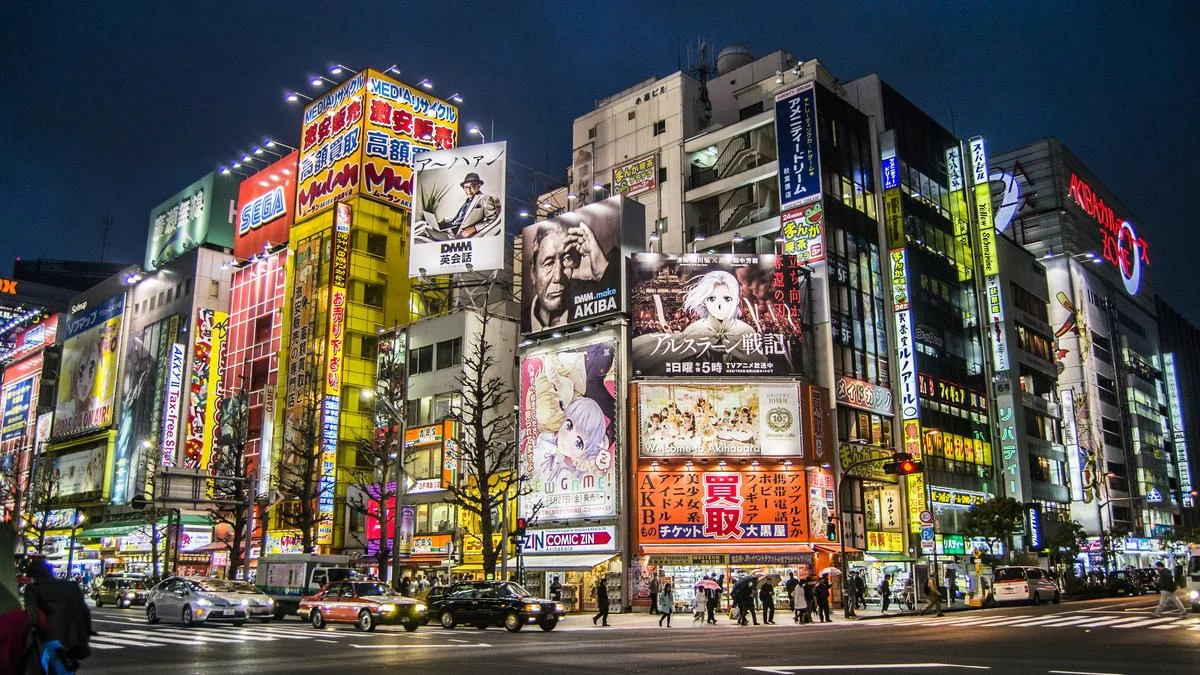
Tokyo is a city that defies simple categorization. It is often described as a heartbeat—elevated, rhythmic, and intensely alive. For the traveler with limited time, the Japanese capital presents a paradox: it is a sprawling megalopolis of nearly 14 million people, yet it offers profound pockets of "laidback bliss" and meditative silence. To experience Tokyo in 48 hours is not merely to sightsee, but to sensorially devour a landscape where 7th-century temples stand in the shadow of glass-and-steel monoliths.
This report explores the curated 48-hour itinerary of a modern traveler, centered in the prestigious Otemachi district, and examines the cultural and economic factors that make Tokyo a perennial leader in global tourism.

I. Main Facts: The 48-Hour Micro-Stay
The modern "bleisure" (business and leisure) traveler increasingly seeks high-impact, short-duration experiences. This itinerary focuses on three core pillars:
- Luxury Hospitality: Utilizing the Four Seasons Hotel Tokyo at Otemachi as a strategic base for its proximity to the Imperial Palace and the financial district.
- Cultural Synthesis: Balancing the "Old Tokyo" of Asakusa with the "Digital Tokyo" of teamLab Planets.
- Gastronomic Excellence: Navigating the spectrum from "konbini" (convenience store) snacks to Michelin-starred French-Japanese fusion.
II. Chronology of a Tokyo Immersion
Day 1: Tradition, Transit, and Tech
09:00 – The Otemachi Awakening
The journey begins on the 39th floor of the Four Seasons Otemachi. In Tokyo, luxury is often defined by verticality. Waking up to a view of Mount Fuji—the "prima donna" of the Japanese landscape—is a rare privilege facilitated by the hotel’s floor-to-ceiling windows. Breakfast at Pigneto provides a panoramic view of the Imperial Palace gardens, offering a visual summary of the city’s history before the day’s exploration begins.

11:00 – The Spiritual Gates of Asakusa
The transition from the sterile, quiet halls of Otemachi to the frenetic energy of Asakusa is immediate. Nakamise Street, a 250-meter approach to the Senso-ji temple, serves as a sensory gauntlet. Here, the air is thick with the scent of ningyo-yaki (red bean-filled cakes) and the sound of tourists browsing for traditional fans and handcrafted chopsticks.
12:00 – Senso-ji and the Ritual of Purification
Passing through the Kaminarimon (Thunder Gate), visitors encounter the iconic 700-kilogram red chochin lantern. The ritualistic heart of the district remains the large incense urn in front of the temple, where visitors "wash" themselves in smoke for purification. This intersection of deep-rooted Shinto-Buddhist tradition and modern mass tourism defines the Asakusa experience.

14:00 – The Underground Culinary Economy: Tokyo Ramen Street
Lunch takes place in the basement of Tokyo Station, a subterranean labyrinth that handles millions of commuters daily. "Tokyo Ramen Street" is a curated collection of elite ramen shops. At Hirugao, the wait times—often exceeding 40 minutes—are a testament to the city’s obsession with culinary perfection. The "Chicken Shio Ramen," featuring eggs cured in premium tare sauce, represents the high-quality, high-efficiency dining that characterizes Tokyo’s transit hubs.
16:00 – Zen Respite at Kiyosumi Garden
To counteract the midday crowds, the itinerary shifts to Kiyosumi Garden. This "strolling garden" features massive stones sourced from across Japan and a central pond where turtles and herons coexist. It serves as a vital "urban lung," demonstrating the Japanese philosophy of Ma (the space between), providing a necessary pause in a 48-hour schedule.

19:00 – Digital Immersion at teamLab Planets
The evening moves toward the future. teamLab Planets in Toyosu is a "body immersive" art installation. Travelers wade through knee-deep water filled with projected koi fish and navigate rooms of infinite crystal lights. This attraction highlights Tokyo’s leadership in the "experience economy," where art, science, and technology blur.
21:00 – Global Mixology at Virtu
The day concludes at Virtu, currently ranked among the top 50 bars in the world. The cocktail program here is a sophisticated hybrid: French spirits meet Japanese seasonal produce. A signature drink—featuring fig, cognac, and Japanese black tea—encapsulates the city’s ability to import global concepts and refine them into something uniquely local.

Day 2: Retail, Royalty, and Refinement
09:00 – The Konbini Phenomenon
Day two begins with a "konbini" breakfast. In Japan, convenience stores like FamilyMart and Seven-Eleven are not mere gas stations; they are high-quality food depots. The "Famichiki" (fried chicken) and creamy egg sandwiches have achieved cult status globally, representing a democratic, accessible side of Tokyo’s food culture.
11:00 – The Imperial Heart
A visit to the Imperial Palace grounds offers a glimpse into the residence of the Emperor. The architecture is a study in Japanese Modernism, surrounded by ancient moats and stone walls. The 5-kilometer perimeter is a favorite for local runners, showcasing the city’s commitment to public green space and physical wellness.

13:30 – The Afternoon Tea Evolution
While traditional tea ceremonies remain vital, the "British-style" afternoon tea has been reimagined in Tokyo. At The Lounge in Otemachi, the "Orsay Impressionist Exhibition Afternoon Tea" turns gastronomy into art history. Savories and sweets are designed to evoke the paintings of Monet and Renoir, illustrating how Tokyo’s luxury hotels use seasonal themes to maintain local and international interest.
17:00 – Ginza: The Retail Cathedral
The late afternoon is dedicated to Ginza, Tokyo’s premier shopping district. From the 12-story Uniqlo flagship (complete with a flower stall and cafe) to the "Nippon Made" collection at Onitsuka Tiger, Ginza is a masterclass in retail theater. It balances global luxury brands with iconic Japanese department stores like Mitsukoshi and Matsuya, which have served as fashion arbiters for over a century.

19:00 – Est: The Michelin-Starred Finale
The culinary climax occurs at Est, a one-Michelin-star restaurant led by French Chef Guillaume Bracaval. The name stands for Emotion, Season, and Terroir. The nine-course omakase menu—featuring Miyazaki wagyu and Hokkaido cheese—demonstrates the "East meets West" philosophy that has made Tokyo the city with the most Michelin stars in the world.
21:00 – Yurakucho Yokocho: Under the Tracks
The final hours are spent in the "yokocho" (alleys) of Yurakucho. Located directly under the elevated train tracks, these narrow corridors are filled with neon-lit izakayas. Sipping umeshu (plum liqueur) as commuter trains rumble overhead provides the quintessential "Neo-Tokyo" aesthetic—gritty, vibrant, and unapologetically atmospheric.

III. Supporting Data: The Tokyo Tourism Surge
The 48-hour itinerary is supported by a robust recovery in the Japanese tourism sector. According to the Japan National Tourism Organization (JNTO), visitor arrivals in 2024 have surpassed pre-pandemic levels, with a significant increase in spending per capita.
| Category | Data Point |
|---|---|
| Michelin Status | Tokyo holds over 200 Michelin stars, the highest globally. |
| Transport Efficiency | Tokyo Station handles approx. 3,000 trains and 450,000 passengers daily. |
| Retail Density | Ginza’s land prices remain the highest in Japan, reflecting its retail prestige. |
| Cultural Heritage | Senso-ji, founded in 645 AD, attracts 30 million visitors annually. |
IV. Official Responses and Culinary Philosophy
In the context of Tokyo’s high-end hospitality, the philosophy of the service providers is paramount. Chef Guillaume Bracaval of Est emphasizes that "a good chef has to think like an artist," focusing on the terroir of Japan. By sourcing 95% of ingredients locally—from Okinawa peppers to Shizuoka blueberries—he aligns French technique with Japanese seasonal sensitivity (Shun).

Management at the Four Seasons Hotel Tokyo at Otemachi notes that the hotel was designed to be a "social hub" for the financial district, bridging the gap between high-stakes business and luxury leisure. The integration of bars like Virtu and restaurants like Pigneto into the city’s social fabric is a deliberate strategy to move beyond the "tourist bubble."
V. Implications: The Future of the "Short Stay"
The success of a 48-hour Tokyo itinerary suggests several implications for the future of travel:

- The Rise of Curated Efficiency: As global travelers become more time-poor, the demand for "all-in-one" locations—where one can sleep, dine at a Michelin-starred level, and view landmarks like Mt. Fuji without leaving the building—will increase.
- Technological Integration: Attractions like teamLab Planets prove that "Instagrammable" digital art is no longer a niche; it is a primary driver for international tourism, rivaling traditional temples in draw-power.
- Hyper-Localism: The fascination with "konbini" culture and "yokocho" dining indicates that modern travelers value "authentic" local experiences as much as high-end luxury. The future of Tokyo tourism lies in the seamless oscillation between these two worlds.
In conclusion, Tokyo remains a city of layers. Whether through the salty depths of a ramen bowl in a train station or the neon reflections in a Ginza puddle, the city rewards those who approach it with a sense of urgency. For the 48-hour traveler, Tokyo is not just a destination; it is an adrenaline shot of culture, cuisine, and commerce.
