

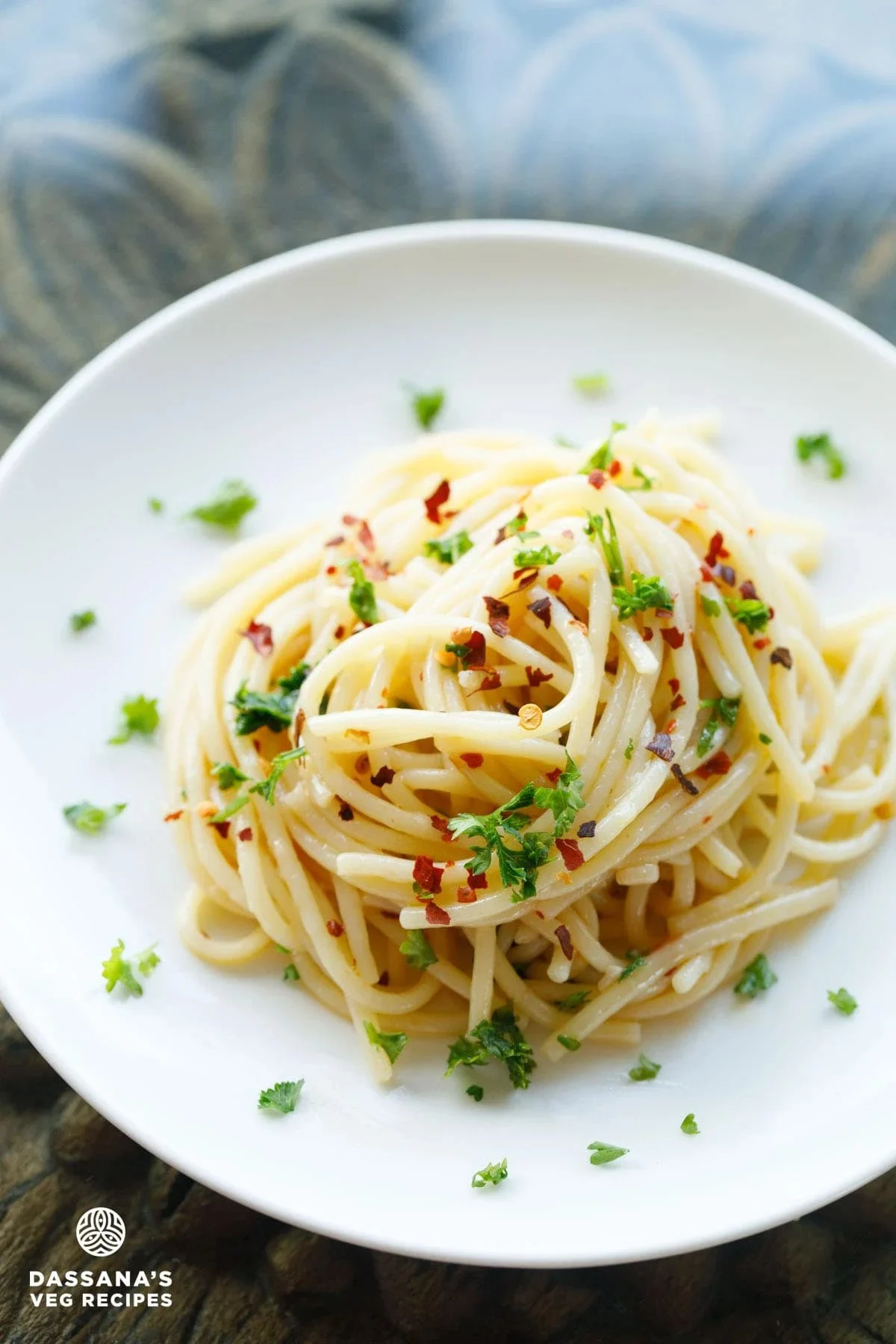
Main Facts: The Quintessential Neapolitan Staple
In the pantheon of Italian cuisine, few dishes command as much respect for their simplicity and elegance as Spaghetti Aglio e Olio. Originating from the sun-drenched coastal region of Naples in Southern Italy, this dish serves as a masterclass in culinary restraint. The name itself—literally translating to "spaghetti with garlic and oil"—belies the complexity of technique required to transform four or five humble pantry staples into a world-class meal.

Prepared traditionally with high-quality dried spaghetti, thinly sliced or minced garlic, premium extra virgin olive oil, and dried red chili flakes (peperoncino), the dish represents the heart of Italian home cooking. While it is often categorized as a "quick fix" or a "midnight pasta" due to its 20-minute preparation time, culinary experts argue that Aglio e Olio is the ultimate test of a cook’s skill. Because there is no heavy tomato sauce or cream to mask imperfections, the quality of each ingredient and the precision of the execution are paramount.

The dish’s enduring popularity lies in its balance. It offers a sensory profile that hits multiple notes: the pungent aroma of toasted garlic, the gentle heat of chili, the fruity richness of olive oil, and the fresh, herbaceous finish of parsley. In recent years, it has seen a resurgence in fine dining and home kitchens alike, celebrated as an antidote to overly processed and complicated modern recipes.

Chronology: From Neapolitan Poverty to Global Fame
The Roots of ‘Cucina Povera’
The history of Spaghetti Aglio e Olio is deeply rooted in the tradition of Cucina Povera, or "poor kitchen." Historically, in the rural and coastal areas of Southern Italy, expensive proteins like meat and cheese were luxuries. Resourceful cooks relied on what was readily available: wheat (pasta), olive groves, and home-grown garlic and peppers.

By the late 19th and early 20th centuries, the dish had become a fundamental part of the Neapolitan diet. It was the meal of the people—affordable, nutritious, and incredibly flavorful. As the Italian diaspora spread across the globe, they brought this minimalist philosophy with them, eventually introducing Aglio e Olio to the international stage.

The Modern Evolution
While the core components remain unchanged, the methodology has evolved. In the mid-20th century, the dish was often served "dry," with the oil simply tossed over the noodles. However, contemporary culinary science has refined the process. Modern chefs, including notable recipe developers like Dassana, have popularized the "emulsion technique." This involves utilizing starchy pasta cooking water to create a silky, unified sauce, bridging the gap between the oil and the pasta.

Timeline of Preparation
The journey from pantry to plate follows a strict chronological sequence to ensure optimal flavor extraction:

- Infusion Phase: The garlic is gently sautéed in olive oil at a low temperature to infuse the fat without scorching the aromatics.
- Boiling Phase: Spaghetti is cooked in salted water, stopped just before the al dente stage to allow for "carry-over cooking" in the pan.
- The Emulsion: Reserved pasta water is introduced to the oil, creating a light, shimmering sauce.
- The Integration: The pasta is tossed vigorously with the oil and water, absorbing the flavors into the starch.
- The Finish: Fresh parsley and optional garnishes are added at the final second to preserve their vibrant color and volatile oils.
Supporting Data: Nutritional Profile and Ingredient Standards
To achieve the results seen in professional kitchens, one must understand the data behind the ingredients. Spaghetti Aglio e Olio is a calorie-dense, energy-providing meal, largely driven by its healthy fat content.

Nutritional Breakdown (Per Serving)
A standard serving of this enriched recipe provides approximately 844 kcal. The macronutrient distribution is as follows:

- Carbohydrates: 95g (primarily from the durum wheat semolina in the spaghetti).
- Fats: 44g (with a significant 31g of monounsaturated fats from the olive oil).
- Protein: 17g.
- Micronutrients: The dish is surprisingly rich in Vitamin K (125 µg) and Vitamin A (802 IU), largely contributed by the fresh parsley.
The Science of Ingredients
- Extra Virgin Olive Oil (EVOO): Unlike refined oils, EVOO has a lower smoke point (around 375°F/190°C). Journalistic investigations into culinary standards suggest that for Aglio e Olio, the oil must be "cold-pressed" to maintain the polyphenols that provide its signature peppery finish.
- The Garlic Threshold: Culinary data suggests that the sweetness of garlic peaks when it reaches a light golden hue. Once it crosses into dark brown, the compound allicin breaks down into bitter-tasting sulfurous components, which can ruin the dish.
- The Starch Factor: The "liquid gold" of this recipe is the pasta water. Scientific analysis shows that as pasta boils, it releases amylopectin starch. When added to the oil, this starch acts as an emulsifier, allowing the oil and water to bind into a creamy coating rather than separating.
Official Responses: Insights from the Test Kitchen
Culinary experts and seasoned recipe developers provide critical "official" perspectives on how to elevate this dish from a basic meal to a gastronomic experience. Dassana, a prominent voice in vegetarian culinary arts, emphasizes that the "little details" are what define the dish’s success.

On the Importance of Texture
"The best texture comes from finishing the spaghetti in the pan with some reserved pasta water instead of simply tossing it with garlic-infused olive oil," the test kitchen reports indicate. This shift from a "tossed" pasta to a "pan-finished" pasta is a hallmark of professional Italian cooking. The starchy water ensures each strand is silky rather than oily.

On Flavor Profiling
While traditional recipes may call for a single clove of garlic, modern adaptations often lean toward a bolder profile. "I use a little more garlic than many traditional recipes because we enjoy its flavor," notes the culinary guidance. Furthermore, a crucial safety tip for the flavor profile is the timing of the chili flakes: they should be added after the heat is switched off to allow the residual temperature to bloom the spice without burning the delicate flakes.

On Serving Protocols
Official serving suggestions recommend immediate consumption. The dish is highly sensitive to temperature changes; as it cools, the emulsion can break, leading to a greasy mouthfeel. Experts suggest pairing the dish with light sides—such as a tomato soup or a crisp vegetable salad—to balance the richness of the olive oil.

Implications: The Cultural and Gastronomic Impact
The continued relevance of Spaghetti Aglio e Olio carries significant implications for the future of the food industry and home cooking trends.

The Minimalist Movement
Aglio e Olio is the vanguard of the "Clean Label" movement in home cooking. As consumers become increasingly wary of complex ingredient lists and processed additives, the return to a five-ingredient masterpiece reflects a broader cultural shift toward transparency and simplicity. It proves that culinary excellence does not require exotic ingredients, but rather a mastery of basic techniques.

Sustainability and Plant-Based Diets
As a naturally vegan dish (unless garnished with cheese), Aglio e Olio fits perfectly into the rising global demand for plant-based nutrition. Its reliance on shelf-stable dry pasta and long-lasting aromatics like garlic and dried chili also speaks to a more sustainable, low-waste approach to eating. It is a "pantry-to-table" solution that reduces the carbon footprint associated with fresh meat and dairy logistics.

Educational Value
For culinary students, Aglio e Olio remains the ultimate diagnostic tool. It teaches heat control, timing, and the physics of emulsion. The implication is clear: if a cook can master this dish, they possess the fundamental skills to tackle almost any recipe in the Italian canon.

Conclusion
Spaghetti Aglio e Olio is more than just a 20-minute recipe; it is a cultural artifact that has survived centuries of culinary shifts. By focusing on high-quality Extra Virgin Olive Oil, the careful golden-toasting of garlic, and the scientific application of starchy pasta water, anyone can recreate a piece of Naples in their own kitchen. It remains a testament to the fact that in the world of gastronomy, sometimes less truly is more.
