

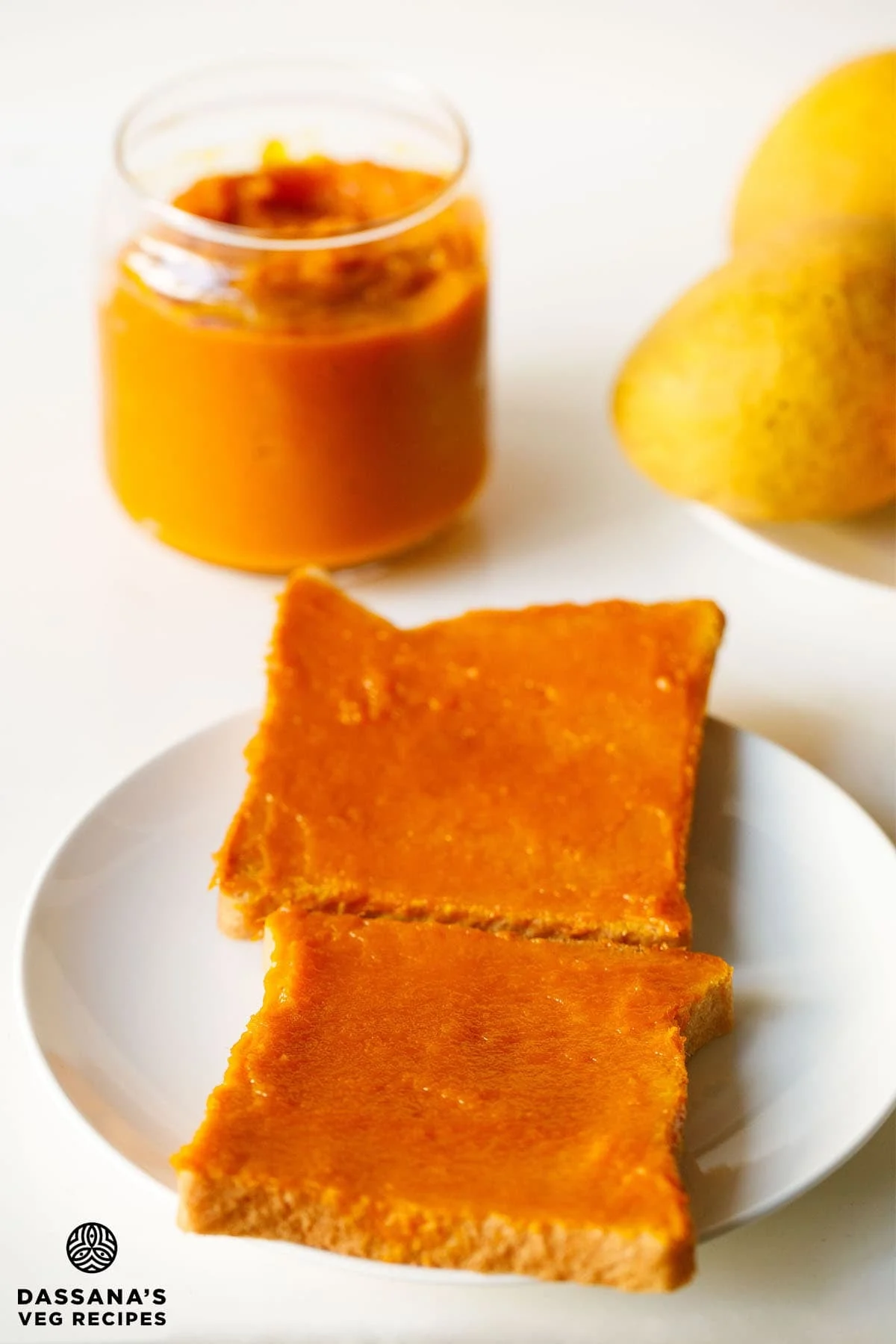
In an era increasingly dominated by ultra-processed foods and synthetic additives, a significant shift toward traditional food preservation is taking root in kitchens worldwide. At the forefront of this movement is the "King of Fruits," the mango, which serves as the centerpiece for one of the most sought-after seasonal delicacies: homemade mango jam. Unlike its commercial counterparts, which often rely on high-fructose corn syrup and artificial thickeners, the artisanal approach to mango jam emphasizes the fruit’s natural profile, utilizing a minimalist ingredient list of ripe mangoes, sugar, and lemon juice.
As mango seasons peak across the Indian subcontinent and tropical regions globally, culinary experts and home enthusiasts are rediscovering the nuances of the Alphonso and Kesar varieties. This resurgence is more than a culinary trend; it represents a commitment to the "slow food" movement, where the chemical properties of low-pectin fruits are balanced through precision cooking rather than industrial intervention.
Main Facts: The Anatomy of a Pure Fruit Preserve
The fundamental appeal of homemade mango jam lies in its purity. A standard artisanal batch typically requires approximately 1.15 kilograms of fresh fruit—roughly five medium-sized mangoes—to produce a yield that is rich in both flavor and nutrients.
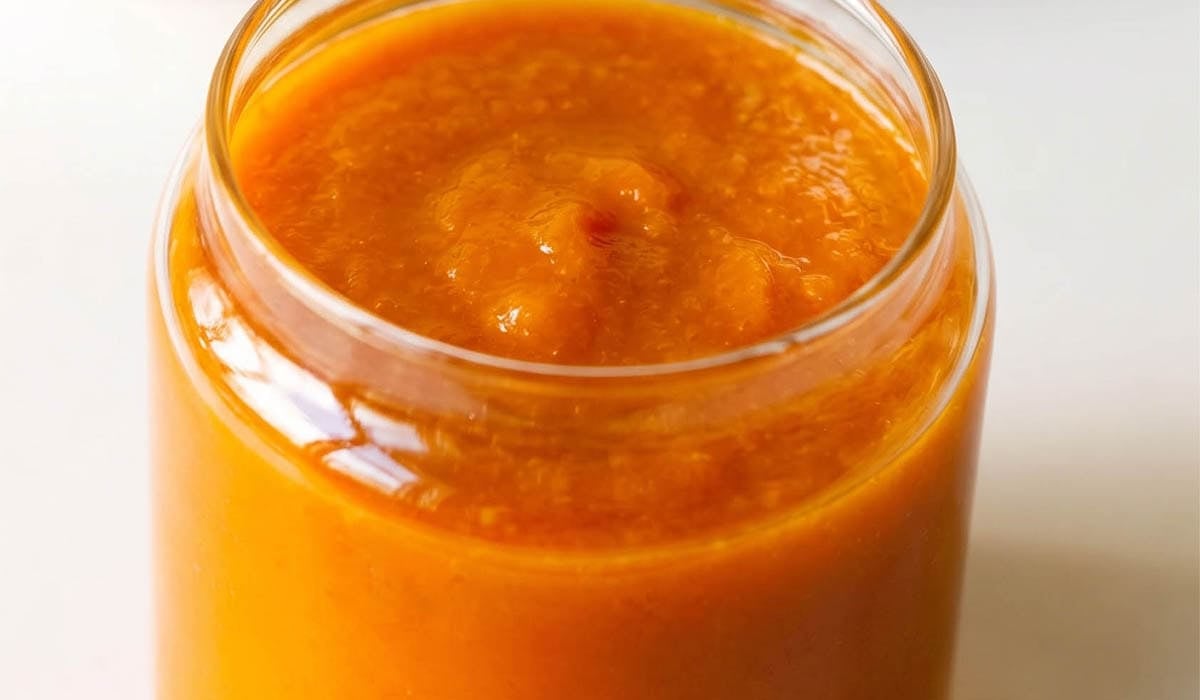
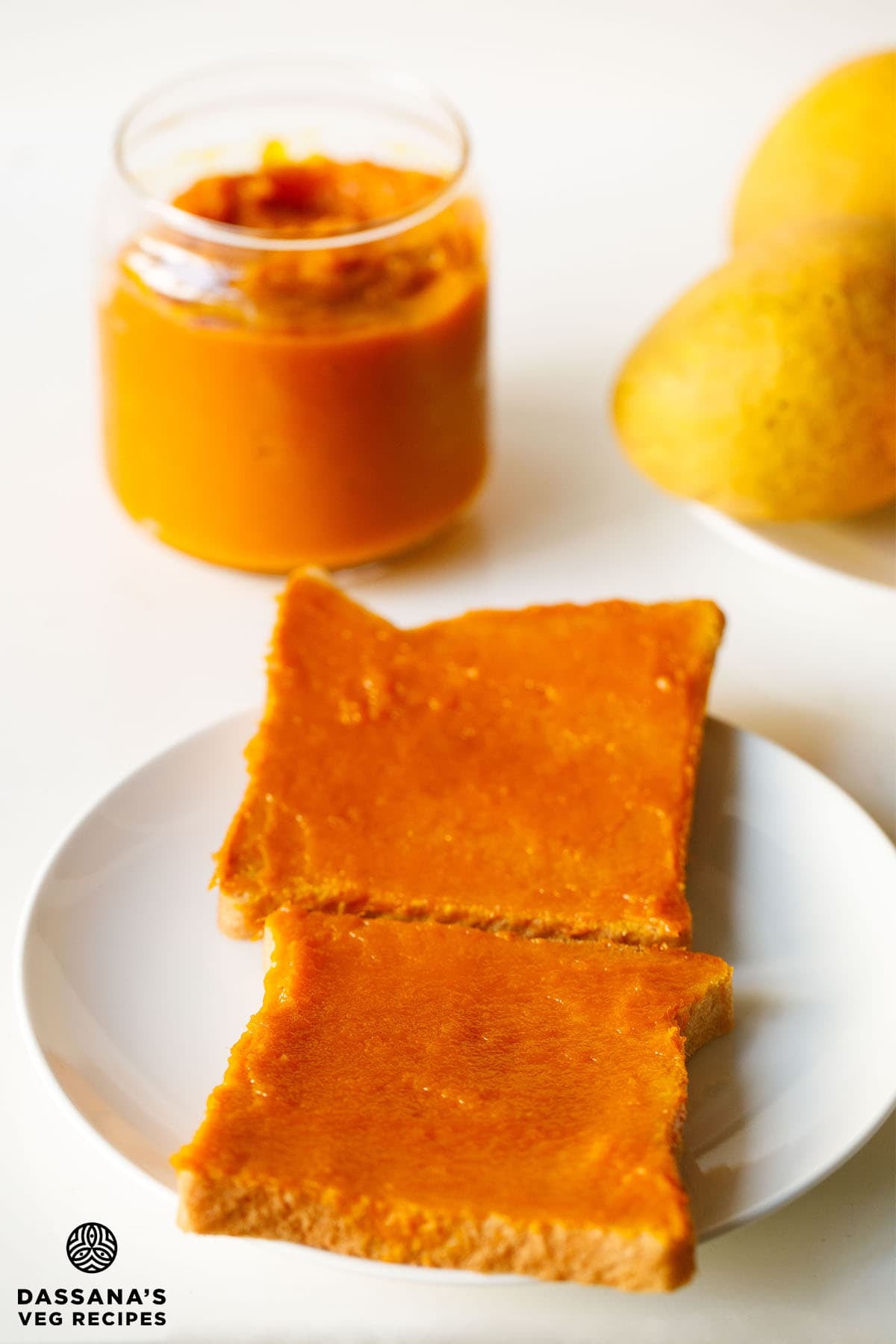
Technically, mango jam is classified as a "soft set" preserve. Unlike apples or citrus fruits, mangoes are naturally low in pectin, the polysaccharide that acts as a gelling agent. Consequently, the resulting jam possesses a spreadable, spoonable consistency rather than a rigid, jelly-like structure. This characteristic makes it a versatile component in modern gastronomy, serving as more than just a breakfast spread; it is increasingly utilized as a glaze for pastries, a swirl for artisanal cheesecakes, and a natural sweetener for yogurt parfaits.
From a nutritional standpoint, the homemade variant offers a dense profile of micronutrients. A standard serving contains approximately 145 mg of Vitamin C and 4140 IU of Vitamin A, alongside significant amounts of potassium and folate. While the sugar content remains high—necessary for both preservation and texture—the absence of sodium-based preservatives and artificial dyes makes it a preferred choice for health-conscious consumers.
Chronology: From Orchard to Jar
The production of high-quality mango jam follows a rigorous chronological sequence that balances temperature control with moisture evaporation.
Phase I: Selection and Pureeing
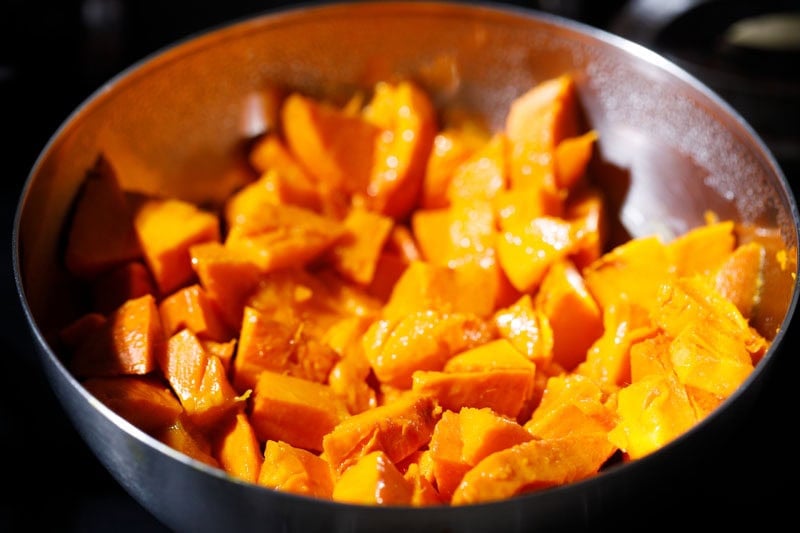
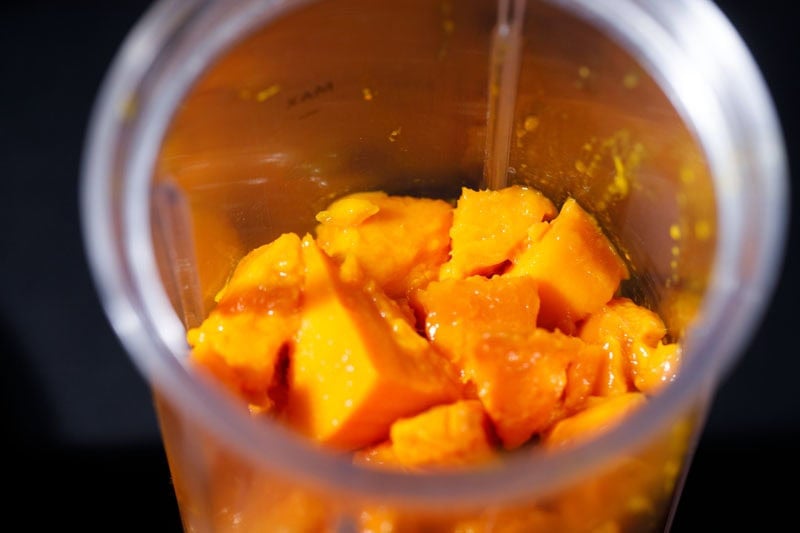
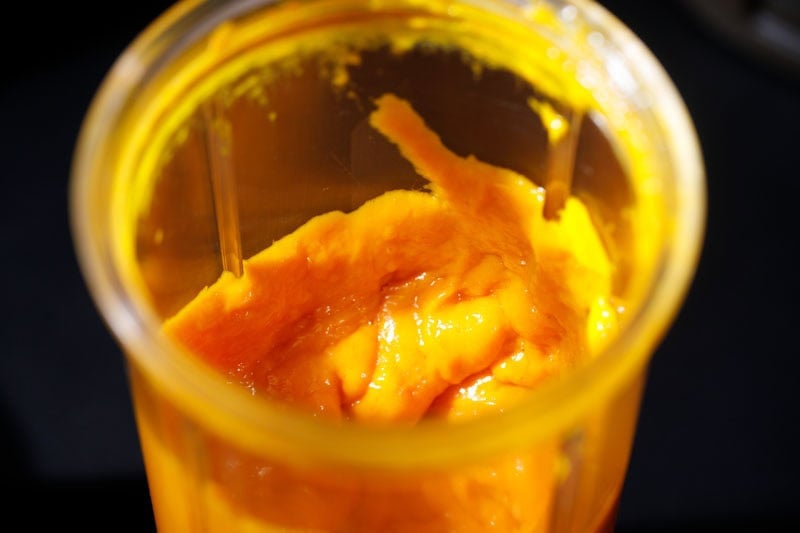
The process begins with the selection of peak-season fruit. While international varieties like Ataulfo, Kent, or Keitt are frequently used, the gold standard remains the Alphonso for its thick, non-fibrous pulp. Once peeled and chopped, the fruit is processed into a smooth puree. For a standard artisanal batch, three cups of pureed fruit are required to maintain the ideal sugar-to-acid ratio.
Phase II: The Thermal Interaction
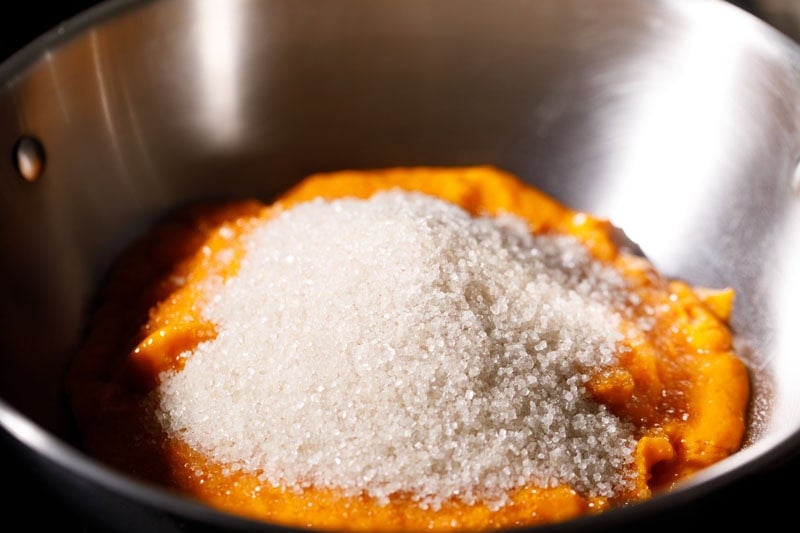
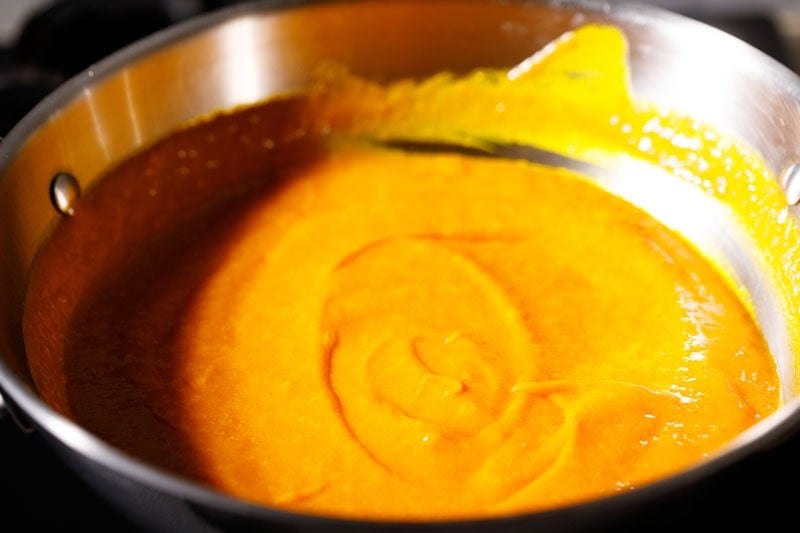
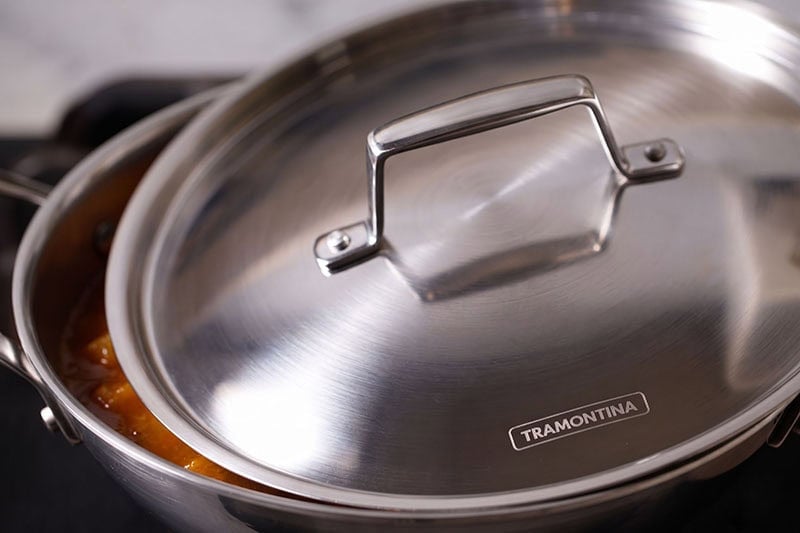
The puree is combined with sugar (typically 150 grams for every three cups of fruit) in a heavy-bottomed, deep-set pan. The sugar serves a dual purpose: it acts as a hygroscopic agent, drawing out moisture to concentrate the fruit’s essence, and it functions as a primary preservative. During the initial 15 to 20 minutes of cooking, the mixture enters a "spluttering phase." Because of the density of mango pulp, steam bubbles can become trapped, leading to aggressive eruptions. Professional chefs recommend using a partial lid or a mesh screen during this period to ensure safety while allowing steam to escape.
Phase III: Acidification and Final Set
As the mixture reduces and the spluttering subsides, the jam enters its final thickening stage. It is at this juncture that lemon juice is introduced. The addition of acid is a critical chemical step; it lowers the pH of the mixture, which helps the small amount of natural pectin present in the mango to bond more effectively. Following the addition of lemon juice, the jam is simmered for another 4 to 5 minutes until it achieves a glossy sheen and passes the "sheet test"—clinging to a spoon in wide drops rather than running off like syrup.
Phase IV: Stabilization and Storage
The final step involves the optional addition of aromatic enhancers, such as vanilla extract, after the heat is extinguished. The jam is then transferred while hot into sterilized glass containers. This "hot fill" method helps create a vacuum seal as the product cools, although the low-additive nature of this specific recipe dictates a refrigerated shelf life of approximately two weeks.
Supporting Data: The Chemistry of Consistency
To understand why mango jam behaves differently than strawberry or grape preserves, one must look at the biochemical data. Pectin levels in fruits are generally categorized on a scale from 1 to 3. Mangoes sit at a 1, meaning they require either added commercial pectin or a very specific cooking environment to set.
| Metric | Value (per 2-serving batch) |
|---|---|
| Total Weight of Fruit | 1.15 kg |
| Sugar Concentration | 128g |
| Vitamin C Content | 145 mg (approx. 160% DV) |
| Vitamin A Content | 4140 IU (approx. 80% DV) |
| Potassium | 660 mg |
| Fiber | 6 g |
The "Plate Test" remains the most reliable data point for home producers. By placing a small dollop of the hot jam on a chilled plate and tilting it, the cook can observe the flow rate. If the jam moves slowly and shows no sign of water separation, the moisture content has been successfully reduced to the 30-35% range required for a stable spread.
Official Responses: Culinary Experts on Safety and Technique
Culinary professionals emphasize that the simplicity of the recipe belies the precision required for food safety.
"The most common mistake in home jam-making is the attempt to reduce sugar below the functional threshold," says Dassana Amit, a noted culinary expert and developer of the mango jam protocol. "Sugar is not just a sweetener here; it is a structural component. It binds with the water molecules, preventing the growth of bacteria and molds that would otherwise spoil the fruit puree within days."
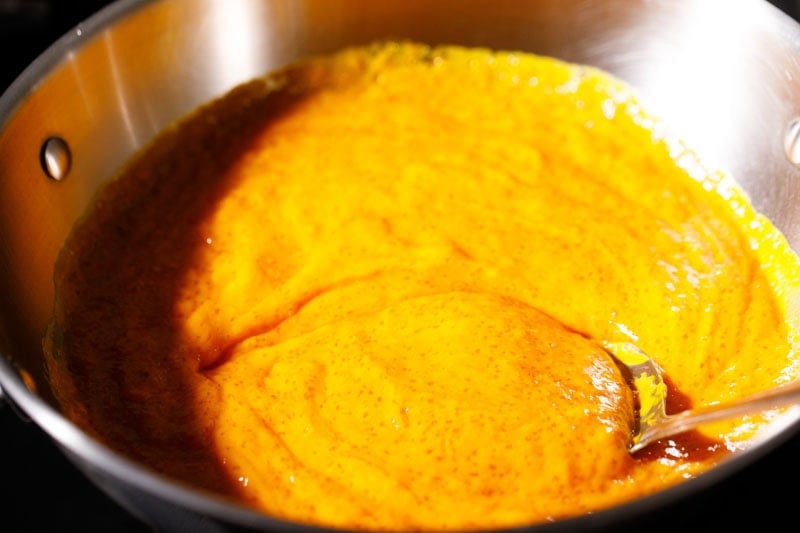
Furthermore, food safety specialists warn against the use of thin-bottomed pans. "Mango pulp is high in natural sugars, which caramelize and burn quickly," notes a spokesperson for the Artisanal Food Association. "The use of a heavy-gauge stainless steel or cast-iron pot is non-negotiable for distributing heat evenly. If the bottom scorches, the entire batch takes on a bitter, carbonized flavor that cannot be masked."
On the subject of varieties, international importers suggest that while the Alphonso is prized for its lack of fiber, the Kesar variety offers a more intense aroma that survives the boiling process better. For those outside of India, the "Ataulfo" or "Honey Mango" is recommended as the closest textural substitute due to its creamy, buttery flesh.
Implications: Sustainability and the Future of Home Preservation
The rise of the mango jam trend has broader implications for food sustainability and the global economy. In many tropical regions, mango "gluts"—periods of extreme oversupply—often lead to significant food waste, with up to 40% of the harvest spoiling before it reaches market. The promotion of home preservation techniques empowers local communities to convert perishable surpluses into value-added products with a longer shelf life.
Furthermore, there is a clear economic implication for the consumer. While high-end organic mango jams can retail for $12 to $15 per jar in boutique stores, the cost of producing a superior, additive-free version at home is a fraction of that price, even when accounting for the cost of premium fruit like the Alphonso.
The movement also signals a shift in consumer behavior. As more people master the "sheet test" and the "plate test," the reliance on industrial food chains diminishes. This "preservation literacy" fosters a deeper connection to seasonal cycles and encourages a more mindful approach to consumption.
In conclusion, the humble act of simmering mango puree with sugar and lemon juice is more than a kitchen project. It is a sophisticated exercise in chemistry, a nod to traditional culinary wisdom, and a practical solution to the modern demand for clean, nutrient-dense food. As the artisanal revival continues, the mango jam—with its vibrant color and soft, spreadable texture—stands as a testament to the enduring power of simple, high-quality ingredients.
