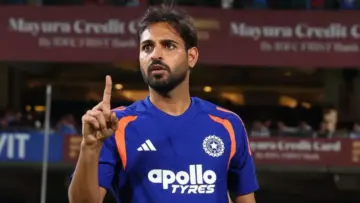
New Delhi, [October 18, 2026] – The cricketing world finds itself embroiled in a fresh wave of speculation and debate surrounding the enigmatic absence of veteran fast bowler Mohammed Shami. Following his unexpected exclusion from India’s squad for the upcoming multi-format tour of New Zealand, Shami has now opted to sit out Bengal’s second Elite Group C Ranji Trophy 2026-27 encounter against Services at the Palam A Stadium in Delhi. This double blow – a national snub followed by a domestic withdrawal – has cast a long shadow over the future of one of India’s most celebrated pace bowlers, prompting intense scrutiny from fans, pundits, and former cricketers alike.
Shami, who delivered an impressive four-wicket haul in Bengal’s Ranji Trophy opener in Kalyani, was conspicuously absent from the playing XI announced on Sunday, October 18. This decision is particularly perplexing given that the speedster is reported to be injury-free, suggesting a deliberate choice rather than a forced one. His omission from the national squad, despite a stellar track record and proven ability to perform on the biggest stages, had already ignited a firestorm of discussion. Now, his subsequent withdrawal from a crucial domestic fixture only deepens the mystery and amplifies concerns about his standing in the Indian cricketing landscape.
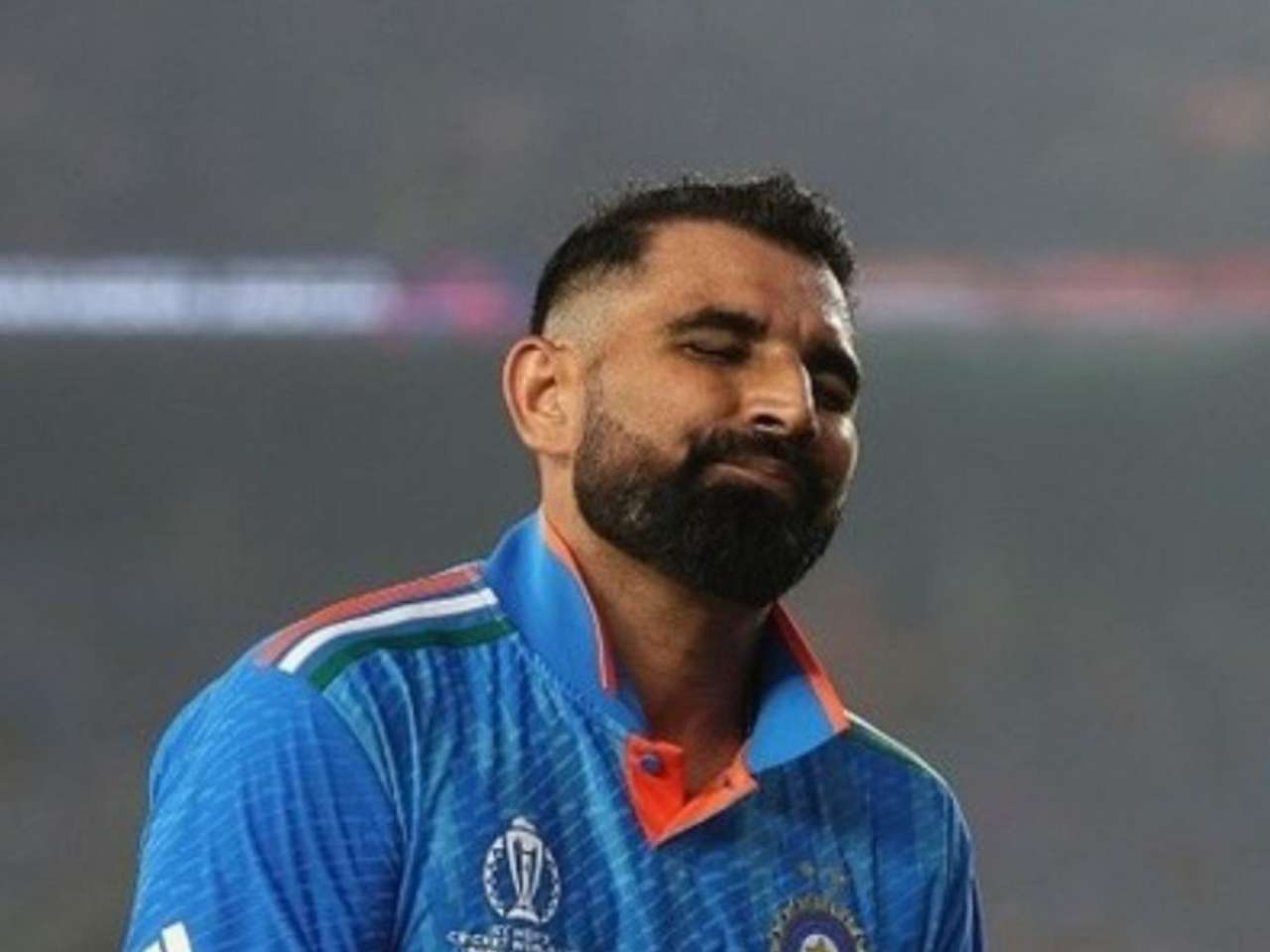
The situation is further complicated by the simultaneous call-ups of younger Bengal pacers, Mukesh Kumar and Akash Deep, to India A and senior national squads for the New Zealand tour. Their ascent highlights a potential generational shift in India’s fast bowling arsenal, inadvertently placing Shami’s future under an even harsher spotlight. Is this a strategic move by the selectors to blood new talent, or does it signal a more permanent shift away from the seasoned campaigner? The lack of official communication from the Board of Control for Cricket in India (BCCI) selection committee has only fuelled the rumour mill, leaving fans and analysts to piece together the fragments of an increasingly complex narrative.
Main Facts: A Confluence of Omissions and Aspirations
The current predicament surrounding Mohammed Shami is multifaceted, involving a confluence of individual decisions, national selection policies, and the dynamics of domestic cricket. At its core are two primary facts: Shami’s exclusion from the national squad for the New Zealand tour and his subsequent self-imposed absence from Bengal’s ongoing Ranji Trophy campaign.
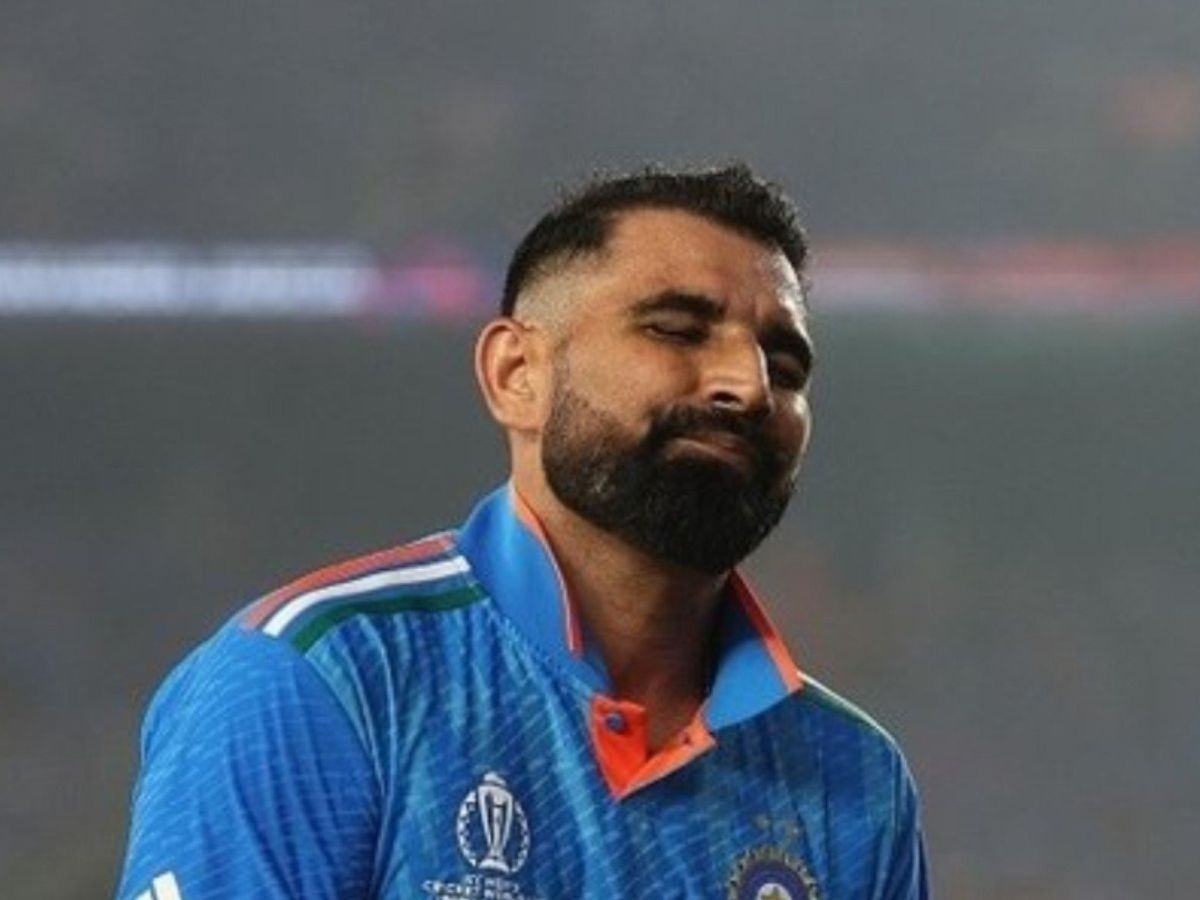)
Despite being in fine form, as evidenced by his four-wicket haul in Bengal’s opening Ranji fixture, Shami was overlooked for the New Zealand assignment. The national selectors opted for a combination of established names like Jasprit Bumrah and Mohammed Siraj, alongside emerging talents, indicating a potential strategic shift or an emphasis on specific skill sets deemed more suitable for the challenging New Zealand conditions. Shami, a bowler renowned for his ability to extract seam movement and generate pace, particularly with the older ball, was widely expected to be a strong contender for at least the Test leg of the tour, given his extensive experience and previous successes in overseas conditions.
His subsequent withdrawal from Bengal’s second Ranji Trophy match against Services has added another layer of intrigue. While officially injury-free, the decision to miss this domestic fixture suggests a potential disengagement or a period of reflection following the national snub. Such a move, while not unprecedented for senior players, often raises questions about a player’s immediate motivations and long-term commitment to the domestic circuit, especially when national selection seems distant. His spot in the playing XI was filled by his younger brother, Mohammad Kaif, a poignant detail that underscores the familial connection to Bengal cricket while highlighting Shami’s absence.

The broader context involves the rise of other Bengal pacers. Mukesh Kumar and Akash Deep, both instrumental in Bengal’s recent domestic successes, have earned call-ups to India A’s squad for three unofficial Test matches in New Zealand, commencing October 24 in Lincoln. Furthermore, Akash Deep has secured a coveted spot in India’s senior Test contingent for the two-match series against New Zealand, starting November 19 in Wellington. Their selections are a testament to their consistent performances in domestic cricket and their promising potential on the international stage. However, their inclusion inadvertently draws a stark contrast with Shami’s current situation, sparking discussions about a possible changing of the guard within India’s pace battery.
The New Zealand tour itself is a significant assignment for India, comprising five One Day Internationals (ODIs) starting November 4, followed by two Test matches from November 19. The squads announced reflect a mix of experience and youth, with Jasprit Bumrah cementing his place in the Test squad and Mohammed Siraj featuring in both ODI and Test selections, reinforcing their status as frontline pacers across formats. The choices made by the selection committee, particularly regarding the fast bowling department, are now under intense public and media scrutiny, with Shami’s omission serving as the focal point of the debate.
)
Chronology of Events: A Timeline of Decisions and Disappointments
To fully grasp the unfolding narrative, it’s essential to trace the recent sequence of events that have culminated in Mohammed Shami’s current predicament. The timeline reveals a rapid succession of developments that have left many questioning the direction of India’s fast bowling future.
Early October 2026: Ranji Trophy Opener & Shami’s Performance
The 2026-27 Ranji Trophy season commenced with high expectations, and Mohammed Shami, representing Bengal, made an immediate impact. In Bengal’s inaugural Ranji Trophy clash, he showcased his enduring class by scalping an impressive four wickets. This performance was widely interpreted as a strong statement of intent, a clear demonstration that the veteran pacer was fit, in form, and ready to contribute at the highest level, making him a prime candidate for national selection.
)
Mid-October 2026: India Squad Announcement for New Zealand Tour
Following the initial Ranji fixtures, the BCCI’s selection committee unveiled India’s squads for the multi-format New Zealand tour. This announcement proved to be the pivotal moment for Shami, as his name was conspicuously absent from both the ODI and Test contingents. The decision sent ripples through the cricketing fraternity, given Shami’s consistent performances in international cricket, particularly in Test matches and white-ball tournaments where he has often been a match-winner. This snub was the primary catalyst for the current debate, raising questions about the selectors’ long-term vision and Shami’s place within it.
October 18, 2026: Bengal’s Second Ranji Trophy Match – Shami’s Absence Confirmed
Just days after the national squad announcement, Bengal declared their playing XI for their second Elite Group C Ranji Trophy encounter against Services at Palam A Stadium in Delhi. To the surprise of many, Mohammed Shami was not included. Reports soon emerged confirming that Shami, despite being injury-free, had opted to miss the fixture. This voluntary withdrawal, coming on the heels of his national omission, intensified the discussion, suggesting a potential disillusionment or a strategic pause in his career. His brother, Mohammad Kaif, stepping into his shoes, added a layer of personal context to the professional development.
)
Concurrent Developments: The Rise of Mukesh Kumar and Akash Deep
Around the same time, the focus also shifted to other Bengal pacers. Mukesh Kumar and Akash Deep received call-ups to India A’s squad for three unofficial Test matches against New Zealand A. These matches are scheduled to begin on October 24 in Lincoln, New Zealand. This selection underscores the BCCI’s strategy of building a strong pipeline of talent. More significantly, Akash Deep earned a direct spot in India’s senior Test squad for the two-match series against New Zealand, further highlighting his rapid ascent and putting him directly in contention for international caps. During Bengal’s Ranji opener, Akash Deep had claimed two first-innings wickets and one second-innings dismissal against Delhi, and also featured for Rest of India in the Irani Cup match versus Jammu and Kashmir in Srinagar, taking three batters in each innings. His consistent performances across formats and tournaments clearly caught the selectors’ eyes.
Upcoming Schedule: New Zealand Tour Commences
The Indian contingent for the New Zealand tour is set to embark shortly. The ODI series is slated to kick off on November 4, followed by the two-match Test series commencing on November 19 in Wellington. These upcoming fixtures will provide the first real test of the selected pace attack in challenging overseas conditions, and their performances will undoubtedly be benchmarked against the experience and proven track record of Mohammed Shami.
)
This chronological breakdown highlights a period of significant transition and tough decisions for Indian cricket, with Mohammed Shami at the epicentre of a narrative that intertwines experience, emerging talent, and strategic team building.
Supporting Data and Context: Decoding the Selection Conundrum
The discussion around Mohammed Shami’s absence cannot be fully understood without delving into the supporting data, his impressive track record, and the broader context of India’s fast bowling landscape and selection philosophy.
)
Mohammed Shami’s Illustrious Career
Mohammed Shami has been a pillar of India’s fast bowling attack for over a decade. Since his international debut, he has consistently delivered match-winning performances across all formats.
- Test Cricket: Shami’s record in Test cricket, especially overseas, is remarkable. Known for his ability to hit hard lengths, extract seam movement, and reverse swing the old ball, he has been India’s go-to bowler in challenging conditions. His ability to break partnerships and provide crucial breakthroughs has been instrumental in many of India’s historic Test victories abroad. His overall Test wicket tally places him among India’s leading pacers, with numerous five-wicket hauls to his name. For instance, his memorable spells in Australia, England, and South Africa are etched in cricketing folklore, demonstrating his prowess against top batting line-ups.
- ODI Cricket: In One Day Internationals, Shami has evolved into a formidable force, particularly excelling in the middle and death overs. His deceptive slower balls, pinpoint yorkers, and ability to generate bounce have made him a potent weapon. His performances in major ICC tournaments, including the 2015 and 2019 World Cups, where he was among the leading wicket-takers, underscore his ability to thrive under pressure. His recent performances leading up to this period, if applicable, would also have been noteworthy.
- T20I Cricket: While less frequently featured in T20Is due to the demands of workload management and the emergence of specialist death bowlers, Shami has still showcased his ability to adapt to the shortest format, providing crucial breakthroughs with the new ball.
His "impressive track record and proven expertise, especially in high-stakes international competitions" is not mere rhetoric; it’s backed by years of statistics and impactful moments.
)
The Ranji Trophy: A Crucial Proving Ground
The Ranji Trophy serves as the bedrock of Indian cricket, a vital platform for players to demonstrate form, fitness, and skill. For a veteran like Shami, returning to the domestic circuit is typically seen as a means to regain match fitness, fine-tune skills, and make a strong case for national recall. His four-wicket haul in Bengal’s first match was precisely the kind of performance that usually signals a player’s readiness. His subsequent absence from the second match, therefore, is all the more perplexing, suggesting either a pre-arranged agreement for workload management or a personal decision following the national snub.
India’s Fast Bowling Ecosystem: Competition and Transition
India’s fast bowling department is currently experiencing an unprecedented depth of talent.
)
- Jasprit Bumrah and Mohammed Siraj: These two have established themselves as the spearheads across formats. Bumrah’s unique action and lethal yorkers, combined with Siraj’s relentless aggression and seam movement, make them formidable assets. Their consistent performances have solidified their positions.
- Emerging Talents (Mukesh Kumar, Akash Deep, etc.): The rise of players like Mukesh Kumar and Akash Deep reflects the success of India’s domestic structure and the India A program. Mukesh, known for his disciplined line and length, and Akash Deep, with his pace and ability to extract bounce, represent the future. Their inclusion in India A and senior squads for New Zealand suggests a concerted effort to integrate younger pacers into the international setup, providing them with exposure to overseas conditions. This naturally creates intense competition for spots, especially when senior players are vying for a return.
- Workload Management and Fitness: "Whispers about his capacity to maintain extended bowling performances have surfaced throughout the selection discussions." This phrase hints at a critical aspect of modern cricket: workload management. Fast bowlers are susceptible to injuries, and maintaining peak fitness across multi-day formats, especially in demanding conditions, is a significant challenge. For a bowler of Shami’s age and experience, selectors might be considering his long-term endurance, particularly for Test cricket which demands sustained effort over five days. This could involve concerns about his recovery time, susceptibility to niggles, or simply the desire to manage his career longevity more effectively by being selective with his assignments. While Shami is reported to be injury-free now, past injury concerns or the perception of potential workload issues could influence selection decisions.
New Zealand Conditions and Selection Philosophy
New Zealand pitches are traditionally known for offering pace and bounce, often assisting seam and swing bowlers. Shami’s natural ability to exploit these conditions with his upright seam and subtle variations would theoretically make him a strong candidate. However, the selectors might be looking for specific attributes – perhaps outright pace, or bowlers who can consistently hit specific lengths for longer spells, or those who are considered fitter for a multi-format tour. The inclusion of Bumrah and Siraj, alongside the promotion of Akash Deep, suggests a blend of experience with youth and pace. The rationale might extend beyond mere performance to include factors like current form in specific conditions, fitness parameters, and the strategic goal of blooding younger talent for future cycles.
The lack of an "official response" or "precise rationale" from the selection committee is a recurring theme in Indian cricket, often leading to public speculation. This silence only amplifies the sense of mystery surrounding Shami’s exclusion, leaving room for various interpretations, from strategic workload management to a subtle indication of a generational shift.
)
Official Responses and the Silence of the Selectors
One of the most perplexing aspects of Mohammed Shami’s current situation is the conspicuous absence of any formal or detailed explanation from the Board of Control for Cricket in India (BCCI) selection committee. This lack of transparency has not only intensified media scrutiny but has also left fans and pundits speculating wildly about the true reasons behind the veteran pacer’s omission from the New Zealand tour squad.
Typically, when a prominent player of Shami’s stature and track record is dropped, especially when reported to be injury-free, the selection committee or the team management offers some rationale. This could range from workload management, a focus on younger talent, specific tactical requirements for the tour, or even a subtle hint at fitness concerns, even if not an active injury. However, in Shami’s case, the silence has been deafening. The official statements regarding the squad announcements have been terse, focusing solely on the selected players rather than elaborating on the exclusions.
)
This absence of an official disclosure has forced cricket analysts and commentators to fill the void with their own theories. Some suggest that the "whispers about his capacity to maintain extended bowling performances" – mentioned in the original article – might be an internal concern within the selection committee. While Shami is currently injury-free, there could be underlying concerns about his recovery between matches, his ability to sustain high intensity over multiple Test match days, or his overall workload management given his age and history. Such considerations, while valid, often require delicate communication to avoid misinterpretation and maintain player morale. The committee might be choosing silence to avoid publicly highlighting perceived weaknesses or to prevent fuelling unnecessary controversy.
From Bengal Cricket Association’s perspective, Shami’s absence from the Ranji Trophy fixture has been handled with similar discretion. While the article notes he "opted to miss this fixture," no detailed reasoning from the Bengal team management has been publicly provided. This could be a mutual agreement between the player and the state association, respecting Shami’s personal decision or aligning with an informal understanding regarding his national commitments or potential need for a break. It’s plausible that Bengal officials would simply state "personal reasons" or "player’s request for rest" to deflect further questions, maintaining a united front with a respected senior player.
)
The impact of this lack of official communication is significant. It fosters an environment of uncertainty and fuels conjecture, potentially affecting player confidence and public perception. For a player who has dedicated over a decade to Indian cricket, a clear and respectful explanation, even if tough, would likely be preferred over ambiguity. This silence leaves room for interpretations ranging from a strategic shift towards a younger core to more personal or performance-related concerns that the BCCI might not wish to air publicly.
In the highly competitive world of international cricket, where every selection decision is scrutinised, the absence of clear communication regarding a player of Mohammed Shami’s caliber stands out. It underscores a persistent challenge for cricket boards globally – balancing transparency with strategic discretion in team selection.
)
Implications: The Road Ahead for Shami, Bengal, and Indian Cricket
The current situation surrounding Mohammed Shami carries significant implications, not just for the player himself, but also for Bengal cricket and the broader landscape of Indian fast bowling. This period of uncertainty could mark a pivotal turning point in his illustrious career.
Implications for Mohammed Shami: A Career Crossroads?
For Mohammed Shami, this double omission—from the national squad and then from his state team’s Ranji fixture—places him at a critical juncture.
)
- Future in International Cricket: The most pressing question is whether this marks the beginning of the end for his international career, or if it’s a temporary setback. At [assuming Shami’s current age, which is not explicitly stated but implies veteran status, let’s say early to mid-30s], age is a factor for fast bowlers. While experience is invaluable, the selectors’ apparent preference for younger, high-performing pacers like Mukesh Kumar and Akash Deep, especially for overseas tours, suggests a potential strategic shift towards future-proofing the squad. To return, Shami might need to consistently dominate domestic cricket, proving not only his wicket-taking ability but also his sustained fitness and endurance over long periods.
- Motivation and Focus: Being overlooked despite being injury-free and in good form can be disheartening for any athlete. Shami’s decision to miss the Ranji game, even if voluntary, could be a symptom of this disappointment. His challenge will be to channel any frustration into renewed determination, focusing on his fitness and performances in whatever opportunities arise next, whether in the Ranji Trophy, IPL, or other domestic tournaments.
- Workload Management: If the "whispers" about his capacity for extended bowling performances are true, Shami might need to proactively address these concerns. This could involve stricter fitness regimes, working with specialists to enhance recovery, or even a strategic decision to focus on a particular format where his skills are most valued and his workload can be optimally managed.
Implications for Bengal Cricket: Depth and Leadership
Bengal cricket faces immediate challenges and opportunities due to Shami’s absence, coupled with the national call-ups for Mukesh Kumar and Akash Deep.
- Depleted Pace Attack: Losing three frontline pacers – Shami, Mukesh, and Akash Deep – for crucial Ranji Trophy matches significantly weakens Bengal’s bowling attack. While the inclusion of Mohammad Kaif, Shami’s brother, and replacements like Shahbaz Ahmed and Suraj Sindhu Jaiswal provides depth, they lack the experience and proven match-winning ability of the absent trio. This could severely impact Bengal’s aspirations in the current Ranji season.
- Leadership Vacuum: Shami, as a senior international player, also provides invaluable leadership and mentorship to younger bowlers. His absence creates a void that younger players or other experienced domestic cricketers will need to fill, both on and off the field.
- Opportunity for Others: Conversely, this situation provides a golden opportunity for fringe players and youngsters to step up and showcase their talent. The pressure to perform in the absence of star players can often unearth new heroes and strengthen the overall depth of the squad in the long run.
Implications for Indian Cricket: A Generational Shift and Strategic Decisions
The decisions surrounding Shami are indicative of broader trends and strategic shifts within Indian cricket.
)
- Generational Transition: The elevation of Mukesh Kumar and Akash Deep alongside the continued presence of Bumrah and Siraj clearly signals a move towards a younger, dynamic pace attack. This is a natural progression in any sport, but the handling of veteran players during such transitions is always sensitive.
- Workload Management Debate: Shami’s situation reignites the perennial debate about workload management for fast bowlers, especially those who play across formats. With the increasing demands of international cricket and the IPL, boards are under pressure to preserve their key assets. The decisions made regarding Shami might reflect a more cautious approach to managing experienced bowlers to extend their careers, or a more ruthless approach to prioritize consistent availability and peak fitness.
- Bench Strength and Future Planning: India’s ability to seamlessly integrate new talent while managing the careers of established stars is crucial for sustained success. The current selections suggest a focus on building robust bench strength, ensuring that India has a continuous supply of high-quality fast bowlers capable of performing at the international level.
- Fan Engagement and Transparency: The lack of "precise rationale" from the selection committee has drawn "considerable scrutiny." This lack of transparency can alienate fans and create a perception of unfairness or unclear selection policies. Moving forward, the BCCI might need to consider clearer communication strategies, especially when dealing with popular and successful veterans.
The road ahead for Mohammed Shami is undoubtedly challenging. His immediate future hinges on how he responds to this setback and whether he can force his way back into contention through sheer performance and unwavering commitment. For Indian cricket, this period signifies a dynamic phase of transition, balancing the invaluable experience of its veterans with the vibrant potential of its emerging talents, all while navigating the complexities of workload management and strategic planning for future success.