

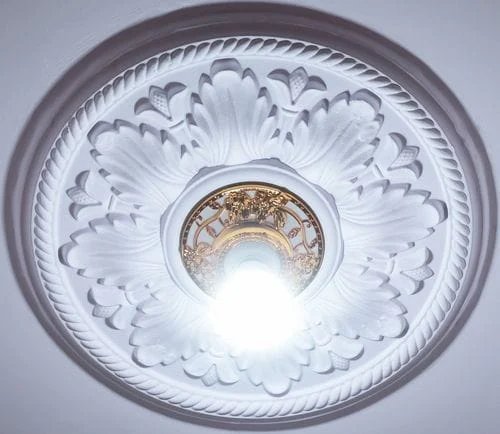
In the ever-evolving landscape of residential architecture and interior styling, certain materials transcend their humble origins to become cornerstones of luxury and creativity. Plaster of Paris (POP), once relegated to basic repair work or simple ceiling moldings, has undergone a significant metamorphosis. Today, it stands as a premier choice for homeowners and design professionals alike, offering an unparalleled blend of versatility, aesthetic appeal, and cost-effectiveness.
As the real estate market becomes increasingly competitive, the demand for "bespoke" interiors has surged. POP interior design has emerged as the answer to this demand, allowing for a degree of customization that traditional wood or metalwork cannot easily replicate. From the grand Victorian-inspired exteriors to the sleek, minimalist 3D panels of modern urban apartments, POP is redefining the boundaries of domestic space.
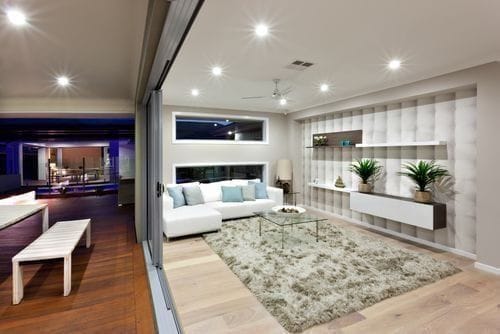
Main Facts: The Versatility of Plaster of Paris
Plaster of Paris is a dehydrated form of gypsum. When mixed with water, it forms a malleable paste that can be molded into virtually any shape before hardening into a durable, fire-resistant surface. Its rise in popularity is underpinned by several key factors:
- Malleability: Unlike wood or glass, POP can be cast into intricate floral patterns, sharp geometric lines, or organic, flowing curves.
- Seamless Finish: One of the most significant advantages of POP is its ability to create seamless transitions between walls and ceilings, hiding structural flaws and electrical conduits.
- Thermal and Acoustic Insulation: POP serves as an excellent insulator, helping to maintain room temperature and reduce noise pollution—a vital feature in dense urban environments.
- Cost-Efficiency: Compared to high-end materials like marble or teak, POP provides a high-luxury aesthetic at a fraction of the cost, making it accessible to a wider demographic of homeowners.
Chronology: From Functional Utility to High-Art Design
The journey of POP in interior design has moved through several distinct phases:
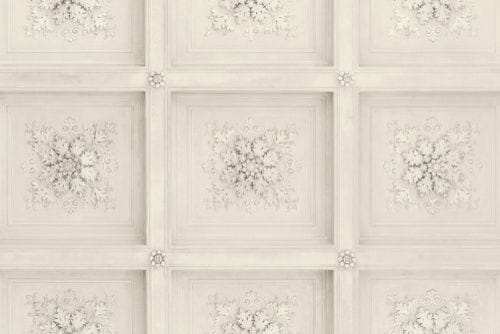
The Traditional Phase (Pre-2000s)
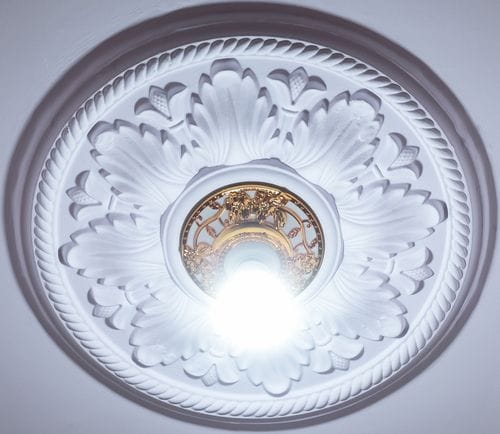
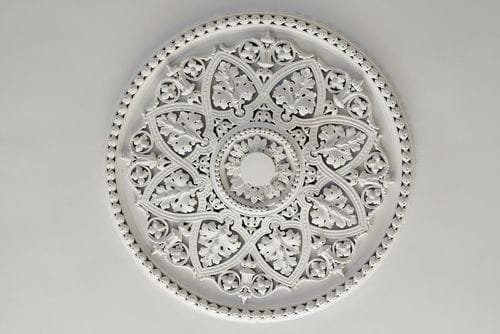
In this era, POP was primarily used for "Cornice" work—the decorative border where the wall meets the ceiling. In Indian and European homes, it was a symbol of middle-class stability, used mostly to add a touch of formality to living rooms.
The False Ceiling Revolution (2000s–2015)
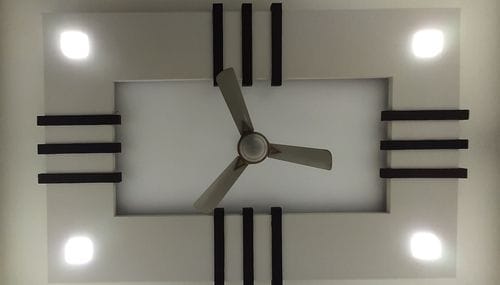
With the rise of concealed LED lighting and central air conditioning, the "False Ceiling" became a household staple. POP became the go-to material for creating dropped ceilings that could house "cove lighting," transforming the ambiance of modern flats.
The Contemporary Artistic Era (2016–Present)
Today, POP is no longer restricted to the ceiling. It has moved down the walls and even to the exterior of buildings. We are seeing a trend toward "maximalist" textures—3D wall panels, stone-inspired accents, and fluted pillars—that treat the home as a canvas for sculptural art.
Supporting Data: Leading POP Interior Design Ideas
To understand the breadth of POP’s application, one must look at the specific design trends currently dominating the market.
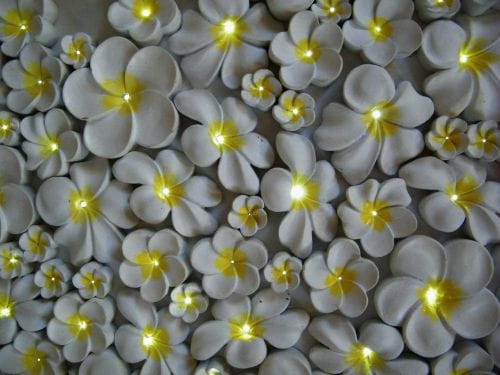
1. Architectural Wall Carvings and Bas-Relief
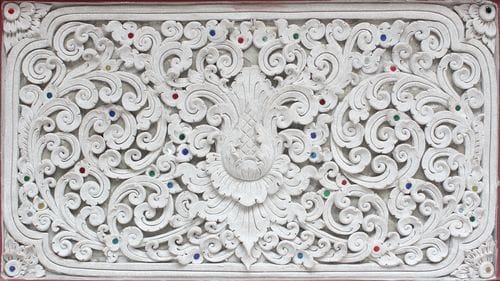
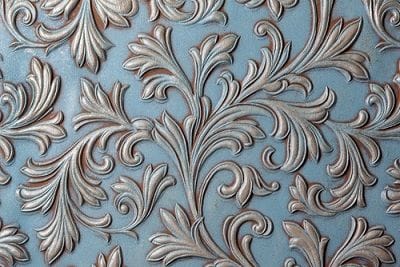
Wall carvings have moved from temples and palaces into the modern living room. By creating an accent wall with POP carvings, designers can introduce a sense of history and depth. Whether it is a subtle floral motif or a bold abstract pattern, these carvings interact with light to create shifting shadows throughout the day.
2. The 3D Geometric Panel Trend
For those seeking a futuristic or Scandinavian look, 3D geometric panels are the gold standard. These panels add dimension to a room without the clutter of physical furniture. They are particularly effective behind TV units or as a headboard alternative in bedrooms, providing a tactile quality that wallpaper cannot match.
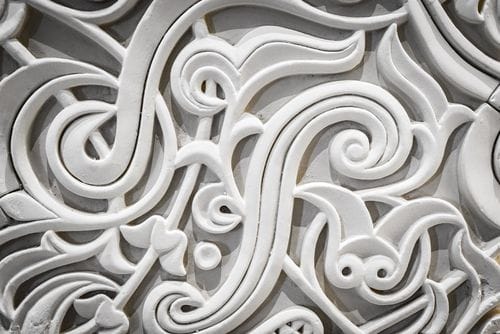
3. Textured Stone-Inspired Accents
A recent innovation in POP design is the recreation of natural stone textures. By mixing POP with specific aggregates, craftsmen can mimic the look of stacked slate, sandstone, or rough-cut rock. This allows homeowners to achieve a "rustic-industrial" look without the structural weight or expense of real stone.
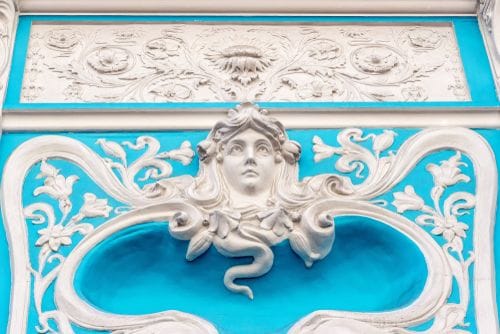
4. Fluted Pillars and Victorian Frames
Inspired by classical architecture, fluted pillars made of POP are seeing a resurgence in premium entryways. The sculpted grooves provide a vertical rhythm to a space, making ceilings appear higher. Similarly, Victorian-style window and door frames created with POP can elevate a standard apartment into a "stately" home.
5. Thai-Inspired and Integrated Media Ceilings
Modern luxury design often involves "mixing media." The Thai-inspired design trend involves combining POP ceiling structures with wooden rafters and integrated LED strips. This creates a warm, multi-layered effect that is both traditional and technologically advanced.
Technical Specifications and Material Science
The success of a POP installation depends heavily on the technical execution. Plaster of Paris is chemically known as Calcium Sulphate Hemihydrate.
- Setting Time: Standard POP starts to set within 5 to 10 minutes, though "retardants" are often added by professionals to allow more time for intricate carving.
- Durability: Once fully cured (usually after 72 hours), POP becomes exceptionally hard. However, it remains porous, meaning it requires a high-quality primer and paint to protect it from moisture.
- Weight Factor: POP is significantly lighter than cement plaster, which reduces the "dead load" on the building’s structure, making it safer for extensive ceiling designs in high-rise buildings.
Official Responses: Expert Perspectives on POP Design
Interior designers and structural engineers offer a nuanced view of the material’s application.
The Designer’s View: "The shift we are seeing is from ‘standardization’ to ‘storytelling,’" says a lead consultant at a top-tier Mumbai design firm. "POP allows us to tell a story on the walls. We are no longer limited by what a factory can produce; we are only limited by what a craftsman can carve. However, the quality of the finish is 90% dependent on the skill of the applicator."
The Engineer’s Perspective: Structural experts warn that while POP is versatile, it is not a "fix-all" solution. "Homeowners must ensure that their walls are free of seepage before applying POP," notes a civil engineer. "If moisture enters the POP layer from the back, it will lose its bond with the wall and eventually crumble. Waterproofing is a non-negotiable prerequisite."
Implications: Pros, Cons, and Market Impact
As with any design choice, the use of POP carries a set of trade-offs that homeowners must evaluate.
The Advantages (Pros)
- Fire Resistance: POP is a mineral-based material that does not catch fire, providing an extra layer of safety.
- Smoothness: It provides a much smoother finish than traditional sand-cement plaster, making it the ideal base for high-gloss or metallic paints.
- Flexibility: It can be easily repaired. If a section of a POP design is damaged, it can be patched seamlessly without replacing the entire wall.
The Limitations (Cons)
- Moisture Sensitivity: POP is not suitable for bathrooms or exterior areas prone to heavy rain unless specifically treated with expensive additives.
- Cracking Risks: In new buildings that are still "settling," POP designs may develop hairline cracks due to structural movement.
- Labor Intensive: Complex designs require highly skilled labor, which can drive up the "per-square-foot" cost significantly.
Economic and Market Implications
The widespread adoption of POP has birthed a specialized sector within the construction industry. There is now a high demand for "POP Artists"—laborers who specialize in hand-carving rather than just flat application. This has contributed to the preservation of artisanal skills in the construction workforce. Furthermore, real estate data suggests that homes with high-quality POP false ceilings and wall treatments tend to have a 10–15% higher resale value, as they are perceived as "move-in ready" luxury units.
Summing Up: The Future of POP Interior Design
Plaster of Paris has proven to be much more than a construction byproduct. It is a transformative medium that bridges the gap between architecture and art. As we move further into a decade defined by personalized living spaces, the role of POP is set to expand even further.
We are already seeing the beginning of "Smart POP" designs—ceilings that incorporate hidden speakers, air purifiers, and automated lighting sensors. Whether you are looking to create a rustic stone-walled sanctuary or a grand, Victorian-inspired hall, POP remains the most flexible tool in the designer’s kit.
For the modern homeowner, the advice is clear: do not view your walls and ceilings as mere boundaries. View them as opportunities. By strategically using POP to add texture, depth, and character, you can transform a standard living space into a bespoke masterpiece that reflects your personal style and enhances your quality of life.
Disclaimer: This report is based on current industry trends and material science data. Homeowners are advised to consult with certified structural engineers and professional interior designers before undertaking significant structural or aesthetic renovations to ensure safety and longevity.
