

By Lifestyle & Culinary Desk
As the mercury climbs across the Indian subcontinent and Southeast Asia, the seasonal landscape undergoes a vibrant transformation. Among the most anticipated arrivals in the local markets is the litchi (lychee)—a small, ruby-hued fruit that carries the promise of cooling relief. While the fruit is a delicacy in its whole form, a growing movement toward "clean label" consumption has propelled homemade litchi juice into the spotlight. Moving away from the preservative-laden, hyper-sweetened versions found on supermarket shelves, the artisanal preparation of this beverage has become a cornerstone of summer gastronomy.
This report explores the technical, nutritional, and cultural facets of litchi juice, detailing why this short-season fruit remains a dominant force in the global tropical beverage market.

I. Main Facts: The Anatomy of a Summer Essential
The litchi (Litchi chinensis), often referred to as the "Queen of Fruits," is a tropical powerhouse characterized by its rough, pinkish-red rind and its succulent, translucent white aril. Unlike many citrus-based summer drinks, litchi juice offers a unique flavor profile: a delicate balance of intense sweetness and subtle floral notes, reminiscent of roses and grapes.
The Shift Toward Homemade Alternatives
In recent years, the beverage industry has seen a marked shift. Consumers are increasingly wary of "fruit-flavored" drinks that contain as little as 10% actual fruit pulp. The homemade litchi juice recipe—consisting primarily of fresh pulp, water, and a touch of citrus—represents a return to purity.
Key Characteristics of Fresh Litchi Juice:

- Zero Preservatives: Unlike bottled versions, homemade juice lacks sodium benzoate or potassium sorbate.
- Customizable Sweetness: The sugar content can be adjusted or replaced with natural alternatives like honey or stevia, depending on the ripeness of the fruit.
- Flavor Complexity: The addition of fresh lemon juice provides a citric counterpoint to the litchi’s floral sweetness, creating a sophisticated "sweet-and-sour" dynamic.
II. Chronology: The 15-Minute Culinary Journey
The transition from a raw, skin-on fruit to a refined, chilled beverage is a precise process that prioritizes hygiene and flavor extraction. The following chronology outlines the standard professional approach to crafting the perfect litchi cooler.
Phase 1: Selection and Sanitation
The process begins with the rigorous selection of fruit. Because litchis are highly perishable and susceptible to internal spoilage, each fruit must be inspected. Professionals recommend rinsing approximately 14 to 15 litchis under cold running water to remove orchard dust and any pesticide residue.
Phase 2: De-shelling and Seed Removal
Once cleaned, the thin, brittle skin is removed to reveal the juicy flesh. A critical step in this phase is the "integrity check." Culinary experts advise discarding any fruit that shows discoloration or signs of infestation—a common issue with tropical stone fruits. The flesh is then carefully separated from the hard brown seed using a paring knife or clean hands to ensure no bitter seed fragments enter the mix.

Phase 3: Pureeing and Emulsification
The collected pulp is transferred to a high-speed blender. To maintain the integrity of the flavor, the fruit is initially blended without water. This creates a concentrated puree. If the fruit is particularly fibrous, a few tablespoons of water may be added to facilitate a smoother consistency.
Phase 4: The Balancing Act
The concentrated puree is then diluted with approximately three cups of chilled water. At this stage, the "flavor balancing" occurs. Depending on the natural Brix level (sugar content) of the fruit, three to four tablespoons of sugar are added. Simultaneously, the juice of one medium lemon is squeezed into the pitcher. This acidity is not just for flavor; it acts as a natural brightener for the juice.
Phase 5: Final Homogenization and Service
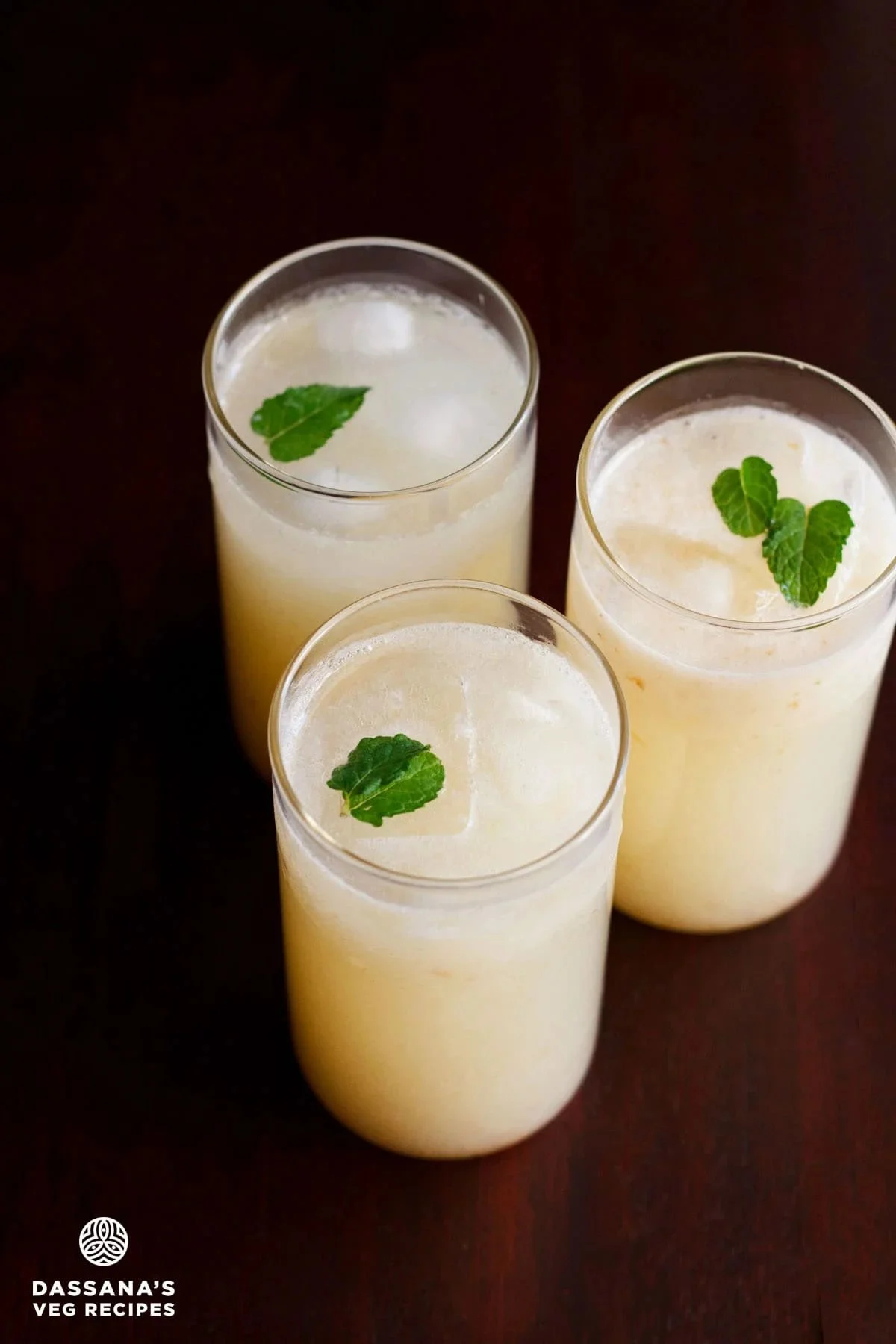
The mixture is stirred or pulsed one final time to ensure the sugar is fully dissolved. The juice is then poured into glassware, often garnished with fresh mint leaves or lemon slices to enhance the olfactory experience. The entire process, from tree-fresh fruit to glass, is completed in under 15 minutes.

III. Supporting Data: Nutritional Profile and Health Impact
The appeal of litchi juice extends beyond its refreshing taste. When prepared at home, it serves as a potent source of essential vitamins and minerals. Based on a standard serving size of three glasses, the nutritional density is significant.
Nutritional Breakdown (Per Serving)
- Energy: 93 kcal
- Vitamin C: 55 mg (Approx. 60–75% of the Recommended Dietary Allowance)
- Potassium: 150 mg
- Carbohydrates: 24 g (primarily natural fruit sugars)
- Fiber: 2 g
Health Implications
The high Vitamin C content is particularly relevant during the summer months, as it aids in skin repair and boosts the immune system against common seasonal ailments. Furthermore, the potassium content supports electrolyte balance, which is often compromised through perspiration in high-temperature environments.
The absence of saturated fats and cholesterol, combined with a low sodium count (14 mg), makes this an heart-healthy alternative to carbonated soft drinks. However, nutritionists note that because of the 20g of sugar per serving, those monitoring glycemic loads should consume the beverage in moderation or opt for the "no-added-sugar" variation.

IV. Expert Perspectives and Culinary Tips
To achieve a "restaurant-grade" finish at home, seasoned chefs and culinary bloggers offer several insights into the nuances of litchi preparation.
The Importance of Temperature
"Litchi juice is highly volatile in terms of flavor," notes one culinary expert. "Heat is the enemy of the litchi’s floral notes." For this reason, using ice-cold water during the blending process is recommended. If the juice reaches room temperature, the delicate esters that give the fruit its ‘rose-like’ aroma begin to dissipate.
Food Safety Warnings
A recurring tip from experienced home cooks involves the "internal inspection." Because litchis are grown in humid, tropical climates, they can occasionally harbor small larvae near the stem. Experts emphasize that the 15-minute preparation time must include a focused second or two for each fruit to ensure the flesh is translucent and white, not brown or cloudy.

Storage Constraints
Unlike citrus juices (like orange or grapefruit), which can sometimes hold their flavor for 24 hours, litchi juice is best consumed immediately. If storage is necessary, it should be limited to 4–5 hours in a vacuum-sealed pitcher. The pulp naturally settles at the bottom, and enzymatic browning can occur if the juice is exposed to air for extended periods.
V. Implications: The Cultural and Economic Impact
The popularity of litchi juice has broader implications for seasonal agriculture and the global shift toward "slow food."
Seasonal Urgency
The litchi season is famously short, often lasting only four to six weeks between May and July. This creates a "seasonal urgency" in the culinary world. Markets see a massive influx of the fruit, and households pivot their dessert and beverage menus to accommodate the harvest. This seasonality helps maintain the fruit’s status as a luxury item, despite its abundance during the peak window.

Economic Shift to Value-Added Products
For farmers, the rise of juice recipes and litchi-based desserts (such as milkshakes, smoothies, and ice creams) provides a secondary market for fruit that might be aesthetically "imperfect" for whole-sale but perfect for pulping. This reduces food waste and increases the economic yield for litchi orchards in regions like Bihar in India or Guangdong in China.
The "Anti-Soda" Movement
As global health organizations continue to campaign against high-fructose corn syrup and artificial dyes, litchi juice has emerged as a formidable competitor in the "functional beverage" space. It offers the "mouthfeel" and sweetness that consumers crave from sodas but delivers it through a medium of antioxidants and vitamins.
Conclusion
Litchi juice is more than just a cooling drink; it is a seasonal ritual that bridges the gap between traditional agricultural cycles and modern health-conscious lifestyles. By combining the ancient appeal of the tropical fruit with simple, effective preparation techniques, it remains a gold standard of summer refreshment.

Whether served as a welcome drink at a formal gathering or enjoyed as a quick midday revitalizer, the homemade litchi cooler stands as a testament to the power of fresh, seasonal ingredients. As we move further into an era of artisanal food, the humble litchi—with its 15-minute recipe and its wealth of Vitamin C—is poised to remain the undisputed monarch of the summer beverage tray.
