In the vast and vibrant tapestry of Indian desserts, few items command as much visual and sensory authority as the Kesar Falooda. Often described as a "dessert-drink hybrid," this multifaceted concoction has transcended its humble street-food origins to become a centerpiece of high-end culinary discourse. Characterized by its striking layers of saffron-infused milk, translucent basil seeds, and delicate vermicelli, the Kesar Falooda represents a sophisticated intersection of Persian heritage and Indian innovation. As the global palate increasingly leans toward regional authenticity, this chilled delicacy is emerging as a premier ambassador of the subcontinent’s cooling culinary traditions.
Main Facts: A Symphony of Texture and Temperature
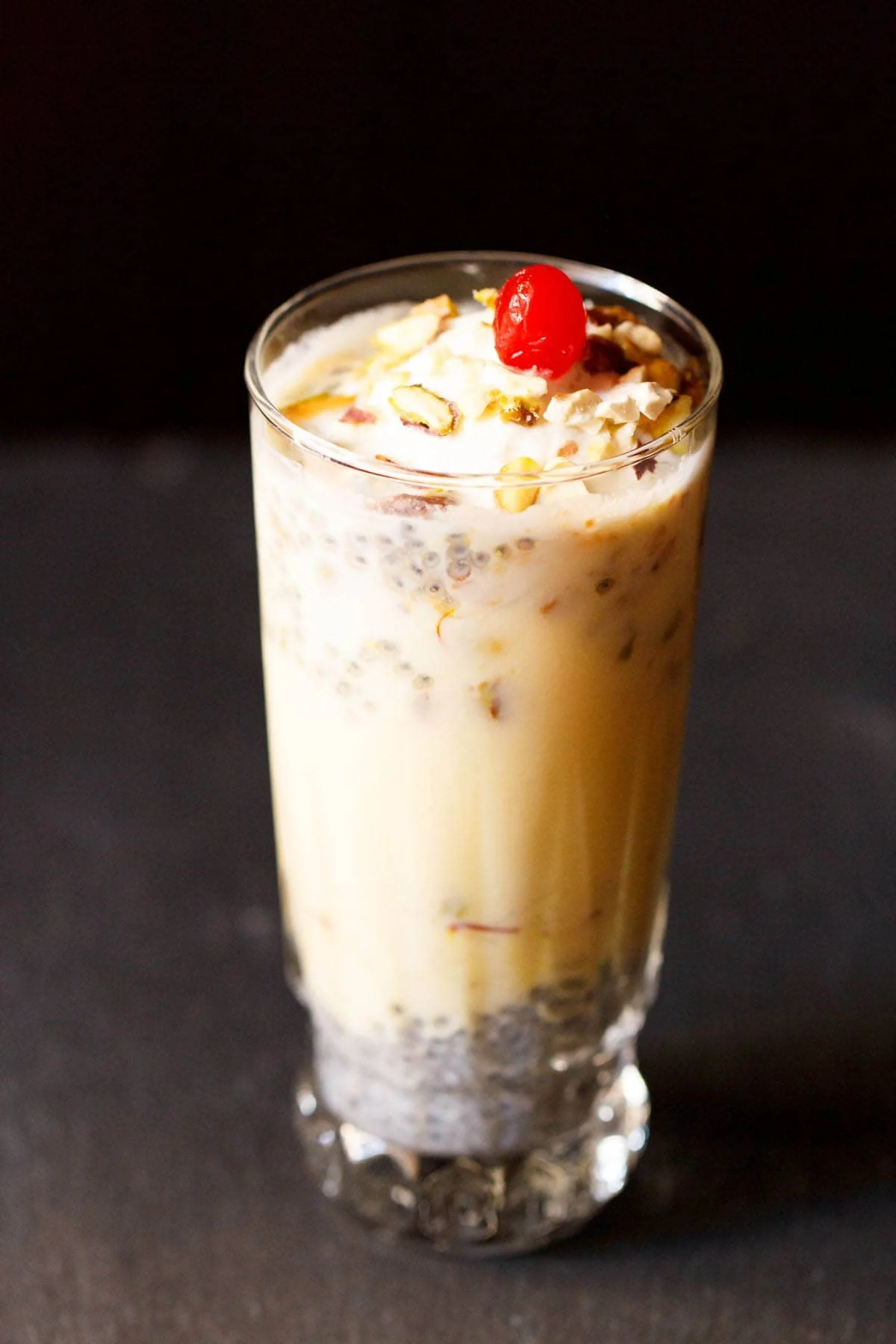
At its core, Kesar Falooda is a cold dessert assembled through a meticulous layering process. Unlike many Western desserts that prioritize a uniform consistency, the Falooda thrives on "textural dissonance"—the play between the slippery sabja (basil seeds), the soft sev (vermicelli), the liquid richness of the milk, and the solid indulgence of ice cream.
The defining characteristic of the "Kesar" variant is the inclusion of saffron (Crocus sativus). Known as the world’s most expensive spice, saffron provides more than just a luxurious golden hue; it imparts a complex, earthy aroma and a subtle honey-like sweetness that balances the heavy dairy components. According to culinary historians, the inclusion of saffron elevates the drink from a common refreshment to a "festive" status, often reserved for weddings, religious celebrations, and the intense heat of the Indian summer.
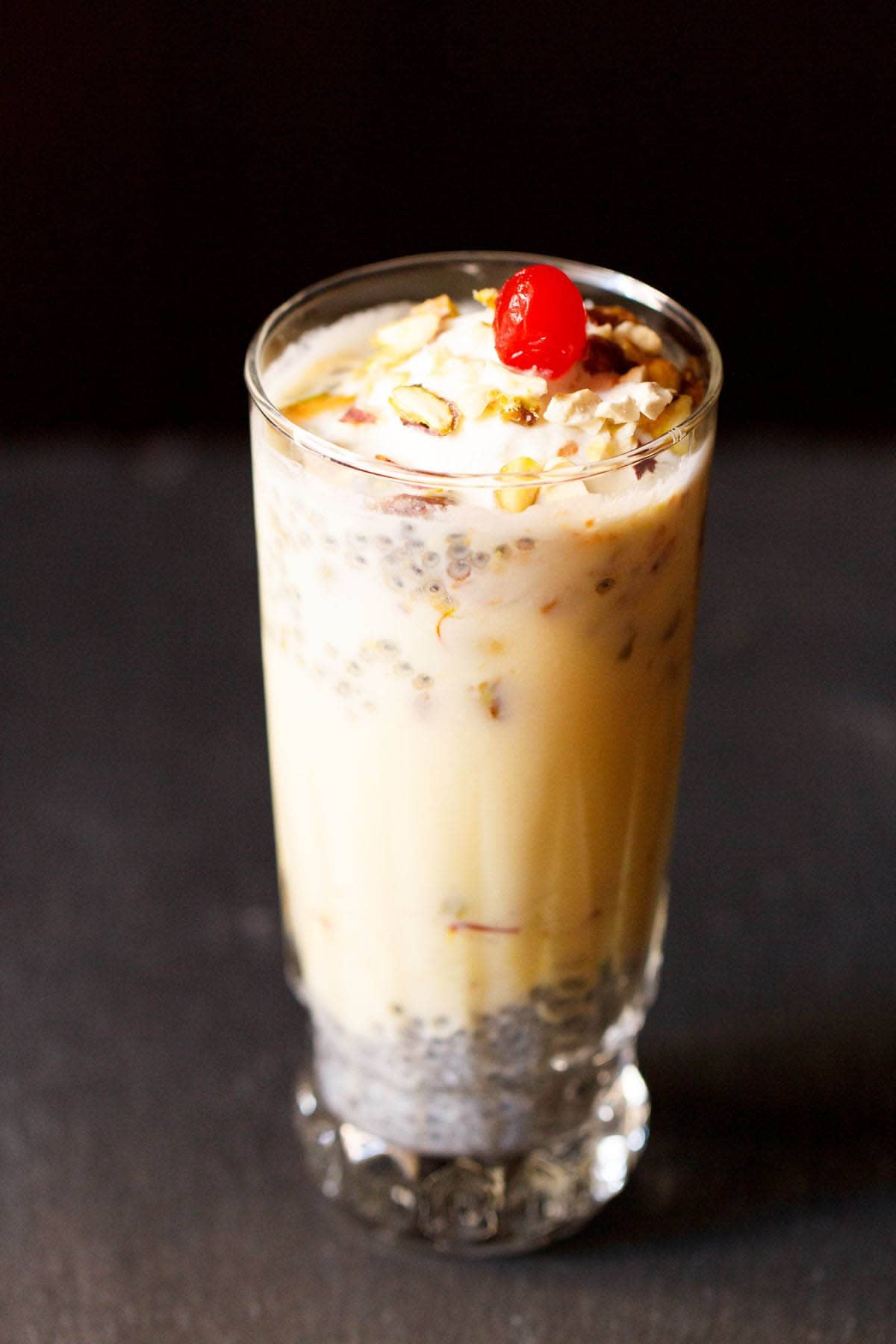
Key components of the Kesar Falooda include:
- Saffron-Infused Milk: The backbone of the drink, sweetened and flavored with hand-crushed saffron strands.
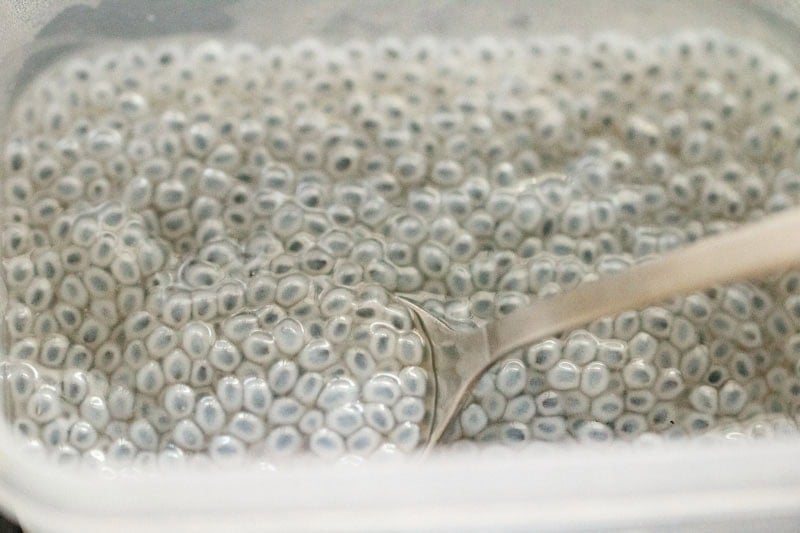
- Sabja Seeds: Sweet basil seeds that, when soaked, develop a gelatinous outer layer, providing a cooling effect according to Ayurvedic traditions.
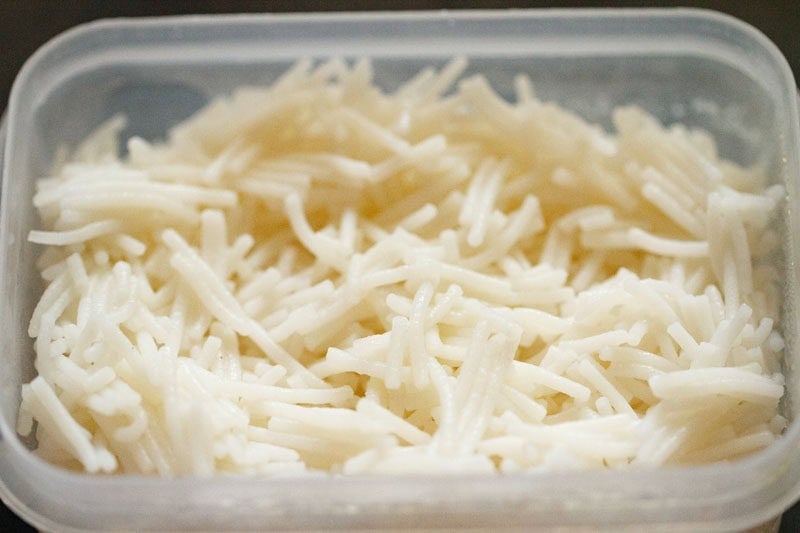
- Falooda Sev: Specialized cornstarch or wheat vermicelli that offers a unique, chewy bite.
- Dairy Toppings: Typically topped with a scoop of vanilla, saffron (kesar), or pistachio ice cream, and occasionally enriched with Rabri (thickened milk).
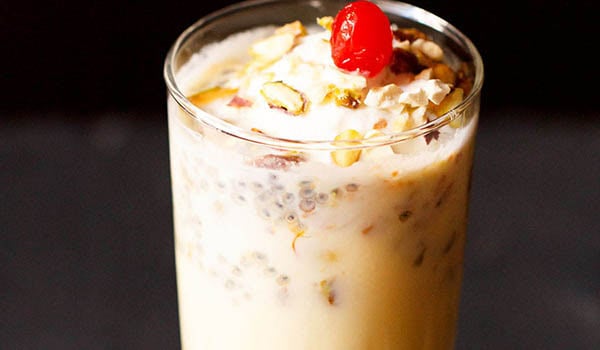
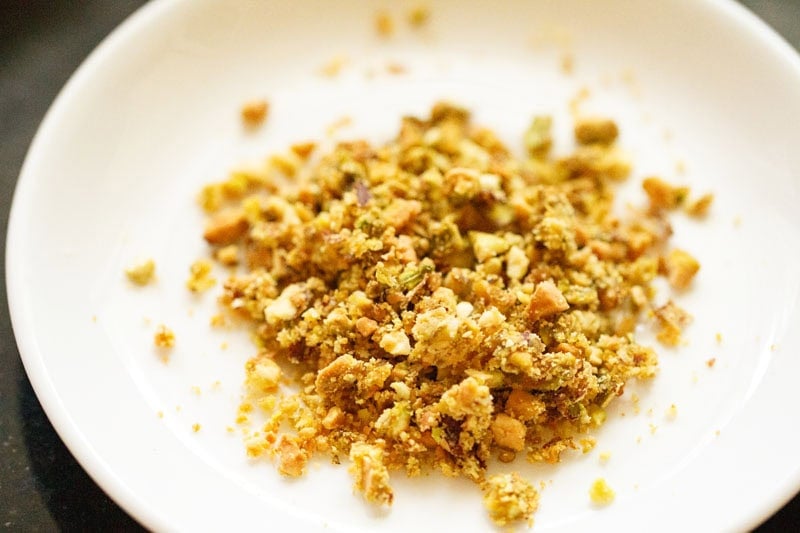
- Garnish: A medley of crushed pistachios, almonds, and the occasional glazed cherry for visual contrast.
Chronology: From Persian Courts to Modern Tables
The evolution of the Falooda is a thousand-year journey that mirrors the migration of flavors across the Silk Road.
The Persian Ancestry (Pre-16th Century):
The progenitor of the Falooda is the Persian Faloodeh, a traditional sorbet-like dessert made of thin starch noodles preserved in semi-frozen rose water and lime juice. It is one of the oldest known desserts in the world, dating back to 400 BC, designed specifically to combat the arid heat of the Iranian plateau.
The Mughal Integration (16th–18th Century):
With the expansion of the Mughal Empire into South Asia, the Faloodeh underwent a dramatic transformation. Mughal royalty, known for their love of rich, dairy-based foods, adapted the Persian sorbet by adding chilled milk, cream, and indigenous spices like cardamom and saffron. It was during this era that the dessert transitioned from a light ice-based dish to the calorie-dense, luxurious beverage we recognize today.
The Colonial and Post-Independence Proliferation (19th Century–Present):
During the British Raj, the Falooda became a staple of the "Irani Cafés" in Mumbai and the bustling street markets of Old Delhi. As refrigeration technology became more accessible in the mid-20th century, the addition of a scoop of ice cream became the standard "modern" finishing touch. Today, the Kesar Falooda is no longer confined to the Indian subcontinent; it is a staple in the Middle East, Southeast Asia (as Cendol or Es Campur variants), and increasingly in major metropolitan hubs like London, New York, and Dubai.
Supporting Data: The Science of Saffron and Hydration
The popularity of Kesar Falooda during the summer months is supported by more than just tradition; it is grounded in the functional properties of its ingredients.
The Cooling Power of Sabja:
Scientific analysis of Ocimum basilicum (sabja) seeds reveals high concentrations of fiber and a unique ability to retain water. In traditional Indian medicine (Ayurveda), these seeds are classified as "refrigerants," meaning they naturally lower the body’s internal temperature. This makes the Falooda a functional "nutraceutical" beverage in climates where temperatures frequently exceed 40°C (104°F).
The Chemistry of Saffron:
The "Kesar" element is chemically significant. Saffron contains crocin, picrocrocin, and safranal. Crocin is responsible for the golden-yellow color, while safranal provides the aroma. Beyond aesthetics, saffron has been studied for its mood-enhancing properties and antioxidant benefits. In a Kesar Falooda, the fat content of the milk acts as a carrier for these fat-soluble flavor compounds, ensuring a lingering aftertaste that water-based drinks cannot achieve.
Market Trends:
According to recent food industry reports, the "ethnic dessert" sector is seeing a 7% year-on-year growth. The Kesar Falooda, specifically, has benefited from the "Instagrammability" of its layers. Food bloggers and culinary influencers have driven a 40% increase in social media mentions of "Saffron-based desserts" over the last 24 months, highlighting a shift toward visually complex, multi-textured treats.
Official Responses: The Artisan’s Perspective
Culinary experts and chefs emphasize that while the Falooda is a "street food," the "Kesar" version requires the precision of a pastry chef.
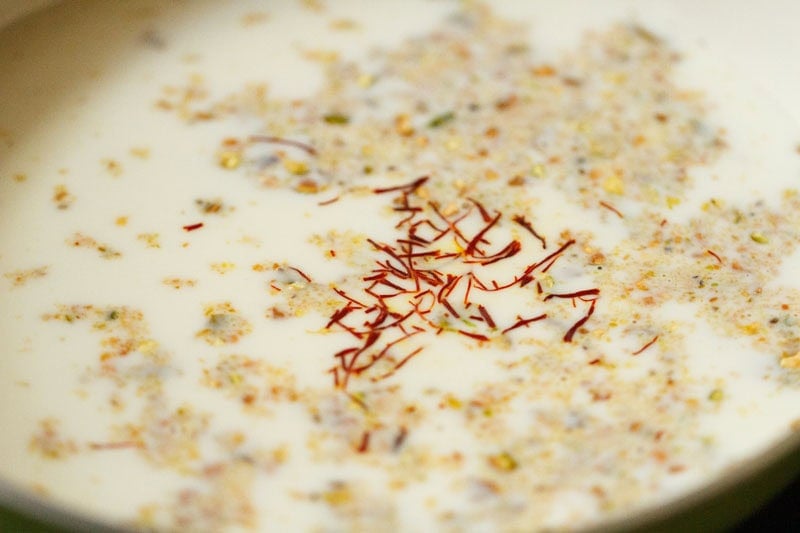
"The secret to a world-class Kesar Falooda lies in the temperature management and the quality of the infusion," says Chef Rahul Mehta, a specialist in contemporary Indian cuisine. "You cannot simply boil saffron in milk and call it a day. It must be gently warmed to 60 degrees Celsius to release the oils without scorching the dairy. If the milk is too hot, the saffron becomes bitter; if it’s too cold, you lose that royal golden glow."
Nutritionists also weigh in on the dessert’s composition. "While it is undeniably a high-calorie treat, the inclusion of nuts and seeds provides a protein and fiber balance that you don’t find in standard sodas or simple syrups," notes Dr. Ananya Sharma, a clinical dietitian. "The Kesar Falooda is an example of ‘slow satiety’—the different textures require more chewing and slower consumption, which can be more satisfying than a liquid-only drink."
The Culinary Blueprint: A Masterclass in Assembly
To understand the complexity of the Kesar Falooda, one must examine the rigorous preparation required for a single serving. The process is a lesson in patience and mise-en-place.
- The Seed Hydration: Sabja seeds must be soaked for exactly 20 to 30 minutes. Over-soaking leads to a loss of structural integrity, while under-soaking results in a gritty texture.
- The Vermicelli Precision: The sev is cooked until al dente. In professional kitchens, it is often shocked in ice water immediately after boiling to prevent the strands from sticking together, ensuring that each noodle remains distinct within the milk.
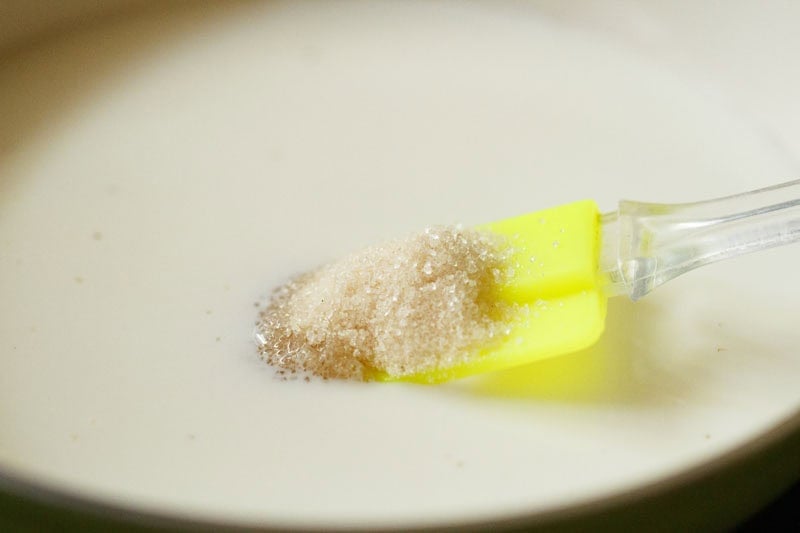
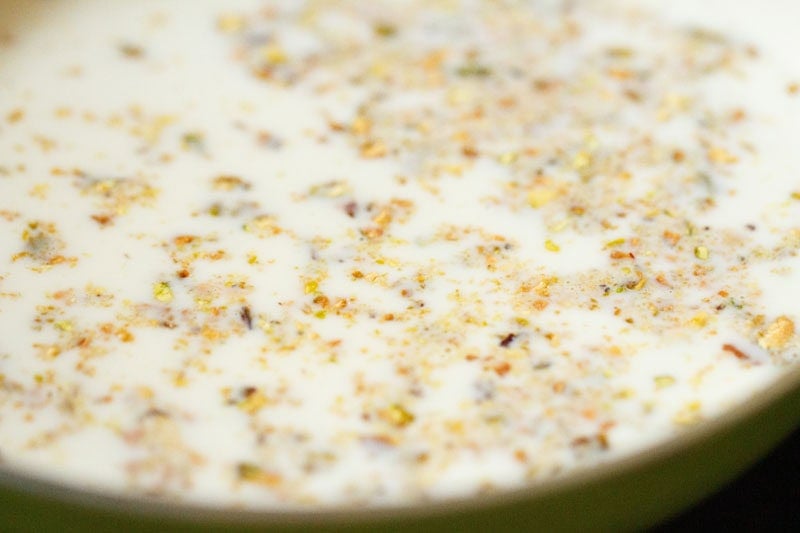
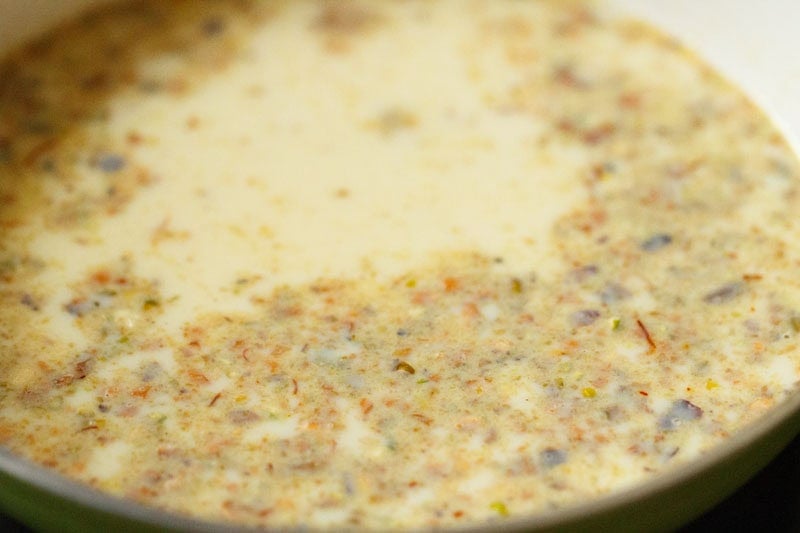
- The Saffron Infusion: This is the most critical stage. High-quality Kashmiri or Iranian saffron is crushed and steeped in sweetened milk. The addition of crushed pistachios during the heating process allows the nut oils to meld with the saffron, creating a "Kesar-Pista" flavor profile that is considered the gold standard of the dish.
- The Architecture of the Glass: Assembly is done in a tall pilsner or sundae glass. The seeds go in first (the foundation), followed by the sev, then the chilled saffron milk. This layering is not merely for show; it ensures that the consumer gets a bit of every texture in every spoonful.
- The Finale: The addition of ice cream provides a thermal contrast—the freezing cream melting slowly into the chilled milk creates a luxurious "slush" consistency toward the end of the experience.
Implications: The Future of Traditional Flavors
The rise of the Kesar Falooda carries broader implications for the global food industry. As consumers move away from highly processed, artificial flavors, the demand for natural coloring agents like saffron and natural thickeners like basil seeds is expected to rise.
Furthermore, the Falooda is becoming a canvas for modern dietary adaptations. We are already seeing the emergence of:
- Vegan Faloodas: Using almond or coconut milk and plant-based ice creams.
- Sugar-Free Variants: Utilizing stevia or monk fruit to cater to the growing diabetic population in South Asia.
- Fusion Iterations: "Falooda Cheesecakes" and "Kesar Falooda Mousses" are appearing on Michelin-starred menus, proving that the flavor profile is versatile enough for fine dining.
In conclusion, the Kesar Falooda is far more than a simple summer refreshment. It is a historical artifact that has survived empires, a scientific marvel of hydration and temperature control, and a testament to the enduring appeal of saffron. As it continues to capture the imagination of food lovers worldwide, the Kesar Falooda stands as a reminder that the most successful modern innovations are often those deeply rooted in the wisdom of the past. Whether served in a plastic cup on a humid street corner in Delhi or in a crystal glass in a London skyscraper, its golden hue remains a universal symbol of indulgence and heritage.