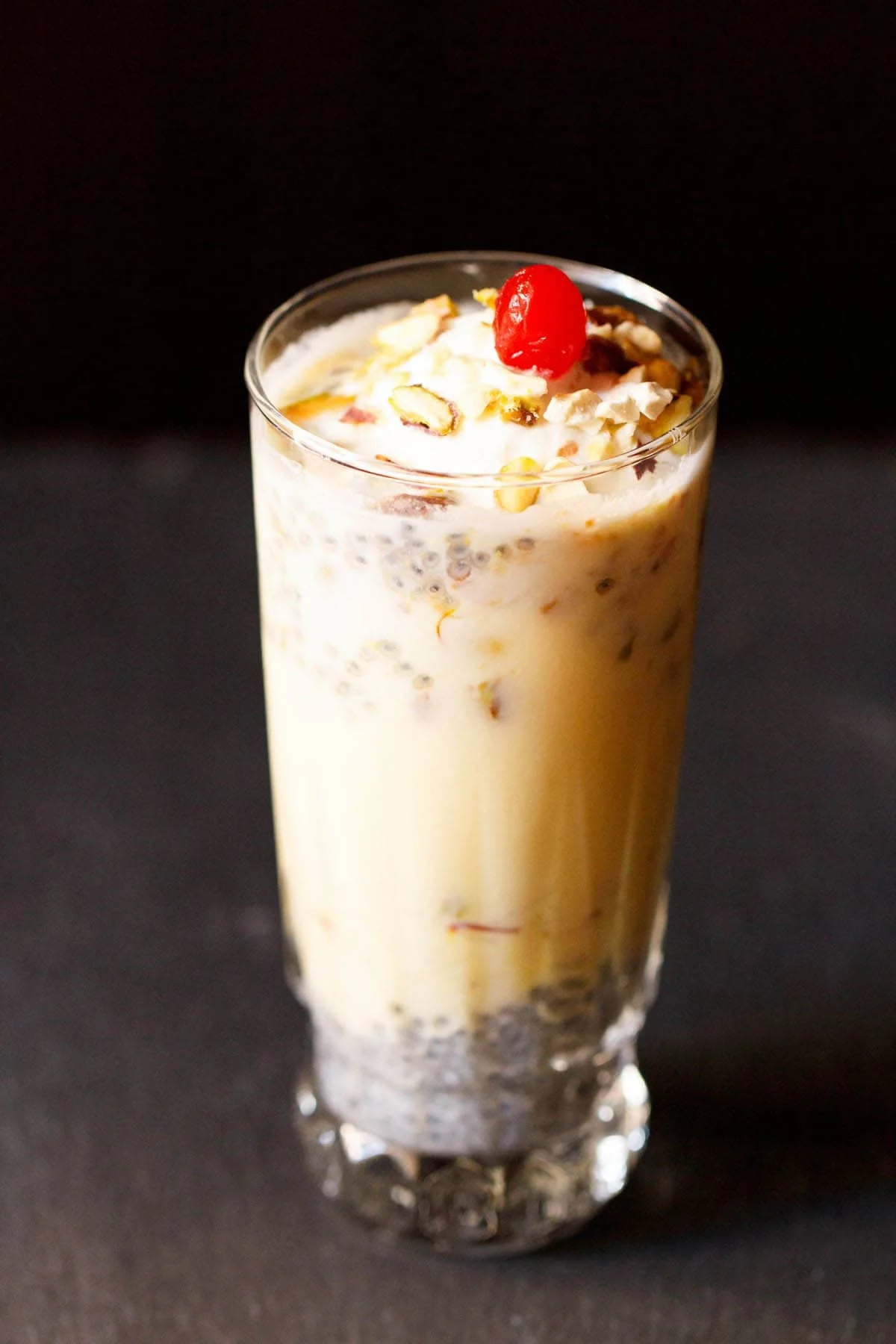
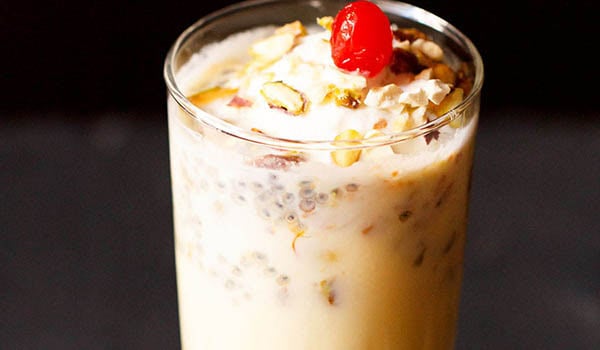
As the sweltering heat of the summer months descends upon the Indian subcontinent and beyond, the culinary landscape shifts toward a singular, cooling objective. Among the myriad of sherbets, lassis, and chilled treats, one dish stands as a pinnacle of indulgence and tradition: the Kesar Falooda. This vibrant, multi-layered dessert drink—a symphony of saffron-infused milk, delicate vermicelli, gelatinous basil seeds, and rich ice cream—has evolved from a royal indulgence into a modern-day cultural icon.
In the contemporary gastronomic world, where fusion often overshadows heritage, Kesar Falooda remains a steadfast reminder of the complexity of Indian flavors. This article explores the intricate construction of this dessert, its historical roots, the science behind its cooling properties, and its burgeoning status in the global luxury food market.
Main Facts: A Symphony of Texture and Aroma
Kesar Falooda is fundamentally defined by its layers. Unlike a standard milkshake or smoothie, the falooda is a structural achievement, designed to provide a different mouthfeel with every sip and spoonful.
The "Kesar" (saffron) variant is widely considered the most premium version of the drink. Saffron, often referred to as "Red Gold," is the world’s most expensive spice by weight. Its inclusion transforms a simple dairy beverage into a luxury experience, imparting a delicate floral aroma and a signature golden hue that is synonymous with festivity and wealth in Indian culture.
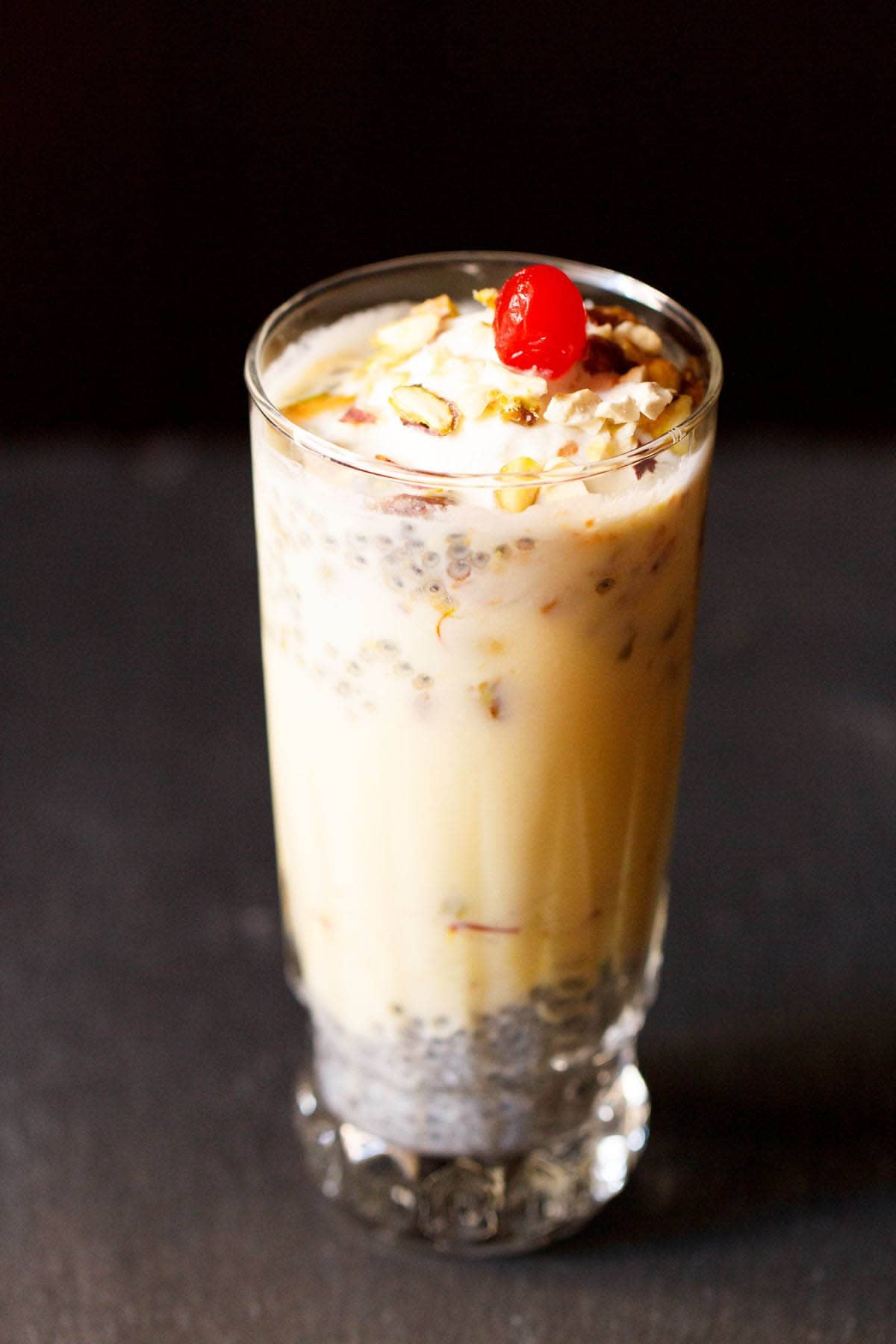
The drink’s primary components include:
- Saffron-Infused Milk: The backbone of the drink, sweetened and chilled to perfection.
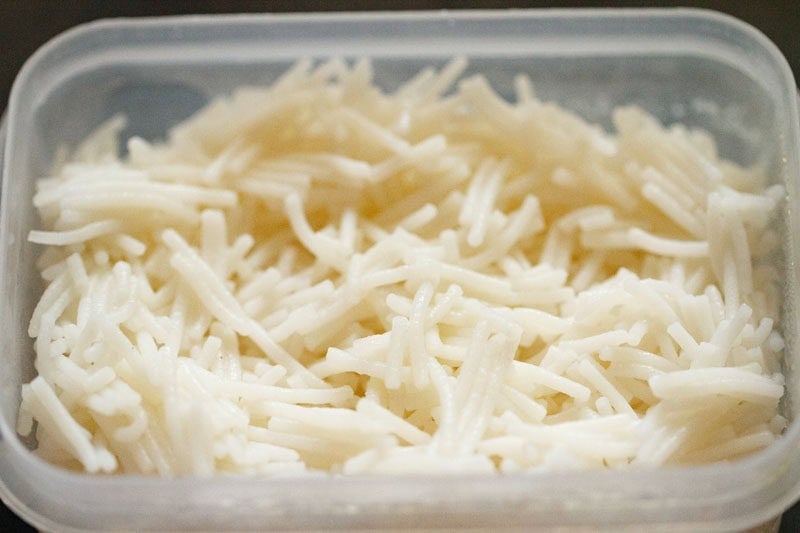
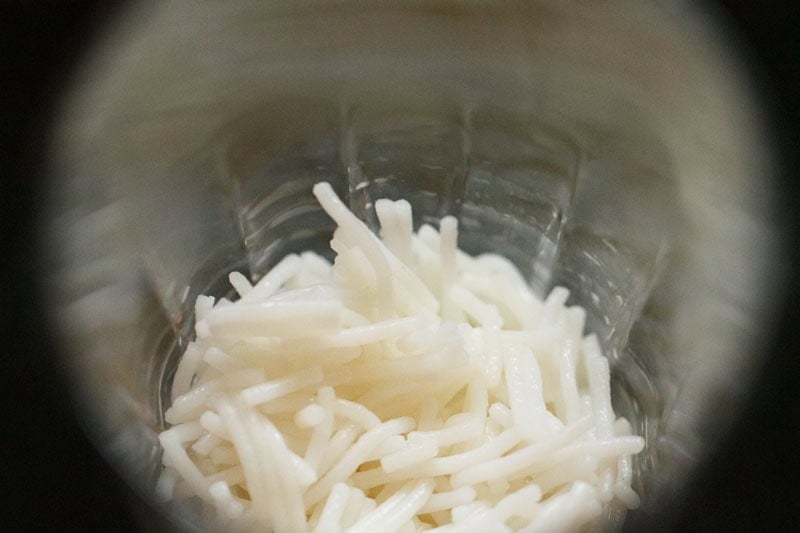
- Falooda Sev: Specifically made cornstarch or wheat vermicelli that provides a soft, noodle-like chew.
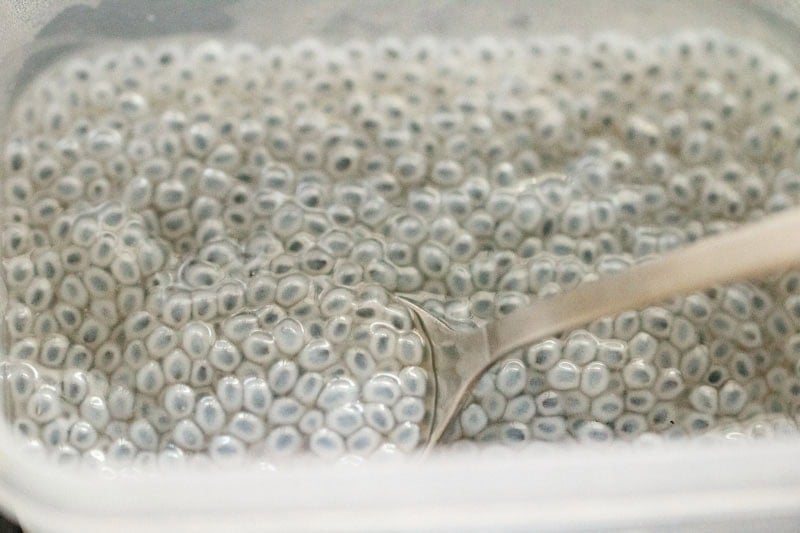
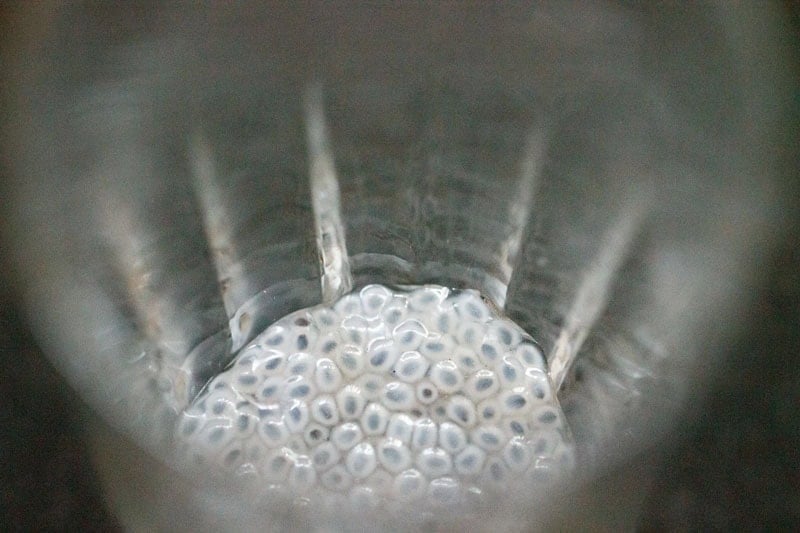
- Sabja Seeds (Sweet Basil Seeds): These seeds, which swell into gelatinous pearls when soaked, are prized for their cooling "tamasic" properties in Ayurvedic medicine.
- Ice Cream and Nuts: Usually topped with a scoop of vanilla, kesar-pista (saffron-pistachio), or kulfi, and garnished with slivered almonds and pistachios.
The Chronology of Creation: An Architectural Approach to Dessert
The preparation of a Kesar Falooda is less about cooking and more about the meticulous assembly of pre-prepared elements. Professional chefs and home cooks alike follow a chronological sequence to ensure the textures remain distinct rather than muddled.
1. The Hydration Phase
The process begins at least 30 minutes before assembly with the soaking of sabja seeds. In their dry state, these seeds resemble tiny black peppercorns. Once submerged in water, they undergo a rapid transformation, developing a translucent outer layer. This hydration is critical; the seeds must be fully gelatinous to provide the necessary textural contrast and to perform their biological function as a digestive aid and body coolant.
2. The Textural Foundation
Simultaneously, the falooda sev is prepared. Depending on the brand, this requires either a quick soak in hot water or a brief boil. The timing is precise—overcooking leads to a mushy texture that disappears into the milk, while undercooking results in a jarring toughness. Once cooked, the sev is immediately plunged into cold water to stop the cooking process and preserve its distinct, slippery strands.
3. The Infusion and Enrichment
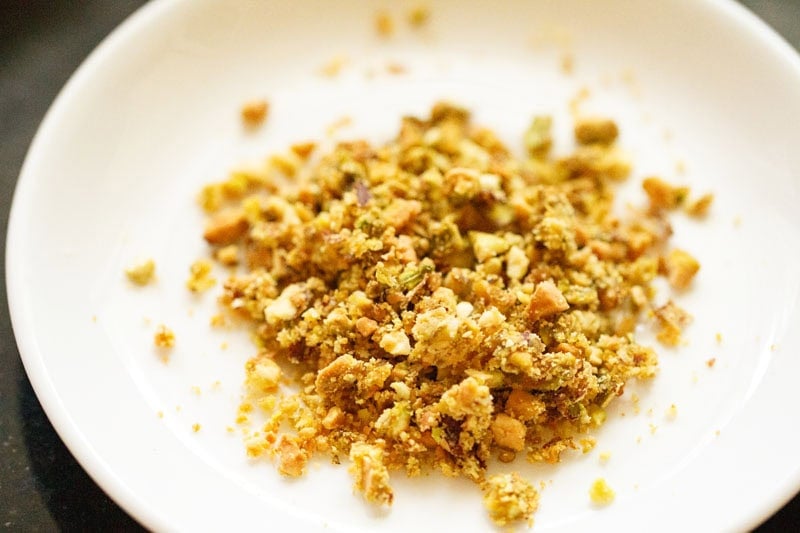
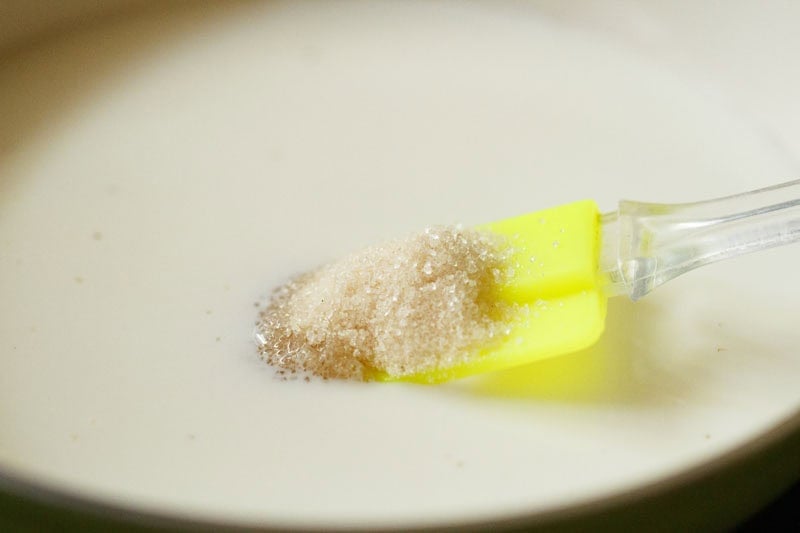
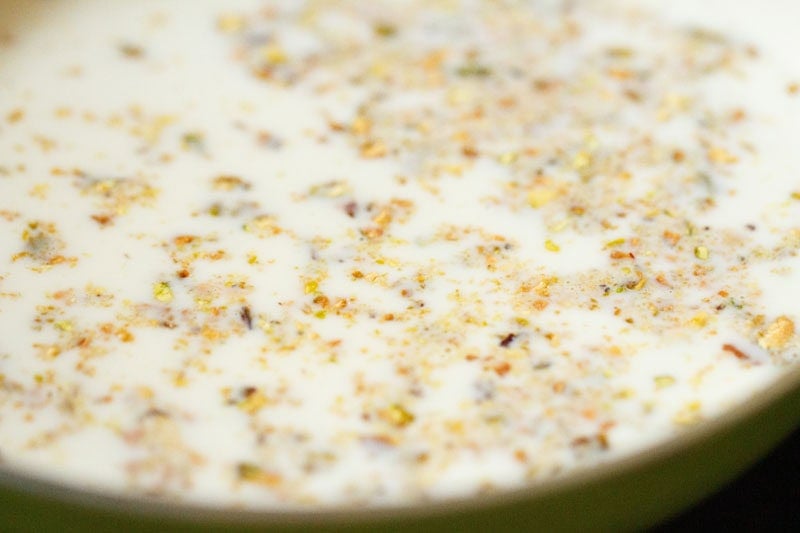
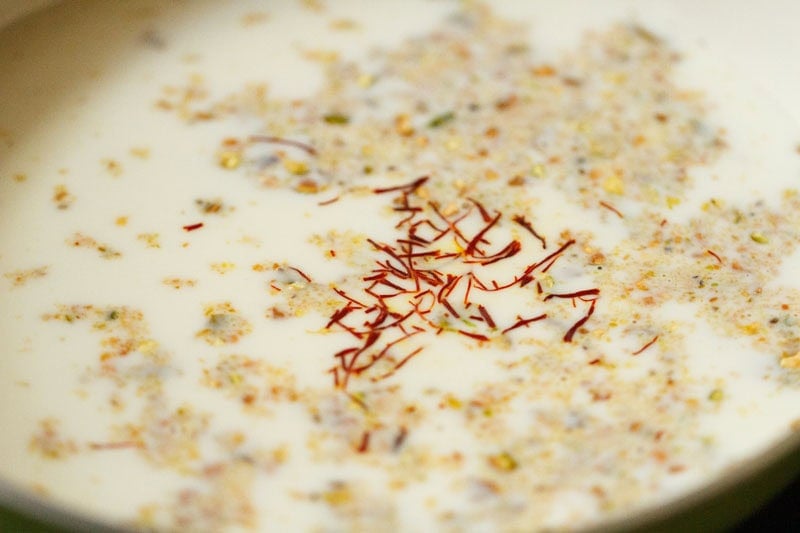
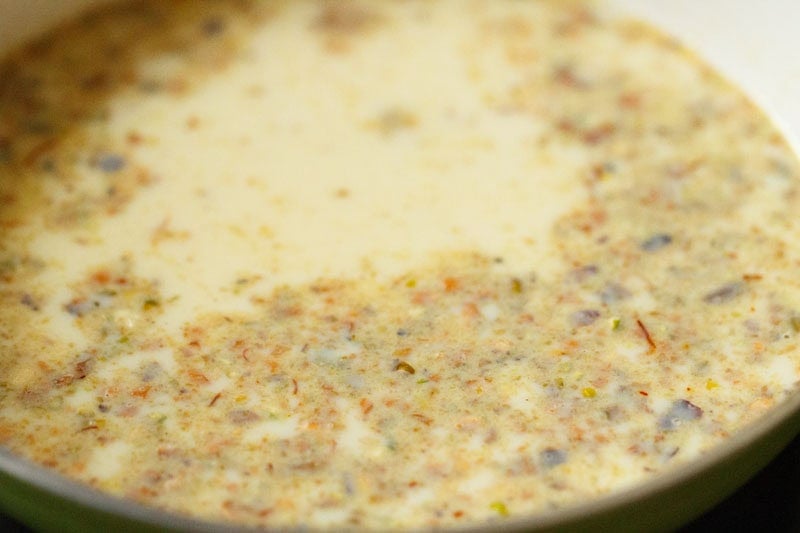
The most critical stage is the preparation of the saffron milk. High-quality saffron strands are lightly crushed and added to warm milk along with sugar. This is not brought to a boil; rather, it is gently heated to allow the crocin (the pigment in saffron) and safranal (the aroma) to bleed into the dairy. Many artisans also add coarsely crushed pistachios and a hint of cardamom at this stage to build a "flavor bridge" between the floral saffron and the creamy milk. The mixture is then chilled until ice-cold.
4. The Final Assembly
The "build" of a Kesar Falooda is a visual art form. It traditionally follows a bottom-up structure:
- Base: A generous layer of soaked sabja seeds.
- Body: A nest of falooda sev.
- Volume: Chilled saffron milk poured over the layers, often aided by a few ice cubes to maintain a sub-zero temperature.
- Crown: A heavy scoop of ice cream, which slowly melts into the milk, creating a gradient of creaminess.
- Garnish: A final flourish of chopped nuts and a glazed cherry, providing a crunch that offsets the soft elements below.
Supporting Data: The Science and Economics of Saffron
The popularity of Kesar Falooda is backed by both nutritional science and market trends.
The Cooling Mechanism
While the ice in the drink provides immediate thermal relief, the sabja seeds and saffron provide long-term physiological benefits. Sabja seeds are rich in fiber and are known in traditional medicine to reduce stomach acidity and body heat. Saffron, despite being a "warm" spice in some contexts, acts as a mild sedative and mood enhancer, which helps in combating the irritability often associated with extreme heat.
Market Growth
According to recent market research on the Indian dairy and dessert industry, the "Traditional-Modern Fusion" segment has seen a 15% year-on-year growth. Kesar Falooda, once limited to street-side vendors and specialized "Falooda Houses," is now a staple in high-end quick-service restaurants (QSRs) and luxury hotels. The premiumization of the drink—using organic saffron and artisanal kulfi—has allowed establishments to position it as a sophisticated alternative to Western desserts like sundaes or parfaits.
Official Responses: Perspectives from the Culinary Elite
Food historians and celebrated chefs have weighed in on the significance of the Falooda in the modern era.
"The Falooda is a beautiful example of the Silk Road’s culinary legacy," says Dr. Aranya Sen, a food historian specializing in South Asian cuisine. "It traces its roots back to the Persian Paloodeh, but it was the Indian subcontinent that introduced the dairy element and the heavy use of Kesar. It is a dish that represents the synthesis of cultures."
Prominent pastry chefs emphasize the importance of the "Saffron Standard." Chef Vikram Mehta, executive chef at a leading Mumbai resort, notes, "When we make Kesar Falooda, we are not just making a drink; we are managing a brand of heritage. If the saffron isn’t of the highest grade—specifically Kashmiri Mongra or Iranian Sargol—the dish loses its soul. Customers today are savvy; they can tell the difference between artificial coloring and the genuine, earthy complexity of real saffron."
Industry experts also point to the "Instagrammability" of the drink as a factor in its resurgence. The vibrant yellow milk, the black pearls of the sabja, and the white ice cream create a vertical gradient that is highly photogenic, driving social media engagement for restaurants.
Implications: The Globalization of a Heritage Treat
The rise of Kesar Falooda has several implications for the global food industry and cultural exchange.
1. The Diaspora Effect
As the Indian diaspora expands, Kesar Falooda is appearing on menus in London, New York, and Dubai. In these markets, it is often introduced as a "Saffron Noodle Parfait" or a "Botanical Milkshake," bridging the gap between exotic curiosity and familiar comfort. This globalization is driving a demand for authentic ingredients like falooda sev and sabja seeds in international supermarkets.
2. Health-Conscious Adaptations
The modern consumer’s focus on health has led to significant innovations in the falooda space. We are now seeing the emergence of "Vegan Kesar Falooda," utilizing almond or coconut milk, and "Sugar-Free" versions using stevia or monk fruit. These adaptations ensure that the traditional flavors remain accessible to a generation that is increasingly wary of high caloric intake.
3. The Saffron Supply Chain
The continued popularity of Kesar-based desserts places a spotlight on the saffron supply chain. This has led to increased support for saffron farmers in the Pampore region of Kashmir, where the unique climate produces some of the world’s best saffron. The demand for Kesar Falooda directly contributes to the economic viability of these agricultural communities.
Conclusion
Kesar Falooda is more than just a seasonal refreshment; it is a layered narrative of history, chemistry, and culinary passion. From the careful soaking of the first basil seed to the final placement of a glazed cherry, the process is a tribute to the idea that dessert can be both a luxury and a comfort.
As culinary trends continue to cycle through various fads, the golden glow of a Kesar Falooda remains a constant. It stands as a testament to the fact that some flavors are timeless, and some traditions are too delicious to ever fade away. Whether enjoyed on a dusty street corner in Old Delhi or in a glass-walled bistro in Manhattan, the Kesar Falooda continues to offer a cooling, golden embrace to all who seek it.