NEW DELHI — As temperatures soar across the Indian subcontinent and global interest in traditional functional foods intensifies, a centuries-old dessert drink is reclaiming its status as the ultimate summer restorative. Kesar Falooda, a sophisticated multi-layered beverage known for its vibrant golden hue and cooling properties, has moved beyond the bustling street stalls of Old Delhi and Mumbai to become a centerpiece of high-end culinary discourse.
Combining the aromatic luxury of saffron (Kesar) with the textural complexity of vermicelli (Sev) and the hydration-boosting power of basil seeds (Sabja), Kesar Falooda represents a unique intersection of Persian heritage and Indian innovation. This report examines the technical artistry, historical evolution, and burgeoning market influence of this iconic refreshment.
I. Main Facts: The Anatomy of a Culinary Icon
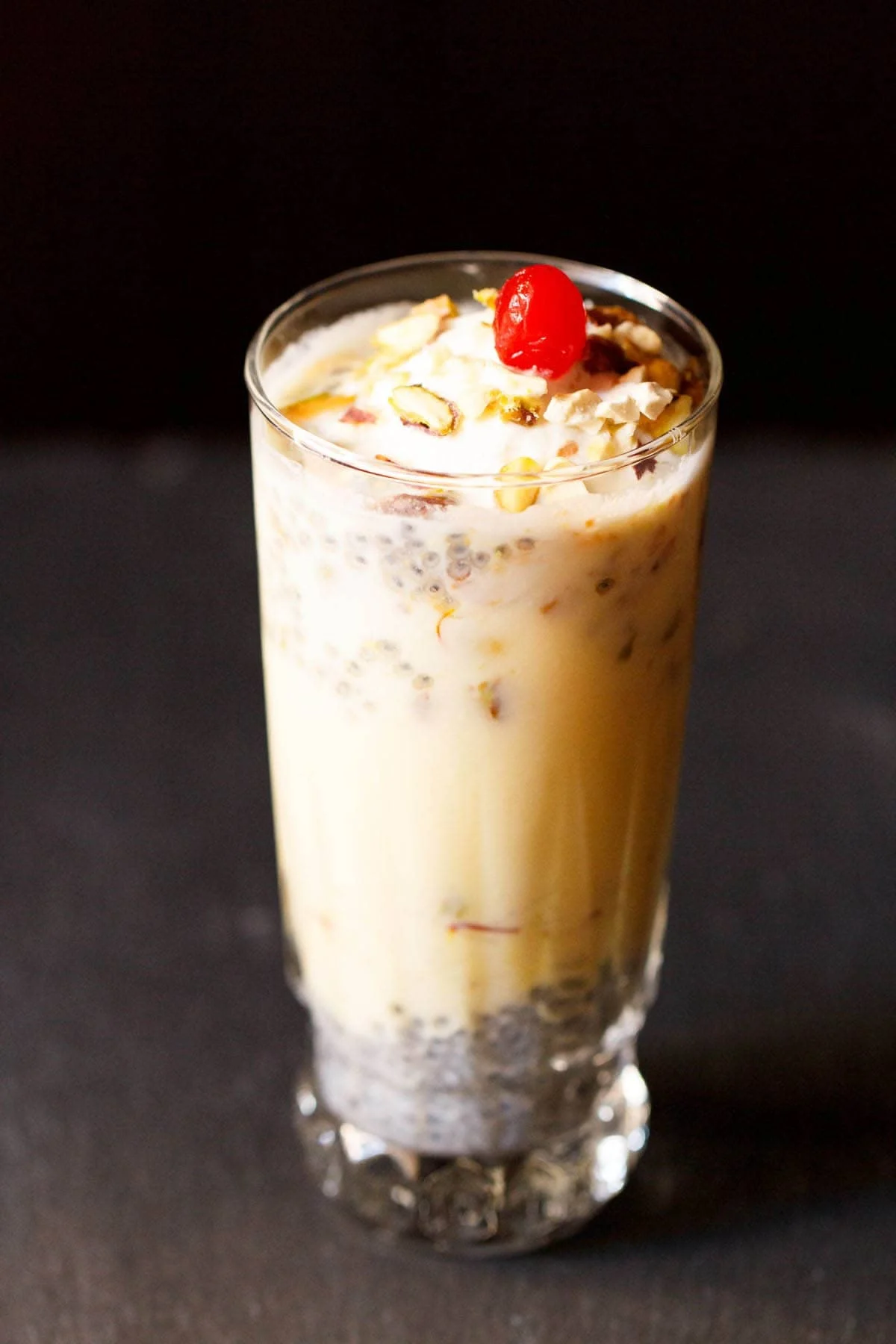
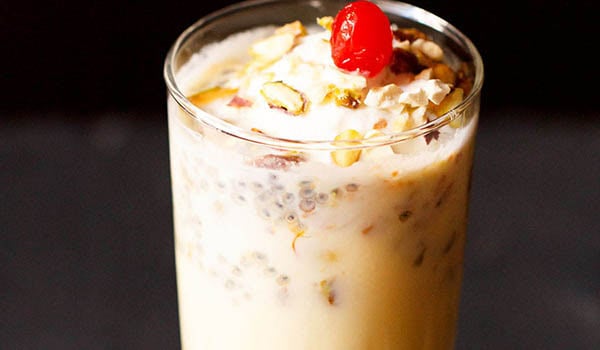
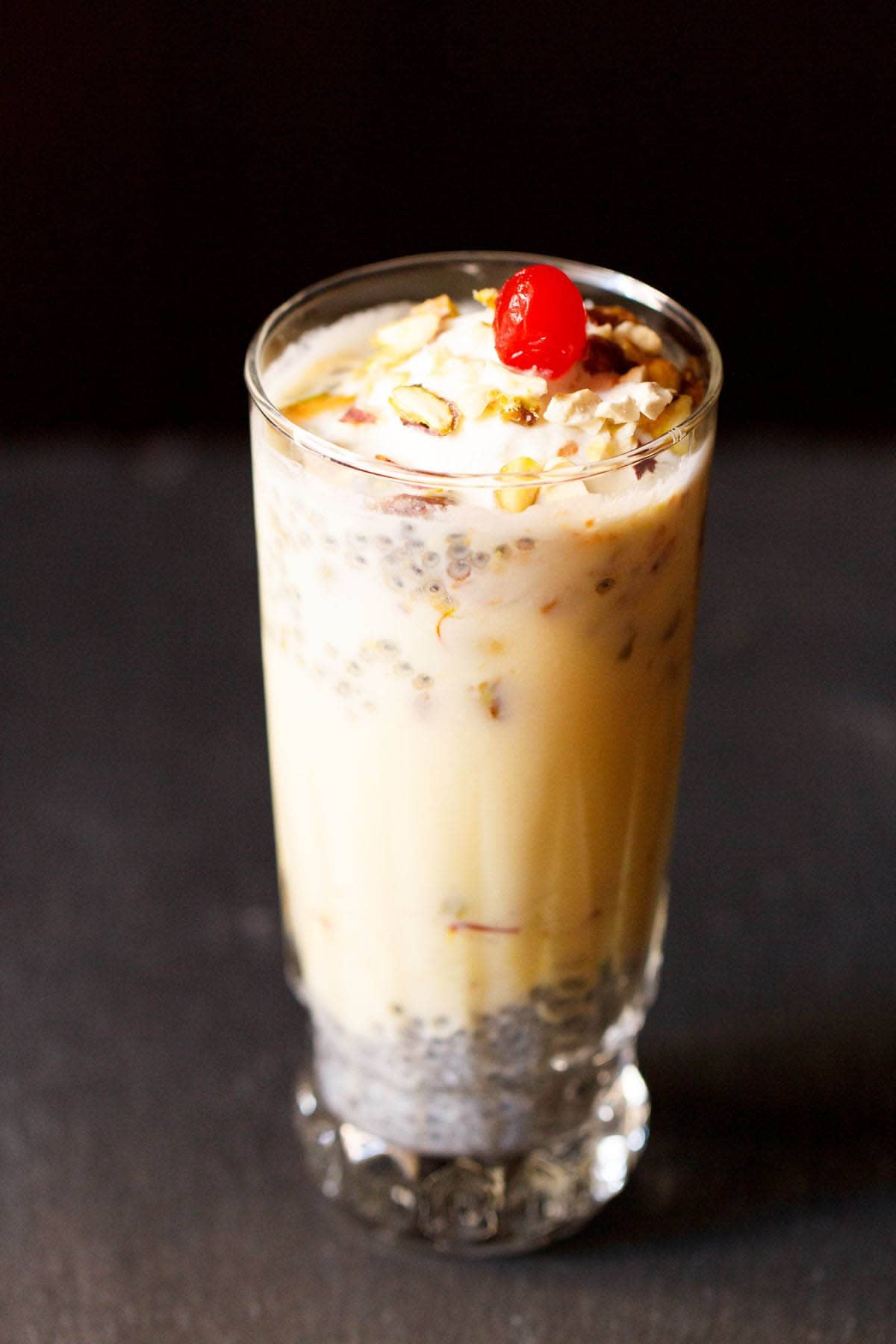
Kesar Falooda is not merely a drink; it is a "dessert beverage" characterized by its distinct layering and specific ingredient synergy. At its core, the dish relies on five pillars of flavor and texture:
- The Infusion: Saffron-flavored milk serves as the liquid base. Unlike the standard rose-flavored faloodas, the Kesar variant utilizes the world’s most expensive spice to provide a delicate floral aroma and a natural golden pigment.
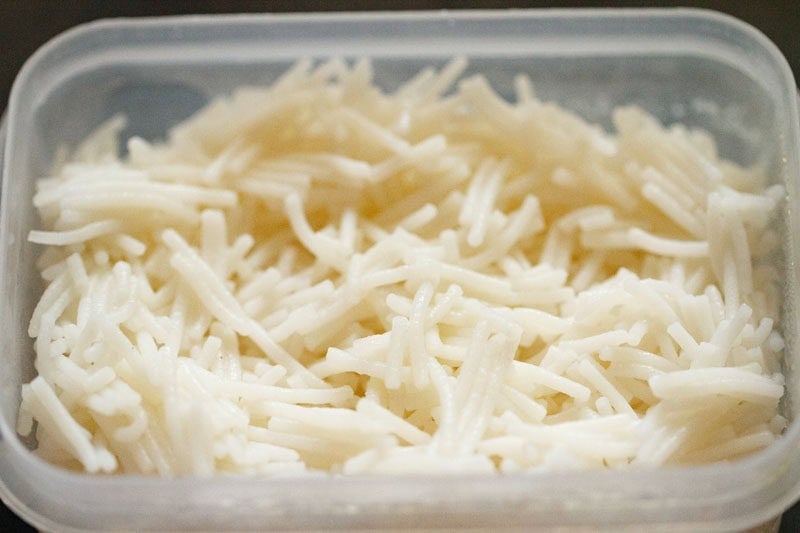
- The Textural Foundation: Falooda Sev, traditionally made from cornstarch or arrowroot, provides a soft, noodle-like bite that distinguishes the drink from simple shakes.
- The Cooling Agent: Sabja (sweet basil) seeds are integral. When soaked, they develop a gelatinous outer layer that is prized in Ayurvedic medicine for its ability to lower body temperature.
- The Indulgence: A crowning scoop of ice cream—typically vanilla, kesar-pista, or traditional kulfi—transforms the beverage into a rich dessert.
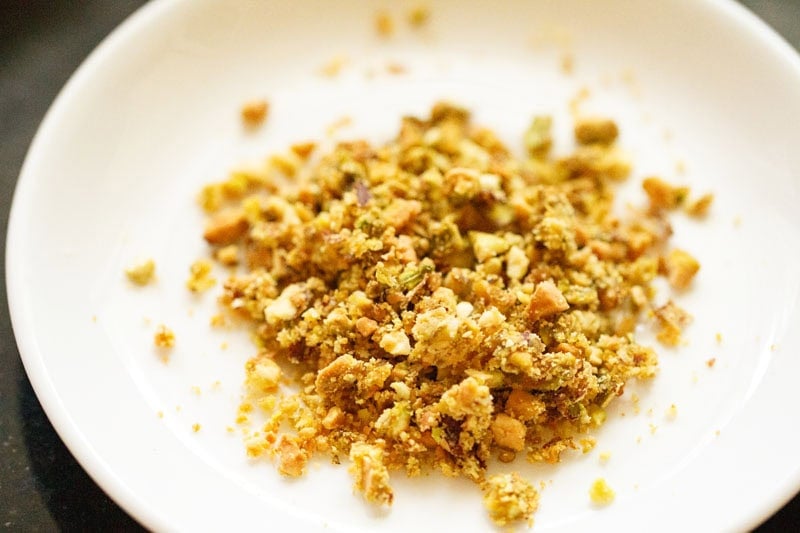
- The Garnish: A meticulous arrangement of crushed pistachios, almonds, and occasionally glazed cherries provides a necessary crunch to counter the soft elements below.
Culinary analysts note that the rise of Kesar Falooda in the contemporary market is driven by a consumer shift toward "heritage flavors." While chocolate and fruit-based desserts remain popular, the specific aromatic profile of saffron and cardamom offers a "premium" experience that resonates with both domestic and international palates.
II. Chronology: From Persian Roots to Modern Preparation
The evolution of Falooda is a testament to the fluid nature of Silk Road gastronomy. Its timeline reflects a transition from a simple frozen starch dish to the complex layered masterpiece seen today.
The Historical Context
The ancestor of the falooda is the Persian faloodeh, which dates back to at least 400 BC. Originally a mixture of vermicelli, semi-frozen sugar syrup, and lime juice, the dish traveled to the Indian subcontinent with the Mughal emperors. Once established in the royal kitchens of India, the recipe evolved significantly. The introduction of dairy—specifically cold, sweetened milk—and the local abundance of spices like saffron and cardamom transformed the dish into the "Falooda" recognized today.
The Modern Preparation Protocol
The construction of a professional-grade Kesar Falooda follows a strict chronological sequence to ensure textural integrity:
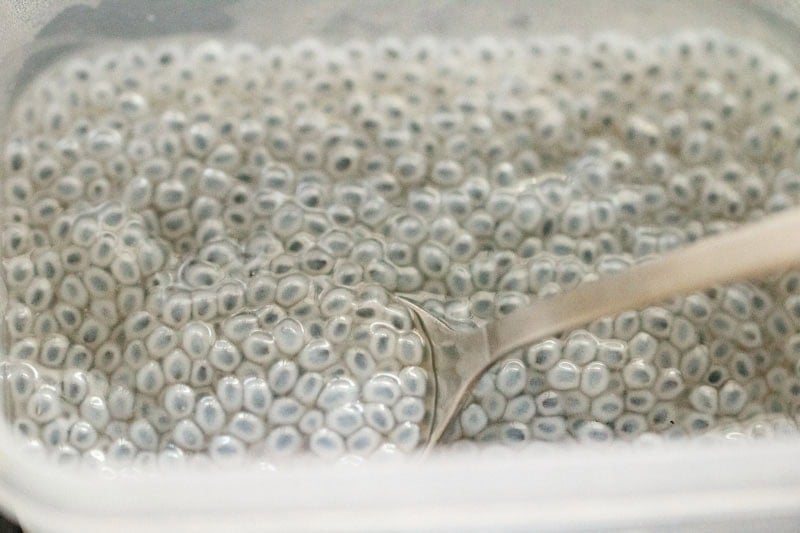
- Phase 1: Hydration (T-Minus 30 Minutes): The process begins with the activation of Sabja seeds. Two teaspoons of seeds are submerged in water, where they swell to several times their size, becoming translucent pearls.
- Phase 2: Starch Preparation: The Falooda Sev is cooked according to its specific composition. Whether made from wheat or cornstarch, it must be boiled until soft but al dente, then immediately cooled to prevent clumping.
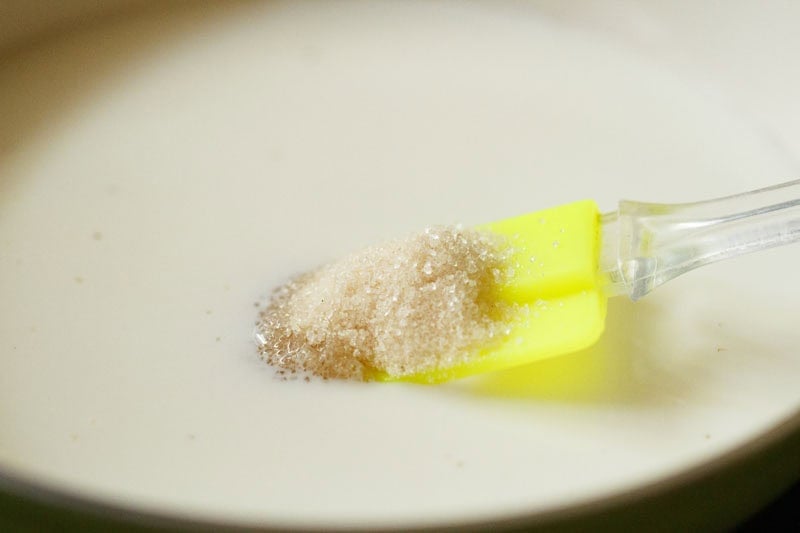
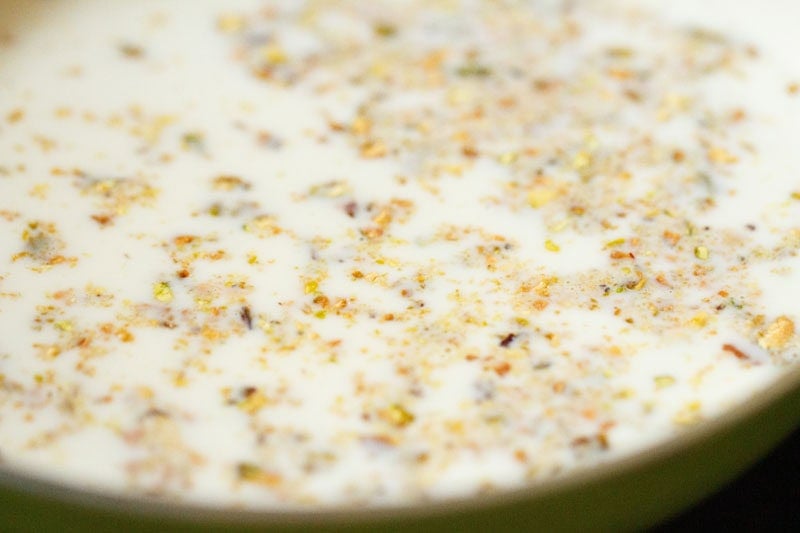
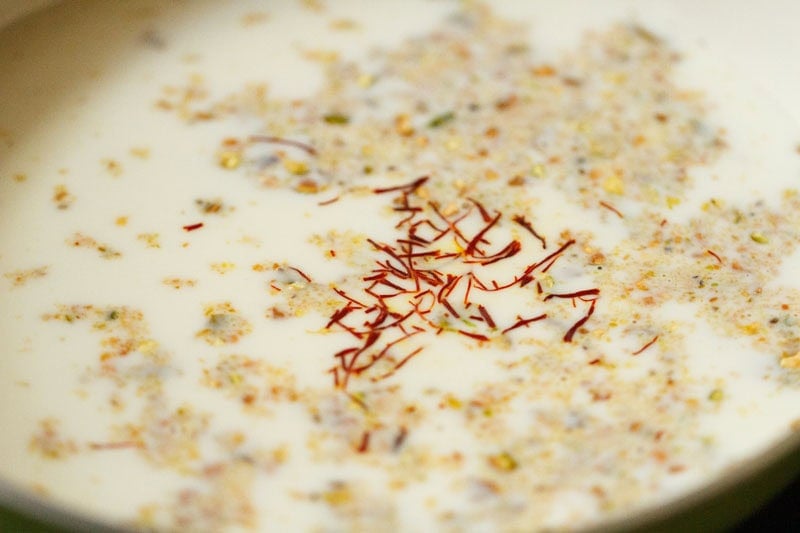
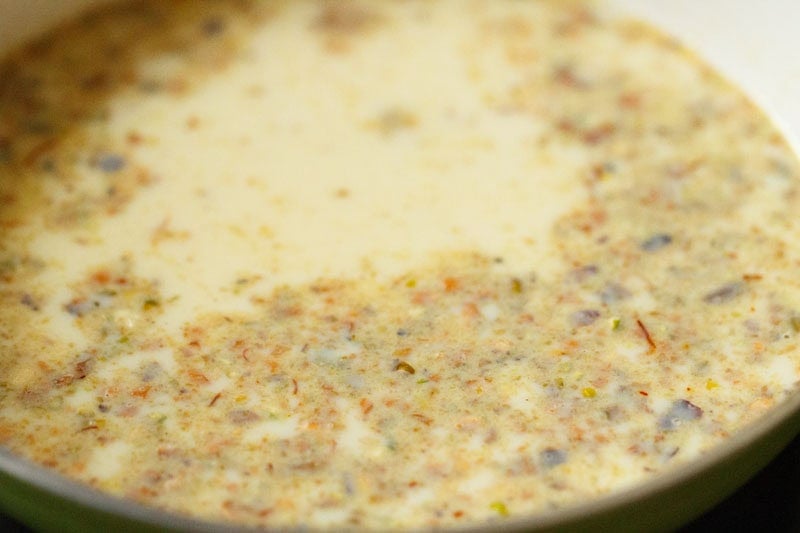
- Phase 3: The Saffron Infusion: This is the critical "Kesar" stage. Milk is gently warmed—never boiled—with sugar and crushed saffron strands. This slow warming allows the crocin (the pigment in saffron) to bleed into the milk, creating a deep yellow hue and releasing the safranal (the aroma). Often, crushed pistachios and a hint of cardamom are added at this stage to build a complex flavor profile.
- Phase 4: Assembly (The Layering): Precision is required during the final assembly. The seeds are placed first, followed by the sev and ice cubes. The chilled saffron milk is poured over, followed by a second layer of seeds and sev to ensure the consumer gets every element in every spoonful. The final act is the addition of the ice cream and the nut garnish.
III. Supporting Data: The Science of Cooling
The popularity of Kesar Falooda during festive occasions and heatwaves is supported by more than just tradition; there is a biological rationale behind its ingredients.
Nutritional and Thermal Regulation
Data from nutritional studies highlight the "functional" nature of the falooda’s components:
- Basil Seeds (Sabja): These seeds are high in alpha-linolenic acid (ALA) and fiber. More importantly, in traditional medicine systems, they are classified as "refrigerants." Their high mucilage content helps in gradual water release, aiding in sustained hydration.
- Saffron: Beyond its color, saffron contains antioxidants like crocin, picrocrocin, and safranal. Studies suggest these compounds have mild sedative and anti-inflammatory properties, which can help mitigate the stress of extreme heat.
- The Satiety Factor: Because it contains complex carbohydrates (sev), fats (milk/ice cream), and fiber (seeds), a single serving of Kesar Falooda functions as a high-calorie "liquid meal," providing an energy boost that is often necessary during long summer days or periods of fasting.
Market Trends
According to recent food service industry reports, the "Ethnic Dessert" sector has seen a 15% year-on-year growth in urban Indian markets. Kesar-flavored products specifically command a 22% premium over standard flavors like chocolate or strawberry, indicating a high consumer "willingness to pay" for the perceived luxury of saffron.
IV. Official Responses: Culinary Experts Weigh In
The culinary community views Kesar Falooda as a bridge between the past and the future.
Chef Vikram Mehta, a consultant for luxury hospitality groups, states:
"Kesar Falooda is the ultimate expression of the Indian summer. What we are seeing now is a ‘Gourmet Renaissance.’ Chefs are no longer just using syrup; they are sourcing organic saffron from Pampore and hand-pressing their own vermicelli. It’s about returning to the artisanal roots of the dish while maintaining the visual spectacle that social media demands."
Nutritionist Dr. Ananya Rai comments on the health aspect:
"While Falooda is undeniably a high-sugar treat, the inclusion of Sabja seeds and saffron provides real physiological benefits. We often recommend the ‘Sabja’ component to patients struggling with acidity or heat-related digestive issues. When made with reduced sugar or alternative sweeteners, it becomes a very effective recovery drink."
Industry Spokesperson for the Indian Dairy Association:
"The demand for high-quality milk and cream specifically for traditional desserts like Kesar Falooda and Rabri peaks between March and July. We have seen a significant increase in the sales of ‘full-cream’ variants, as consumers seek that authentic, rich mouthfeel that defines a proper Falooda."
V. Implications: The Global Reach and Future of the Dish
The resurgence of Kesar Falooda has several implications for the global food industry and cultural preservation.
1. Global Fusion and Export
As the Indian diaspora expands, Falooda is appearing on menus in London, New York, and Dubai. However, it is also being adapted. "Vegan Kesar Falooda," using almond or oat milk and coconut-based ice cream, is becoming a staple in health-conscious urban centers. This adaptability ensures the dish’s survival in an era of changing dietary preferences.
2. Standardization vs. Artistry
The rise of "Instant Falooda Mixes" poses a challenge to traditional methods. While these kits make the dessert accessible, purists argue that the delicate infusion of saffron strands cannot be replicated by synthetic powders. This has led to a "Tiered Market": mass-produced versions for convenience and "Craft Faloodas" for connoisseurs.
3. Preservation of Heritage
The documentation of specific recipes—such as the infusion of pistachios directly into the milk rather than just as a garnish—helps preserve regional nuances. Kesar Falooda serves as a cultural ambassador, introducing the complexities of Indian spice science to a global audience through the approachable medium of a cold dessert.
4. Economic Impact on Saffron Farming
The sustained popularity of Kesar-based desserts provides a critical economic lifeline to saffron farmers in the Kashmir valley. As culinary demand for "real saffron" grows, it incentivizes the protection of these traditional agricultural landscapes against the threat of cheaper, adulterated imports.
In conclusion, Kesar Falooda remains a masterpiece of culinary balance. It manages to be simultaneously ancient and modern, indulgent and functional, local and global. As we move into an era where consumers value the "story" behind their food as much as the taste, the golden threads of saffron in a glass of Falooda continue to weave a narrative of luxury, history, and cooling relief.