

HYDERABAD – In a significant crackdown on the food and hospitality sector, the Telangana Food Safety Department has intensified its enforcement drives, uncovering a trail of egregious hygiene violations, expired ingredients, and hazardous kitchen practices. Recent inspections conducted on Wednesday, May 20, across the state capital and Karimnagar have sent shockwaves through the local community, revealing a blatant disregard for public health protocols at popular dining establishments.
From the upscale surroundings of fine-dine restaurants and craft breweries in Hyderabad to neighborhood bakeries in Karimnagar, the findings of the enforcement officials have painted a grim picture of the state’s food industry. The raids resulted in the immediate seizure and disposal of large quantities of contaminated food and the initiation of legal proceedings under the Food Safety and Standards Act.
Main Facts: A Catalog of Culinary Negligence
The inspections targeted three primary locations: Urban Monk Fine Dine and Baking in LB Nagar, Meld Haus brewery in Nagole, and Ganesh Bangalore Bakery in Karimnagar. While each establishment catered to different demographics, the underlying issues were alarmingly similar: a lack of sanitation, the use of spoiled raw materials, and the potential endangerment of thousands of unsuspecting consumers.
The Hyderabad Findings: Pests and Recycled Oil
At Urban Monk Fine Dine and Baking, located in the bustling LB Nagar area, food safety officers (FSOs) reported a "disturbing" lack of basic hygiene. The inspection team noted active pest infestations within the kitchen and storage areas, suggesting a failure in regular pest control measures. Furthermore, officials identified expired and mislabelled food products that were still being used in the preparation of meals.
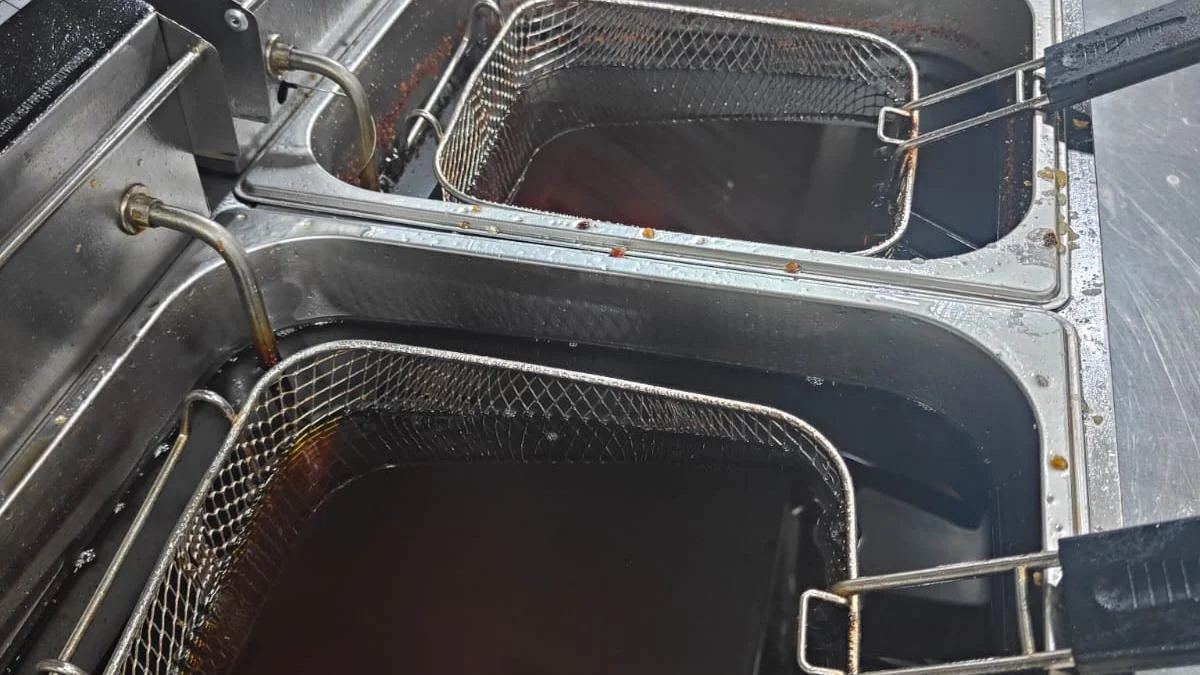
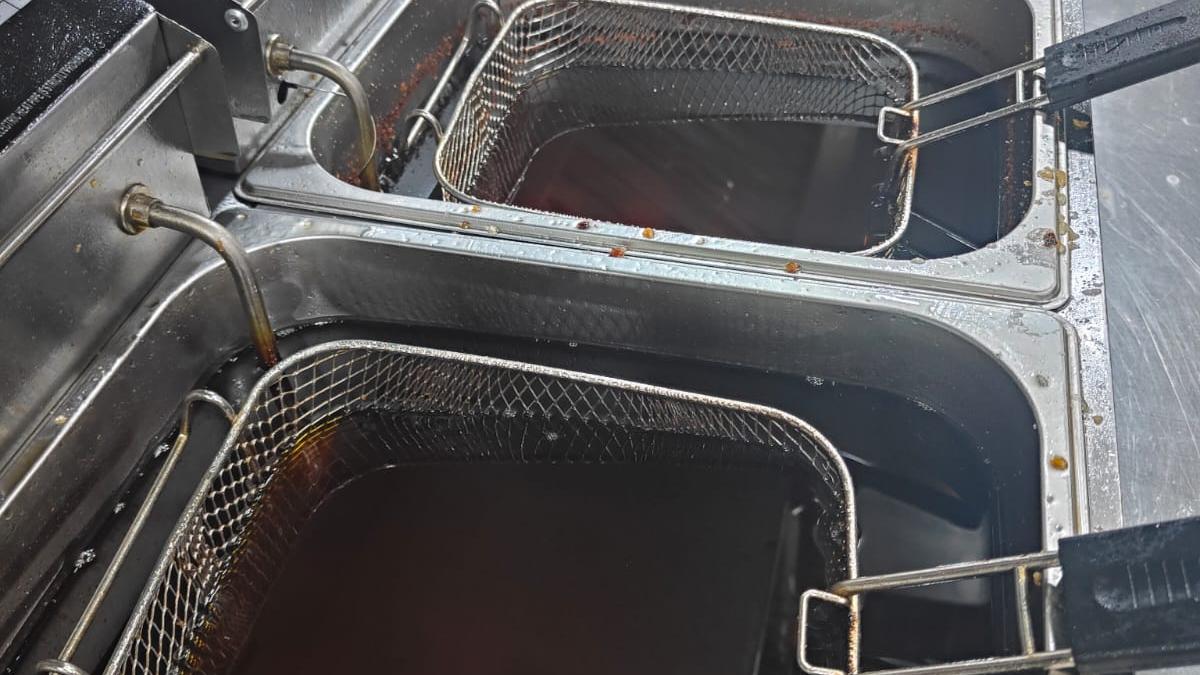
Perhaps most concerning was the suspected reuse of cooking oil. In the culinary industry, the repeated heating of cooking oil leads to the formation of Total Polar Compounds (TPC), which are linked to various cardiovascular diseases and carcinogenic risks. Samples were collected to verify if the oil exceeded the permissible limits set by the Food Safety and Standards Authority of India (FSSAI).
Simultaneously, at Meld Haus, a popular brewery in Nagole, similar violations were recorded. Beyond the storage of expired goods, the establishment failed to maintain proper sanitary conditions, with food storage practices described as "improper" and "unhygienic," leading to a high risk of cross-contamination.
The Karimnagar Discovery: The "Spoiled Egg" Scandal
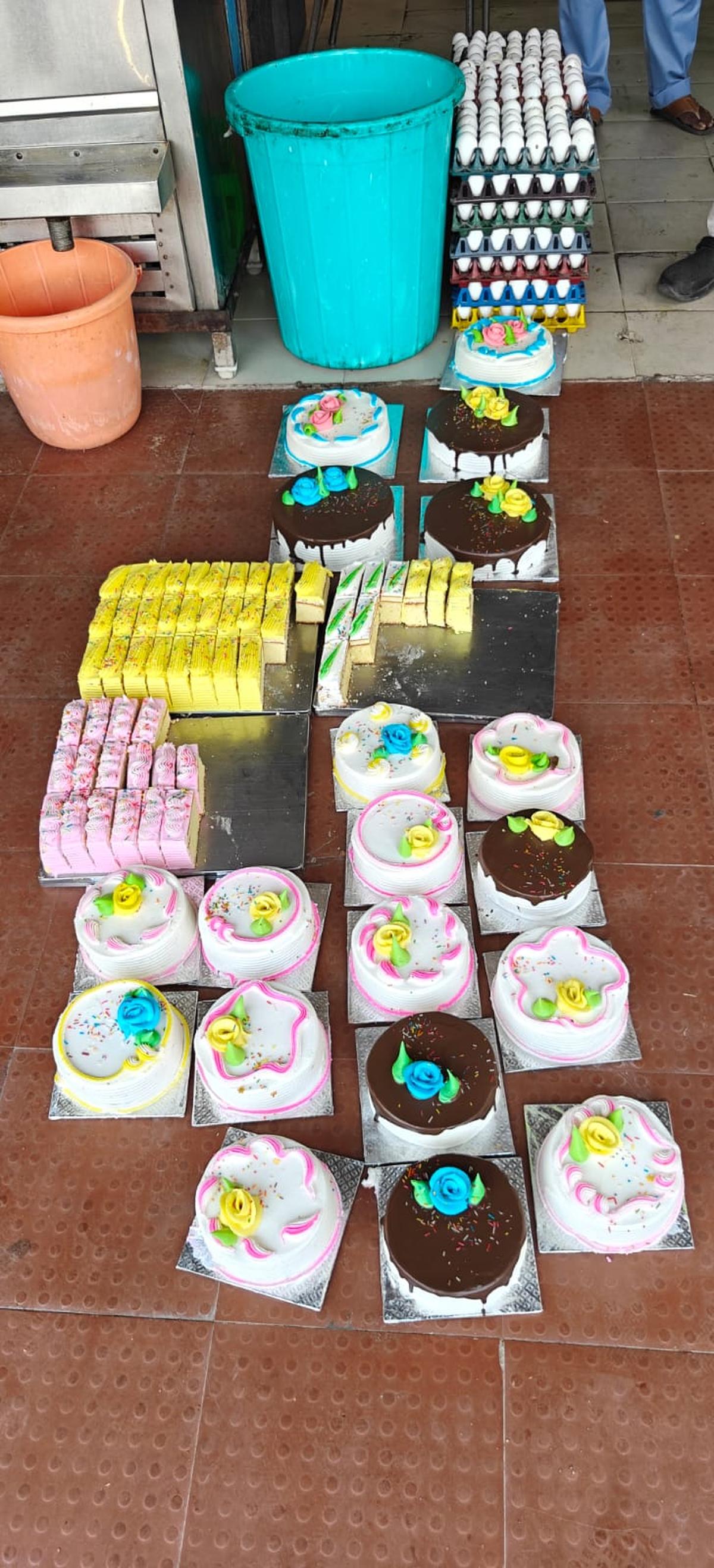
While the Hyderabad raids focused on systemic hygiene failures, the inspection at Ganesh Bangalore Bakery in Subhash Nagar, Karimnagar, revealed a more visceral health hazard. Officials discovered 750 damaged eggs that were in an advanced state of decay. According to the department’s report, the eggs were foul-smelling and heavily infested with houseflies, yet they remained in the bakery’s inventory.
Suspecting that these spoiled eggs were being used as a primary ingredient for confectionery items, the authorities took the proactive step of discarding 20 kg of freshly prepared cakes. The move was a preventive measure to stop a potential outbreak of foodborne illnesses such as Salmonellosis or E. coli infections.
Chronology of the Crackdown
The events of May 20 and the subsequent fallout followed a structured enforcement timeline:
- Wednesday Morning (May 20): Task force teams, acting on intelligence and routine surveillance schedules, fanned out across the LB Nagar and Nagole zones of Hyderabad.
- Mid-Day (May 20): Simultaneous raids were conducted in Karimnagar’s Subhash Nagar. The discovery of the 750 spoiled eggs led to an immediate escalation of the inspection.
- Wednesday Evening: Enforcement officers at all sites performed "on-the-spot" disposal of hazardous materials. Expired sauces, mislabelled spices, and the 20kg of suspect cakes were destroyed using chemical neutralizers or buried to prevent retrieval.
- Sample Collection: Official "enforcement samples" were bottled, sealed, and sent to the State Food Laboratory for comprehensive chemical and microbiological analysis.
- May 21, 12:10 AM: The Telangana Food Safety Department issued an official press note via social media and news outlets, detailing the violations and naming the non-compliant establishments to inform the public.
Supporting Data: The Scale of Seizures
The data released by the Commissioner of Food Safety, Telangana, highlights the quantitative scale of the negligence. The following items were seized or discarded during the single-day operation:
- Karimnagar (Ganesh Bangalore Bakery):
- 750 foul-smelling, damaged eggs.
- 20 kg of prepared cakes (suspected contamination).
- Multiple unlabelled food additives.
- Hyderabad (Urban Monk & Meld Haus):
- Unspecified quantities of expired dairy and condiments.
- Samples of used cooking oil (sent for TPC testing).
- Non-compliant food packaging materials lacking FSSAI license numbers and manufacturing dates.
The department emphasized that the "Total Polar Compounds" in cooking oil should not exceed 25%. Any value above this makes the oil unfit for human consumption. The suspected reuse of oil at Urban Monk is being treated as a high-priority violation due to its long-term health implications for regular patrons.
Official Responses and Legal Framework
The Telangana Food Safety Department has adopted a zero-tolerance policy regarding these violations. In their official statement, the department confirmed that "necessary action is being initiated against the Food Business Operators (FBOs) concerned under the provisions of the Food Safety and Standards Act, 2006."

The Food Safety and Standards Act (FSSAI)
Under Indian law, FBOs found in violation of hygiene and safety standards face a range of penalties:
- Improvement Notices: For minor hygiene lapses, establishments may be given a timeframe to rectify issues.
- Monetary Fines: Fines can range from ₹1 lakh to ₹10 lakhs depending on the severity of the "unsalutary" conditions.
- Suspension/Cancellation of License: For serious threats to life (such as the use of spoiled eggs), the department has the authority to permanently revoke the establishment’s operating license.
- Criminal Prosecution: In cases where food consumption leads to injury or death, the owners can face imprisonment.
A senior official from the department, speaking on condition of anonymity, stated: "Our goal is not just to punish but to ensure that the food served to the citizens of Telangana is safe. Using spoiled eggs or reused oil is a criminal neglect of duty toward the customer. We are expanding these raids to every district to ensure compliance."
Implications for the Food Industry and Public Health
The recent raids have significant implications for both the hospitality industry and the general public.
1. Consumer Trust and Awareness
These high-profile inspections are part of a broader "name and shame" campaign by the Telangana government. By publishing the names of violating restaurants on platforms like X (formerly Twitter), the department is empowering consumers to make informed choices. However, the discovery of such violations at popular "fine-dine" spots suggests that price point and decor are no longer reliable indicators of kitchen hygiene.
2. The Health Risks of Spoiled Ingredients
The 750 spoiled eggs found in Karimnagar represent a massive biological risk. Spoiled poultry products are breeding grounds for Salmonella, which can cause severe dehydration, fever, and abdominal cramps. In vulnerable populations—children, the elderly, and the immunocompromised—such infections can be fatal. The decision to discard 20 kg of cake likely prevented a localized epidemic of food poisoning.
3. Economic Impact on the Hospitality Sector
For the industry, these raids serve as a wake-up call. The cost of maintaining high hygiene standards—regular pest control, fresh oil, and quality-assured ingredients—is significantly lower than the legal fees, fines, and loss of reputation resulting from an FSSAI crackdown. Industry experts suggest that these raids may lead to a temporary dip in dining out as consumers wait for the "dust to settle."
4. Systematic Reforms
The frequency of these raids indicates a shift in governance. Telangana is moving toward a more rigorous, data-driven approach to food safety. The department is reportedly looking into mandatory "Hygiene Rating" displays at the entrance of every restaurant, similar to international standards in the UK and Singapore.
Conclusion: A Call for Vigilance
The revelations at Urban Monk, Meld Haus, and Ganesh Bangalore Bakery are a stark reminder that food safety is a continuous process, not a one-time certification. While the Telangana Food Safety Department has successfully intervened in these instances, the sheer volume of violations discovered in a single day suggests that many more establishments may be operating under sub-standard conditions.
As the department continues its laboratory analysis of the collected samples, the legal process will take its course. For the citizens of Hyderabad and Karimnagar, the message is clear: vigilance is paramount. The department encourages the public to report any suspicious activities or unhygienic conditions through official channels, ensuring that the "plate to mouth" journey remains a safe one for all.
The Telangana Food Safety Department’s proactive stance marks a turning point in the state’s public health strategy, signaling that no establishment—regardless of its popularity or location—is above the law when it comes to the safety of the food it serves.
