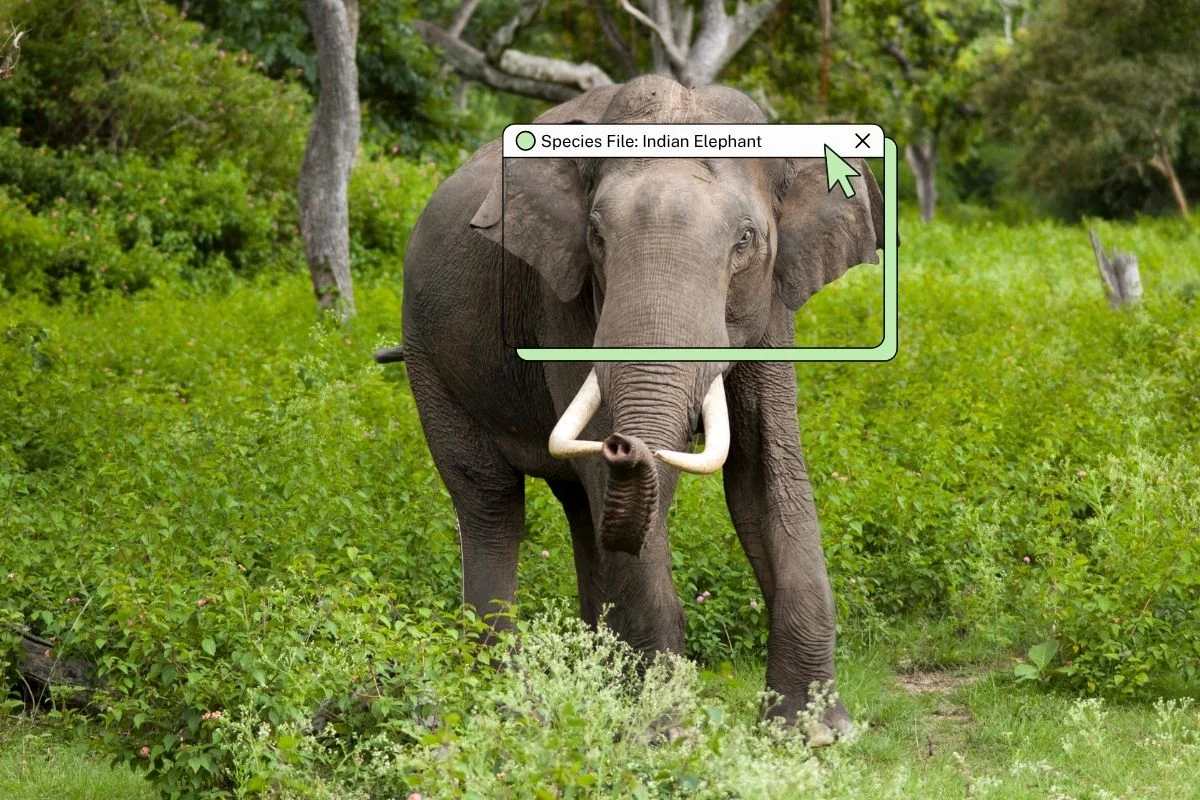
In the mist-shrouded peaks of Arunachal Pradesh, a discovery has recently upended long-standing biological assumptions about the range and adaptability of the Asian elephant. At an elevation of 3,266 meters, researchers confirmed the presence of the Indian elephant (Elephas maximus indicus), marking what is believed to be the highest recorded altitude for the species anywhere in the world. This milestone, while a testament to the animal’s resilience, serves as a poignant backdrop to the complex struggle for survival facing India’s National Heritage Animal.
As India grapples with the dual pressures of rapid infrastructure development and climate change, the Indian elephant finds itself at a crossroads. While the country remains the primary stronghold for the subspecies, the shrinking of contiguous habitats and the rise of human-elephant conflict (HEC) pose existential threats to a creature that has defined the subcontinent’s ecological and cultural identity for millennia.
I. Main Facts: The Biology and Status of a Megafauna Icon
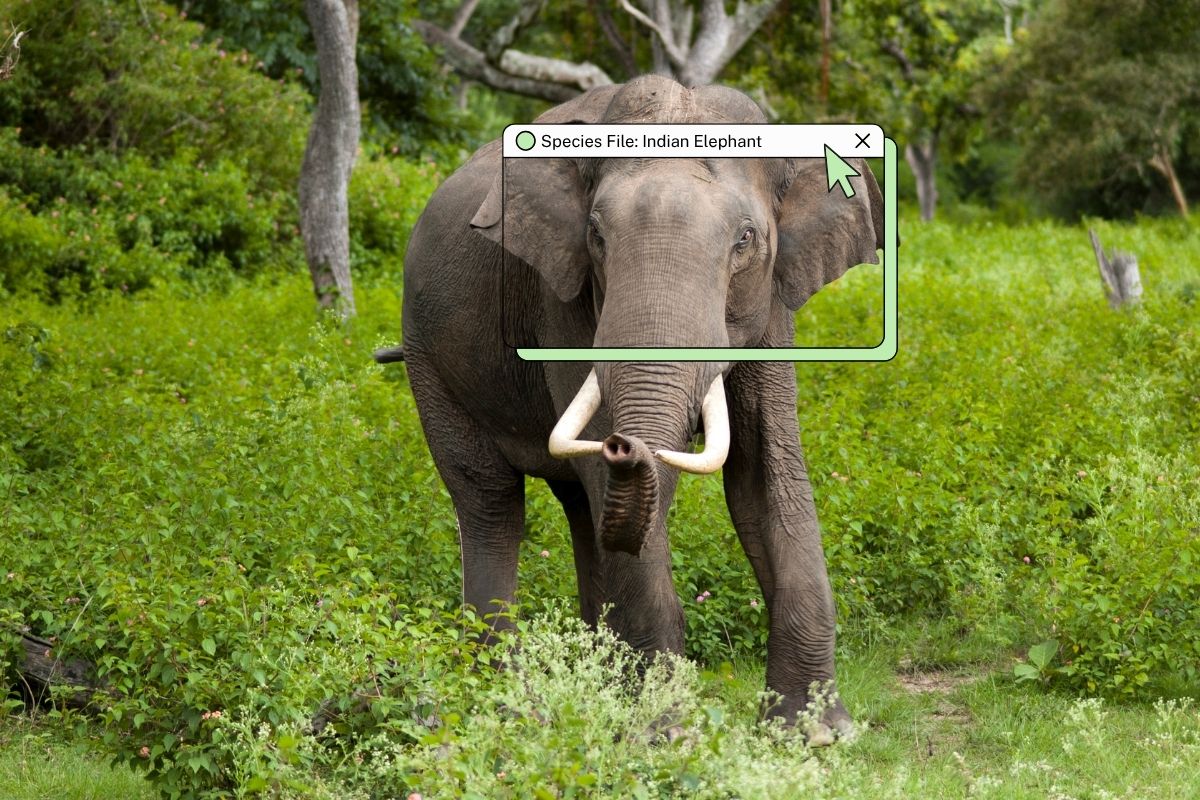
The Indian elephant is one of three recognized subspecies of the Asian elephant. Distinct from its African counterparts, the Indian elephant is characterized by its smaller ears, a more rounded back, and a twin-domed head with a single finger-like process at the tip of the trunk. In this subspecies, tusks are generally restricted to males, though many males—known as makhnas—are tuskless, a genetic trait that is increasingly observed in various populations.
Key Statistics and Conservation Status
- Total Population: Approximately 50,000 Asian elephants remain in the wild across 13 range countries.
- India’s Share: India hosts roughly 22,446 individuals, nearly half of the global population.
- Legal Protection: Listed under Schedule I of the Wildlife (Protection) Act, 1972, providing it the highest level of legal protection in India.
- International Status: Classified as "Endangered" on the IUCN Red List and listed in Appendix I of CITES, which prohibits international trade in the species or its parts.
Social Complexity and Intelligence
Elephants are among the most cognitively advanced mammals on Earth. They live in a complex matriarchal society where the oldest and most experienced female leads the herd. These matriarchs hold the "ecological memory" of the group, remembering the locations of water sources and migratory routes through decades of seasonal changes. Their communication is equally sophisticated, utilizing a range of vocalizations from trumpets to low-frequency infrasonic calls that can travel through the ground for several kilometers, allowing disparate groups to coordinate movements.
II. Chronology: From Forest Kings to Fragmented Residents
The history of the Indian elephant is a timeline of receding horizons. Historically, elephants roamed across the entirety of the Indian subcontinent, from the foothills of the Himalayas to the southern tip of the peninsula.
- Pre-20th Century: Elephants enjoyed vast, unbroken stretches of tropical and subtropical forests. Migratory corridors were wide and undisturbed, allowing for healthy genetic exchange between populations.
- 1972: Recognizing a sharp decline in numbers due to hunting and habitat loss, the Indian government enacted the Wildlife (Protection) Act. The elephant was granted Schedule I status, making poaching and capture a severe federal offense.
- 1992: "Project Elephant" was launched by the Ministry of Environment and Forests to provide financial and technical support to wildlife management efforts by states for their free-ranging populations of wild Asian elephants.
- 2010s – 2020s: Rapid industrialization led to the "linear infrastructure" crisis. Roads and railways began bisecting traditional migratory routes with increasing frequency.
- July 2026: A landmark report from Arunachal Pradesh confirms the 3,266-meter altitude sighting, signaling a potential shift in elephant behavior and range in response to environmental stressors or climate-driven habitat changes.
III. Supporting Data: Ecosystem Engineering and the Cost of Conflict
The Indian elephant is often described as an "ecosystem engineer." This is not a mere poetic descriptor but a biological reality. By consuming up to 150kg of vegetation daily, they prevent any single plant species from dominating the landscape. Their dung acts as a potent fertilizer and a vehicle for seed dispersal, often carrying seeds over vast distances to help regenerate forests. During droughts, elephants use their tusks and trunks to dig for water in dry riverbeds, creating water holes that benefit a myriad of other wildlife species.
The Geography of Distribution
The Indian population is not evenly distributed but is concentrated in four major regions:
- The South: The Western Ghats and Nilgiri Biosphere Reserve hold the largest contiguous population.
- The Northeast: States like Assam and Arunachal Pradesh provide critical hilly terrain and rainforest habitats.
- The East: Odisha, West Bengal, and Jharkhand, where habitat fragmentation is most severe.
- The North: The Terai region along the foothills of the Himalayas in Uttarakhand and Uttar Pradesh.
The Mortality Crisis
Despite their protected status, mortality rates remain a grave concern. Between 2018 and 2023, data indicates that 75 elephants died due to train collisions alone. These "accidental" deaths are compounded by:
- Electrocution: Illegal high-voltage fences set up by farmers to protect crops are a leading cause of unnatural death.
- Poaching: While ivory poaching has decreased due to stringent enforcement, it remains a persistent threat to male populations, skewing sex ratios.
- Human-Elephant Conflict (HEC): As forests shrink, elephants are forced into "crop-raiding." This leads to retaliatory killings and significant economic loss for marginalized farming communities.
IV. Official Responses: Legislative Frameworks and Field Interventions
The Indian government and various NGOs have implemented several layers of protection to mitigate the decline of the species.
Legislative Strength
Under the Wildlife (Protection) Act of 1972, the elephant is afforded the same level of protection as the Bengal tiger. This means that any developmental project passing through an elephant reserve requires clearance from the National Board for Wildlife (NBWL). Furthermore, India’s commitment to CITES ensures that the domestic ivory trade remains strictly prohibited, a move that has been instrumental in stabilizing population numbers compared to other range countries.
Conservation Perspectives
Aritra Kshettry, a prominent figure in WWF-India’s Elephant Conservation Programme (ECP), emphasizes that legislation alone is insufficient without landscape-level planning. In a 2026 commentary, Kshettry noted, “Maintaining connectivity between habitats is crucial to reducing human-elephant conflict. When we build a highway or a railway through a corridor, we aren’t just taking away land; we are breaking a biological link. Fragmented landscapes force elephants into human settlements, increasing the likelihood of conflict.”
Mitigation Strategies
To combat train-related deaths, the Ministry of Railways, in collaboration with the Ministry of Environment, has begun implementing:
- Honeybee Sound Systems: Devices that emit the sound of buzzing bees to deter elephants from tracks.
- Underpasses and Overpasses: Specifically designed "eco-bridges" that allow elephants to cross linear infrastructure safely.
- Real-time Monitoring: Using AI-based surveillance and drone tracking to alert train drivers of elephant presence on tracks.
V. Implications: The Future of the High-Altitude Migrant
The discovery of elephants at 3,266 meters in Arunachal Pradesh is more than a biological curiosity; it is a signal of a changing world. There are several profound implications to this shift in range.
Climate Change and Thermal Regulation
As global temperatures rise, large mammals like elephants, which struggle with heat dissipation due to their massive body size and lack of sweat glands, may be seeking the thermal refuge of higher altitudes. If the lower-altitude tropical forests become too warm or their seasonal water sources dry up, the movement toward the Himalayas may become a permanent migratory shift.
The Necessity of Transboundary Conservation
The high-altitude sighting near the borders of India, Bhutan, and China highlights the need for international cooperation. Elephants do not recognize political boundaries. For a species that requires hundreds of square kilometers to roam, "fortress conservation" (protecting isolated pockets of forest) is a failing strategy. The future of the Indian elephant depends on the creation of transboundary corridors that allow for safe passage across state and national lines.
Socio-Economic Integration
The survival of the elephant is inextricably linked to the well-being of the people living alongside them. Conservationists are increasingly moving toward "co-existence" models rather than mere "conflict management." This includes crop insurance for farmers, the use of non-lethal deterrents (like chili fences), and community-based early warning systems.
Final Outlook
The Indian elephant remains a resilient architect of the wild, but its future is precarious. The move to higher altitudes in Arunachal Pradesh shows a species trying to adapt to a shrinking, warming world. To ensure that the "high-altitude giant" continues to roam, India’s developmental trajectory must integrate ecological connectivity as a non-negotiable component of progress. The preservation of the elephant is not merely a matter of saving a single species; it is about maintaining the health of the vast ecosystems that provide water, air, and climate stability for the entire subcontinent.